Intel CEO Tan Highlights Promising AI Future
Written by Emily J. Thompson, Senior Investment Analyst
Updated: Apr 24 2026
0mins


Source: Fool
- AI Business Growth: Intel (INTC) shares surged over 25% ahead of market open as CEO Lip-Bu Tan highlighted the company's pivot to AI, with financial outlook upgraded, projecting next quarter's revenue to rise from $13 billion to between $13.8 billion and $14.8 billion, indicating strong market demand and successful strategic transformation.
- Capacity Enhancement Plans: CFO David Zinsner stated that in response to soaring demand for data center processors, Intel is focused on rapidly increasing capacity to meet customer needs and avoid supply shortages, thereby enhancing its competitive position in the market.
- Strengthening Industry Position: Tan emphasized that as AI systems become more complex, Intel's CPUs remain the backbone of AI computing architecture, a trend that will further drive the company's market share and revenue growth in the future, showcasing its leadership in technological innovation.
- Positive Market Reaction: The market reacted enthusiastically to Intel's positive outlook and strong performance, reflecting investor confidence in the company's future development and further solidifying Intel's position in the tech industry.
Trade with 70% Backtested Accuracy
Stop guessing "Should I Buy INTC?" and start using high-conviction signals backed by rigorous historical data.
Sign up today to access powerful investing tools and make smarter, data-driven decisions.
Analyst Views on INTC
Wall Street analysts forecast INTC stock price to fall
29 Analyst Rating
5 Buy
19 Hold
5 Sell
Hold
Current: 140.940

Low
20.00
Averages
39.30
High
52.00
Current: 140.940
Low
20.00
Averages
39.30
High
52.00
About INTC
Intel Corporation is a global designer and manufacturer of semiconductor products. The Company's segments include Intel Products, Intel Foundry, and All Other. Its Intel Products comprise Client Computing Group (CCG) and Data Center and AI (DCAI). CCG delivers platforms and processors that power PCs and edge devices, enabling enhanced performance, connectivity and user experience for consumer and commercial markets with capabilities that also support retail, industrial robotics and AI ecosystems at the edge. DCAI delivers workload-optimized solutions based upon its x86 architecture for data centers, including CPUs, AI accelerators, NICs, IPUs and custom ASICs, enabling performance and scalability for cloud, enterprise, telecommunication and HPC environments. The Intel Foundry segment comprises technology development, manufacturing and foundry services, developing new semiconductor process technologies and advanced packaging technologies. All Other segments include Mobileye and Other.
About the author

Emily J. Thompson
Emily J. Thompson, a Chartered Financial Analyst (CFA) with 12 years in investment research, graduated with honors from the Wharton School. Specializing in industrial and technology stocks, she provides in-depth analysis for Intellectia’s earnings and market brief reports.
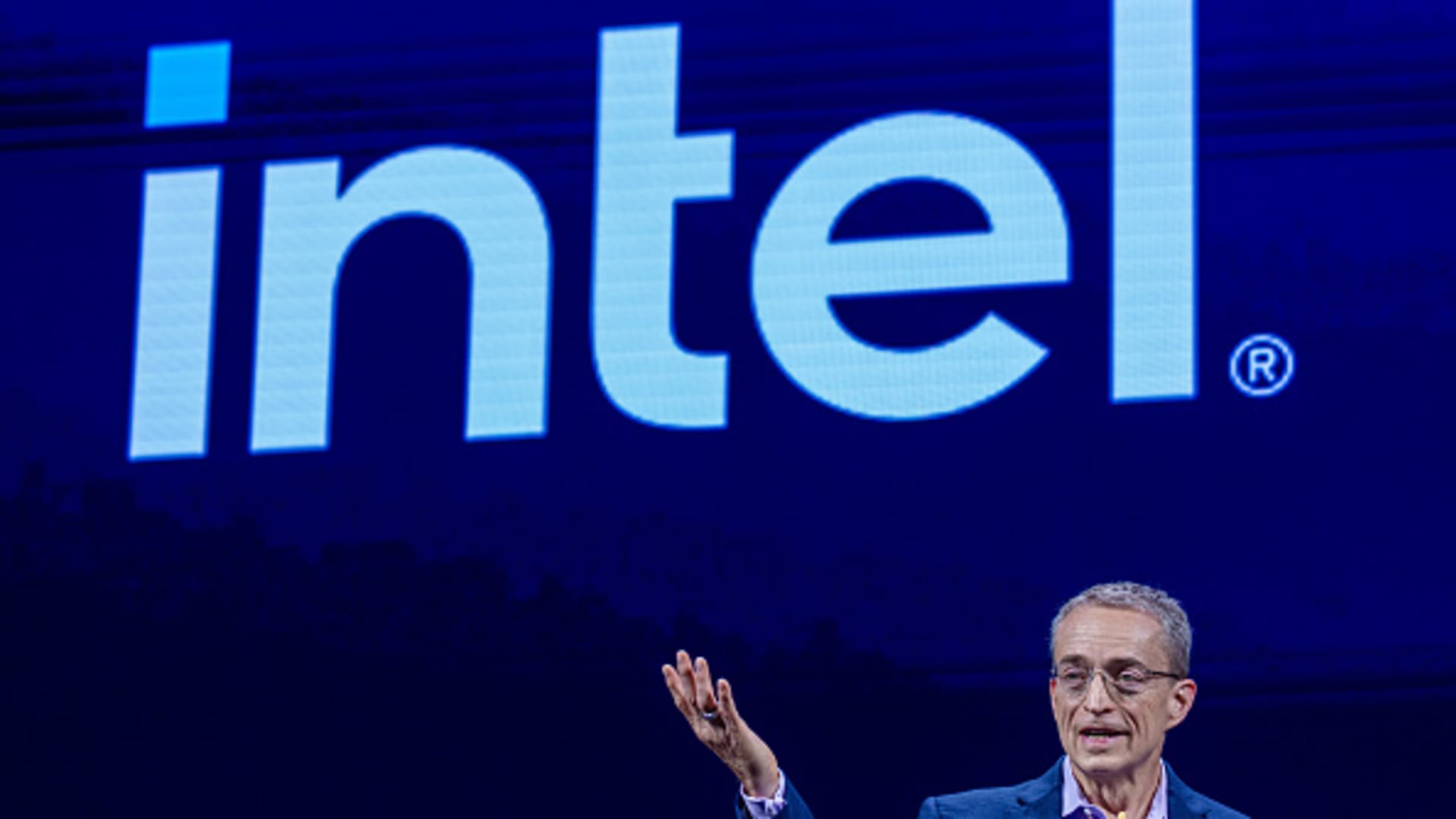
Intel's Resurgence in the AI Era

- Stock Price Momentum: Intel's stock has surged by 263% this year, primarily driven by strategic investments from Nvidia and the U.S. government, which not only boosts market confidence but also enhances the company's competitive edge in the AI sector.
- Growing CPU Demand: As agentic AI workloads increase, Intel's legacy CPU business is becoming increasingly relevant, expected to drive demand for its server CPUs and position the company favorably within the AI infrastructure landscape.
- Foundry Business Improvement: Intel's foundry business generated $5.4 billion in revenue in Q1, a 16% year-over-year increase, and although external foundry revenue remains small, its nearly sixfold annual growth indicates rising demand for its leading-edge process nodes.
- Shifting Market Dynamics: With the mass adoption of AI applications, Intel's balanced demand for CPUs and GPUs may provide a competitive advantage, particularly in attracting more customers by reducing reliance on overseas foundry partners.
See More

Market Update: Semiconductor and AI Stocks Decline Amid Concerns


- Nasdaq Futures Decline: Nasdaq futures are down about 2.5% this morning, heavily influenced by a 10% plunge in South Korea's stock market, with semiconductor and AI stocks experiencing the largest declines, reflecting growing concerns about the returns from AI spending.
- Bank of America Raises Chip Price Targets: Bank of America raised its price target for hold-rated Arm from $335 to $460, and Intel's target from $135 to $160, indicating increased analyst confidence in the semiconductor sector.
- SpaceX Coverage Initiated: Susquehanna initiated coverage of SpaceX with a hold rating and a $170 price target, noting that the company's markets are relatively unproven and recommending investors wait for a better entry point.
- Nike Downgraded: Evercore ISI downgraded Nike from buy to hold, expressing concerns that management may once again cut numbers, forcing Wall Street to reset its expectations ahead of the upcoming earnings report.
See More

Global Tech Stocks Sell Off; Eli Lilly Gains Favor


- Tech Stock Sell-Off: Global tech stocks are experiencing a sell-off, with European equities following suit and chip stocks leading the declines, indicating investor concerns that could impact market confidence and capital flows.
- Eli Lilly's Strong Performance: Eli Lilly's shares have surged over 400% in the last five years, primarily driven by the success of its weight-loss drug Mounjaro, although growth has stalled this year at just over 2%, yet its prospects in biotech remain promising.
- Market Diversification Trend: Fund manager Tom Hulick suggests investors should consider rotating out of AI stocks and focus on value stocks in biotech and GLP drugs, anticipating a pickup in small-cap stocks, reflecting a demand for diversified investments.
- GE Vernova and Panasonic Outlook: Hulick highlights GE Vernova's strong earnings momentum in the power sector, while Panasonic's backup battery systems and supercapacitors are noted for their potential to manage energy more efficiently, underscoring the importance of renewable energy technologies.
See More

Tech Stocks Under Pressure as Market Outlook Remains Uncertain

- Intel Stock Decline: Despite Bank of America raising its price target, Intel (INTC) shares fell 6% in premarket trading, indicating a lack of investor confidence in the chipmaker and reflecting broader concerns about technology stocks.
- Optimistic Semiconductor Outlook: Bank of America increased the semiconductor industry's total addressable market estimate from $2.3 trillion to $2.7 trillion, citing extended visibility into AI-related spending through 2028, which could present long-term growth opportunities for the sector.
- Take-Two Stock Increase: Take-Two Interactive (TTWO) shares rose 1.4% in premarket trading after Bank of America raised its forecasts for Grand Theft Auto 6 Online, increasing its fiscal 2028 bookings estimate from $1.3 billion to $2.2 billion, reflecting strong demand in the gaming market.
- Pfizer Drug Setback: Pfizer (PFE) shares slipped 0.8% in premarket trading after reporting a setback for a lung cancer therapy acquired through its $43 billion purchase of Seagen, as the drug failed to meet primary endpoints in a Phase 3 trial, potentially impacting its future market performance.
See More

Ten Years Post-Brexit: Economic Changes in the UK

- SpaceX Stock Volatility: Following its Nasdaq listing, SpaceX's stock fell 16% on Monday after announcing a computing power deal with AI startup Reflection and a $20 billion bond sale, resulting in a nearly 24% loss over three days, indicating waning investor confidence.
- U.S. Treasury Policy Update: Treasury Secretary Scott Bessent announced a 60-day authorization for Iranian oil production and sales, with Trump suggesting profits would fund U.S. agricultural purchases, though an Iranian banker denied any obligation, leading to a drop in oil prices on Monday.
- Target Leadership Crisis: Target's Executive Chairman Brian Cornell received only 87% support at the annual meeting, significantly below historical averages, raising concerns about his leadership amid profit and stock declines, as noted by analysts.
- Lucid Layoff Announcement: Lucid revealed plans to cut 18% of its U.S. workforce to reduce costs, aiming for annual savings of approximately $158 million, while also eliminating the operations chief position, reflecting a tightening strategy under market pressures.
See More
Bank of America Raises Price Targets for Semiconductor Stocks

- Market Growth Projection: Bank of America raised the total addressable market for semiconductors to $2.7 trillion, anticipating a 28% compound annual growth rate from 2025 to 2030, primarily driven by demand in memory and data centers, with some recovery in automotive and industrial sectors.
- Increased Equipment Spending Forecast: Analysts adjusted the 2027 wafer fab equipment spending forecast upward by 4% to $190 billion, reflecting a 31% year-over-year increase, while significantly raising the 2028 forecast by 23% to $250 billion, indicating optimism about cleanroom availability and technological advancements.
- Stock Price Target Adjustments: Bank of America raised price targets for several semiconductor stocks, including Intel (INTC) from $135 to $160, exceeding market expectations and demonstrating confidence in the company's future growth prospects.
- AI-Driven Market Potential: With visibility into AI-related spending extending into 2028, progress in customer and capacity at Intel and Samsung in advanced manufacturing is seen as a positive factor that could drive further growth in the semiconductor industry.
See More
Intel's Resurgence in the AI Era
- Stock Price Momentum: Intel's stock has surged by 263% this year, primarily driven by strategic investments from Nvidia and the U.S. government, which not only boosts market confidence but also enhances the company's competitive edge in the AI sector.
- Growing CPU Demand: As agentic AI workloads increase, Intel's legacy CPU business is becoming increasingly relevant, expected to drive demand for its server CPUs and position the company favorably within the AI infrastructure landscape.
- Foundry Business Improvement: Intel's foundry business generated $5.4 billion in revenue in Q1, a 16% year-over-year increase, and although external foundry revenue remains small, its nearly sixfold annual growth indicates rising demand for its leading-edge process nodes.
- Shifting Market Dynamics: With the mass adoption of AI applications, Intel's balanced demand for CPUs and GPUs may provide a competitive advantage, particularly in attracting more customers by reducing reliance on overseas foundry partners.
See More
Market Update: Semiconductor and AI Stocks Decline Amid Concerns
- Nasdaq Futures Decline: Nasdaq futures are down about 2.5% this morning, heavily influenced by a 10% plunge in South Korea's stock market, with semiconductor and AI stocks experiencing the largest declines, reflecting growing concerns about the returns from AI spending.
- Bank of America Raises Chip Price Targets: Bank of America raised its price target for hold-rated Arm from $335 to $460, and Intel's target from $135 to $160, indicating increased analyst confidence in the semiconductor sector.
- SpaceX Coverage Initiated: Susquehanna initiated coverage of SpaceX with a hold rating and a $170 price target, noting that the company's markets are relatively unproven and recommending investors wait for a better entry point.
- Nike Downgraded: Evercore ISI downgraded Nike from buy to hold, expressing concerns that management may once again cut numbers, forcing Wall Street to reset its expectations ahead of the upcoming earnings report.
See More
Global Tech Stocks Sell Off; Eli Lilly Gains Favor
- Tech Stock Sell-Off: Global tech stocks are experiencing a sell-off, with European equities following suit and chip stocks leading the declines, indicating investor concerns that could impact market confidence and capital flows.
- Eli Lilly's Strong Performance: Eli Lilly's shares have surged over 400% in the last five years, primarily driven by the success of its weight-loss drug Mounjaro, although growth has stalled this year at just over 2%, yet its prospects in biotech remain promising.
- Market Diversification Trend: Fund manager Tom Hulick suggests investors should consider rotating out of AI stocks and focus on value stocks in biotech and GLP drugs, anticipating a pickup in small-cap stocks, reflecting a demand for diversified investments.
- GE Vernova and Panasonic Outlook: Hulick highlights GE Vernova's strong earnings momentum in the power sector, while Panasonic's backup battery systems and supercapacitors are noted for their potential to manage energy more efficiently, underscoring the importance of renewable energy technologies.
See More
Tech Stocks Under Pressure as Market Outlook Remains Uncertain
- Intel Stock Decline: Despite Bank of America raising its price target, Intel (INTC) shares fell 6% in premarket trading, indicating a lack of investor confidence in the chipmaker and reflecting broader concerns about technology stocks.
- Optimistic Semiconductor Outlook: Bank of America increased the semiconductor industry's total addressable market estimate from $2.3 trillion to $2.7 trillion, citing extended visibility into AI-related spending through 2028, which could present long-term growth opportunities for the sector.
- Take-Two Stock Increase: Take-Two Interactive (TTWO) shares rose 1.4% in premarket trading after Bank of America raised its forecasts for Grand Theft Auto 6 Online, increasing its fiscal 2028 bookings estimate from $1.3 billion to $2.2 billion, reflecting strong demand in the gaming market.
- Pfizer Drug Setback: Pfizer (PFE) shares slipped 0.8% in premarket trading after reporting a setback for a lung cancer therapy acquired through its $43 billion purchase of Seagen, as the drug failed to meet primary endpoints in a Phase 3 trial, potentially impacting its future market performance.
See More
Ten Years Post-Brexit: Economic Changes in the UK
- SpaceX Stock Volatility: Following its Nasdaq listing, SpaceX's stock fell 16% on Monday after announcing a computing power deal with AI startup Reflection and a $20 billion bond sale, resulting in a nearly 24% loss over three days, indicating waning investor confidence.
- U.S. Treasury Policy Update: Treasury Secretary Scott Bessent announced a 60-day authorization for Iranian oil production and sales, with Trump suggesting profits would fund U.S. agricultural purchases, though an Iranian banker denied any obligation, leading to a drop in oil prices on Monday.
- Target Leadership Crisis: Target's Executive Chairman Brian Cornell received only 87% support at the annual meeting, significantly below historical averages, raising concerns about his leadership amid profit and stock declines, as noted by analysts.
- Lucid Layoff Announcement: Lucid revealed plans to cut 18% of its U.S. workforce to reduce costs, aiming for annual savings of approximately $158 million, while also eliminating the operations chief position, reflecting a tightening strategy under market pressures.
See More
Bank of America Raises Price Targets for Semiconductor Stocks
- Market Growth Projection: Bank of America raised the total addressable market for semiconductors to $2.7 trillion, anticipating a 28% compound annual growth rate from 2025 to 2030, primarily driven by demand in memory and data centers, with some recovery in automotive and industrial sectors.
- Increased Equipment Spending Forecast: Analysts adjusted the 2027 wafer fab equipment spending forecast upward by 4% to $190 billion, reflecting a 31% year-over-year increase, while significantly raising the 2028 forecast by 23% to $250 billion, indicating optimism about cleanroom availability and technological advancements.
- Stock Price Target Adjustments: Bank of America raised price targets for several semiconductor stocks, including Intel (INTC) from $135 to $160, exceeding market expectations and demonstrating confidence in the company's future growth prospects.
- AI-Driven Market Potential: With visibility into AI-related spending extending into 2028, progress in customer and capacity at Intel and Samsung in advanced manufacturing is seen as a positive factor that could drive further growth in the semiconductor industry.
See More