Intel and AMD Surge Amid AI Demand
Written by Emily J. Thompson, Senior Investment Analyst
Updated: 3 hours ago
0mins
Should l Buy INTC?
Source: Fool
- Intel Stock Surge: Intel's stock has soared over 186% year-to-date, as the company exceeded earnings expectations in Q1 while providing revenue guidance for Q2 that surpassed analyst consensus, indicating a strong recovery amid surging AI demand.
- Data Center Revenue Growth: Intel's data center revenue rose 22% year-over-year to over $5 billion in Q1, highlighting its increasing competitiveness in the AI server market, especially as the CPU to GPU ratio improves to 1:4, with potential for further balance.
- AMD's Strong Performance: AMD reported earnings and revenue that beat expectations in Q1, with data center revenue increasing 57% year-over-year, and CEO Lisa Su expects CPU CAGR to exceed 35% in the coming years, expanding its addressable market to over $120 billion by 2030, showcasing robust market potential.
- Market Competition Analysis: While Intel controls the full stack in CPU manufacturing, it still needs to catch up in the GPU space, whereas AMD, being a fabless semiconductor company, relies on TSMC for production, which reduces capital intensity but poses potential capacity risks, necessitating careful evaluation of both companies' market outlooks.
Trade with 70% Backtested Accuracy
Stop guessing "Should I Buy INTC?" and start using high-conviction signals backed by rigorous historical data.
Sign up today to access powerful investing tools and make smarter, data-driven decisions.
Analyst Views on INTC
Wall Street analysts forecast INTC stock price to fall
29 Analyst Rating
5 Buy
19 Hold
5 Sell
Hold
Current: 109.620

Low
20.00
Averages
39.30
High
52.00
Current: 109.620
Low
20.00
Averages
39.30
High
52.00
About INTC
Intel Corporation is a global designer and manufacturer of semiconductor products. The Company's segments include Intel Products, Intel Foundry, and All Other. Its Intel Products comprise Client Computing Group (CCG) and Data Center and AI (DCAI). CCG delivers platforms and processors that power PCs and edge devices, enabling enhanced performance, connectivity and user experience for consumer and commercial markets with capabilities that also support retail, industrial robotics and AI ecosystems at the edge. DCAI delivers workload-optimized solutions based upon its x86 architecture for data centers, including CPUs, AI accelerators, NICs, IPUs and custom ASICs, enabling performance and scalability for cloud, enterprise, telecommunication and HPC environments. The Intel Foundry segment comprises technology development, manufacturing and foundry services, developing new semiconductor process technologies and advanced packaging technologies. All Other segments include Mobileye and Other.
About the author

Emily J. Thompson
Emily J. Thompson, a Chartered Financial Analyst (CFA) with 12 years in investment research, graduated with honors from the Wharton School. Specializing in industrial and technology stocks, she provides in-depth analysis for Intellectia’s earnings and market brief reports.
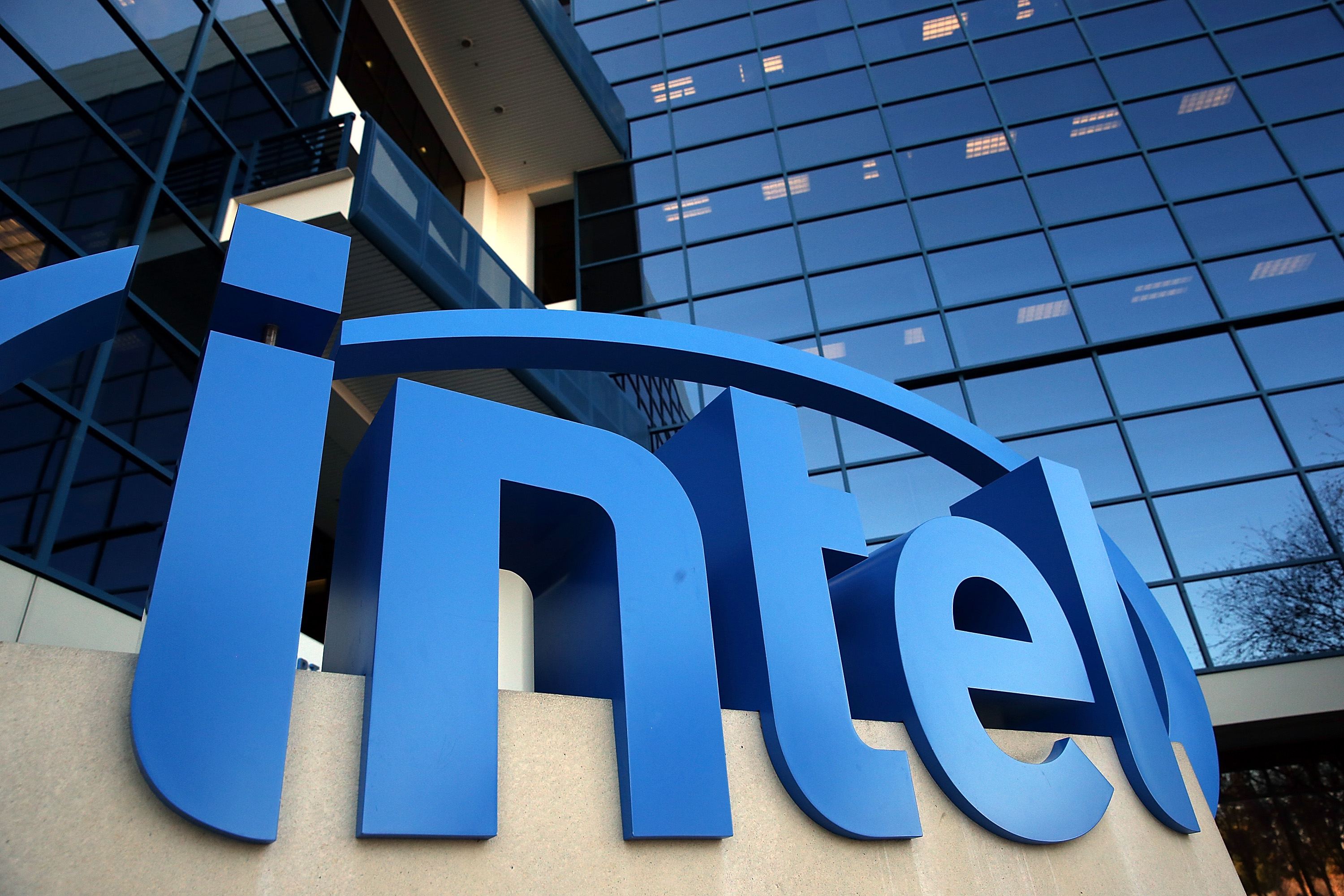
SpaceX Plans $55B Investment for Terafab Project

- Massive Investment: SpaceX plans an initial investment of $55 billion for the Terafab project in Texas, which, if successful, is expected to yield significant benefits for Intel and several semiconductor equipment vendors.
- Estimated Total Cost: Government filings indicate that if additional phases of the semiconductor production facility are completed, the total cost could reach approximately $119 billion, which would have profound implications for the semiconductor industry.
- Potential Gains for Intel: Wedbush analysts noted that if the project proves successful, it would positively impact Intel's 14A process, although the exact relationship between Intel and Tesla/SpaceX remains somewhat unclear.
- Risks and Challenges: Despite the promising outlook, analysts caution that building and owning a fab to support internal requirements is an expensive proposition that has become increasingly difficult to justify, especially when many products are not yet finalized.
See More

Alphabet Surpasses Nvidia in Market Cap Amid AI Boom


- Market Cap Milestone: Alphabet briefly surpassed Nvidia in after-hours trading with a market cap of $4.8 trillion, reflecting strong performance in the AI sector, particularly after a 160% stock price increase over the past year, which has significantly boosted market confidence in its future prospects.
- Cloud Business Surge: Google Cloud's backlog nearly doubled to $462 billion, with analysts attributing this growth primarily to a $200 billion deal with Anthropic, indicating Google's competitive edge and profitability in AI infrastructure.
- Investment Concerns: Despite strong cloud performance, analysts express concerns over reliance on Anthropic, which could account for over 40% of future contracted revenue, reminiscent of Oracle's situation, potentially impacting investor confidence.
- Capital Expenditure Plans: Google projects capital expenditures of up to $190 billion for 2025, more than double that of 2024, with analysts noting that this spending will be crucial for sustained competition in AI, but it also introduces risks that need to be addressed at the upcoming Google I/O conference.
See More

Alphabet Briefly Surpasses Nvidia in Market Cap Amid AI Optimism
- Market Cap Shift: Alphabet briefly surpassed Nvidia in after-hours trading, reaching a market cap of $4.8 trillion, reflecting strong market confidence in its AI capabilities, particularly in cloud computing and proprietary models.
- Cloud Growth Surge: Alphabet's cloud backlog nearly doubled to $462 billion, indicating robust growth potential in AI-related businesses, with analysts suggesting this will provide a solid foundation for future revenue increases.
- Investor Confidence: JPMorgan named Alphabet as their “top overall pick” in the tech sector, highlighting its leading position in the AI market and profitability, signaling optimistic expectations for its future performance.
- Risk Warning: Despite the market's optimism, analysts express concerns over Anthropic's $200 billion cloud commitment, which could represent over 40% of Alphabet's future contracted revenue, cautioning investors about potential concentration risks.
See More

Intel and AMD Surge Amid AI Demand

- Intel Stock Surge: Intel's stock has soared over 186% year-to-date, as the company exceeded earnings expectations in Q1 while providing revenue guidance for Q2 that surpassed analyst consensus, indicating a strong recovery amid surging AI demand.
- Data Center Revenue Growth: Intel's data center revenue rose 22% year-over-year to over $5 billion in Q1, highlighting its increasing competitiveness in the AI server market, especially as the CPU to GPU ratio improves to 1:4, with potential for further balance.
- AMD's Strong Performance: AMD reported earnings and revenue that beat expectations in Q1, with data center revenue increasing 57% year-over-year, and CEO Lisa Su expects CPU CAGR to exceed 35% in the coming years, expanding its addressable market to over $120 billion by 2030, showcasing robust market potential.
- Market Competition Analysis: While Intel controls the full stack in CPU manufacturing, it still needs to catch up in the GPU space, whereas AMD, being a fabless semiconductor company, relies on TSMC for production, which reduces capital intensity but poses potential capacity risks, necessitating careful evaluation of both companies' market outlooks.
See More
AMD Stock Soars Amid Optimism in AI Market

- Significant Revenue Growth: AMD's first-quarter revenue rose 38% year-over-year to $10.3 billion, exceeding market expectations and showcasing strong performance in its data center business, particularly driven by surging demand for AI-related products, which further solidifies its market position.
- Substantial Free Cash Flow Increase: AMD's free cash flow tripled year-over-year to a record $2.6 billion, indicating a significant improvement in capital management and profitability, providing ample funding for future investments and strategic initiatives.
- Optimistic Future Outlook: AMD projects second-quarter revenue to reach approximately $11.2 billion, implying a 46% year-over-year growth, with server CPU revenue expected to grow over 70%, reflecting the company's strong confidence in AI computing demand, potentially driving long-term growth.
- Increased Valuation Risks: Despite AMD's optimistic growth outlook, its price-to-earnings ratio stands at 150 times, significantly higher than competitor Nvidia's 26 times, indicating that market expectations for its future performance may be overstated, prompting investors to carefully assess potential risks.
See More

AMD's Data Center Revenue Soars 57% Year Over Year
- Surge in Data Center Revenue: AMD's data center revenue surged 57% year-over-year to $5.8 billion, reflecting strong demand in AI computing and solidifying its market position.
- Impressive Stock Performance: AMD's stock has risen nearly 350% over the past year, trading at nearly 150 times earnings, indicating strong investor confidence in future growth, although high valuations pose risks.
- Optimistic Future Outlook: AMD expects second-quarter revenue to reach $11.2 billion, implying a 46% year-over-year growth, with server CPU revenue projected to grow over 70%, showcasing the company's ongoing expansion potential in AI-related markets.
- Margin Risk: While AMD's adjusted gross margin was 55% in Q1, down from the previous quarter, a shift towards lower-margin Instinct GPUs in the data center business could impact future profitability.
See More
SpaceX Plans $55B Investment for Terafab Project
- Massive Investment: SpaceX plans an initial investment of $55 billion for the Terafab project in Texas, which, if successful, is expected to yield significant benefits for Intel and several semiconductor equipment vendors.
- Estimated Total Cost: Government filings indicate that if additional phases of the semiconductor production facility are completed, the total cost could reach approximately $119 billion, which would have profound implications for the semiconductor industry.
- Potential Gains for Intel: Wedbush analysts noted that if the project proves successful, it would positively impact Intel's 14A process, although the exact relationship between Intel and Tesla/SpaceX remains somewhat unclear.
- Risks and Challenges: Despite the promising outlook, analysts caution that building and owning a fab to support internal requirements is an expensive proposition that has become increasingly difficult to justify, especially when many products are not yet finalized.
See More
Alphabet Surpasses Nvidia in Market Cap Amid AI Boom
- Market Cap Milestone: Alphabet briefly surpassed Nvidia in after-hours trading with a market cap of $4.8 trillion, reflecting strong performance in the AI sector, particularly after a 160% stock price increase over the past year, which has significantly boosted market confidence in its future prospects.
- Cloud Business Surge: Google Cloud's backlog nearly doubled to $462 billion, with analysts attributing this growth primarily to a $200 billion deal with Anthropic, indicating Google's competitive edge and profitability in AI infrastructure.
- Investment Concerns: Despite strong cloud performance, analysts express concerns over reliance on Anthropic, which could account for over 40% of future contracted revenue, reminiscent of Oracle's situation, potentially impacting investor confidence.
- Capital Expenditure Plans: Google projects capital expenditures of up to $190 billion for 2025, more than double that of 2024, with analysts noting that this spending will be crucial for sustained competition in AI, but it also introduces risks that need to be addressed at the upcoming Google I/O conference.
See More
Alphabet Briefly Surpasses Nvidia in Market Cap Amid AI Optimism
- Market Cap Shift: Alphabet briefly surpassed Nvidia in after-hours trading, reaching a market cap of $4.8 trillion, reflecting strong market confidence in its AI capabilities, particularly in cloud computing and proprietary models.
- Cloud Growth Surge: Alphabet's cloud backlog nearly doubled to $462 billion, indicating robust growth potential in AI-related businesses, with analysts suggesting this will provide a solid foundation for future revenue increases.
- Investor Confidence: JPMorgan named Alphabet as their “top overall pick” in the tech sector, highlighting its leading position in the AI market and profitability, signaling optimistic expectations for its future performance.
- Risk Warning: Despite the market's optimism, analysts express concerns over Anthropic's $200 billion cloud commitment, which could represent over 40% of Alphabet's future contracted revenue, cautioning investors about potential concentration risks.
See More
Intel and AMD Surge Amid AI Demand
- Intel Stock Surge: Intel's stock has soared over 186% year-to-date, as the company exceeded earnings expectations in Q1 while providing revenue guidance for Q2 that surpassed analyst consensus, indicating a strong recovery amid surging AI demand.
- Data Center Revenue Growth: Intel's data center revenue rose 22% year-over-year to over $5 billion in Q1, highlighting its increasing competitiveness in the AI server market, especially as the CPU to GPU ratio improves to 1:4, with potential for further balance.
- AMD's Strong Performance: AMD reported earnings and revenue that beat expectations in Q1, with data center revenue increasing 57% year-over-year, and CEO Lisa Su expects CPU CAGR to exceed 35% in the coming years, expanding its addressable market to over $120 billion by 2030, showcasing robust market potential.
- Market Competition Analysis: While Intel controls the full stack in CPU manufacturing, it still needs to catch up in the GPU space, whereas AMD, being a fabless semiconductor company, relies on TSMC for production, which reduces capital intensity but poses potential capacity risks, necessitating careful evaluation of both companies' market outlooks.
See More
AMD Stock Soars Amid Optimism in AI Market
- Significant Revenue Growth: AMD's first-quarter revenue rose 38% year-over-year to $10.3 billion, exceeding market expectations and showcasing strong performance in its data center business, particularly driven by surging demand for AI-related products, which further solidifies its market position.
- Substantial Free Cash Flow Increase: AMD's free cash flow tripled year-over-year to a record $2.6 billion, indicating a significant improvement in capital management and profitability, providing ample funding for future investments and strategic initiatives.
- Optimistic Future Outlook: AMD projects second-quarter revenue to reach approximately $11.2 billion, implying a 46% year-over-year growth, with server CPU revenue expected to grow over 70%, reflecting the company's strong confidence in AI computing demand, potentially driving long-term growth.
- Increased Valuation Risks: Despite AMD's optimistic growth outlook, its price-to-earnings ratio stands at 150 times, significantly higher than competitor Nvidia's 26 times, indicating that market expectations for its future performance may be overstated, prompting investors to carefully assess potential risks.
See More
AMD's Data Center Revenue Soars 57% Year Over Year
- Surge in Data Center Revenue: AMD's data center revenue surged 57% year-over-year to $5.8 billion, reflecting strong demand in AI computing and solidifying its market position.
- Impressive Stock Performance: AMD's stock has risen nearly 350% over the past year, trading at nearly 150 times earnings, indicating strong investor confidence in future growth, although high valuations pose risks.
- Optimistic Future Outlook: AMD expects second-quarter revenue to reach $11.2 billion, implying a 46% year-over-year growth, with server CPU revenue projected to grow over 70%, showcasing the company's ongoing expansion potential in AI-related markets.
- Margin Risk: While AMD's adjusted gross margin was 55% in Q1, down from the previous quarter, a shift towards lower-margin Instinct GPUs in the data center business could impact future profitability.
See More