Intel and AMD Plan CPU Price Increases
Written by Emily J. Thompson, Senior Investment Analyst
Updated: Mar 25 2026
0mins

Source: Yahoo Finance
- Price Increase Notification: Intel and AMD have informed clients of planned price hikes across their entire CPU product lines starting in March and April, with expected increases ranging from 10% to 15%, and some products seeing even higher hikes, reflecting sustained demand for high-performance processors.
- Supply Constraints Intensify: As supply constraints worsen, delivery lead times have surged from the previous one to two weeks to an average of eight to twelve weeks, with some cases extending to six months, which will put additional pressure on server manufacturers to reassess their production schedules.
- Positive Market Reaction: Following the price hike announcement, Intel's stock rose by 4% and AMD's by 2.5%, indicating investor optimism regarding the future profitability of both companies, especially in the context of supply-demand imbalances.
- Wider Industry Impact: This price increase not only affects Intel and AMD's clients but may also lead to price hikes across the entire semiconductor industry, further intensifying market competition and prompting other chip manufacturers to consider adjusting their pricing strategies in response to market changes.
Trade with 70% Backtested Accuracy
Stop guessing "Should I Buy INTC?" and start using high-conviction signals backed by rigorous historical data.
Sign up today to access powerful investing tools and make smarter, data-driven decisions.
Analyst Views on INTC
Wall Street analysts forecast INTC stock price to fall
29 Analyst Rating
5 Buy
19 Hold
5 Sell
Hold
Current: 121.770

Low
20.00
Averages
39.30
High
52.00
Current: 121.770
Low
20.00
Averages
39.30
High
52.00
About INTC
Intel Corporation is a global designer and manufacturer of semiconductor products. The Company's segments include Intel Products, Intel Foundry, and All Other. Its Intel Products comprise Client Computing Group (CCG) and Data Center and AI (DCAI). CCG delivers platforms and processors that power PCs and edge devices, enabling enhanced performance, connectivity and user experience for consumer and commercial markets with capabilities that also support retail, industrial robotics and AI ecosystems at the edge. DCAI delivers workload-optimized solutions based upon its x86 architecture for data centers, including CPUs, AI accelerators, NICs, IPUs and custom ASICs, enabling performance and scalability for cloud, enterprise, telecommunication and HPC environments. The Intel Foundry segment comprises technology development, manufacturing and foundry services, developing new semiconductor process technologies and advanced packaging technologies. All Other segments include Mobileye and Other.
About the author

Emily J. Thompson
Emily J. Thompson, a Chartered Financial Analyst (CFA) with 12 years in investment research, graduated with honors from the Wharton School. Specializing in industrial and technology stocks, she provides in-depth analysis for Intellectia’s earnings and market brief reports.

Intel Poised to Benefit from Rising Demand for Data Center CPUs

- Rising Demand for Data Center CPUs: Intel's stock has surged 225% year-to-date and 498% over the past year, reflecting strong market confidence in its growth potential as demand for data center CPUs increases.
- Foundry Business Progress: Intel has secured significant partnerships with Apple, Alphabet, SpaceX, and Tesla's Terafab project, which are expected to dramatically boost sales to third-party customers in its foundry business.
- Ongoing Competitive Pressures: Despite a 7% year-over-year revenue growth to $13.58 billion in Q1, surpassing analyst expectations, Intel continues to lose market share in PC and server CPUs to AMD and Arm architectures, indicating persistent competitive challenges.
- Uncertain Profitability Outlook for Foundry: The foundry unit reported a $2.4 billion loss last quarter, and while third-party orders are increasing, the path to profitability remains uncertain, suggesting potential continued losses in the near term.
See More

Intel Stock Soars Amid Optimism for AI Future
- Stock Surge: Intel's share price has surged 225% year-to-date and 498% over the past 12 months, reflecting strong market confidence in its potential within the AI sector, despite ongoing cost-cutting and efficiency measures.
- AI Market Opportunities: Intel is well-positioned in the AI market as CPUs take on a larger share of AI workloads, with expectations to benefit from a $200 billion AI CPU market, alleviating competitive pressures in the high-end GPU space.
- Foundry Business Growth: Intel's partnerships with major players like Apple, Alphabet, SpaceX, and Tesla indicate a promising increase in its foundry business, and if its 14A process secures high-margin repeat contracts, it could justify a substantial valuation premium.
- Ongoing Competitive Pressures: While Intel has potential growth opportunities in AI infrastructure, its core chip design business faces market share losses to AMD and Arm architectures, and significant uncertainty remains regarding the profitability path of its foundry unit.
See More
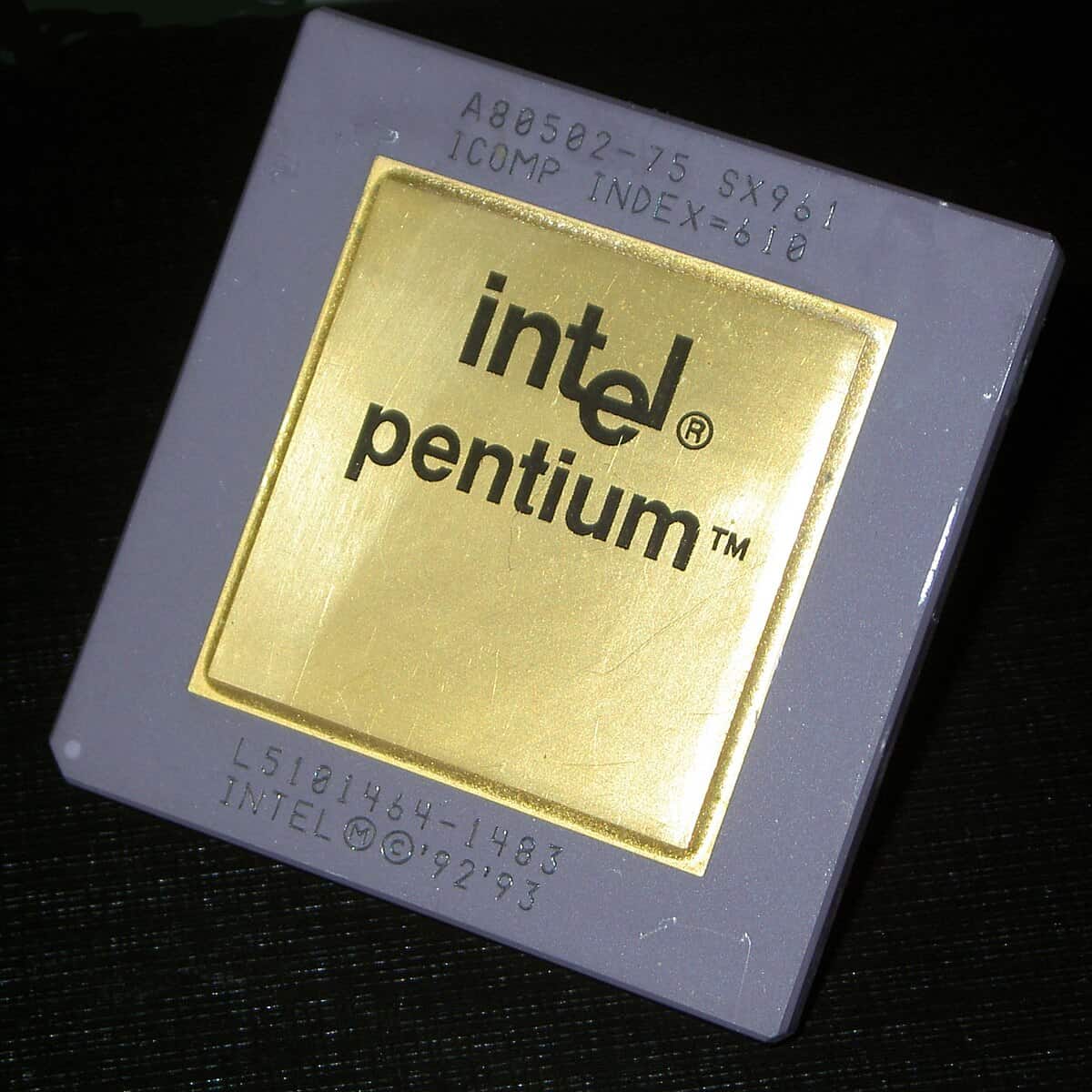
Intel Shares Surge 224.77% Year-to-Date Driven by Foundry Wins

- Significant Revenue Growth: Intel's Q1 Data Center and AI revenue surged 22% YoY to $5.05 billion, while Intel Foundry increased by 16% to $5.42 billion, demonstrating strong performance in key sectors and boosting market confidence.
- Strong Stock Performance: Intel shares have risen 224.77% year-to-date and 483.16% over the past year, reflecting investor optimism about the company's recovery despite challenges in profitability.
- Optimistic Future Outlook: Analysts predict that for Intel to reach $200 per share by 2028, a 66.9% gain is required, relying on narrowing foundry losses and sustained growth in Data Center and AI revenues, indicating the potential of the company's strategic direction.
- Market Risk Factors: Despite the optimistic outlook, Intel faces external risks, including tensions between China and Taiwan and potential pauses in the 14A manufacturing process, which could impact its future growth trajectory, necessitating vigilance from investors.
See More

Market Dynamics and Investment Opportunities Analysis
- Market Outlook: Stock futures are lower this morning, although oil prices are rebounding after strikes in Iran, and the PCE index showed a year-over-year increase of 3.8%, which, while high, did not exceed expectations, indicating a potential easing of inflationary pressures that could positively impact market sentiment.
- Snowflake Breakout: Snowflake shares soared over 35% today as it enhances its competitiveness against private Databricks by securing a $6 billion spending deal with Amazon Web Services, signaling a rerating in the cloud consumption AI sector.
- Salesforce Growth: Salesforce reported strong earnings last night, particularly in Agentforce, bolstered by a significant buyback; however, sluggish performance in Tableau and the commerce vertical led to a stock decline of over 1.5%, reflecting market caution regarding its future growth.
- Marvell's Strong Performance: Marvell delivered impressive earnings with accelerating revenue in data center chips and robust optical business performance, despite challenges in parts supply; shares rose 3.5%, indicating market confidence in its long-term growth potential.
See More

SpaceX IPO Outlook and Declining ARPU Analysis

- Massive IPO Potential: SpaceX is set to launch its IPO on June 12, potentially raising up to $75 billion, which could value the company between $1.75 trillion and $2 trillion, making it the largest IPO in history and drawing significant investor interest.
- Declining ARPU Trend: According to SpaceX's S-1 filing, the average revenue per user (ARPU) for Starlink is projected to drop from $99 in 2023 to $66 by 2026, a 33% decline, which may impact overall revenue growth for the company.
- Significant Customer Growth: Despite the declining ARPU, Starlink's customer base surged by 347%, increasing from 2.3 million in 2023 to 10.3 million currently, showcasing SpaceX's strong ability to attract new customers, with a total addressable market estimated at $1.6 trillion.
- Operational Efficiency Gains: SpaceX's connectivity segment saw a 120% increase in operating income to $4.4 billion in 2025, with adjusted EBITDA rising 86% to $7.1 billion, indicating substantial progress in operational efficiency despite the ARPU decline.
See More
ByteDance Develops Custom CPUs to Meet AI Infrastructure Needs

- Custom CPU Development: ByteDance is developing its own central processing units (CPUs) to meet the growing demands of its AI infrastructure, aiming to enhance internal operational efficiency by reducing reliance on external suppliers.
- Intensifying Market Competition: As AI models increasingly demand higher CPU performance, ByteDance's initiative aligns it with tech giants like Google, Amazon, and Microsoft, who are also developing custom CPUs to cut costs and optimize performance.
- Dual Architecture Strategy: ByteDance is exploring two chip architectures based on Arm and the open-source RISC-V instruction set to determine which design best suits its long-term data center needs, thereby mitigating future manufacturing risks.
- Price Pressure: With CPU prices from Intel and AMD rising by 10% to 35% in recent months, ByteDance is accelerating its in-house chip development to address challenges posed by supply shortages and escalating costs.
See More
Intel Poised to Benefit from Rising Demand for Data Center CPUs
- Rising Demand for Data Center CPUs: Intel's stock has surged 225% year-to-date and 498% over the past year, reflecting strong market confidence in its growth potential as demand for data center CPUs increases.
- Foundry Business Progress: Intel has secured significant partnerships with Apple, Alphabet, SpaceX, and Tesla's Terafab project, which are expected to dramatically boost sales to third-party customers in its foundry business.
- Ongoing Competitive Pressures: Despite a 7% year-over-year revenue growth to $13.58 billion in Q1, surpassing analyst expectations, Intel continues to lose market share in PC and server CPUs to AMD and Arm architectures, indicating persistent competitive challenges.
- Uncertain Profitability Outlook for Foundry: The foundry unit reported a $2.4 billion loss last quarter, and while third-party orders are increasing, the path to profitability remains uncertain, suggesting potential continued losses in the near term.
See More
Intel Stock Soars Amid Optimism for AI Future
- Stock Surge: Intel's share price has surged 225% year-to-date and 498% over the past 12 months, reflecting strong market confidence in its potential within the AI sector, despite ongoing cost-cutting and efficiency measures.
- AI Market Opportunities: Intel is well-positioned in the AI market as CPUs take on a larger share of AI workloads, with expectations to benefit from a $200 billion AI CPU market, alleviating competitive pressures in the high-end GPU space.
- Foundry Business Growth: Intel's partnerships with major players like Apple, Alphabet, SpaceX, and Tesla indicate a promising increase in its foundry business, and if its 14A process secures high-margin repeat contracts, it could justify a substantial valuation premium.
- Ongoing Competitive Pressures: While Intel has potential growth opportunities in AI infrastructure, its core chip design business faces market share losses to AMD and Arm architectures, and significant uncertainty remains regarding the profitability path of its foundry unit.
See More
Intel Shares Surge 224.77% Year-to-Date Driven by Foundry Wins
- Significant Revenue Growth: Intel's Q1 Data Center and AI revenue surged 22% YoY to $5.05 billion, while Intel Foundry increased by 16% to $5.42 billion, demonstrating strong performance in key sectors and boosting market confidence.
- Strong Stock Performance: Intel shares have risen 224.77% year-to-date and 483.16% over the past year, reflecting investor optimism about the company's recovery despite challenges in profitability.
- Optimistic Future Outlook: Analysts predict that for Intel to reach $200 per share by 2028, a 66.9% gain is required, relying on narrowing foundry losses and sustained growth in Data Center and AI revenues, indicating the potential of the company's strategic direction.
- Market Risk Factors: Despite the optimistic outlook, Intel faces external risks, including tensions between China and Taiwan and potential pauses in the 14A manufacturing process, which could impact its future growth trajectory, necessitating vigilance from investors.
See More
Market Dynamics and Investment Opportunities Analysis
- Market Outlook: Stock futures are lower this morning, although oil prices are rebounding after strikes in Iran, and the PCE index showed a year-over-year increase of 3.8%, which, while high, did not exceed expectations, indicating a potential easing of inflationary pressures that could positively impact market sentiment.
- Snowflake Breakout: Snowflake shares soared over 35% today as it enhances its competitiveness against private Databricks by securing a $6 billion spending deal with Amazon Web Services, signaling a rerating in the cloud consumption AI sector.
- Salesforce Growth: Salesforce reported strong earnings last night, particularly in Agentforce, bolstered by a significant buyback; however, sluggish performance in Tableau and the commerce vertical led to a stock decline of over 1.5%, reflecting market caution regarding its future growth.
- Marvell's Strong Performance: Marvell delivered impressive earnings with accelerating revenue in data center chips and robust optical business performance, despite challenges in parts supply; shares rose 3.5%, indicating market confidence in its long-term growth potential.
See More
SpaceX IPO Outlook and Declining ARPU Analysis
- Massive IPO Potential: SpaceX is set to launch its IPO on June 12, potentially raising up to $75 billion, which could value the company between $1.75 trillion and $2 trillion, making it the largest IPO in history and drawing significant investor interest.
- Declining ARPU Trend: According to SpaceX's S-1 filing, the average revenue per user (ARPU) for Starlink is projected to drop from $99 in 2023 to $66 by 2026, a 33% decline, which may impact overall revenue growth for the company.
- Significant Customer Growth: Despite the declining ARPU, Starlink's customer base surged by 347%, increasing from 2.3 million in 2023 to 10.3 million currently, showcasing SpaceX's strong ability to attract new customers, with a total addressable market estimated at $1.6 trillion.
- Operational Efficiency Gains: SpaceX's connectivity segment saw a 120% increase in operating income to $4.4 billion in 2025, with adjusted EBITDA rising 86% to $7.1 billion, indicating substantial progress in operational efficiency despite the ARPU decline.
See More
ByteDance Develops Custom CPUs to Meet AI Infrastructure Needs
- Custom CPU Development: ByteDance is developing its own central processing units (CPUs) to meet the growing demands of its AI infrastructure, aiming to enhance internal operational efficiency by reducing reliance on external suppliers.
- Intensifying Market Competition: As AI models increasingly demand higher CPU performance, ByteDance's initiative aligns it with tech giants like Google, Amazon, and Microsoft, who are also developing custom CPUs to cut costs and optimize performance.
- Dual Architecture Strategy: ByteDance is exploring two chip architectures based on Arm and the open-source RISC-V instruction set to determine which design best suits its long-term data center needs, thereby mitigating future manufacturing risks.
- Price Pressure: With CPU prices from Intel and AMD rising by 10% to 35% in recent months, ByteDance is accelerating its in-house chip development to address challenges posed by supply shortages and escalating costs.
See More