Institutional Managers Anticipate Market Correction in 2026
Written by Emily J. Thompson, Senior Investment Analyst
Updated: Feb 14 2026
0mins

Source: Fool
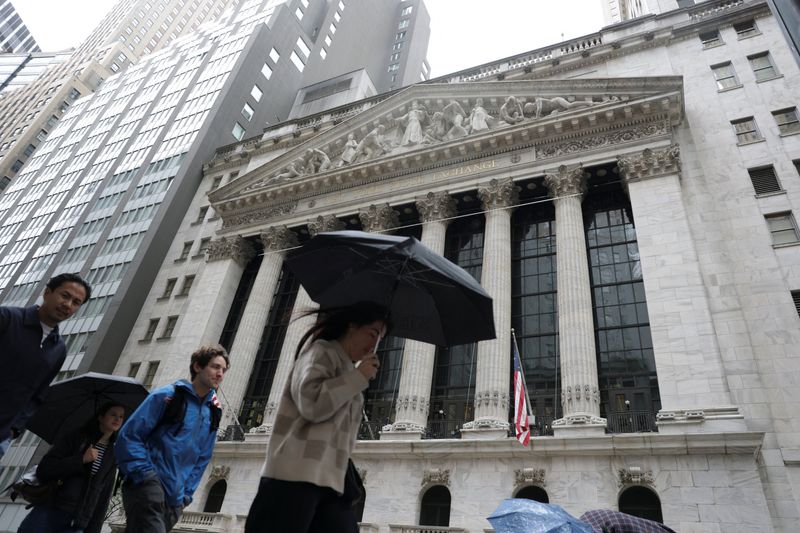
- Market Correction Expectation: A survey by Natixis Investment Managers reveals that 74% of institutional money managers anticipate a market correction in 2026, citing concerns over the tech bubble, geopolitics, and macroeconomic factors, indicating a cautious outlook for future market conditions.
- Defensive Stock Performance: Pharmaceutical giants AbbVie and Merck are recognized as strong defensive stocks, having performed exceptionally well during market downturns, with AbbVie stock rising 24% and Merck 49% in the 2022 bear market, demonstrating their resilience in economic slowdowns.
- Stable Dividend Growth: AbbVie recently raised its dividend by 5% to $1.73 per share, marking the 13th consecutive year of increases, while Merck pays a quarterly dividend of $0.85 per share, having raised it for 15 years, both significantly exceeding the S&P 500 average yield.
- Future Growth Outlook: AbbVie projects adjusted diluted earnings per share of $14.37 to $14.57 in 2026, representing a 43% to 45% increase from 2025; Merck forecasts global sales of $65.5 billion to $67 billion, indicating strong growth potential for both companies in the upcoming market landscape.
Trade with 70% Backtested Accuracy
Stop guessing "Should I Buy ABBV?" and start using high-conviction signals backed by rigorous historical data.
Sign up today to access powerful investing tools and make smarter, data-driven decisions.
Analyst Views on ABBV
Wall Street analysts forecast ABBV stock price to rise
18 Analyst Rating
12 Buy
6 Hold
0 Sell
Moderate Buy
Current: 215.700

Low
223.00
Averages
252.00
High
289.00
Current: 215.700
Low
223.00
Averages
252.00
High
289.00
About ABBV
AbbVie Inc. is a global, diversified, research-based biopharmaceutical company. It is engaged in research and development, manufacturing, commercialization and sale of medicines and therapies. Its product portfolio includes Immunology, Oncology, Aesthetics, Neuroscience, Eye Care and Other Key Products. Immunology products include rheumatology, dermatology and gastroenterology. Oncology products include Imbruvica, Venclexta/Venclyxto, Elahere and Epkinly. The aesthetics portfolio consists of facial injectables, plastics and regenerative medicine, body contouring, and skincare products. Its Neuroscience products include Botox Therapeutic, Vraylar, Duopa and Duodopa, Ubrelvy, and Qulipta. Duodopa is a levodopa-carbidopa intestinal gel for the treatment of Parkinson's disease. Eye care products include Ozurdex, Lumigan/Ganfort, Alphagan/Combigan, Restasis, and other eye care. Other key products include Mavyret/Maviret, Creon, and Linzess/Constella.
About the author

Emily J. Thompson
Emily J. Thompson, a Chartered Financial Analyst (CFA) with 12 years in investment research, graduated with honors from the Wharton School. Specializing in industrial and technology stocks, she provides in-depth analysis for Intellectia’s earnings and market brief reports.

Obesity Drug Market Poised for Growth

- Market Potential: The obesity drug market is projected to reach nearly $100 billion by 2030, prompting significant investor interest and confidence, which could lead to substantial stock price increases for companies in this sector.
- Viking Therapeutics Progress: Viking Therapeutics is conducting phase 3 trials for VK-2735, with promising early results suggesting potential market success; strong data could drive stock prices higher, enhancing the company's competitive position in obesity treatment.
- AbbVie's Strategic Development: AbbVie is studying a long-acting amylin analog, with early trials indicating weight loss of 7% to 9%, which could add significant growth potential to its portfolio and strengthen its market position if successfully commercialized.
- Investor Optimism: As demand for obesity drugs rises, the potential success of Viking and AbbVie may attract more investor attention, driving stock prices up, especially against a backdrop of increasing market expectations for new therapies.
See More

Weight Loss Drug Market Poised for Growth
- Market Potential: Analysts predict the weight loss drug market could reach nearly $100 billion in the coming years, attracting significant investment into pharma and biotech companies, indicating strong growth prospects in this sector.
- Viking Therapeutics Progress: Viking Therapeutics is conducting phase 3 trials for VK-2735, with promising early results suggesting it could carve out a niche in the weight loss market, and strong data could drive the stock price higher again.
- AbbVie's New Strategy: AbbVie is studying a long-acting amylin analog, with early trials showing weight loss of 7% to 9%, which could add significant growth potential to its product portfolio if successful.
- Investment Opportunity Analysis: AbbVie’s price-to-earnings ratio is currently at 15 times, down from over 24 times a few months ago, indicating substantial room for stock price appreciation, with potential for doubling in the near future.
See More

Dividend Investment Analysis: AbbVie vs. Pfizer


- Dividend Yield Comparison: AbbVie offers a 3.2% dividend yield, which, while lower than Pfizer's 6.7%, has proven to be a strong long-term investment due to its consistent dividend growth over decades, even after losing patent protection for Humira, showcasing robust business growth potential.
- Financial Health Status: Pfizer's free cash flow totaled $9.5 billion over the past four quarters, falling short of the $9.8 billion it paid in dividends, raising concerns about the safety of its payout, whereas AbbVie reported nearly $20 billion in free cash flow, comfortably exceeding its $11.8 billion dividend payments, indicating stronger financial stability.
- Dividend Growth Potential: While Pfizer's current yield is higher, AbbVie's potential for dividend growth should not be overlooked, as its ample free cash flow suggests significant increases in dividends may occur in the future, enhancing its appeal, particularly among risk-averse investors.
- Investor Risk Assessment: For investors seeking stable dividends, AbbVie is clearly the safer choice, whereas Pfizer, despite being an intriguing turnaround play, faces challenges such as patent cliffs and uncertain growth prospects, making it less suitable for risk-averse investors, especially regarding dividend safety.
See More

Dividend Comparison: Pfizer vs AbbVie
- Dividend Yield Comparison: Pfizer offers a higher dividend yield of 6.7% compared to AbbVie's 3.2%, but concerns about Pfizer's payout safety arise due to looming patent cliffs that could jeopardize future dividend payments.
- Cash Flow Analysis: Pfizer's free cash flow totaled $9.5 billion over the past four quarters, slightly below the $9.8 billion paid in dividends, raising concerns about the sustainability of its dividend amidst ongoing restructuring efforts aimed at cost reduction.
- AbbVie's Stability: AbbVie reported nearly $20 billion in free cash flow over the past 12 months, significantly exceeding the $11.8 billion in dividends paid, indicating a robust capacity for dividend payments and potential for future increases, especially given its history of consistent dividend growth.
- Long-Term Investment Outlook: While Pfizer's higher yield may attract attention, AbbVie's dividend growth potential and stability make it a more suitable choice for risk-averse investors, particularly in the current economic climate where long-term holdings in AbbVie could yield better returns.
See More

Warren Buffett's Long-Term Investment Advice

- AbbVie's Strong Growth: AbbVie (ABBV), a leading pharmaceutical company, boasts multiple blockbuster drugs and strong growth potential, particularly with its autoimmune drugs Skyrizi and Rinvoq, which are expected to drive sustained growth over the next decade; despite Humira losing patent protection, the company has maintained stability through R&D investments and strategic acquisitions.
- Enterprise Products Partners' Stable Returns: Enterprise Products Partners (EPD) is a key player in the North American midstream energy market, operating over 50,000 miles of pipelines with a distribution yield of 5.5%, having increased its distribution for 27 consecutive years, demonstrating resilience and stability in a volatile energy sector.
- NextEra Energy's Renewable Leadership: NextEra Energy (NEE), the largest utility company globally, anticipates a 10% dividend increase this year, aiming for an 8% annual growth in adjusted earnings per share by 2035, showcasing its strong potential in renewable energy and battery storage.
- AI-Driven Market Opportunities: Both Enterprise Products Partners and NextEra Energy are poised to benefit from the increasing demand for natural gas and renewable energy driven by the growing need for power in data centers, with NextEra's planned $66.8 billion acquisition of Dominion Energy further solidifying its position in rapidly expanding markets.
See More

AbbVie and Two Dividend Kings Show Strong Prospects
- AbbVie's Growth Potential: AbbVie (NYSE: ABBV), a leading pharmaceutical company, boasts multiple blockbuster drugs and has around 60 programs in mid-to-late stage clinical trials, indicating strong growth prospects over the next decade, particularly with its autoimmune disease drugs Skyrizi and Rinvoq.
- Enterprise Products Partners' Stable Returns: Enterprise Products Partners (NYSE: EPD) is a top player in the North American midstream energy market, operating over 50,000 miles of pipelines with a distribution yield of 5.5%, having increased its distribution for 27 consecutive years, showcasing robust cash flow resilience and expected growth from rising natural gas demand.
- NextEra Energy's Acquisition Plans: As the largest utility company globally, NextEra Energy (NYSE: NEE) plans to acquire Dominion Energy for approximately $66.8 billion, which is expected to strengthen its leadership in renewable energy and battery storage, with dividends projected to grow by about 10% this year.
- AI-Driven Market Opportunities: With the increasing demand for power from data centers, both AbbVie and Enterprise Products Partners are poised to benefit from the AI technology boom, which is expected to drive business growth and enhance their competitive positions in the market.
See More
Obesity Drug Market Poised for Growth
- Market Potential: The obesity drug market is projected to reach nearly $100 billion by 2030, prompting significant investor interest and confidence, which could lead to substantial stock price increases for companies in this sector.
- Viking Therapeutics Progress: Viking Therapeutics is conducting phase 3 trials for VK-2735, with promising early results suggesting potential market success; strong data could drive stock prices higher, enhancing the company's competitive position in obesity treatment.
- AbbVie's Strategic Development: AbbVie is studying a long-acting amylin analog, with early trials indicating weight loss of 7% to 9%, which could add significant growth potential to its portfolio and strengthen its market position if successfully commercialized.
- Investor Optimism: As demand for obesity drugs rises, the potential success of Viking and AbbVie may attract more investor attention, driving stock prices up, especially against a backdrop of increasing market expectations for new therapies.
See More
Weight Loss Drug Market Poised for Growth
- Market Potential: Analysts predict the weight loss drug market could reach nearly $100 billion in the coming years, attracting significant investment into pharma and biotech companies, indicating strong growth prospects in this sector.
- Viking Therapeutics Progress: Viking Therapeutics is conducting phase 3 trials for VK-2735, with promising early results suggesting it could carve out a niche in the weight loss market, and strong data could drive the stock price higher again.
- AbbVie's New Strategy: AbbVie is studying a long-acting amylin analog, with early trials showing weight loss of 7% to 9%, which could add significant growth potential to its product portfolio if successful.
- Investment Opportunity Analysis: AbbVie’s price-to-earnings ratio is currently at 15 times, down from over 24 times a few months ago, indicating substantial room for stock price appreciation, with potential for doubling in the near future.
See More
Dividend Investment Analysis: AbbVie vs. Pfizer
- Dividend Yield Comparison: AbbVie offers a 3.2% dividend yield, which, while lower than Pfizer's 6.7%, has proven to be a strong long-term investment due to its consistent dividend growth over decades, even after losing patent protection for Humira, showcasing robust business growth potential.
- Financial Health Status: Pfizer's free cash flow totaled $9.5 billion over the past four quarters, falling short of the $9.8 billion it paid in dividends, raising concerns about the safety of its payout, whereas AbbVie reported nearly $20 billion in free cash flow, comfortably exceeding its $11.8 billion dividend payments, indicating stronger financial stability.
- Dividend Growth Potential: While Pfizer's current yield is higher, AbbVie's potential for dividend growth should not be overlooked, as its ample free cash flow suggests significant increases in dividends may occur in the future, enhancing its appeal, particularly among risk-averse investors.
- Investor Risk Assessment: For investors seeking stable dividends, AbbVie is clearly the safer choice, whereas Pfizer, despite being an intriguing turnaround play, faces challenges such as patent cliffs and uncertain growth prospects, making it less suitable for risk-averse investors, especially regarding dividend safety.
See More
Dividend Comparison: Pfizer vs AbbVie
- Dividend Yield Comparison: Pfizer offers a higher dividend yield of 6.7% compared to AbbVie's 3.2%, but concerns about Pfizer's payout safety arise due to looming patent cliffs that could jeopardize future dividend payments.
- Cash Flow Analysis: Pfizer's free cash flow totaled $9.5 billion over the past four quarters, slightly below the $9.8 billion paid in dividends, raising concerns about the sustainability of its dividend amidst ongoing restructuring efforts aimed at cost reduction.
- AbbVie's Stability: AbbVie reported nearly $20 billion in free cash flow over the past 12 months, significantly exceeding the $11.8 billion in dividends paid, indicating a robust capacity for dividend payments and potential for future increases, especially given its history of consistent dividend growth.
- Long-Term Investment Outlook: While Pfizer's higher yield may attract attention, AbbVie's dividend growth potential and stability make it a more suitable choice for risk-averse investors, particularly in the current economic climate where long-term holdings in AbbVie could yield better returns.
See More
Warren Buffett's Long-Term Investment Advice
- AbbVie's Strong Growth: AbbVie (ABBV), a leading pharmaceutical company, boasts multiple blockbuster drugs and strong growth potential, particularly with its autoimmune drugs Skyrizi and Rinvoq, which are expected to drive sustained growth over the next decade; despite Humira losing patent protection, the company has maintained stability through R&D investments and strategic acquisitions.
- Enterprise Products Partners' Stable Returns: Enterprise Products Partners (EPD) is a key player in the North American midstream energy market, operating over 50,000 miles of pipelines with a distribution yield of 5.5%, having increased its distribution for 27 consecutive years, demonstrating resilience and stability in a volatile energy sector.
- NextEra Energy's Renewable Leadership: NextEra Energy (NEE), the largest utility company globally, anticipates a 10% dividend increase this year, aiming for an 8% annual growth in adjusted earnings per share by 2035, showcasing its strong potential in renewable energy and battery storage.
- AI-Driven Market Opportunities: Both Enterprise Products Partners and NextEra Energy are poised to benefit from the increasing demand for natural gas and renewable energy driven by the growing need for power in data centers, with NextEra's planned $66.8 billion acquisition of Dominion Energy further solidifying its position in rapidly expanding markets.
See More
AbbVie and Two Dividend Kings Show Strong Prospects
- AbbVie's Growth Potential: AbbVie (NYSE: ABBV), a leading pharmaceutical company, boasts multiple blockbuster drugs and has around 60 programs in mid-to-late stage clinical trials, indicating strong growth prospects over the next decade, particularly with its autoimmune disease drugs Skyrizi and Rinvoq.
- Enterprise Products Partners' Stable Returns: Enterprise Products Partners (NYSE: EPD) is a top player in the North American midstream energy market, operating over 50,000 miles of pipelines with a distribution yield of 5.5%, having increased its distribution for 27 consecutive years, showcasing robust cash flow resilience and expected growth from rising natural gas demand.
- NextEra Energy's Acquisition Plans: As the largest utility company globally, NextEra Energy (NYSE: NEE) plans to acquire Dominion Energy for approximately $66.8 billion, which is expected to strengthen its leadership in renewable energy and battery storage, with dividends projected to grow by about 10% this year.
- AI-Driven Market Opportunities: With the increasing demand for power from data centers, both AbbVie and Enterprise Products Partners are poised to benefit from the AI technology boom, which is expected to drive business growth and enhance their competitive positions in the market.
See More