Innoviz Q4 Revenue $12.67M, Below Consensus
Reports Q4 revenue $12.67M, consensus $15M. "2025 was a pivotal year for Innoviz financially and operationally. We more than doubled our revenues, delivered record gross margins, and significantly expanded programs and addressable end-markets. As the world shifts from Digital AI to Physical AI, Innoviz is firmly positioned to enable perception through its industry-leading LiDAR technology. Our program wins and our lineup of products spanning automotive and non-automotive use cases have created powerful momentum entering 2026, positioning us to accelerate growth, deepen customer partnerships, and further expand our leadership," said Omer Keilaf, CEO and Co-Founder of Innoviz. "Heading into 2026, we are advancing on our Level 3 programs with the VW group and Mobileye, and on our Level 4 programs with Daimler Truck, Mobileye, VW and others. We see strong and growing interest in Level 3 and Level 4 programs from global OEMs. To support these efforts, we have introduced the InnovizThree, designed specifically to meet the challenges of behind-the-windshield installation with a smaller form factor and lower power consumption; when combined with a camera, it also simplifies sensor fusion and integration. Outside the automotive space, our InnovizSMART is gaining traction in areas such as security, mobility, and ITS, and we recently announced the installation of several InnovizSMART Perimeter Security Solutions. Additionally, our InnovizSMARTer, which integrates our LiDAR with an Nvidia processor, delivers a comprehensive one-box solution that enables compression at the edge and wireless deployment in bandwidth-constrained environments. As we continue to ramp production, we believe we are well-positioned to become one of the world's premier large-scale suppliers of best-in-class LiDAR solutions for autonomous driving and broader sensing applications, enabling the rise of Physical AI."
Trade with 70% Backtested Accuracy
Analyst Views on INVZ
About INVZ
About the author


Innoviz CEO to Host Webinar on Physical AI

- Webinar Announcement: Innoviz Technologies' CEO Omer Keilaf will host a public webinar on March 23, 2026, at 10:00 AM ET to discuss the company's recent white paper, 'Innoviz and the Rise of Physical AI', aiming to enhance interaction with investors and analysts.
- Technological Opportunity: Keilaf emphasizes that as AI applications transition from the digital to the physical realm, there is a growing need for a perception-based technological foundation, positioning LiDAR as a key sensing layer in Physical AI applications, which could drive future growth for Innoviz.
- White Paper Release: The company invites stakeholders and the public to read the white paper on its website and submit questions by March 17 at 5:00 PM ET, reflecting Innoviz's commitment to transparency and public engagement, further solidifying its market leadership.
- Global Market Positioning: As a leading global supplier of LiDAR technology, Innoviz is dedicated to providing high-performance automotive-grade LiDAR sensors to top automotive manufacturers, driving the future of safe autonomous vehicles, showcasing its strategic importance in the rapidly evolving autonomous driving market.
Innoviz Technologies Reports 2025 Financial Results and Strategic Updates
- Significant Revenue Growth: Innoviz reported revenues of $55.1 million in 2025, more than doubling from $24.3 million in 2024, indicating strong demand and an expanding market share in the high-performance LiDAR sensor sector.
- Operating Expenses Decrease: Operating expenses for 2025 were $80.6 million, down 20% from $100.8 million in 2024, reflecting successful cost control and operational efficiency, which enhances the company's profitability.
- New Product Launch: Innoviz introduced the InnovizThree, designed specifically for behind-the-windshield installation in the automotive sector, featuring a smaller form factor and lower power consumption, which is expected to drive market penetration in autonomous driving.
- Deepening Strategic Partnerships: The company continues to advance its Level 3 and Level 4 programs with global OEMs like VW Group and Mobileye, demonstrating strong market interest in high-end LiDAR solutions and further solidifying Innoviz's leadership position in the industry.

Innoviz Technologies Q4 Earnings Report Analysis
- Disappointing Earnings: Innoviz Technologies reported a Q4 GAAP EPS of -$0.34, missing expectations by $0.25, indicating ongoing challenges in profitability that may affect investor confidence.
- Significant Revenue Growth: Despite a remarkable 110.1% year-over-year revenue increase to $12.67M, the figure fell short of expectations by $2.33M, suggesting competitive pressures in a rapidly growing market that necessitate enhanced sales strategies.
- Cautious Future Outlook: The company anticipates future revenues between $67M and $73M, with plans to secure 2-3 new program wins; while this outlook is positive, it requires close monitoring of market execution capabilities and shifts in customer demand.
- New Payment Plans Introduced: Innoviz has also launched new NRE payment plans for non-automotive physical AI applications, expected to generate $20M to $30M in revenue, a move that could help diversify revenue streams and reduce reliance on the automotive sector.
Innoviz Technologies to Announce Q4 Earnings on February 25
- Earnings Announcement: Innoviz Technologies is set to release its Q4 earnings report on February 25 before the market opens, with expectations that the results will significantly impact stock price movements.
- Earnings Expectations: The consensus EPS estimate stands at -$0.08, reflecting a 27.3% year-over-year improvement, indicating the company's efforts to enhance profitability, although it remains in a loss position.
- Revenue Forecast: The anticipated revenue for Q4 is $15 million, showcasing the company's growth potential in the market, and achieving this target could bolster investor confidence moving forward.
- Historical Performance: Over the past two years, Innoviz has beaten EPS estimates 25% of the time and revenue estimates 75% of the time, demonstrating a degree of financial stability that may attract increased investor interest.
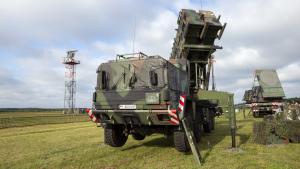
U.S. Department of Defense IT Budget Reaches $66 Billion for 2026

- Defense Budget Increase: The U.S. Department of Defense's IT budget for 2026 reaches $66 billion, reflecting an $1.8 billion increase from 2025, indicating a strong focus on AI and efficiency that could drive growth for related tech companies.
- Military AI Investment Surge: The Army boosts AI spending by 38.3%, while the Air Force increases force application funding by 143.8%, accelerating the development and application of intelligent military technologies to enhance operational capabilities.
- VisionWave New Project: VisionWave Holdings enters a $10 million Statement of Work to develop the qSpeed-Mine platform, with full revenue recognition expected in 2026, aimed at reducing unit costs by optimizing existing mining infrastructure and enhancing market competitiveness.
- Kratos Contract Expansion: Kratos Defense secures approximately $65 million in contracts to design and deliver various military training simulators, further solidifying its market position in defense training and meeting customer demand for effective training solutions.

US Department of Defense IT Budget Reaches $66 Billion for FY 2026
- Defense Budget Increase: The US Department of Defense's IT budget for FY 2026 reaches $66 billion, reflecting an $1.8 billion increase from 2025, indicating a strong focus on AI and efficiency improvements that may drive market demand for related tech companies.
- Military AI Investment Surge: The Army boosts AI spending by 38.3%, while the Air Force increases force application funding by 143.8%, directly enhancing the development and application of related technologies, thereby improving military operational capabilities.
- VisionWave New Project: VisionWave Holdings has entered into a $10 million Statement of Work to develop the qSpeed-Mine platform, with full revenue recognition expected in 2026, aimed at reducing unit costs by optimizing existing mining infrastructure, enhancing market competitiveness.
- Drone Market Expansion: The counter-UAS market is projected to grow at an annual rate of 25.8%, increasing from $2.6 billion in 2026 to $19.06 billion by 2035, highlighting global concerns over drone threats and accelerating the rapid development of related technologies.
Innoviz CEO to Host Webinar on Physical AI
- Webinar Announcement: Innoviz Technologies' CEO Omer Keilaf will host a public webinar on March 23, 2026, at 10:00 AM ET to discuss the company's recent white paper, 'Innoviz and the Rise of Physical AI', aiming to enhance interaction with investors and analysts.
- Technological Opportunity: Keilaf emphasizes that as AI applications transition from the digital to the physical realm, there is a growing need for a perception-based technological foundation, positioning LiDAR as a key sensing layer in Physical AI applications, which could drive future growth for Innoviz.
- White Paper Release: The company invites stakeholders and the public to read the white paper on its website and submit questions by March 17 at 5:00 PM ET, reflecting Innoviz's commitment to transparency and public engagement, further solidifying its market leadership.
- Global Market Positioning: As a leading global supplier of LiDAR technology, Innoviz is dedicated to providing high-performance automotive-grade LiDAR sensors to top automotive manufacturers, driving the future of safe autonomous vehicles, showcasing its strategic importance in the rapidly evolving autonomous driving market.
Innoviz Technologies Reports 2025 Financial Results and Strategic Updates
- Significant Revenue Growth: Innoviz reported revenues of $55.1 million in 2025, more than doubling from $24.3 million in 2024, indicating strong demand and an expanding market share in the high-performance LiDAR sensor sector.
- Operating Expenses Decrease: Operating expenses for 2025 were $80.6 million, down 20% from $100.8 million in 2024, reflecting successful cost control and operational efficiency, which enhances the company's profitability.
- New Product Launch: Innoviz introduced the InnovizThree, designed specifically for behind-the-windshield installation in the automotive sector, featuring a smaller form factor and lower power consumption, which is expected to drive market penetration in autonomous driving.
- Deepening Strategic Partnerships: The company continues to advance its Level 3 and Level 4 programs with global OEMs like VW Group and Mobileye, demonstrating strong market interest in high-end LiDAR solutions and further solidifying Innoviz's leadership position in the industry.
Innoviz Technologies Q4 Earnings Report Analysis
- Disappointing Earnings: Innoviz Technologies reported a Q4 GAAP EPS of -$0.34, missing expectations by $0.25, indicating ongoing challenges in profitability that may affect investor confidence.
- Significant Revenue Growth: Despite a remarkable 110.1% year-over-year revenue increase to $12.67M, the figure fell short of expectations by $2.33M, suggesting competitive pressures in a rapidly growing market that necessitate enhanced sales strategies.
- Cautious Future Outlook: The company anticipates future revenues between $67M and $73M, with plans to secure 2-3 new program wins; while this outlook is positive, it requires close monitoring of market execution capabilities and shifts in customer demand.
- New Payment Plans Introduced: Innoviz has also launched new NRE payment plans for non-automotive physical AI applications, expected to generate $20M to $30M in revenue, a move that could help diversify revenue streams and reduce reliance on the automotive sector.
Innoviz Technologies to Announce Q4 Earnings on February 25
- Earnings Announcement: Innoviz Technologies is set to release its Q4 earnings report on February 25 before the market opens, with expectations that the results will significantly impact stock price movements.
- Earnings Expectations: The consensus EPS estimate stands at -$0.08, reflecting a 27.3% year-over-year improvement, indicating the company's efforts to enhance profitability, although it remains in a loss position.
- Revenue Forecast: The anticipated revenue for Q4 is $15 million, showcasing the company's growth potential in the market, and achieving this target could bolster investor confidence moving forward.
- Historical Performance: Over the past two years, Innoviz has beaten EPS estimates 25% of the time and revenue estimates 75% of the time, demonstrating a degree of financial stability that may attract increased investor interest.
U.S. Department of Defense IT Budget Reaches $66 Billion for 2026
- Defense Budget Increase: The U.S. Department of Defense's IT budget for 2026 reaches $66 billion, reflecting an $1.8 billion increase from 2025, indicating a strong focus on AI and efficiency that could drive growth for related tech companies.
- Military AI Investment Surge: The Army boosts AI spending by 38.3%, while the Air Force increases force application funding by 143.8%, accelerating the development and application of intelligent military technologies to enhance operational capabilities.
- VisionWave New Project: VisionWave Holdings enters a $10 million Statement of Work to develop the qSpeed-Mine platform, with full revenue recognition expected in 2026, aimed at reducing unit costs by optimizing existing mining infrastructure and enhancing market competitiveness.
- Kratos Contract Expansion: Kratos Defense secures approximately $65 million in contracts to design and deliver various military training simulators, further solidifying its market position in defense training and meeting customer demand for effective training solutions.
US Department of Defense IT Budget Reaches $66 Billion for FY 2026
- Defense Budget Increase: The US Department of Defense's IT budget for FY 2026 reaches $66 billion, reflecting an $1.8 billion increase from 2025, indicating a strong focus on AI and efficiency improvements that may drive market demand for related tech companies.
- Military AI Investment Surge: The Army boosts AI spending by 38.3%, while the Air Force increases force application funding by 143.8%, directly enhancing the development and application of related technologies, thereby improving military operational capabilities.
- VisionWave New Project: VisionWave Holdings has entered into a $10 million Statement of Work to develop the qSpeed-Mine platform, with full revenue recognition expected in 2026, aimed at reducing unit costs by optimizing existing mining infrastructure, enhancing market competitiveness.
- Drone Market Expansion: The counter-UAS market is projected to grow at an annual rate of 25.8%, increasing from $2.6 billion in 2026 to $19.06 billion by 2035, highlighting global concerns over drone threats and accelerating the rapid development of related technologies.