Harbour Energy Increases Presence in North Sea Through $170M Purchase


Harbour Energy Acquisition: Harbour Energy has agreed to a $170 million deal to acquire Waldorf Energy Partners and Waldorf Production, aiming to enhance its UK North Sea portfolio and increase its stake in the Catcher field to 90%.
Impact on Share Price: Following the announcement, Harbour Energy's share price fell by 1.4% due to declining global crude oil prices, with West Texas Intermediate crude trading below $56 per barrel.
Production and Financial Outlook: The acquisition is expected to boost Harbour's daily oil equivalent production by 20,000 barrels and add approximately 35 million barrels of 2P reserves, potentially increasing cash flow and business stability.
Market Position and Competitors: Despite the acquisition, Harbour Energy's business model remains vulnerable to oil price volatility, while competitors like EOG Resources, ConocoPhillips, and Diamondback Energy are better positioned in the current market.
Trade with 70% Backtested Accuracy
Analyst Views on COP

About COP
About the author

U.S. Energy Secretary to Address CERAWeek Amid Iran Negotiations


- Oil Price Fluctuation: U.S. oil prices have dropped over 10% this week following Trump's mention of negotiations with Iran, which could impact investment decisions and market confidence in the energy sector.
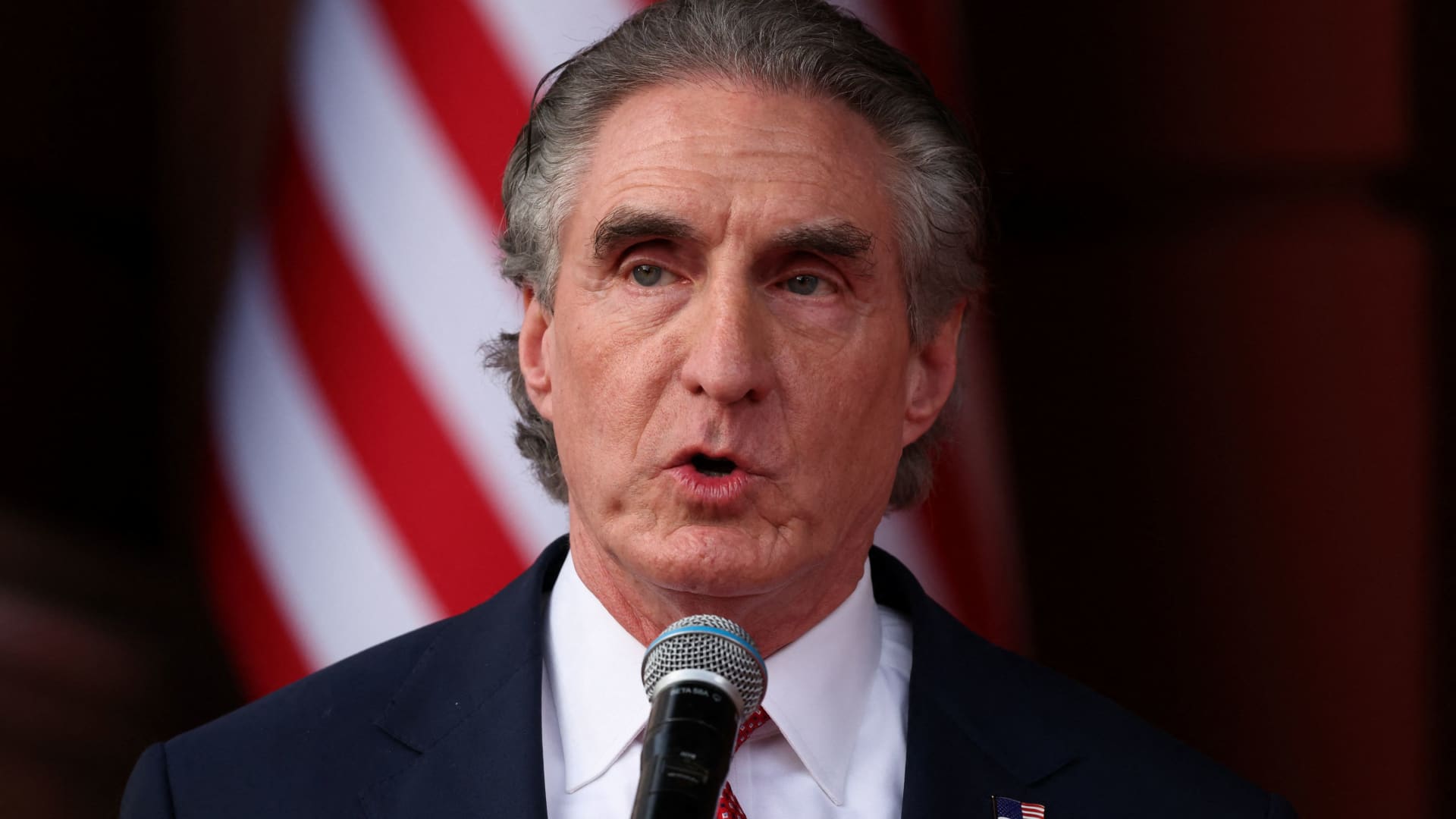
- Conference Context: Interior Secretary Doug Burgum will speak at S&P Global's CERAWeek energy conference in Houston, Texas, which attracts leading energy executives and government officials worldwide, highlighting the industry's keen interest in policy changes.
- Military Deployment Risks: Trump is expected to send thousands of additional troops to the Middle East, raising the possibility of ground war, which could further exacerbate market uncertainty and affect oil and gas supply chains.
- Policy Implications: Investors will be looking for updates from Burgum regarding how the U.S. government is addressing the situation with Iran and its impact on energy prices, which will directly relate to future energy policies and market dynamics.

Significant Premarket Moves in U.S. Stocks


- Fertilizer Price Fluctuation: CF Industries' shares fell nearly 4% as reports indicated that negotiations surrounding the U.S.-Iran war could signal an end to commodity shortages, despite a 27% increase since the conflict began.
- Chip Innovation: Arm's stock rose 13% after unveiling its first in-house chip, projecting $15 billion in revenue by 2031, highlighting its strong growth potential in the semiconductor market.
- Acquisition Deal: Terns Pharmaceuticals saw shares gain over 5% after Merck agreed to acquire the biopharma company for $53 per share in cash, valuing the deal at $6.7 billion, expected to close in Q2.
- Stock Buyback Plan: Robinhood's stock jumped 4% after announcing a $1.5 billion stock buyback plan, set to be executed over three years, aimed at enhancing shareholder value.
Trump's 15-Point Peace Plan Sparks Market Optimism


- Peace Plan Overview: President Trump's proposed 15-point peace plan aims to address the ongoing conflicts in Iran and the Middle East, and while details remain unclear, the market is optimistic, viewing it as a potential signal for de-escalation.
- Negotiation Dynamics: Trump reiterated that the U.S. is in negotiations with Iran, despite Tehran denying direct talks with Washington, creating a contradictory narrative that raises market concerns about future developments.
- Market Reaction: Following the announcement of Trump's peace plan, Asian stock markets surged, particularly in South Korea, while European indices are also expected to open higher, reflecting investor expectations for improved geopolitical conditions.
- Corporate Moves: Meta is granting stock options to key leaders to retain talent amid increasing pressure in the artificial intelligence sector, although CEO Mark Zuckerberg is not included in this plan, indicating potential implications for the company's long-term strategic direction.
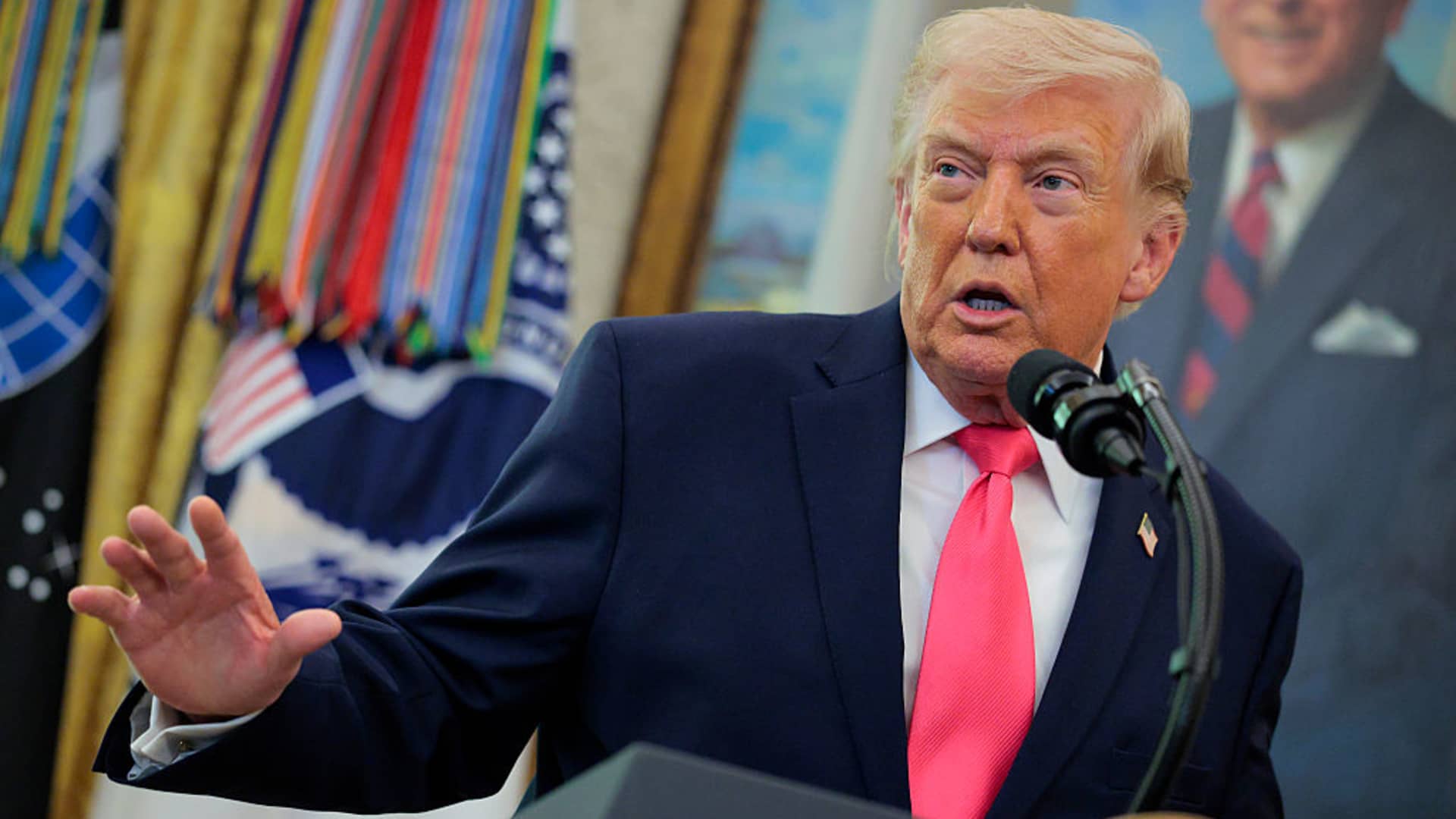
Trump Claims US and Iran Are in Negotiations Amid Conflict

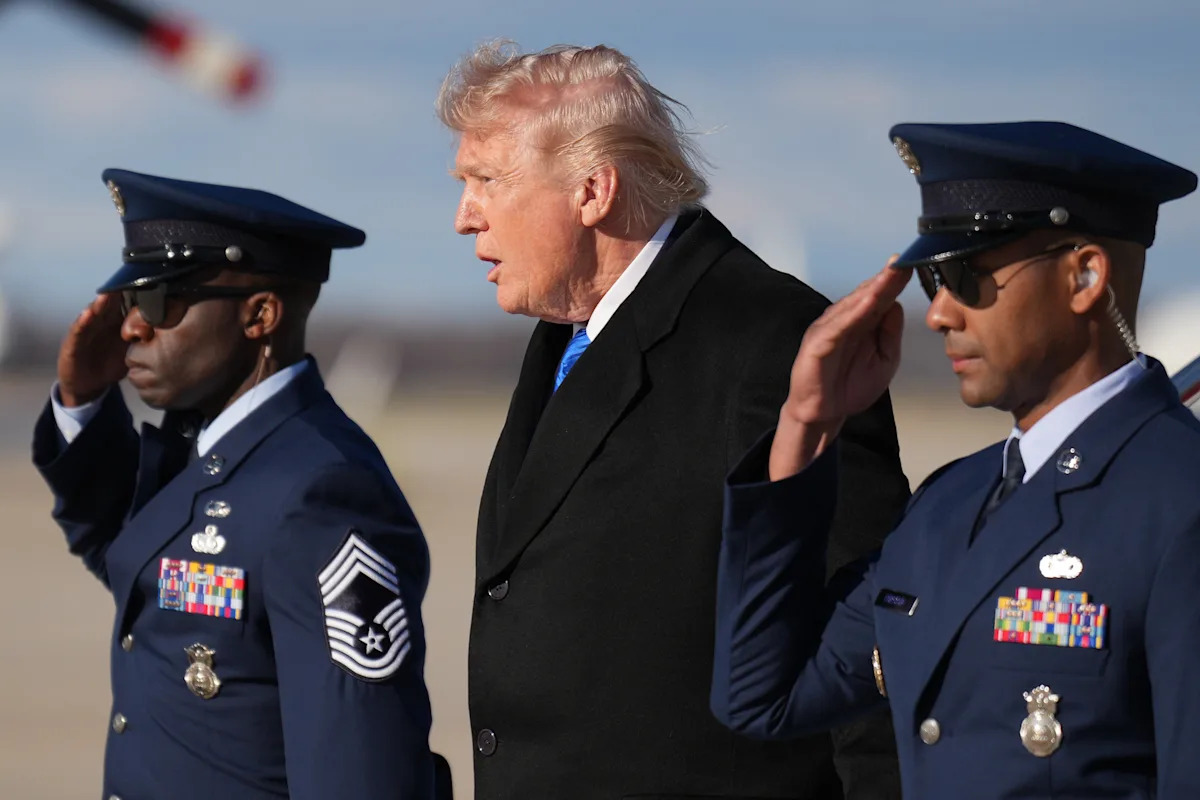
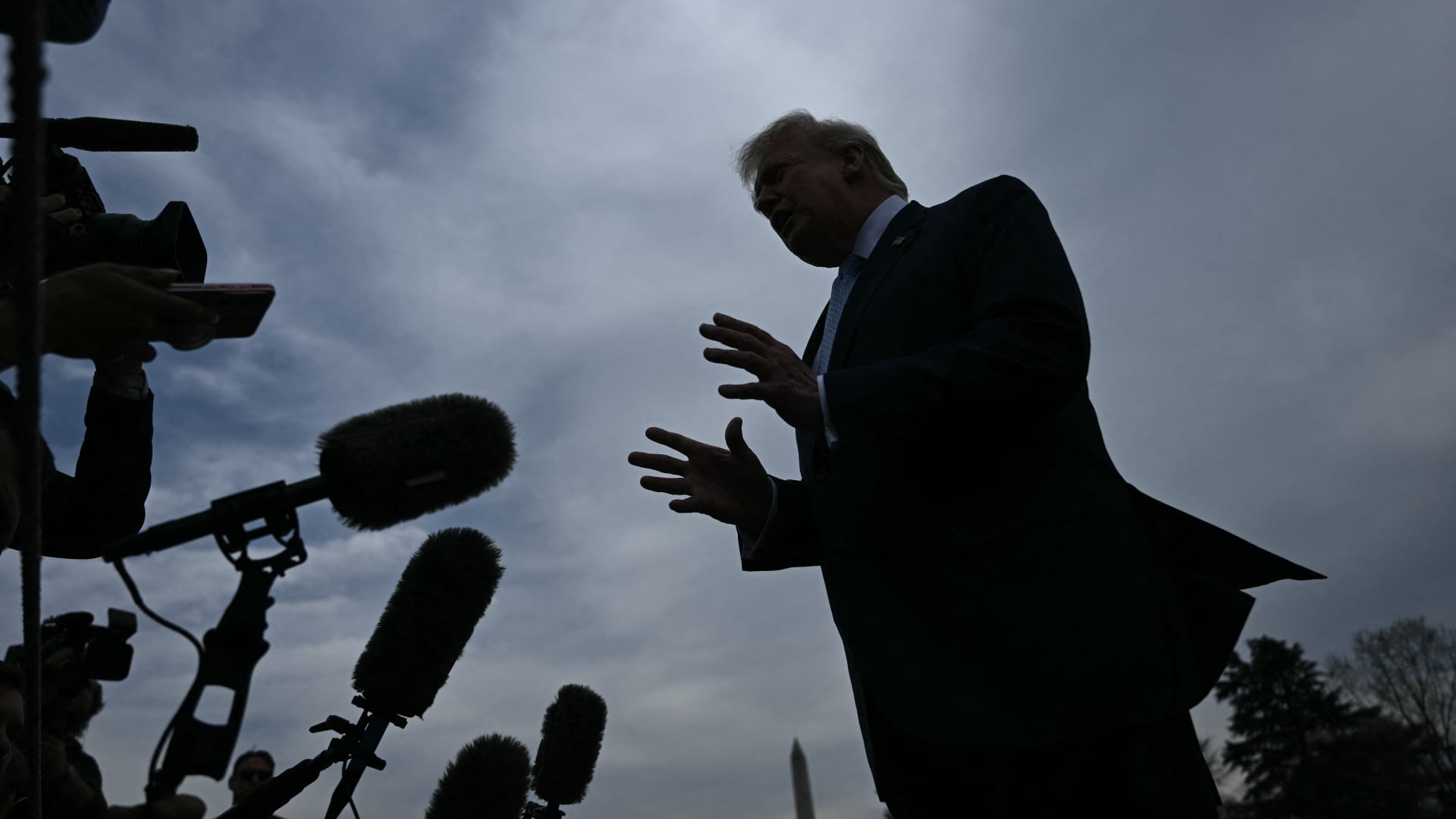
- Negotiation Dynamics: Trump stated in the Oval Office that the U.S. and Iran are 'in negotiations right now,' despite Iran's denial of direct talks, creating confusion among investors regarding the Middle East situation, which could impact market sentiment.
- Peace Plan Delivery: According to The New York Times, the U.S. has sent a 15-point peace plan to Iran through Pakistan, aiming to facilitate negotiations between the warring parties, which could provide a new opportunity for conflict resolution.
- Military Deployment Preparations: Concurrently, The Wall Street Journal reported that the Pentagon is preparing to deploy about 3,000 soldiers from the Army's 82nd Airborne Division to the Middle East, a military move that could escalate regional tensions and further impact global markets.
- Global Energy Emergency: The Philippines has become the first country to declare a 'national energy emergency' due to the ongoing conflict, indicating that the conflict poses a growing threat to global energy supply chains, potentially leading to fluctuations in international oil prices.
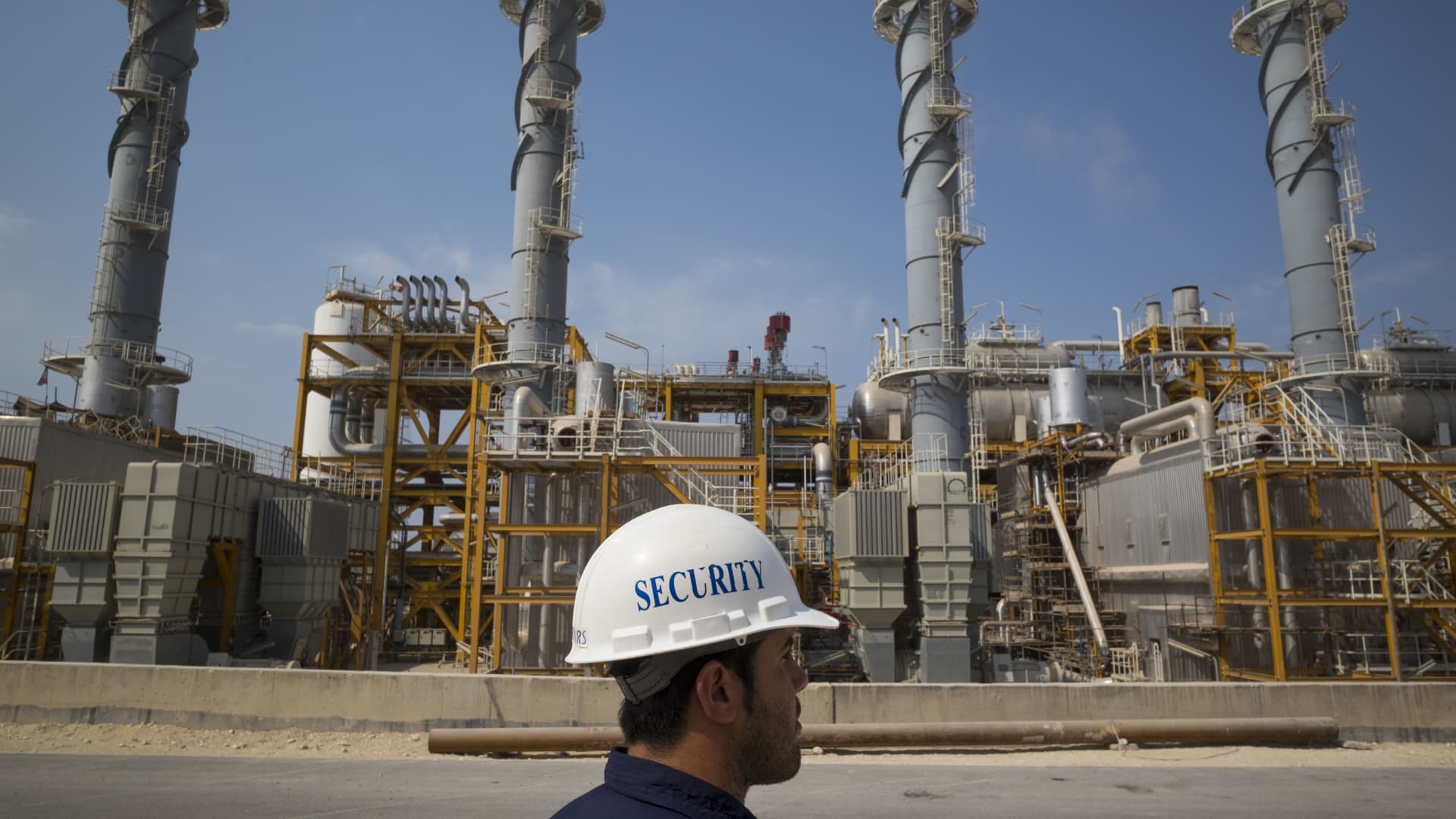
Oil Prices Drop Over 5% Amid U.S.-Iran Negotiations


- Significant Oil Price Drop: Oil prices fell over 5% after President Trump announced ongoing negotiations with Iran, with Brent crude futures declining nearly 6% to $98.31 per barrel and WTI down 5% to $87.65, reflecting market sensitivity to geopolitical risks.
- Negotiation Dynamics Shift: Trump indicated he had retracted threats to strike Iranian energy infrastructure based on negotiation progress, which could alter market expectations for future oil prices, despite Iran denying direct talks with the U.S.
- Supply Disruption Impact: Goldman Sachs highlighted that the current disruption in oil supplies represents the largest shock in decades, significantly affecting global supply shares and increasing market uncertainty, prompting investors to hedge against potential worst-case scenarios.
- Geopolitical Risk Premium: According to Goldman, short-term crude price movements are driven more by shifts in perceived worst-case probabilities rather than changes in the fundamental outlook, with expectations that flows through the Strait of Hormuz will normalize over a four-week period, further influencing oil price trends.
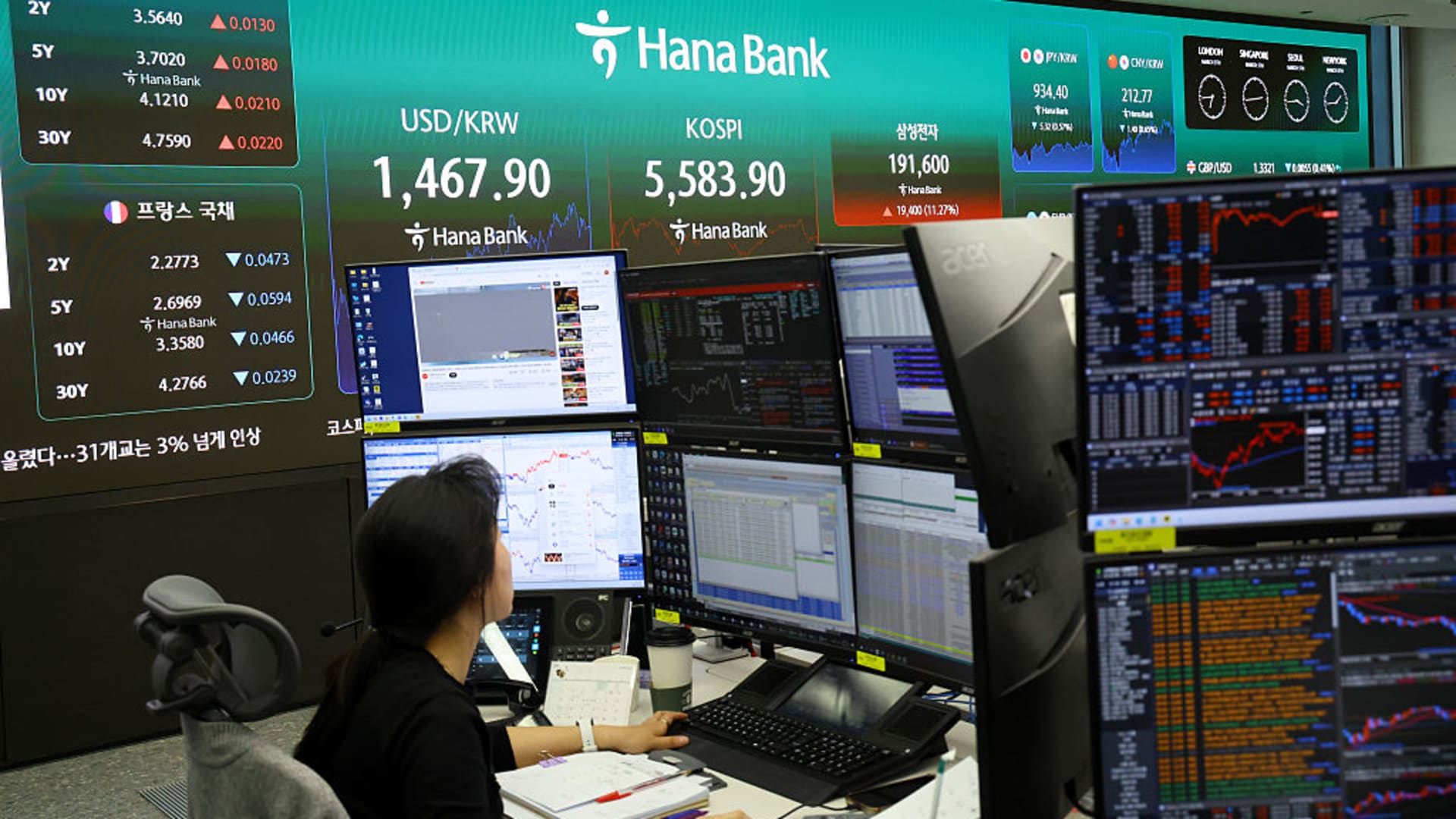
Iran Conflict Impacts Asia-Pacific Markets

- Market Reaction: The latest flare-up in the Iran conflict has severely impacted export-reliant markets in South Korea and Japan, with benchmark indexes sharply declining, reflecting investor concerns over surging energy costs and diminished risk appetite that could undermine corporate earnings and economic growth.
- U.S. Presidential Remarks: President Trump stated that the U.S. and Iran are currently negotiating, despite Tehran denying any direct talks with Washington, which has lifted market sentiment and may provide a short-term rebound for Asia-Pacific markets.
- Australian Market Performance: The S&P/ASX 200 index in Australia rose over 1.26% in early trading, indicating a positive response to Trump's comments, potentially attracting more investor interest in the market.
- Oil Price Fluctuations: West Texas Intermediate crude futures fell by 3.92% to $88.73 per barrel during early Asian trading hours, reflecting market concerns over the ongoing Iran conflict, which may further impact the global economy and energy markets.
U.S. Energy Secretary to Address CERAWeek Amid Iran Negotiations
- Oil Price Fluctuation: U.S. oil prices have dropped over 10% this week following Trump's mention of negotiations with Iran, which could impact investment decisions and market confidence in the energy sector.
- Conference Context: Interior Secretary Doug Burgum will speak at S&P Global's CERAWeek energy conference in Houston, Texas, which attracts leading energy executives and government officials worldwide, highlighting the industry's keen interest in policy changes.
- Military Deployment Risks: Trump is expected to send thousands of additional troops to the Middle East, raising the possibility of ground war, which could further exacerbate market uncertainty and affect oil and gas supply chains.
- Policy Implications: Investors will be looking for updates from Burgum regarding how the U.S. government is addressing the situation with Iran and its impact on energy prices, which will directly relate to future energy policies and market dynamics.
Significant Premarket Moves in U.S. Stocks
- Fertilizer Price Fluctuation: CF Industries' shares fell nearly 4% as reports indicated that negotiations surrounding the U.S.-Iran war could signal an end to commodity shortages, despite a 27% increase since the conflict began.
- Chip Innovation: Arm's stock rose 13% after unveiling its first in-house chip, projecting $15 billion in revenue by 2031, highlighting its strong growth potential in the semiconductor market.
- Acquisition Deal: Terns Pharmaceuticals saw shares gain over 5% after Merck agreed to acquire the biopharma company for $53 per share in cash, valuing the deal at $6.7 billion, expected to close in Q2.
- Stock Buyback Plan: Robinhood's stock jumped 4% after announcing a $1.5 billion stock buyback plan, set to be executed over three years, aimed at enhancing shareholder value.
Trump's 15-Point Peace Plan Sparks Market Optimism
- Peace Plan Overview: President Trump's proposed 15-point peace plan aims to address the ongoing conflicts in Iran and the Middle East, and while details remain unclear, the market is optimistic, viewing it as a potential signal for de-escalation.
- Negotiation Dynamics: Trump reiterated that the U.S. is in negotiations with Iran, despite Tehran denying direct talks with Washington, creating a contradictory narrative that raises market concerns about future developments.
- Market Reaction: Following the announcement of Trump's peace plan, Asian stock markets surged, particularly in South Korea, while European indices are also expected to open higher, reflecting investor expectations for improved geopolitical conditions.
- Corporate Moves: Meta is granting stock options to key leaders to retain talent amid increasing pressure in the artificial intelligence sector, although CEO Mark Zuckerberg is not included in this plan, indicating potential implications for the company's long-term strategic direction.
Trump Claims US and Iran Are in Negotiations Amid Conflict
- Negotiation Dynamics: Trump stated in the Oval Office that the U.S. and Iran are 'in negotiations right now,' despite Iran's denial of direct talks, creating confusion among investors regarding the Middle East situation, which could impact market sentiment.
- Peace Plan Delivery: According to The New York Times, the U.S. has sent a 15-point peace plan to Iran through Pakistan, aiming to facilitate negotiations between the warring parties, which could provide a new opportunity for conflict resolution.
- Military Deployment Preparations: Concurrently, The Wall Street Journal reported that the Pentagon is preparing to deploy about 3,000 soldiers from the Army's 82nd Airborne Division to the Middle East, a military move that could escalate regional tensions and further impact global markets.
- Global Energy Emergency: The Philippines has become the first country to declare a 'national energy emergency' due to the ongoing conflict, indicating that the conflict poses a growing threat to global energy supply chains, potentially leading to fluctuations in international oil prices.
Oil Prices Drop Over 5% Amid U.S.-Iran Negotiations
- Significant Oil Price Drop: Oil prices fell over 5% after President Trump announced ongoing negotiations with Iran, with Brent crude futures declining nearly 6% to $98.31 per barrel and WTI down 5% to $87.65, reflecting market sensitivity to geopolitical risks.
- Negotiation Dynamics Shift: Trump indicated he had retracted threats to strike Iranian energy infrastructure based on negotiation progress, which could alter market expectations for future oil prices, despite Iran denying direct talks with the U.S.
- Supply Disruption Impact: Goldman Sachs highlighted that the current disruption in oil supplies represents the largest shock in decades, significantly affecting global supply shares and increasing market uncertainty, prompting investors to hedge against potential worst-case scenarios.
- Geopolitical Risk Premium: According to Goldman, short-term crude price movements are driven more by shifts in perceived worst-case probabilities rather than changes in the fundamental outlook, with expectations that flows through the Strait of Hormuz will normalize over a four-week period, further influencing oil price trends.
Iran Conflict Impacts Asia-Pacific Markets
- Market Reaction: The latest flare-up in the Iran conflict has severely impacted export-reliant markets in South Korea and Japan, with benchmark indexes sharply declining, reflecting investor concerns over surging energy costs and diminished risk appetite that could undermine corporate earnings and economic growth.
- U.S. Presidential Remarks: President Trump stated that the U.S. and Iran are currently negotiating, despite Tehran denying any direct talks with Washington, which has lifted market sentiment and may provide a short-term rebound for Asia-Pacific markets.
- Australian Market Performance: The S&P/ASX 200 index in Australia rose over 1.26% in early trading, indicating a positive response to Trump's comments, potentially attracting more investor interest in the market.
- Oil Price Fluctuations: West Texas Intermediate crude futures fell by 3.92% to $88.73 per barrel during early Asian trading hours, reflecting market concerns over the ongoing Iran conflict, which may further impact the global economy and energy markets.