GSK Acquires 35Pharma for $950 Million
Written by Emily J. Thompson, Senior Investment Analyst
Updated: Feb 25 2026
0mins
Source: NASDAQ.COM
- Acquisition Agreement: GSK plc has announced the acquisition of 35Pharma, a Canadian clinical-stage biopharmaceutical company, for $950 million in cash, which will enhance GSK's portfolio in protein-based therapeutics upon completion.
- Research Focus: The acquisition includes HS235, an investigational drug that has completed Phase I clinical trials in healthy volunteers, with studies set to commence imminently in pulmonary arterial hypertension and heart failure with preserved ejection fraction, indicating GSK's strategic expansion in cardiovascular diseases.
- Market Reaction: At the time of the acquisition announcement, GSK shares were trading at 2,201.00 pence, down 0.23%, reflecting a cautious market sentiment that may impact investor confidence in the short term.
- Long-term Strategy: This acquisition not only enriches GSK's product pipeline but also strengthens its market position in the biopharmaceutical sector, expected to provide new momentum for future revenue growth.
Trade with 70% Backtested Accuracy
Stop guessing "Should I Buy GSK?" and start using high-conviction signals backed by rigorous historical data.
Sign up today to access powerful investing tools and make smarter, data-driven decisions.
Analyst Views on GSK
Wall Street analysts forecast GSK stock price to fall
6 Analyst Rating
1 Buy
2 Hold
3 Sell
Moderate Sell
Current: 52.150

Low
20.15
Averages
38.72
High
55.60
Current: 52.150
Low
20.15
Averages
38.72
High
55.60
About GSK
GSK plc is a United Kingdom-based biopharma company. The Company’s segments include Commercial Operations and Research and Development. The Company is focused on the science of the immune system and advanced technologies, investing in four core therapeutic areas-respiratory, immunology and inflammation; oncology; human immunodeficiency virus (HIV), and infectious diseases. Its specialty medicines prevent and treat diseases, from asthma, cancer and HIV to autoimmune diseases like lupus. General medicines include inhalers for asthma and chronic obstructive pulmonary disease (COPD) with antibiotics. Its portfolio also includes Efimosfermin, a fibroblast growth factor 21 (FGF21) analog therapeutic in clinical development. The Company also engaged in ozureprubart, a long-acting anti-immunoglobulin E (IgE) monoclonal antibody. The Company also owns HS235, a potential molecule for the treatment of pulmonary hypertension (PH).
About the author

Emily J. Thompson
Emily J. Thompson, a Chartered Financial Analyst (CFA) with 12 years in investment research, graduated with honors from the Wharton School. Specializing in industrial and technology stocks, she provides in-depth analysis for Intellectia’s earnings and market brief reports.
First Oral Carbapenem Antibiotic Approved in the US

- FDA Approval: The US FDA has approved Utebzi, the first oral carbapenem antibiotic for treating complicated urinary tract infections (cUTIs), marking a new treatment option that is expected to improve patient quality of life and reduce reliance on intravenous therapy.
- Clinical Trial Success: The PIVOT-PO trial demonstrated that Utebzi's efficacy is comparable to intravenous imipenem-cilastatin, with success rates of 58.5% and 60.2% respectively, providing patients with an effective oral alternative that may decrease hospital resource utilization.
- Significant Market Demand: With over 3 million cUTI cases annually in the US and up to 34% of patients facing resistant infections, the introduction of Utebzi is poised to alleviate this healthcare burden and reduce the over $6 billion in associated healthcare costs each year.
- Strategic Partnership Outcome: This approval is a result of the collaboration between GSK and Spero Therapeutics, which will facilitate the market launch of Utebzi, anticipated to be available to US patients by the end of 2026, further enhancing GSK's competitive position in the anti-infectives sector.
See More

First Oral Carbapenem Antibiotic Approved in the US
- FDA Approval Milestone: The FDA has approved Utebzi, the first oral carbapenem antibiotic developed by Spero Therapeutics in collaboration with GSK for treating complicated urinary tract infections, expected to be available to patients by the end of 2026, marking a significant advancement in antibiotic therapy.
- Successful Clinical Trials: The PIVOT-PO phase III trial demonstrated that oral 600mg Tebipenem pivoxil is non-inferior to intravenous 500mg Imipenem-cilastatin in treating complicated urinary tract infections, with success rates of 58.5% and 60.2% respectively, providing patients with a new treatment option.
- High Market Demand: With over 3 million cases of complicated urinary tract infections annually in the US and approximately 34% of patients facing resistant infections, the introduction of Utebzi is expected to significantly reduce hospital resource utilization, improve patient quality of life, and alleviate the burden on the healthcare system.
- Strategic Collaboration Outcome: This approval reflects the successful partnership between GSK and Spero Therapeutics, both committed to developing novel antibiotics to combat the growing issue of antibiotic resistance, driving innovation in the healthcare sector.
See More
First Oral Carbapenem Antibiotic Approved in the US
- FDA Approval: The US FDA has approved Utebzi, the first oral carbapenem antibiotic developed by Spero Therapeutics and GSK for treating complicated urinary tract infections, marking a significant advancement in antibiotic treatment options and expected to enhance patient care.
- Clinical Trial Results: The PIVOT-PO trial demonstrated non-inferiority of oral Tebipenem pivoxil compared to intravenous Imipenem-cilastatin in treating complicated UTIs, with success rates of 58.5% and 60.2% respectively, providing a new therapeutic alternative for patients.
- Significant Market Demand: With over 3 million cases of complicated UTIs annually in the US and approximately 34% of patients facing treatment failure, the introduction of Utebzi is anticipated to significantly reduce hospital resource utilization and alleviate healthcare costs, potentially saving over $6 billion per year.
- Strategic Collaboration Outcome: This approval reflects the successful partnership between GSK and Spero Therapeutics, which not only advanced the development of this new drug but also addresses the urgent need for new treatment options in the face of rising antibiotic resistance globally.
See More

GSK and Spero's Utebzi Approved by FDA for UTIs
- Drug Approval: The US FDA has approved Utebzi (tebipenem pivoxil), developed by GSK and Spero Therapeutics, marking it as the first oral carbapenem therapy for complicated urinary tract infections, representing a significant breakthrough in treatment options.
- Clinical Trial Results: A double-blind, randomized non-inferiority trial involving approximately 1,700 hospitalized patients demonstrated that the oral administration of Utebzi 600 mg every six hours is as effective as the intravenous imipenem-cilastatin 500 mg every six hours, further validating its clinical application potential.
- Exclusive License: GSK has secured an exclusive license for Utebzi in all markets except Japan and certain parts of Asia, which strategically positions GSK to expand its market share in the global anti-infective drug sector.
- Market Outlook: With the launch of Utebzi, GSK's competitiveness in the treatment of complicated urinary tract infections is expected to significantly enhance, likely driving future revenue growth and strengthening its leadership position in the anti-infective drug market.
See More
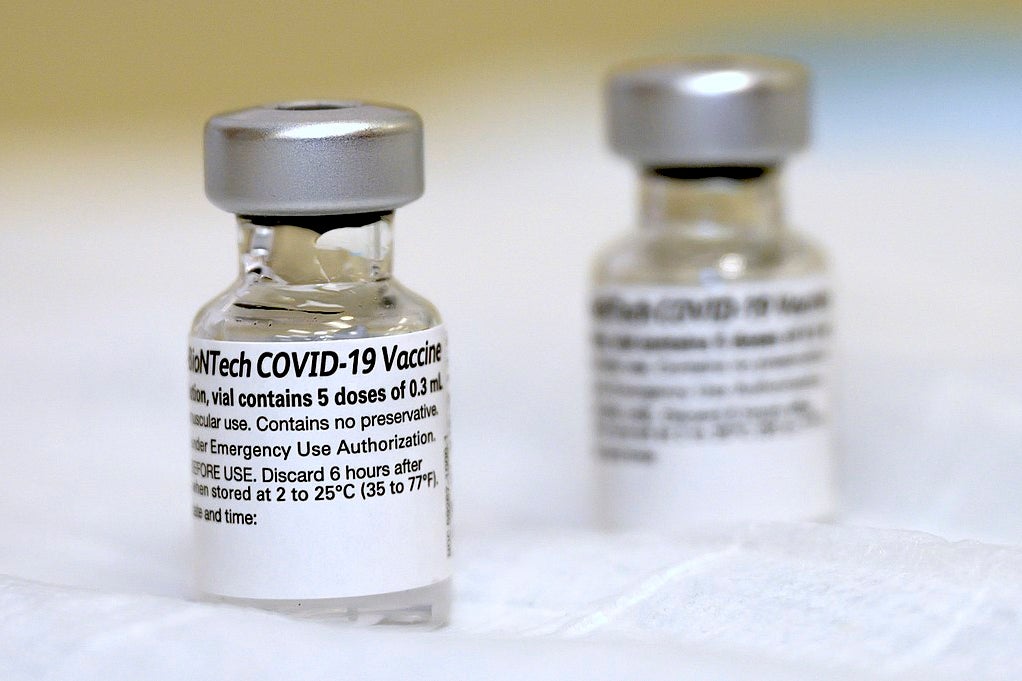
Gilead's HIV Prevention Drug Filing Accepted by FDA

- FDA Filing Accepted: Gilead Sciences announced that the FDA has accepted its supplemental new drug application for the weekly oral HIV prevention drug Yeztugo, with a target action date of February 2, 2027, which will provide a more convenient prevention option for high-risk populations and further solidify its leadership in the HIV market.
- Clinical Data Support: The application for Yeztugo is backed by data from the PURPOSE 1 and PURPOSE 2 studies, demonstrating the strong efficacy of lenacapavir across diverse populations, successfully addressing the needs of different patients and potentially increasing Gilead's market share in HIV prevention.
- Sales Forecast Increase: Gilead has raised its 2026 sales forecast for Yeztugo to $1 billion, indicating confidence in the drug's market acceptance and sales potential, with expectations for it to achieve blockbuster status in its first full year post-launch.
- Collaborative Research Progress: Positive results from Gilead's collaboration with Merck in the ISLEND-1 and ISLEND-2 studies support the potential of a new once-weekly oral single-tablet treatment regimen, further advancing Gilead's HIV treatment pipeline and enhancing its competitive position in the market.
See More
Biotech IPO Market Reopens Amid M&A Surge

- Market Recovery: The IPO window for biotech companies has reopened, although investors are more selective, with JPMorgan analysts noting that high-quality firms are more likely to be acquired by Big Pharma rather than going public, indicating increased market competition.
- Dual-Track Strategy: Many biotech firms are simultaneously preparing for IPOs while engaging with potential acquirers, which allows them to be acquired by large pharmaceutical companies before reaching public markets, highlighting strong demand for quality assets.
- Increased Deal Sizes: In 2025, the value of biopharma deals has significantly increased, with JPMorgan reporting six transactions valued between $5 billion and $15 billion already this year, suggesting that this year's deal volume could surpass last year's.
- Rise of Chinese Market: Chinese biotech companies are emerging as a significant force in the global market, with EY noting that they are becoming a genuine alternative to U.S. and European biotech hubs, reflecting accelerated innovation and capital flows.
See More
First Oral Carbapenem Antibiotic Approved in the US
- FDA Approval: The US FDA has approved Utebzi, the first oral carbapenem antibiotic for treating complicated urinary tract infections (cUTIs), marking a new treatment option that is expected to improve patient quality of life and reduce reliance on intravenous therapy.
- Clinical Trial Success: The PIVOT-PO trial demonstrated that Utebzi's efficacy is comparable to intravenous imipenem-cilastatin, with success rates of 58.5% and 60.2% respectively, providing patients with an effective oral alternative that may decrease hospital resource utilization.
- Significant Market Demand: With over 3 million cUTI cases annually in the US and up to 34% of patients facing resistant infections, the introduction of Utebzi is poised to alleviate this healthcare burden and reduce the over $6 billion in associated healthcare costs each year.
- Strategic Partnership Outcome: This approval is a result of the collaboration between GSK and Spero Therapeutics, which will facilitate the market launch of Utebzi, anticipated to be available to US patients by the end of 2026, further enhancing GSK's competitive position in the anti-infectives sector.
See More
First Oral Carbapenem Antibiotic Approved in the US
- FDA Approval Milestone: The FDA has approved Utebzi, the first oral carbapenem antibiotic developed by Spero Therapeutics in collaboration with GSK for treating complicated urinary tract infections, expected to be available to patients by the end of 2026, marking a significant advancement in antibiotic therapy.
- Successful Clinical Trials: The PIVOT-PO phase III trial demonstrated that oral 600mg Tebipenem pivoxil is non-inferior to intravenous 500mg Imipenem-cilastatin in treating complicated urinary tract infections, with success rates of 58.5% and 60.2% respectively, providing patients with a new treatment option.
- High Market Demand: With over 3 million cases of complicated urinary tract infections annually in the US and approximately 34% of patients facing resistant infections, the introduction of Utebzi is expected to significantly reduce hospital resource utilization, improve patient quality of life, and alleviate the burden on the healthcare system.
- Strategic Collaboration Outcome: This approval reflects the successful partnership between GSK and Spero Therapeutics, both committed to developing novel antibiotics to combat the growing issue of antibiotic resistance, driving innovation in the healthcare sector.
See More
First Oral Carbapenem Antibiotic Approved in the US
- FDA Approval: The US FDA has approved Utebzi, the first oral carbapenem antibiotic developed by Spero Therapeutics and GSK for treating complicated urinary tract infections, marking a significant advancement in antibiotic treatment options and expected to enhance patient care.
- Clinical Trial Results: The PIVOT-PO trial demonstrated non-inferiority of oral Tebipenem pivoxil compared to intravenous Imipenem-cilastatin in treating complicated UTIs, with success rates of 58.5% and 60.2% respectively, providing a new therapeutic alternative for patients.
- Significant Market Demand: With over 3 million cases of complicated UTIs annually in the US and approximately 34% of patients facing treatment failure, the introduction of Utebzi is anticipated to significantly reduce hospital resource utilization and alleviate healthcare costs, potentially saving over $6 billion per year.
- Strategic Collaboration Outcome: This approval reflects the successful partnership between GSK and Spero Therapeutics, which not only advanced the development of this new drug but also addresses the urgent need for new treatment options in the face of rising antibiotic resistance globally.
See More
GSK and Spero's Utebzi Approved by FDA for UTIs
- Drug Approval: The US FDA has approved Utebzi (tebipenem pivoxil), developed by GSK and Spero Therapeutics, marking it as the first oral carbapenem therapy for complicated urinary tract infections, representing a significant breakthrough in treatment options.
- Clinical Trial Results: A double-blind, randomized non-inferiority trial involving approximately 1,700 hospitalized patients demonstrated that the oral administration of Utebzi 600 mg every six hours is as effective as the intravenous imipenem-cilastatin 500 mg every six hours, further validating its clinical application potential.
- Exclusive License: GSK has secured an exclusive license for Utebzi in all markets except Japan and certain parts of Asia, which strategically positions GSK to expand its market share in the global anti-infective drug sector.
- Market Outlook: With the launch of Utebzi, GSK's competitiveness in the treatment of complicated urinary tract infections is expected to significantly enhance, likely driving future revenue growth and strengthening its leadership position in the anti-infective drug market.
See More
Gilead's HIV Prevention Drug Filing Accepted by FDA
- FDA Filing Accepted: Gilead Sciences announced that the FDA has accepted its supplemental new drug application for the weekly oral HIV prevention drug Yeztugo, with a target action date of February 2, 2027, which will provide a more convenient prevention option for high-risk populations and further solidify its leadership in the HIV market.
- Clinical Data Support: The application for Yeztugo is backed by data from the PURPOSE 1 and PURPOSE 2 studies, demonstrating the strong efficacy of lenacapavir across diverse populations, successfully addressing the needs of different patients and potentially increasing Gilead's market share in HIV prevention.
- Sales Forecast Increase: Gilead has raised its 2026 sales forecast for Yeztugo to $1 billion, indicating confidence in the drug's market acceptance and sales potential, with expectations for it to achieve blockbuster status in its first full year post-launch.
- Collaborative Research Progress: Positive results from Gilead's collaboration with Merck in the ISLEND-1 and ISLEND-2 studies support the potential of a new once-weekly oral single-tablet treatment regimen, further advancing Gilead's HIV treatment pipeline and enhancing its competitive position in the market.
See More
Biotech IPO Market Reopens Amid M&A Surge
- Market Recovery: The IPO window for biotech companies has reopened, although investors are more selective, with JPMorgan analysts noting that high-quality firms are more likely to be acquired by Big Pharma rather than going public, indicating increased market competition.
- Dual-Track Strategy: Many biotech firms are simultaneously preparing for IPOs while engaging with potential acquirers, which allows them to be acquired by large pharmaceutical companies before reaching public markets, highlighting strong demand for quality assets.
- Increased Deal Sizes: In 2025, the value of biopharma deals has significantly increased, with JPMorgan reporting six transactions valued between $5 billion and $15 billion already this year, suggesting that this year's deal volume could surpass last year's.
- Rise of Chinese Market: Chinese biotech companies are emerging as a significant force in the global market, with EY noting that they are becoming a genuine alternative to U.S. and European biotech hubs, reflecting accelerated innovation and capital flows.
See More