

Green Thumb's DEA Registration: A Historic Move
Written by Emily J. Thompson, Senior Investment Analyst
Updated: May 14 2026
0mins

Source: Fool
- Industry Transformation Opportunity: The DEA's rescheduling of marijuana to Schedule III on April 23, 2026, signifies a shift in perception, categorizing it as having 'moderate to low potential for physical and psychological dependence,' laying the groundwork for the normalization of the medical cannabis industry.
- Strategic Move by Green Thumb: On May 4, 2026, Green Thumb Industries submitted applications to register its state-licensed medical cannabis operations, with CEO Ben Kovler stating that this step will shape the future of medical cannabis in America.
- Investor Confidence Boost: Kovler noted during the quarterly conference call that the DEA registration is expected to attract a significant influx of institutional investors, which could drive Green Thumb's stock price higher and reinforce its position as a leading multistate cannabis operator.
- Research Collaboration Potential: The rescheduling of cannabis may lead to research partnerships with biotech and pharmaceutical companies, enhancing industry development and strengthening Green Thumb's competitive edge in the market.
Trade with 70% Backtested Accuracy
Stop guessing "Should I Buy NDAQ?" and start using high-conviction signals backed by rigorous historical data.
Sign up today to access powerful investing tools and make smarter, data-driven decisions.
Analyst Views on NDAQ
Wall Street analysts forecast NDAQ stock price to rise
10 Analyst Rating
9 Buy
1 Hold
0 Sell
Strong Buy
Current: 84.470

Low
101.00
Averages
111.50
High
123.00
Current: 84.470
Low
101.00
Averages
111.50
High
123.00
About NDAQ
Nasdaq, Inc. is a global technology company serving corporate clients, investment managers, banks, brokers, and exchange operators as they navigate and interact with the global capital markets and the broader financial system. The Company manages, operates and provides its products and services in three business segments: Capital Access Platforms, Financial Technology and Market Services. Its Capital Access Platforms segment comprises Data & Listing Services, Index and Workflow & Insights. The Financial Technology segment comprises Financial Crime Management Technology, Regulatory Technology and Capital Markets Technology businesses. Its Market Services segment includes its equity derivative trading and clearing, cash equity trading, fixed income, currency and commodities trading. It operates over 19 exchanges across several asset classes, including derivatives, commodities, cash equity, debt, structured products and exchange-traded products (ETPs).
About the author

Emily J. Thompson
Emily J. Thompson, a Chartered Financial Analyst (CFA) with 12 years in investment research, graduated with honors from the Wharton School. Specializing in industrial and technology stocks, she provides in-depth analysis for Intellectia’s earnings and market brief reports.

Nasdaq Celebrates 250 Years of American Independence with Trump Accounts Launch

- Launch of Trump Accounts: Nasdaq rang the opening bell at the White House, marking the first trading day for Trump Accounts, which provides a one-time $1,000 seed contribution for children born between 2025 and 2028, aimed at fostering long-term investment awareness and economic participation among children.
- Government Support and Matching: The U.S. Department of the Treasury offers a $1,000 seed contribution for eligible children, while Nasdaq will match this contribution for newborns of its employees, providing a total of $2,000 to kickstart their investment journey, thereby enhancing employee financial wellness and literacy.
- Annual Contribution Opportunities: The program allows any child under 18 to receive up to $5,000 annually from family, friends, and employers, further expanding investment opportunities for children and promoting financial participation and social responsibility within families.
- Commitment to Long-term Economic Participation: The launch of Trump Accounts not only continues the legacy of American economic leadership but also reflects Nasdaq's strong commitment to the long-term financial wellness and economic participation of every American citizen, aiming to drive economic growth through broad market participation.
See More

SpaceX Rapidly Joins Nasdaq-100 Index


- Nasdaq Fast Entry: SpaceX joined the Nasdaq-100 index on July 7, marking the fastest entry for a newly public company, with an estimated $4.3 billion in passive buying expected to significantly enhance its market liquidity and investor interest.
- Rule-Driven Acceleration: Nasdaq's new fast-entry rule allows companies ranking in the top 40 by market value to be reviewed on their seventh trading day, providing a quicker pathway for future IPOs and potentially attracting more investor attention.
- OpenAI and Anthropic Outlook: Both OpenAI and Anthropic are considering going public, with OpenAI targeting a valuation close to $1 trillion; despite not being profitable until 2030, its 900 million users and $2 billion monthly revenue indicate strong market potential.
- S&P 500 Inclusion Challenges: While newly public companies can quickly enter some indexes, inclusion in the S&P 500 requires at least 12 months of trading history and profitability tests, posing challenges for OpenAI and Anthropic's post-IPO performance.
See More

SpaceX's Rapid Nasdaq-100 Inclusion Sets New Mega IPO Benchmark
- Rapid Index Inclusion: SpaceX officially joined the Nasdaq-100 on July 7, becoming a company listed for less than a month, which is expected to trigger approximately $4.3 billion in passive buying, highlighting its strong market appeal.
- AI Company Potential: If OpenAI and Anthropic go public at valuations close to expectations, they could quickly enter index funds, especially under Nasdaq's new fast-entry rules, further fueling investment interest in the AI sector.
- Profitability Challenges: Despite OpenAI's impressive scale with over 900 million weekly users and $2 billion in monthly revenue, it is not expected to be profitable until 2030, which may increase valuation risks and affect investor confidence.
- Regulatory Risks: OpenAI is considering giving a 5% stake to the U.S. government, while Anthropic had to disable access to certain models due to government restrictions, and these regulatory challenges could impact IPO timing and subsequent market performance.
See More
Pitanium Limited Set for Nasdaq Delisting

- Delisting Notification: Nasdaq has informed Pitanium Limited that its securities will be delisted on July 16, 2026, unless the company appeals to a Listing Qualifications Hearings Panel, indicating severe compliance issues that could undermine investor confidence.
- Trading Suspension: Trading of Pitanium's ordinary shares has been suspended by the SEC since October 18, 2025, leading to decreased liquidity and preventing investors from trading its stock, which exacerbates market concerns about the company's future.
- Compliance Issues: Nasdaq's decision to delist under IM-5101-4 highlights significant deficiencies in the company's adherence to listing rules, raising doubts about its financial health among investors.
- OTC Market Outlook: Following delisting, Pitanium's securities may trade in the over-the-counter market, which, while providing some liquidity, typically carries higher risks and uncertainties, potentially further damaging its market reputation.
See More

Trump Accounts Launch Expected to Boost Stock Market by $20 Billion

- Launch of Trump Accounts: President Trump rang the opening bell for the launch of 'Trump Accounts' at the White House, with over six million children signed up, expected to inject nearly $20 billion into the U.S. stock market, significantly enhancing market activity and attracting more investor attention.
- Tech Stock Rebound: The Dow Jones Industrial Average surpassed 53,000 for the first time, while the Nasdaq Composite rose over 1%, with semiconductor stocks staging a notable rebound after last week's slump, indicating a recovery potential in the tech sector and increased market confidence.
- Hesai Technology Expansion: Despite being deemed a national security threat by the U.S. Defense Department, Hesai continues to collaborate with U.S. companies, notably Nvidia, showcasing its competitive edge in the autonomous driving sector, which may influence future industry dynamics.
- Microsoft Layoff Plan: Microsoft announced a layoff of 4,800 employees, representing over 2% of its workforce, with 3,200 cuts from the Xbox division, aimed at reducing costs in response to challenges in the AI era, which could negatively impact the company's short-term performance.
See More
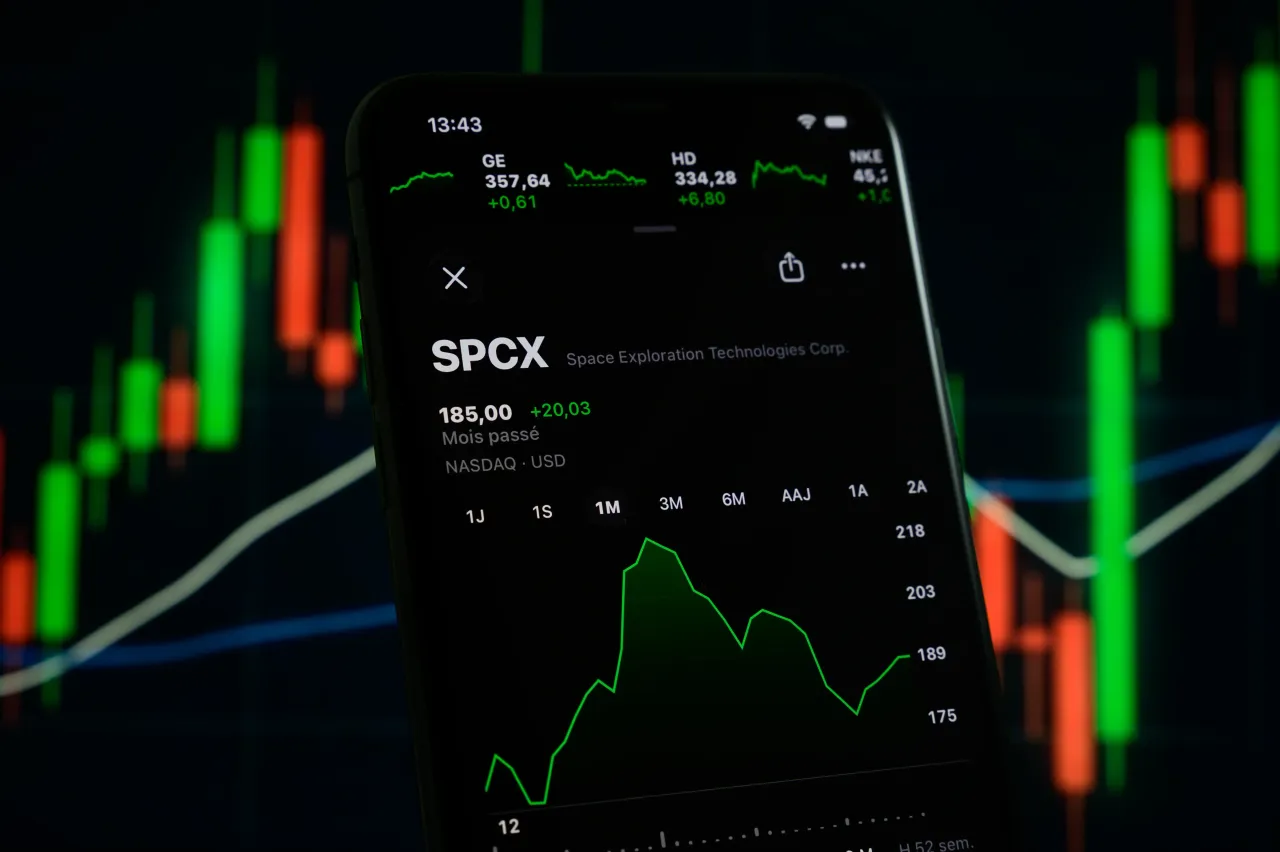
SpaceX IPO Faces Market Pressure and Criticism

- IPO Performance: Following its June 12 IPO, SpaceX is expected to have an index weight of only 1% to 1.3% due to selling less than 5% of its shares publicly, which limits its market influence despite a $2 trillion valuation.
- Lockup Risk: With some insider lockup periods set to expire 70 to 135 days post-IPO, future selling pressure may arise, particularly as CEO Elon Musk's shares are expected to remain locked for about a year, adding uncertainty to the market.
- Valuation Controversy: Investment strategist Jeremy Grantham criticized SpaceX's valuation as the “craziest IPO in the history of man,” arguing that despite its lofty valuation, the company is still losing money, with its long-term prospects heavily reliant on its “third-rate” AI technology.
- Retail Investor Sentiment Shift: Over the past week, retail sentiment for SPCX flipped from ‘extremely bullish’ to ‘bearish,’ with a massive 26,150% surge in message volumes, indicating growing concerns about its future performance.
See More
Nasdaq Celebrates 250 Years of American Independence with Trump Accounts Launch
- Launch of Trump Accounts: Nasdaq rang the opening bell at the White House, marking the first trading day for Trump Accounts, which provides a one-time $1,000 seed contribution for children born between 2025 and 2028, aimed at fostering long-term investment awareness and economic participation among children.
- Government Support and Matching: The U.S. Department of the Treasury offers a $1,000 seed contribution for eligible children, while Nasdaq will match this contribution for newborns of its employees, providing a total of $2,000 to kickstart their investment journey, thereby enhancing employee financial wellness and literacy.
- Annual Contribution Opportunities: The program allows any child under 18 to receive up to $5,000 annually from family, friends, and employers, further expanding investment opportunities for children and promoting financial participation and social responsibility within families.
- Commitment to Long-term Economic Participation: The launch of Trump Accounts not only continues the legacy of American economic leadership but also reflects Nasdaq's strong commitment to the long-term financial wellness and economic participation of every American citizen, aiming to drive economic growth through broad market participation.
See More
SpaceX Rapidly Joins Nasdaq-100 Index
- Nasdaq Fast Entry: SpaceX joined the Nasdaq-100 index on July 7, marking the fastest entry for a newly public company, with an estimated $4.3 billion in passive buying expected to significantly enhance its market liquidity and investor interest.
- Rule-Driven Acceleration: Nasdaq's new fast-entry rule allows companies ranking in the top 40 by market value to be reviewed on their seventh trading day, providing a quicker pathway for future IPOs and potentially attracting more investor attention.
- OpenAI and Anthropic Outlook: Both OpenAI and Anthropic are considering going public, with OpenAI targeting a valuation close to $1 trillion; despite not being profitable until 2030, its 900 million users and $2 billion monthly revenue indicate strong market potential.
- S&P 500 Inclusion Challenges: While newly public companies can quickly enter some indexes, inclusion in the S&P 500 requires at least 12 months of trading history and profitability tests, posing challenges for OpenAI and Anthropic's post-IPO performance.
See More
SpaceX's Rapid Nasdaq-100 Inclusion Sets New Mega IPO Benchmark
- Rapid Index Inclusion: SpaceX officially joined the Nasdaq-100 on July 7, becoming a company listed for less than a month, which is expected to trigger approximately $4.3 billion in passive buying, highlighting its strong market appeal.
- AI Company Potential: If OpenAI and Anthropic go public at valuations close to expectations, they could quickly enter index funds, especially under Nasdaq's new fast-entry rules, further fueling investment interest in the AI sector.
- Profitability Challenges: Despite OpenAI's impressive scale with over 900 million weekly users and $2 billion in monthly revenue, it is not expected to be profitable until 2030, which may increase valuation risks and affect investor confidence.
- Regulatory Risks: OpenAI is considering giving a 5% stake to the U.S. government, while Anthropic had to disable access to certain models due to government restrictions, and these regulatory challenges could impact IPO timing and subsequent market performance.
See More
Pitanium Limited Set for Nasdaq Delisting
- Delisting Notification: Nasdaq has informed Pitanium Limited that its securities will be delisted on July 16, 2026, unless the company appeals to a Listing Qualifications Hearings Panel, indicating severe compliance issues that could undermine investor confidence.
- Trading Suspension: Trading of Pitanium's ordinary shares has been suspended by the SEC since October 18, 2025, leading to decreased liquidity and preventing investors from trading its stock, which exacerbates market concerns about the company's future.
- Compliance Issues: Nasdaq's decision to delist under IM-5101-4 highlights significant deficiencies in the company's adherence to listing rules, raising doubts about its financial health among investors.
- OTC Market Outlook: Following delisting, Pitanium's securities may trade in the over-the-counter market, which, while providing some liquidity, typically carries higher risks and uncertainties, potentially further damaging its market reputation.
See More
Trump Accounts Launch Expected to Boost Stock Market by $20 Billion
- Launch of Trump Accounts: President Trump rang the opening bell for the launch of 'Trump Accounts' at the White House, with over six million children signed up, expected to inject nearly $20 billion into the U.S. stock market, significantly enhancing market activity and attracting more investor attention.
- Tech Stock Rebound: The Dow Jones Industrial Average surpassed 53,000 for the first time, while the Nasdaq Composite rose over 1%, with semiconductor stocks staging a notable rebound after last week's slump, indicating a recovery potential in the tech sector and increased market confidence.
- Hesai Technology Expansion: Despite being deemed a national security threat by the U.S. Defense Department, Hesai continues to collaborate with U.S. companies, notably Nvidia, showcasing its competitive edge in the autonomous driving sector, which may influence future industry dynamics.
- Microsoft Layoff Plan: Microsoft announced a layoff of 4,800 employees, representing over 2% of its workforce, with 3,200 cuts from the Xbox division, aimed at reducing costs in response to challenges in the AI era, which could negatively impact the company's short-term performance.
See More
SpaceX IPO Faces Market Pressure and Criticism
- IPO Performance: Following its June 12 IPO, SpaceX is expected to have an index weight of only 1% to 1.3% due to selling less than 5% of its shares publicly, which limits its market influence despite a $2 trillion valuation.
- Lockup Risk: With some insider lockup periods set to expire 70 to 135 days post-IPO, future selling pressure may arise, particularly as CEO Elon Musk's shares are expected to remain locked for about a year, adding uncertainty to the market.
- Valuation Controversy: Investment strategist Jeremy Grantham criticized SpaceX's valuation as the “craziest IPO in the history of man,” arguing that despite its lofty valuation, the company is still losing money, with its long-term prospects heavily reliant on its “third-rate” AI technology.
- Retail Investor Sentiment Shift: Over the past week, retail sentiment for SPCX flipped from ‘extremely bullish’ to ‘bearish,’ with a massive 26,150% surge in message volumes, indicating growing concerns about its future performance.
See More





