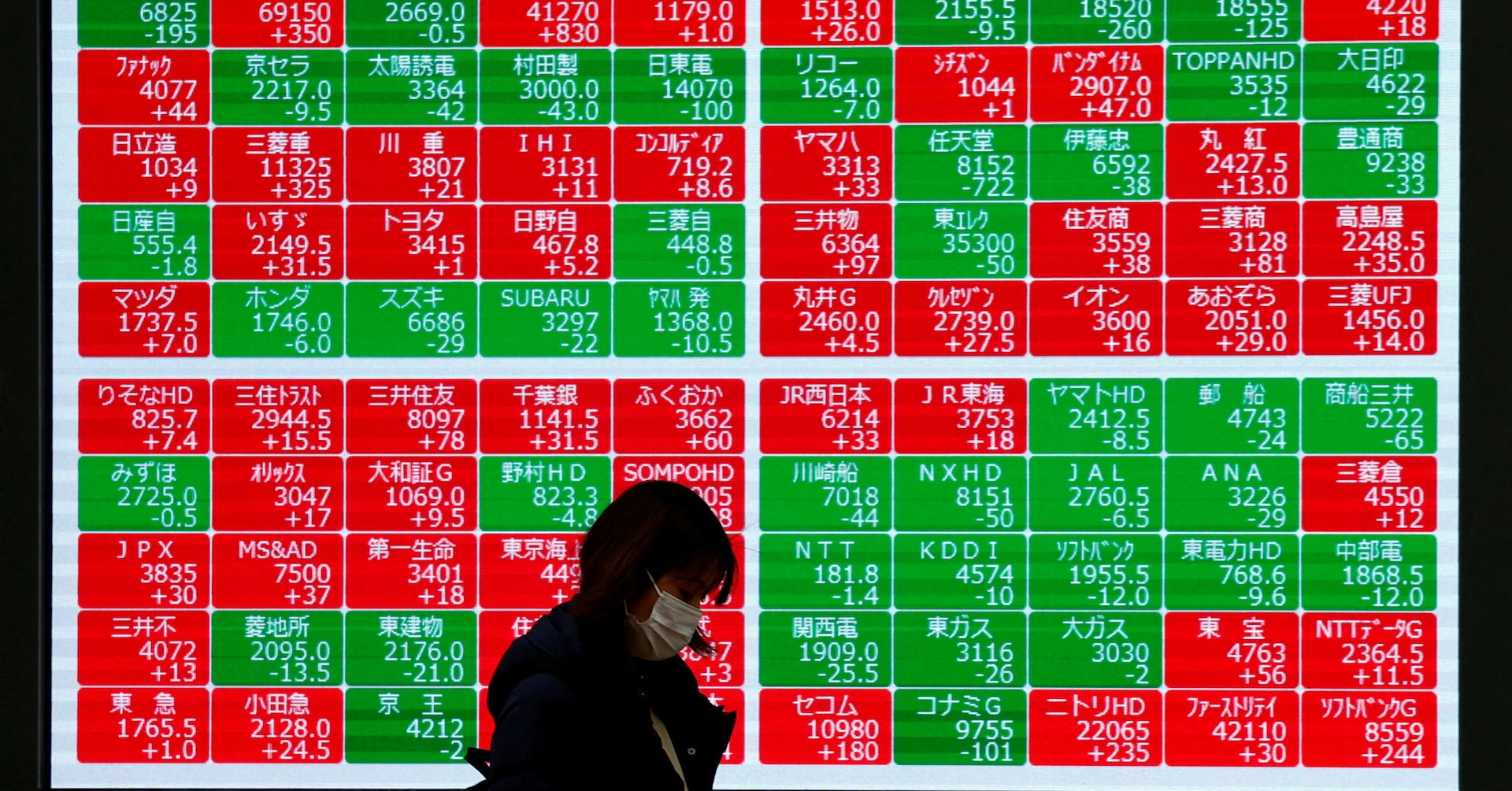
Global Drone Market Enters Rapid Growth Phase Driven by Defense Spending and AI
Written by Emily J. Thompson, Senior Investment Analyst
Updated: Mar 25 2026
0mins
Source: CNBC
- Market Growth Drivers: The global drone market is projected to double from around $20 billion in 2020 to over $40 billion by 2025, reflecting strong demand growth, particularly driven by rising geopolitical tensions that boost defense sector demand.
- Technological Advancements: Advances in artificial intelligence have significantly enhanced drone capabilities, with analysts noting that defense applications have driven nearly half of the recent market growth, especially through low-cost one-way drone swarm deployments.
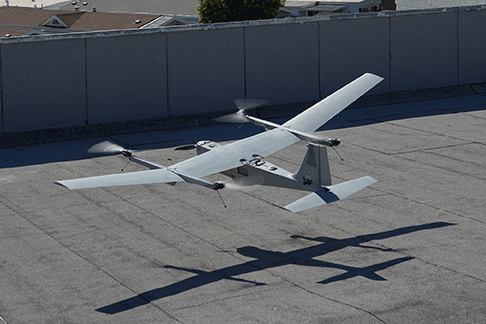
- Accelerated Defense Demand: Analysts expect the Iran war to accelerate production of tactical drones and counter-unmanned aerial systems, with AeroVironment and Kratos identified as the best-positioned stocks in the market, particularly in the one-way attack drone segment.
- Civilian Market Potential: Drone applications in civilian sectors such as agriculture, logistics, and delivery are expected to rise from 55% of the market today to 65% by 2035, highlighting the significant potential for drones to improve efficiency and reduce costs.
Trade with 70% Backtested Accuracy
Stop guessing "Should I Buy AVAV?" and start using high-conviction signals backed by rigorous historical data.
Sign up today to access powerful investing tools and make smarter, data-driven decisions.
Analyst Views on AVAV
Wall Street analysts forecast AVAV stock price to rise
13 Analyst Rating
13 Buy
0 Hold
0 Sell
Strong Buy
Current: 139.000

Low
315.00
Averages
390.75
High
450.00
Current: 139.000
Low
315.00
Averages
390.75
High
450.00
About AVAV
AeroVironment, Inc. is a defense technology provider delivering integrated capabilities across air, land, sea, space, and cyber. The Company develops and deploys autonomous systems, uncrewed aircraft systems (UAS), precision strike systems, counter-UAS (C-UAS) technologies, space-based platforms, directed energy systems, and cyber and electronic warfare capabilities. Its segments include Autonomous Systems (AxS) and Space, Cyber, and Directed Energy (SCDE). The AxS segment focuses on the design, development, production, delivery, and support of intelligent, multi-domain robotic systems, including UAS, uncrewed underwater vehicles and ground robot systems. It primarily serves organizations within or supplying the U.S. Department of Defense (DoD), other federal agencies, and international allied governments. The SCDE segment focuses on advanced technologies in the space domain providing space-based and ground-based platforms, cyber capabilities, and directed energy systems.
About the author

Emily J. Thompson
Emily J. Thompson, a Chartered Financial Analyst (CFA) with 12 years in investment research, graduated with honors from the Wharton School. Specializing in industrial and technology stocks, she provides in-depth analysis for Intellectia’s earnings and market brief reports.
AeroVironment Reports Strong Earnings, Stock Surges

- Revenue Surge: AeroVironment's fiscal Q4 revenue soared 133% year-over-year to $641.6 million, primarily driven by acquisitions of BlueHalo and Empirical Systems Aerospace, which collectively added $282.3 million in sales, indicating strong growth potential in the drone market.
- Strong Autonomous Systems Performance: The company's autonomous systems division saw a 79% revenue increase to $492.4 million, reflecting heightened global demand for drones due to their effectiveness in conflicts in Ukraine and the Middle East, further solidifying AeroVironment's market position in critical technology areas.
- Significant EBITDA Growth: AeroVironment's EBITDA increased by 127% to $140.1 million, marking the strongest financial performance in its history, which enhances its capacity for future investments and expansions.
- Robust Order Backlog: As of April 30, the company's order backlog stood at $1.2 billion, a 65% year-over-year increase, with management projecting fiscal 2027 revenue of approximately $2.2 billion and adjusted earnings per share between $3.02 and $3.34, demonstrating confidence in future growth.
See More

AeroVironment Faces Class Action Lawsuit Notification
- Lawsuit Background: Kahn Swick & Foti LLC has notified investors that AeroVironment, Inc. is facing a class action lawsuit aimed at recovering losses for investors who purchased the company's securities between June 25, 2025, and March 10, 2026.
- Legal Allegations: The lawsuit alleges that AeroVironment and its executives failed to disclose material information during the class period, violating federal securities laws, particularly underestimating competition risks related to the U.S. Space Force's Satellite Communication Augmentation Resource program.
- Impact of Misstatements: The defendants overstated AeroVironment's business and financial prospects, resulting in materially false and misleading public statements throughout the relevant period, which could lead to significant losses for investors.
- Investor Action Recommendation: Affected investors have until July 27, 2026, to request to be appointed as lead plaintiff, although participation in any recovery does not require serving as lead plaintiff, providing a potential legal remedy for investors.
See More

AeroVironment Class Action Lawsuit Notice
- Class Action Deadline: Purchasers of AeroVironment, Inc. securities are reminded that the lead plaintiff deadline is July 27, 2026, covering the period from June 25, 2025, to March 10, 2026, after which they may lose their right to claim.
- Transparent Fee Structure: Investors joining the class action will incur no out-of-pocket costs, as attorney fees will be covered through a contingency fee arrangement, thereby reducing financial barriers and encouraging more victims to participate in the lawsuit.
- Lawsuit Background: The lawsuit alleges that AeroVironment failed to disclose competitive risks associated with its work for the U.S. Space Force, leading to an overestimation of the company's financial prospects, which may have resulted in investor losses when the truth emerged.
- Law Firm Credentials: The Rosen Law Firm is renowned for its successful track record in securities class actions, having recovered over $438 million for investors in 2019 alone, highlighting its strength and experience in handling similar cases, prompting investors to carefully select legal counsel to protect their interests.
See More

AeroVironment Reports Strong Earnings, Shares Surge 19.07%
- Significant Revenue Growth: AeroVironment's revenue surged 133% year-over-year to $641.6 million in Q4 FY2023, primarily driven by acquisitions of BlueHalo and Empirical Systems Aerospace, which contributed $282.3 million in sales, highlighting the company's robust performance in the drone market.
- Strong Autonomous Systems Performance: The autonomous systems division saw a revenue increase of 79%, reaching $492.4 million, reflecting the effective alignment of the company's investments in critical technology areas with market demand, further solidifying its market position.
- Future Growth Potential: With rising global demand for drones, particularly as the U.S. military plans to spend $75 billion on drones and related technologies by 2027, AeroVironment's backlog of orders reached $1.2 billion, a 65% year-over-year increase, laying a solid foundation for future performance growth.
- Transformational Financial Performance: The company's EBITDA rose 127% to $140.1 million, with CEO Wahid Nawabi stating that FY2026 marked a pivotal year for transformation, projecting FY2027 revenue of approximately $2.2 billion and adjusted EPS between $3.02 and $3.34, demonstrating strong long-term shareholder value creation potential.
See More

U.S. Stocks Surge with Tech Sector Leading Gains


- Strong Quarterly Performance: The S&P 500 rose 0.8% and the Nasdaq 100 jumped 1.7%, marking their best quarterly performances since 2020, which indicates strong investor confidence in tech stocks and may attract further investments.
- Semiconductor Sector Highlights: The Philadelphia Semiconductor Index recorded its best quarter ever, with the VanEck Semiconductor ETF climbing 3.7% and a year-to-date gain of 82%, reflecting ongoing market focus on AI capital expenditures and driving stock prices of related companies higher.
- Stablecoin Collaboration: Visa, Stripe, and Bank of New York Mellon are among several financial firms joining forces to launch a stablecoin, signaling further consolidation in the fintech sector that could reshape the payments landscape and enhance these companies' competitive positions.
- Divergent Investor Sentiment: While retail sentiment for SPY and DIA was bearish, QQQ sentiment was bullish, indicating differing market perceptions that could influence future investment decisions and market trends.
See More

U.S. Stocks Close Higher, Led by Tech Sector Gains


- Tech Sector Rally: Driven by investor anticipation of a strong upcoming earnings season, technology stocks, particularly chipmakers, propelled the Nasdaq 100 index up 1.68%, reaching a one-week high, reflecting optimism surrounding the AI investment boom.
- Labor Market Resilience: The May JOLTS job openings unexpectedly rose by 9,000 to a two-year high of 7.594 million, surpassing expectations of 7.296 million, indicating a robust U.S. labor market that could influence Federal Reserve policy decisions.
- Positive Global Economic Signals: China's June manufacturing PMI increased to 50.3, exceeding expectations of 50.1, suggesting potential for global economic recovery and bolstering market confidence in future growth prospects.
- Oil Price Volatility and Geopolitics: WTI crude oil prices fell over 1% amid escalating tensions in the Middle East, with markets closely monitoring U.S.-Iran negotiations, as energy supply levels return to pre-war norms, potentially impacting future oil price trends.
See More
AeroVironment Reports Strong Earnings, Stock Surges
- Revenue Surge: AeroVironment's fiscal Q4 revenue soared 133% year-over-year to $641.6 million, primarily driven by acquisitions of BlueHalo and Empirical Systems Aerospace, which collectively added $282.3 million in sales, indicating strong growth potential in the drone market.
- Strong Autonomous Systems Performance: The company's autonomous systems division saw a 79% revenue increase to $492.4 million, reflecting heightened global demand for drones due to their effectiveness in conflicts in Ukraine and the Middle East, further solidifying AeroVironment's market position in critical technology areas.
- Significant EBITDA Growth: AeroVironment's EBITDA increased by 127% to $140.1 million, marking the strongest financial performance in its history, which enhances its capacity for future investments and expansions.
- Robust Order Backlog: As of April 30, the company's order backlog stood at $1.2 billion, a 65% year-over-year increase, with management projecting fiscal 2027 revenue of approximately $2.2 billion and adjusted earnings per share between $3.02 and $3.34, demonstrating confidence in future growth.
See More
AeroVironment Faces Class Action Lawsuit Notification
- Lawsuit Background: Kahn Swick & Foti LLC has notified investors that AeroVironment, Inc. is facing a class action lawsuit aimed at recovering losses for investors who purchased the company's securities between June 25, 2025, and March 10, 2026.
- Legal Allegations: The lawsuit alleges that AeroVironment and its executives failed to disclose material information during the class period, violating federal securities laws, particularly underestimating competition risks related to the U.S. Space Force's Satellite Communication Augmentation Resource program.
- Impact of Misstatements: The defendants overstated AeroVironment's business and financial prospects, resulting in materially false and misleading public statements throughout the relevant period, which could lead to significant losses for investors.
- Investor Action Recommendation: Affected investors have until July 27, 2026, to request to be appointed as lead plaintiff, although participation in any recovery does not require serving as lead plaintiff, providing a potential legal remedy for investors.
See More
AeroVironment Class Action Lawsuit Notice
- Class Action Deadline: Purchasers of AeroVironment, Inc. securities are reminded that the lead plaintiff deadline is July 27, 2026, covering the period from June 25, 2025, to March 10, 2026, after which they may lose their right to claim.
- Transparent Fee Structure: Investors joining the class action will incur no out-of-pocket costs, as attorney fees will be covered through a contingency fee arrangement, thereby reducing financial barriers and encouraging more victims to participate in the lawsuit.
- Lawsuit Background: The lawsuit alleges that AeroVironment failed to disclose competitive risks associated with its work for the U.S. Space Force, leading to an overestimation of the company's financial prospects, which may have resulted in investor losses when the truth emerged.
- Law Firm Credentials: The Rosen Law Firm is renowned for its successful track record in securities class actions, having recovered over $438 million for investors in 2019 alone, highlighting its strength and experience in handling similar cases, prompting investors to carefully select legal counsel to protect their interests.
See More
AeroVironment Reports Strong Earnings, Shares Surge 19.07%
- Significant Revenue Growth: AeroVironment's revenue surged 133% year-over-year to $641.6 million in Q4 FY2023, primarily driven by acquisitions of BlueHalo and Empirical Systems Aerospace, which contributed $282.3 million in sales, highlighting the company's robust performance in the drone market.
- Strong Autonomous Systems Performance: The autonomous systems division saw a revenue increase of 79%, reaching $492.4 million, reflecting the effective alignment of the company's investments in critical technology areas with market demand, further solidifying its market position.
- Future Growth Potential: With rising global demand for drones, particularly as the U.S. military plans to spend $75 billion on drones and related technologies by 2027, AeroVironment's backlog of orders reached $1.2 billion, a 65% year-over-year increase, laying a solid foundation for future performance growth.
- Transformational Financial Performance: The company's EBITDA rose 127% to $140.1 million, with CEO Wahid Nawabi stating that FY2026 marked a pivotal year for transformation, projecting FY2027 revenue of approximately $2.2 billion and adjusted EPS between $3.02 and $3.34, demonstrating strong long-term shareholder value creation potential.
See More
U.S. Stocks Surge with Tech Sector Leading Gains
- Strong Quarterly Performance: The S&P 500 rose 0.8% and the Nasdaq 100 jumped 1.7%, marking their best quarterly performances since 2020, which indicates strong investor confidence in tech stocks and may attract further investments.
- Semiconductor Sector Highlights: The Philadelphia Semiconductor Index recorded its best quarter ever, with the VanEck Semiconductor ETF climbing 3.7% and a year-to-date gain of 82%, reflecting ongoing market focus on AI capital expenditures and driving stock prices of related companies higher.
- Stablecoin Collaboration: Visa, Stripe, and Bank of New York Mellon are among several financial firms joining forces to launch a stablecoin, signaling further consolidation in the fintech sector that could reshape the payments landscape and enhance these companies' competitive positions.
- Divergent Investor Sentiment: While retail sentiment for SPY and DIA was bearish, QQQ sentiment was bullish, indicating differing market perceptions that could influence future investment decisions and market trends.
See More
U.S. Stocks Close Higher, Led by Tech Sector Gains
- Tech Sector Rally: Driven by investor anticipation of a strong upcoming earnings season, technology stocks, particularly chipmakers, propelled the Nasdaq 100 index up 1.68%, reaching a one-week high, reflecting optimism surrounding the AI investment boom.
- Labor Market Resilience: The May JOLTS job openings unexpectedly rose by 9,000 to a two-year high of 7.594 million, surpassing expectations of 7.296 million, indicating a robust U.S. labor market that could influence Federal Reserve policy decisions.
- Positive Global Economic Signals: China's June manufacturing PMI increased to 50.3, exceeding expectations of 50.1, suggesting potential for global economic recovery and bolstering market confidence in future growth prospects.
- Oil Price Volatility and Geopolitics: WTI crude oil prices fell over 1% amid escalating tensions in the Middle East, with markets closely monitoring U.S.-Iran negotiations, as energy supply levels return to pre-war norms, potentially impacting future oil price trends.
See More