Gillette India Reports 21.3% Q4 Profit Increase Driven by Grooming Demand
Written by Emily J. Thompson, Senior Investment Analyst
Updated: 2 days ago
0mins
Source: Newsfilter
- Significant Profit Growth: Gillette India reported a profit of 1.93 billion rupees ($20.16 million) in Q4, marking a 21.3% increase from 1.59 billion rupees a year ago, indicating strong performance and enhanced profitability in the market.
- Cost Reduction Benefits: The company benefited from lower costs, allowing it to improve profit margins while maintaining product quality, thereby strengthening its position in the highly competitive personal care market.
- Strong Market Demand: Increased consumer demand for grooming products led to a notable rise in sales for Gillette India, reflecting market recognition and trust in its offerings, which further propelled the company's performance.
- Stock Price Surge: Following the positive earnings report, Gillette India's shares reached a three-month high, demonstrating investor confidence and optimistic expectations regarding the company's future growth prospects.
Trade with 70% Backtested Accuracy
Stop guessing "Should I Buy PG?" and start using high-conviction signals backed by rigorous historical data.
Sign up today to access powerful investing tools and make smarter, data-driven decisions.
Analyst Views on PG
Wall Street analysts forecast PG stock price to rise
17 Analyst Rating
10 Buy
7 Hold
0 Sell
Moderate Buy
Current: 145.910

Low
150.00
Averages
164.50
High
180.00
Current: 145.910
Low
150.00
Averages
164.50
High
180.00
About PG
The Procter & Gamble Company is focused on providing branded consumer packaged goods to consumers across the world. The Company’s segments include Beauty, Grooming, Health Care, Fabric & Home Care and Baby, Feminine & Family Care. The Company’s products are sold in approximately 180 countries and territories primarily through mass merchandisers, e-commerce, including social commerce channels, grocery stores, membership club stores, drug stores, department stores, distributors, wholesalers, specialty beauty stores, including airport duty-free stores), high-frequency stores, pharmacies, electronics stores and professional channels. It also sells direct to individual consumers. It has operations in approximately 70 countries. It offers products under brands, such as Head & Shoulders, Herbal Essences, Pantene, Rejoice, Olay, Old Spice, Safeguard, Secret, SK-II, Braun, Gillette, Venus, Crest, Oral-B, Ariel, Downy, Gain, Tide, Always, Always Discreet, Tampax, Bounty and others.
About the author

Emily J. Thompson
Emily J. Thompson, a Chartered Financial Analyst (CFA) with 12 years in investment research, graduated with honors from the Wharton School. Specializing in industrial and technology stocks, she provides in-depth analysis for Intellectia’s earnings and market brief reports.

Gillette India Reports 21.3% Q4 Profit Increase Driven by Grooming Demand
- Significant Profit Growth: Gillette India reported a profit of 1.93 billion rupees ($20.16 million) in Q4, marking a 21.3% increase from 1.59 billion rupees a year ago, indicating strong performance and enhanced profitability in the market.
- Cost Reduction Benefits: The company benefited from lower costs, allowing it to improve profit margins while maintaining product quality, thereby strengthening its position in the highly competitive personal care market.
- Strong Market Demand: Increased consumer demand for grooming products led to a notable rise in sales for Gillette India, reflecting market recognition and trust in its offerings, which further propelled the company's performance.
- Stock Price Surge: Following the positive earnings report, Gillette India's shares reached a three-month high, demonstrating investor confidence and optimistic expectations regarding the company's future growth prospects.
See More

Analysis of High-Yield Dividend ETF Investments


- Overview of High-Yield ETFs: The Vanguard High Dividend Yield ETF (VYM) includes 608 stocks with a current dividend yield of 2.24%, and while it has underperformed the S&P 500 over the past five years, it has outperformed it in 2026, indicating its potential for providing steady income during volatile periods.
- Portfolio Diversification: VYM's largest sector is financials (20.2%), followed by technology (14.8%) and industrials (14.2%), allowing investors to diversify risks across different economic sectors and reduce reliance on a single industry.
- Schwab Dividend ETF Performance: The Schwab U.S. Dividend Equity ETF (SCHD) holds 103 stocks with a dividend yield of 3.29%, and although its long-term performance has lagged behind VYM and the S&P 500, it has shown strong performance in 2026 with a year-to-date total return of about 17.8%.
- Considerations for ETF Selection: When choosing between VYM and SCHD, investors should consider diversification and safety, as VYM offers greater diversification with 608 stocks, while SCHD is more attractive in terms of dividend yield, making it suitable for those seeking stable income.
See More

Vanguard High Dividend ETF Underperforms S&P 500
- Long-Term Performance: The Vanguard High Dividend Yield ETF has an annualized return of 11.9% over the past five years, and while it has shown strong performance in 2026, it still lags behind the S&P 500, indicating relative weakness in market volatility.
- Expense Ratio Advantage: With an ultra-low expense ratio of 0.04% for the Vanguard ETF and 0.06% for the Schwab U.S. Dividend Equity ETF, both funds are competitively positioned for cost-conscious investors seeking steady income.
- Portfolio Diversification: The Vanguard ETF holds 608 stocks across various sectors, particularly in finance and technology, providing better diversification compared to the Schwab ETF's 103 stocks, thereby reducing single-sector risk.
- Dividend Yield Comparison: The Vanguard ETF offers a dividend yield of 2.24%, while the Schwab ETF provides a higher yield of 3.29%; despite the Schwab ETF's attractiveness in yield, the Vanguard's diversified portfolio may better withstand market fluctuations.
See More
Investment Comparison: Procter & Gamble vs Clorox

- Market Position of Procter & Gamble: In fiscal year 2025, Procter & Gamble reported revenue of $84.3 billion, a slight increase of 0.3%, with a net income of $15.7 billion and a net margin of 19%, showcasing its strong market presence across 180 countries, although its reliance on Walmart poses certain risks.
- Clorox's Financial Performance: Clorox generated $7.1 billion in revenue for the same fiscal year, reflecting a modest growth of 0.2%, with net income reaching $810 million and a net margin of 11.4%, indicating some improvement despite a significant 27% of sales coming from Walmart.
- Risk Analysis: Procter & Gamble faces intense competition from global rivals like Unilever, along with challenges from geopolitical instability and cybersecurity threats, while Clorox is impacted by raw material cost volatility and inflation, which could squeeze its profitability.
- Cash Flow Comparison: Procter & Gamble's adjusted free cash flow for the latest quarter was $3.0 billion, an increase from the previous year, indicating its ability to maintain and potentially raise dividends, whereas Clorox's free cash flow was $761 million, showing growth but still significantly lower than Procter & Gamble, highlighting its cash flow management challenges.
See More

Investment Comparison: Procter & Gamble vs Clorox
- Market Performance Comparison: Procter & Gamble reported $84.3 billion in revenue for fiscal 2025, reflecting a 0.3% increase year-over-year, with a net income of $15.7 billion and a net margin of 19%, showcasing its robust competitive position globally; in contrast, Clorox generated $7.1 billion in revenue, a 0.2% growth, with a net income of $810 million and a net margin of 11.4%, indicating stability in its niche markets.
- Customer Concentration Risk: Procter & Gamble relies on Walmart for approximately 16% of its sales, while Clorox's dependence is even higher at nearly 27%, exposing both companies to risks associated with changes in retail space and pricing terms, which could significantly impact their financial results.
- Free Cash Flow Status: Procter & Gamble's adjusted free cash flow reached $3.0 billion in the latest fiscal quarter, an increase from the previous year's $2.8 billion, indicating strong cash generation capabilities that support dividend maintenance and growth; Clorox, on the other hand, reported free cash flow of $761 million, which, while improved from $483 million in 2024, remains significantly lower than Procter & Gamble's.
- Dividend Yield Analysis: Procter & Gamble offers a dividend yield of 2.9%, while Clorox provides a higher yield of 5.1%; however, Procter & Gamble's superior free cash flow suggests a stronger capacity to sustain and potentially increase dividends over the long term.
See More
Tyson Foods Appoints New CEO Amid Market Challenges

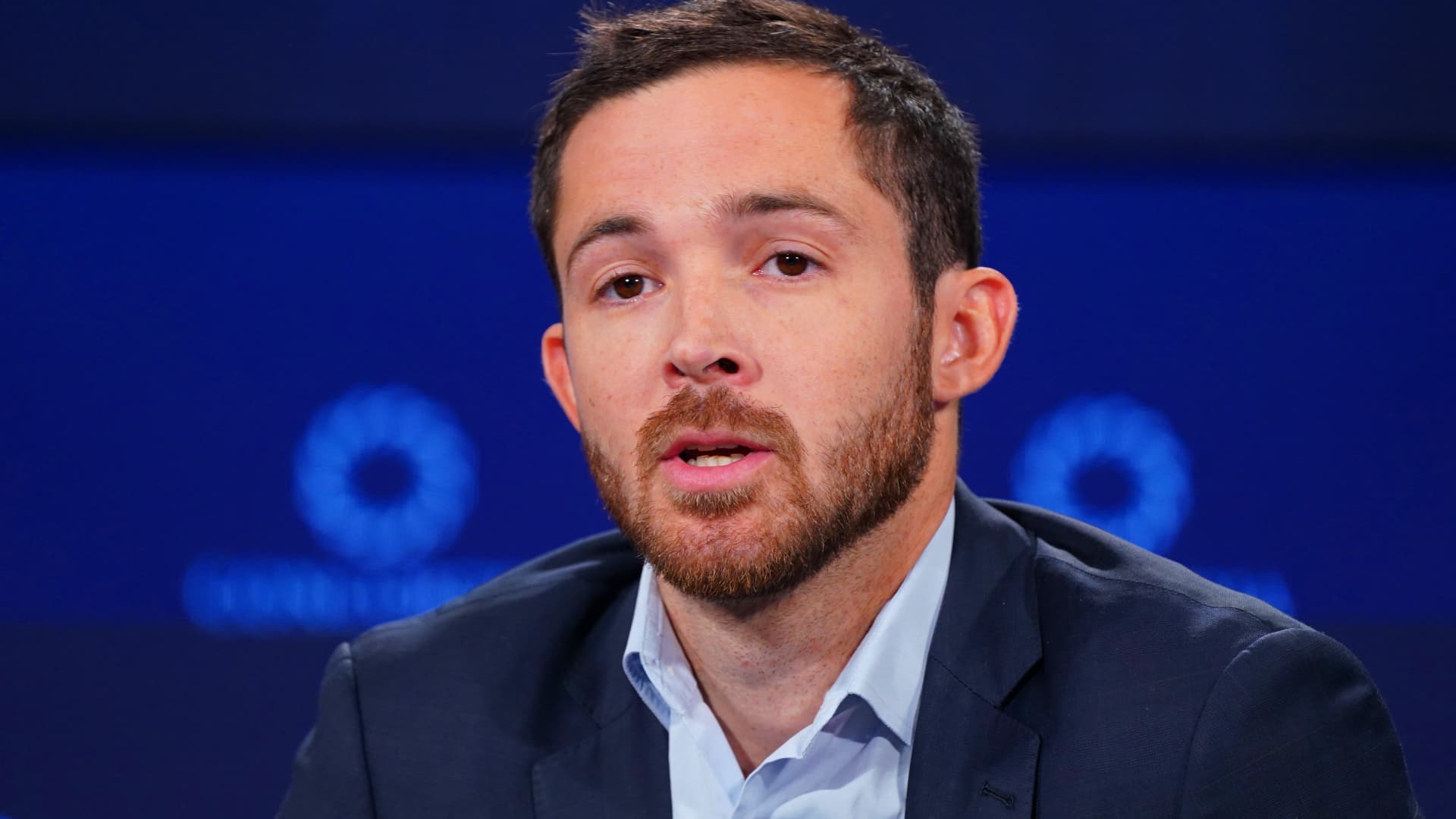
- Executive Transition: Tyson Foods has appointed former Procter & Gamble executive Jeff Schomburger as the new CEO, set to take over from Donnie King in October, bringing extensive management experience from his board role since 2016, which is expected to drive the company's transformation amid market challenges.
- Leadership Change Context: Donnie King, who has been with Tyson for over four decades and served as CEO since 2021, successfully navigated the company through multiple challenges, including the COVID-19 pandemic and recent spikes in beef prices, with Schomburger's appointment anticipated to introduce a fresh strategic perspective.
- Financial Performance Improvement: Tyson Foods reported better-than-expected quarterly earnings earlier this month, driven by rising chicken sales that helped offset a sharp decline in demand for high-priced beef, demonstrating the company's resilience in a volatile market.
- Full-Year Income Forecast Raised: The company has raised its full-year income forecast, reflecting management's confidence in future market conditions, with Schomburger's leadership expected to further enhance this positive trend.
See More
Gillette India Reports 21.3% Q4 Profit Increase Driven by Grooming Demand
- Significant Profit Growth: Gillette India reported a profit of 1.93 billion rupees ($20.16 million) in Q4, marking a 21.3% increase from 1.59 billion rupees a year ago, indicating strong performance and enhanced profitability in the market.
- Cost Reduction Benefits: The company benefited from lower costs, allowing it to improve profit margins while maintaining product quality, thereby strengthening its position in the highly competitive personal care market.
- Strong Market Demand: Increased consumer demand for grooming products led to a notable rise in sales for Gillette India, reflecting market recognition and trust in its offerings, which further propelled the company's performance.
- Stock Price Surge: Following the positive earnings report, Gillette India's shares reached a three-month high, demonstrating investor confidence and optimistic expectations regarding the company's future growth prospects.
See More
Analysis of High-Yield Dividend ETF Investments
- Overview of High-Yield ETFs: The Vanguard High Dividend Yield ETF (VYM) includes 608 stocks with a current dividend yield of 2.24%, and while it has underperformed the S&P 500 over the past five years, it has outperformed it in 2026, indicating its potential for providing steady income during volatile periods.
- Portfolio Diversification: VYM's largest sector is financials (20.2%), followed by technology (14.8%) and industrials (14.2%), allowing investors to diversify risks across different economic sectors and reduce reliance on a single industry.
- Schwab Dividend ETF Performance: The Schwab U.S. Dividend Equity ETF (SCHD) holds 103 stocks with a dividend yield of 3.29%, and although its long-term performance has lagged behind VYM and the S&P 500, it has shown strong performance in 2026 with a year-to-date total return of about 17.8%.
- Considerations for ETF Selection: When choosing between VYM and SCHD, investors should consider diversification and safety, as VYM offers greater diversification with 608 stocks, while SCHD is more attractive in terms of dividend yield, making it suitable for those seeking stable income.
See More
Vanguard High Dividend ETF Underperforms S&P 500
- Long-Term Performance: The Vanguard High Dividend Yield ETF has an annualized return of 11.9% over the past five years, and while it has shown strong performance in 2026, it still lags behind the S&P 500, indicating relative weakness in market volatility.
- Expense Ratio Advantage: With an ultra-low expense ratio of 0.04% for the Vanguard ETF and 0.06% for the Schwab U.S. Dividend Equity ETF, both funds are competitively positioned for cost-conscious investors seeking steady income.
- Portfolio Diversification: The Vanguard ETF holds 608 stocks across various sectors, particularly in finance and technology, providing better diversification compared to the Schwab ETF's 103 stocks, thereby reducing single-sector risk.
- Dividend Yield Comparison: The Vanguard ETF offers a dividend yield of 2.24%, while the Schwab ETF provides a higher yield of 3.29%; despite the Schwab ETF's attractiveness in yield, the Vanguard's diversified portfolio may better withstand market fluctuations.
See More
Investment Comparison: Procter & Gamble vs Clorox
- Market Position of Procter & Gamble: In fiscal year 2025, Procter & Gamble reported revenue of $84.3 billion, a slight increase of 0.3%, with a net income of $15.7 billion and a net margin of 19%, showcasing its strong market presence across 180 countries, although its reliance on Walmart poses certain risks.
- Clorox's Financial Performance: Clorox generated $7.1 billion in revenue for the same fiscal year, reflecting a modest growth of 0.2%, with net income reaching $810 million and a net margin of 11.4%, indicating some improvement despite a significant 27% of sales coming from Walmart.
- Risk Analysis: Procter & Gamble faces intense competition from global rivals like Unilever, along with challenges from geopolitical instability and cybersecurity threats, while Clorox is impacted by raw material cost volatility and inflation, which could squeeze its profitability.
- Cash Flow Comparison: Procter & Gamble's adjusted free cash flow for the latest quarter was $3.0 billion, an increase from the previous year, indicating its ability to maintain and potentially raise dividends, whereas Clorox's free cash flow was $761 million, showing growth but still significantly lower than Procter & Gamble, highlighting its cash flow management challenges.
See More
Investment Comparison: Procter & Gamble vs Clorox
- Market Performance Comparison: Procter & Gamble reported $84.3 billion in revenue for fiscal 2025, reflecting a 0.3% increase year-over-year, with a net income of $15.7 billion and a net margin of 19%, showcasing its robust competitive position globally; in contrast, Clorox generated $7.1 billion in revenue, a 0.2% growth, with a net income of $810 million and a net margin of 11.4%, indicating stability in its niche markets.
- Customer Concentration Risk: Procter & Gamble relies on Walmart for approximately 16% of its sales, while Clorox's dependence is even higher at nearly 27%, exposing both companies to risks associated with changes in retail space and pricing terms, which could significantly impact their financial results.
- Free Cash Flow Status: Procter & Gamble's adjusted free cash flow reached $3.0 billion in the latest fiscal quarter, an increase from the previous year's $2.8 billion, indicating strong cash generation capabilities that support dividend maintenance and growth; Clorox, on the other hand, reported free cash flow of $761 million, which, while improved from $483 million in 2024, remains significantly lower than Procter & Gamble's.
- Dividend Yield Analysis: Procter & Gamble offers a dividend yield of 2.9%, while Clorox provides a higher yield of 5.1%; however, Procter & Gamble's superior free cash flow suggests a stronger capacity to sustain and potentially increase dividends over the long term.
See More
Tyson Foods Appoints New CEO Amid Market Challenges
- Executive Transition: Tyson Foods has appointed former Procter & Gamble executive Jeff Schomburger as the new CEO, set to take over from Donnie King in October, bringing extensive management experience from his board role since 2016, which is expected to drive the company's transformation amid market challenges.
- Leadership Change Context: Donnie King, who has been with Tyson for over four decades and served as CEO since 2021, successfully navigated the company through multiple challenges, including the COVID-19 pandemic and recent spikes in beef prices, with Schomburger's appointment anticipated to introduce a fresh strategic perspective.
- Financial Performance Improvement: Tyson Foods reported better-than-expected quarterly earnings earlier this month, driven by rising chicken sales that helped offset a sharp decline in demand for high-priced beef, demonstrating the company's resilience in a volatile market.
- Full-Year Income Forecast Raised: The company has raised its full-year income forecast, reflecting management's confidence in future market conditions, with Schomburger's leadership expected to further enhance this positive trend.
See More