General Motors Extends Factory Shutdown Until 2026
Written by Emily J. Thompson, Senior Investment Analyst
Updated: Mar 31 2026
0mins
Should l Buy GM?
Source: seekingalpha
- Extended Shutdown: General Motors has announced an extension of the shutdown at Factory ZERO until April 13, 2026, reflecting a broader slowdown in EV production that initially began around March 16, highlighting the severe reality of insufficient market demand.
- Production Adjustment Strategy: A company spokesperson stated that this adjustment aims to align EV production with market demand, as production at Factory ZERO had already been cut by approximately 50% earlier in 2026, indicating the challenges GM faces in the EV market.
- Employee Impact: Affected employees will be placed on temporary layoffs and may be eligible for subpay and benefits according to the GM-UAW national contract, which not only affects employee livelihoods but also reflects the financial pressures the company is experiencing during its EV transition.
- Significant Financial Losses: GM has incurred approximately $7.6 billion in writedowns related to its EV strategy, demonstrating poor returns on its investments in the EV market and exacerbating the company's strategic challenges in this sector.
Trade with 70% Backtested Accuracy
Stop guessing "Should I Buy GM?" and start using high-conviction signals backed by rigorous historical data.
Sign up today to access powerful investing tools and make smarter, data-driven decisions.
Analyst Views on GM
Wall Street analysts forecast GM stock price to rise
19 Analyst Rating
14 Buy
4 Hold
1 Sell
Moderate Buy
Current: 74.860

Low
57.00
Averages
95.06
High
122.00
Current: 74.860
Low
57.00
Averages
95.06
High
122.00
About GM
General Motors Company designs, builds and sells trucks, crossovers, cars and automobile parts and provides software-enabled services and subscriptions worldwide. The Company's segments include GMNA, GMI and GM Financial. Its GM North America (GMNA) and GM International (GMI) segment develop, manufacture and/or markets vehicles under the Buick, Cadillac, Chevrolet and GMC brands. The Company's GM Financial segment provides automotive financing and related services. The Company is also focused on investing in electric vehicles (EVs) and autonomous vehicles (Avs), software-enabled services and subscriptions and new business opportunities. The Company's portfolio includes OnStar, GM Energy, GM Insurance, GM Genuine Parts, and the GM Company Store. Its OnStar portfolio offers safety, connectivity and hands-free driver assistance technologies. Its GM Energy provides Home EV Charging, Public EV Charging, Vehicle-To-Home and Energy Storage services.
About the author

Emily J. Thompson
Emily J. Thompson, a Chartered Financial Analyst (CFA) with 12 years in investment research, graduated with honors from the Wharton School. Specializing in industrial and technology stocks, she provides in-depth analysis for Intellectia’s earnings and market brief reports.

Global Automakers Strengthen Supplier Relationships Amid Challenges


- Supplier Relationship Improvement: A Plante Moran survey reveals that global automakers like Ford, GM, and Toyota significantly improved their relationships with suppliers over the past year, marking a first in the 26-year history of the study despite challenges such as tariffs and EV program writedowns.
- Toyota's Leading Position: Toyota solidified its lead in the Working Relations Index with a score of 409, far surpassing Stellantis at 163, Ford at 223, and GM at 318, reflecting its long-standing strategic focus on building supplier relationships.
- Trust Rebuilding Challenges: Ford and Stellantis, ranked lowest, have shown improvements in communication and relationship-building with suppliers, but they must prove their ability to maintain this momentum to regain trust lost due to decades of adversarial relationships.
- Long-Term Profit Potential: The survey indicates suppliers are optimistic about the long-term profit potential among automakers, particularly after they wrote off losses from EV programs, even as many suppliers invested billions in projects that did not materialize and are now trying to recover those losses.
See More

Large-Cap Stocks with Low Forward P/E Attract Investors

- Low P/E Companies: Charter Communications, Inc. (CHTR) leads with the lowest forward P/E ratio of 3.48, indicating its attractiveness to investors seeking undervalued stocks despite strong fundamentals.
- Strong Profitability: All companies on the list maintain profitability grades ranging from A- to A+, suggesting that these businesses continue to generate solid profits and operational performance, which enhances investor confidence.
- Industry Diversity: The list includes companies from various sectors such as communications, fintech, healthcare, energy, automotive, and technology hardware, reflecting that undervalued opportunities exist across different industries, providing diversified investment options.
- Optimistic Market Outlook: As investor expectations for future earnings rise, low P/E stocks may attract increased attention, potentially driving up these companies' stock prices and further enhancing market activity.
See More
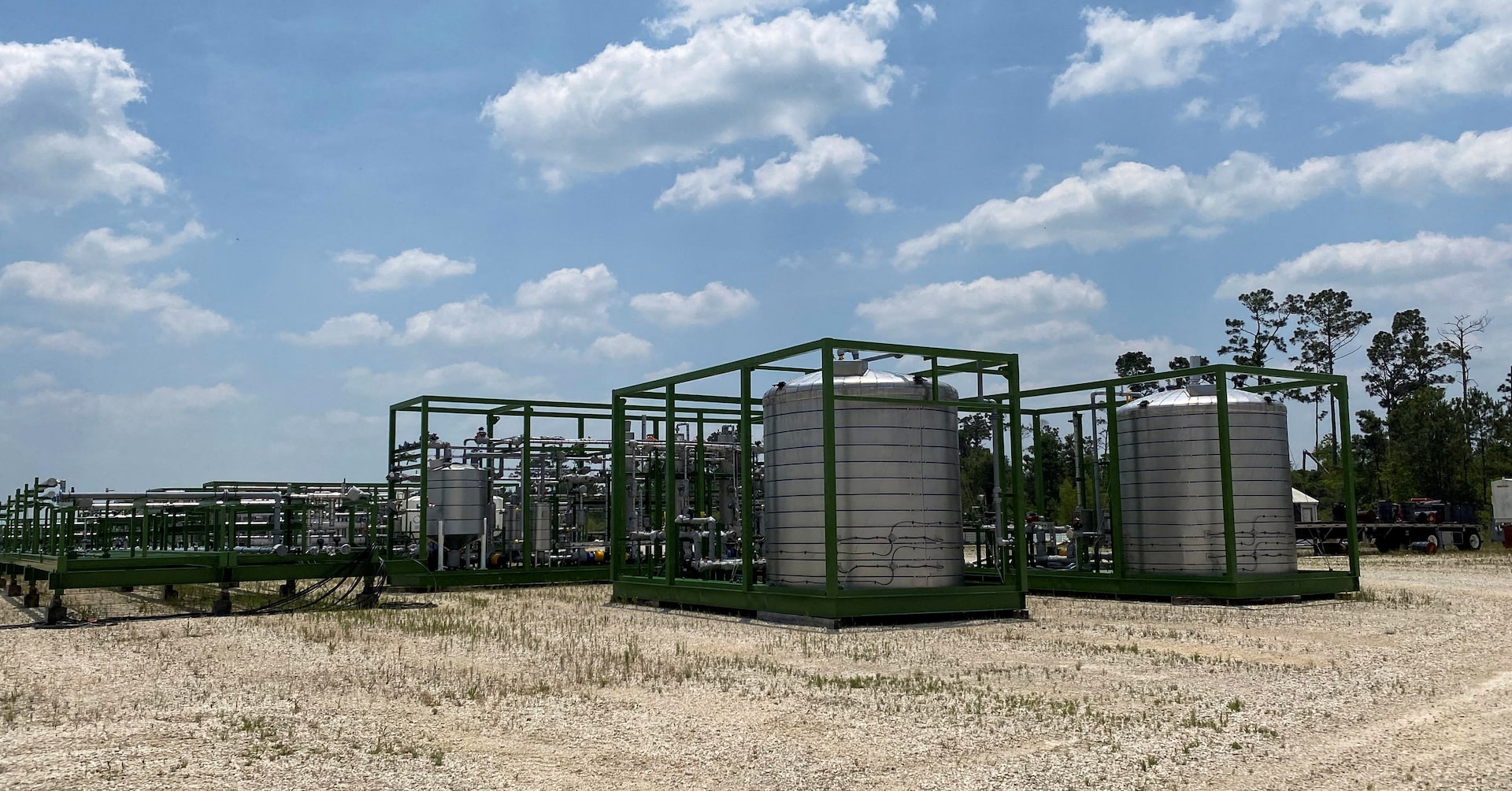
Compass Minerals Reenters Lithium Market with EnergyX Partnership

- Strategic Partnership: Compass Minerals has signed a memorandum of understanding with technology startup EnergyX to extract lithium from Utah's Great Salt Lake, a move aimed at boosting U.S. lithium output in response to rising market demand.
- Investment Scale: EnergyX plans to invest over $400 million and utilize its direct lithium extraction technology to filter lithium from the lake, which is estimated to contain more than 2.4 million metric tons of lithium, highlighting the project's potential economic value.
- Market Context: As lithium prices rise, Compass Minerals' initiative not only diversifies its product line but also strengthens its competitive position in the rapidly growing battery metals market.
- Industry Impact: This collaboration will promote the development of U.S. lithium resources, aligning with national strategic goals to enhance domestic lithium production capabilities, potentially having a positive effect on the global lithium supply chain.
See More
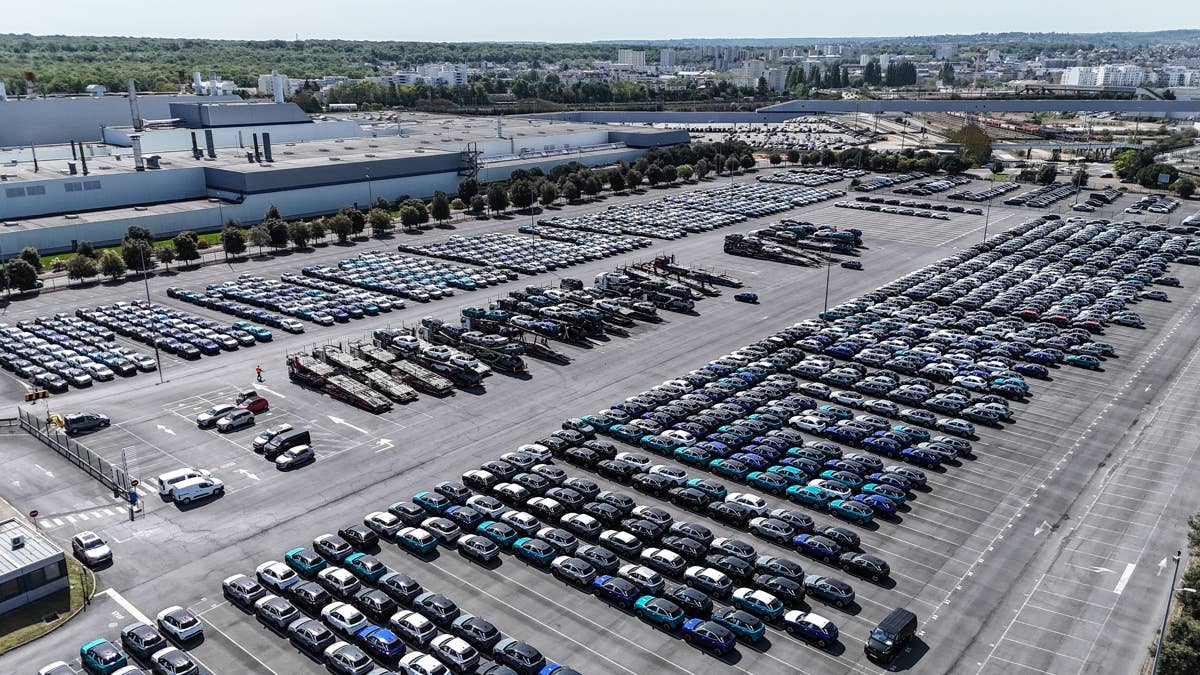
Stellantis Doubles Down on China Market Expansion

- Strategic Cooperation Agreement: Stellantis and Dongfeng Group signed a strategic cooperation agreement to produce electric Peugeot and Jeep models in Wuhan, with production expected to start in 2027 and total investment exceeding 8 billion yuan, demonstrating the company's long-term commitment to the Chinese market.
- Electric Vehicle Development: The new models will include two Peugeot electric vehicles and two Jeep off-road electric models, aimed at meeting Chinese consumer demand while expanding export markets, further solidifying Stellantis' position in the global EV market.
- Deepening Partnership with Leapmotor: Stellantis became Leapmotor's largest shareholder with a 21% stake and established Leapmotor International, a joint venture to sell Leapmotor vehicles in Europe and beyond, which is expected to drive localized EV production.
- Signs of Financial Recovery: Stellantis reported a 12% year-over-year increase in shipments for Q1, with net revenues reaching 38.1 billion euros and adjusted operating income returning to 1 billion euros, indicating a strong recovery in the North American market and potential for continued financial improvement.
See More

Canada Allows Import of 49,000 Chinese EVs Annually
- Market Opening: Canada is allowing the import of 49,000 Chinese electric vehicles annually at a 6.1% tariff, providing local auto dealers with new sales opportunities that could alter the market landscape.
- Dealer Response: Michael MacGillivray, overseeing dealerships in Nova Scotia and New Brunswick, believes the arrival of Chinese EVs will be a 'huge eye opener,' as he plans to become a dealer for imported electric vehicles.
- Industry Concerns: Despite positive dealer reactions, the Canadian Vehicle Manufacturers' Association expresses deep concern over the decision, which has also drawn strong opposition from U.S. political figures.
- Market Potential: According to S&P Global, Canada sold over 1.9 million vehicles last year, and while the 49,000 import limit may not significantly change competitive dynamics, it still offers Chinese automakers a foothold in the North American market.
See More
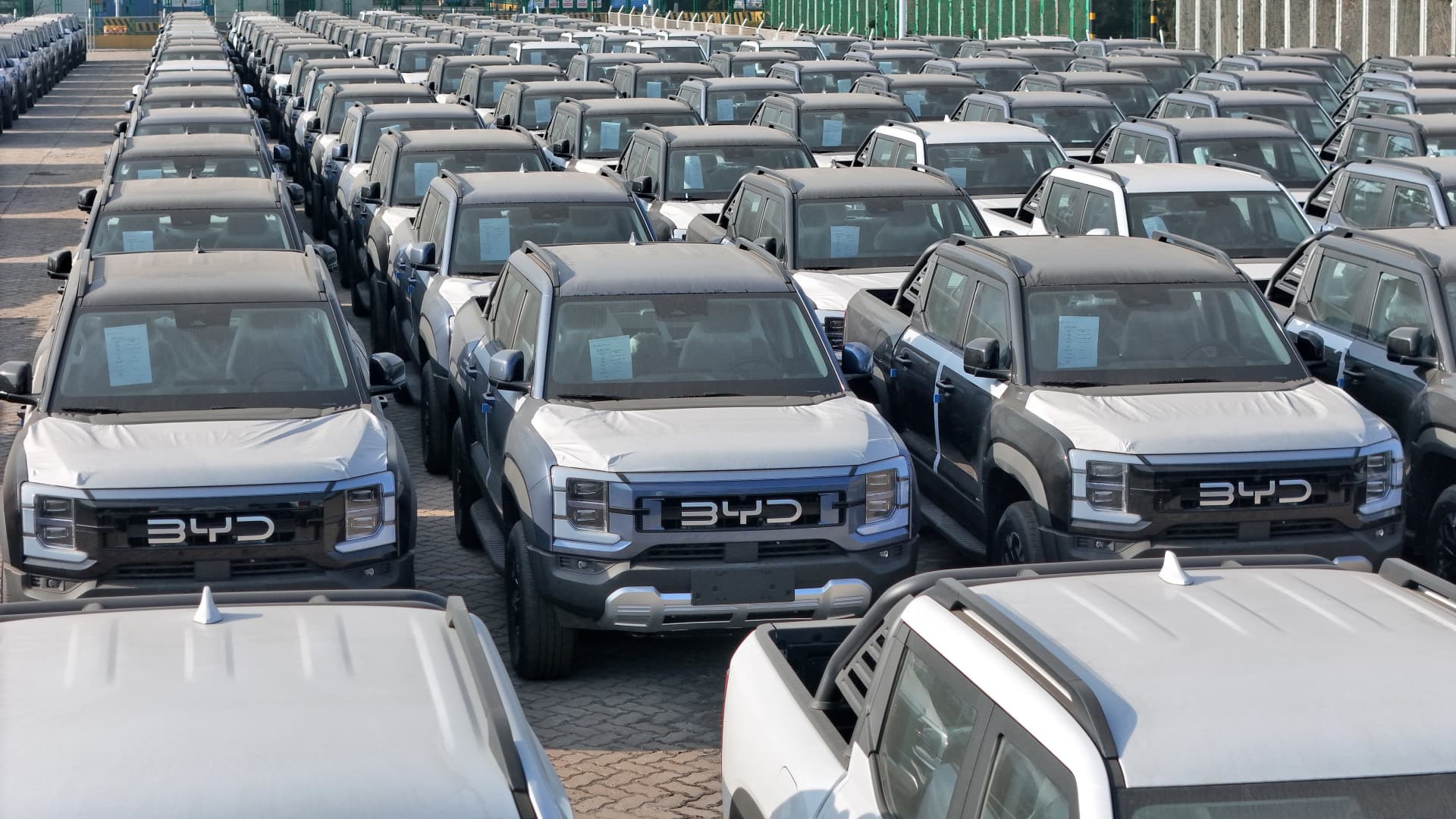
Canada's Introduction of Chinese EVs: Implications

- Market Access Policy: Canada permits the import of 49,000 Chinese electric vehicles annually at a 6.1% tariff, significantly lower than the 100% tariff on other Chinese vehicles, aiming to control market entry while protecting domestic auto industry interests.
- Surge in Dealer Interest: Following the policy announcement, nearly 400 Canadian dealers have expressed interest in representing Chinese brands, indicating a strong market appetite for new competitors and potential consumer demand for diverse EV options.
- Positive Consumer Response: In Nova Scotia, consumers are showing keen interest in Chinese EVs, believing they will enhance market choices, particularly in light of rising gas prices, which makes electric vehicles increasingly appealing.
- Industry Competition Dynamics: While the introduction of Chinese EVs could capture 3% to 5% of the market share, experts suggest this level is insufficient to significantly alter the competitive landscape, with major brands like GM, Ford, and Toyota remaining dominant.
See More
Global Automakers Strengthen Supplier Relationships Amid Challenges
- Supplier Relationship Improvement: A Plante Moran survey reveals that global automakers like Ford, GM, and Toyota significantly improved their relationships with suppliers over the past year, marking a first in the 26-year history of the study despite challenges such as tariffs and EV program writedowns.
- Toyota's Leading Position: Toyota solidified its lead in the Working Relations Index with a score of 409, far surpassing Stellantis at 163, Ford at 223, and GM at 318, reflecting its long-standing strategic focus on building supplier relationships.
- Trust Rebuilding Challenges: Ford and Stellantis, ranked lowest, have shown improvements in communication and relationship-building with suppliers, but they must prove their ability to maintain this momentum to regain trust lost due to decades of adversarial relationships.
- Long-Term Profit Potential: The survey indicates suppliers are optimistic about the long-term profit potential among automakers, particularly after they wrote off losses from EV programs, even as many suppliers invested billions in projects that did not materialize and are now trying to recover those losses.
See More
Large-Cap Stocks with Low Forward P/E Attract Investors
- Low P/E Companies: Charter Communications, Inc. (CHTR) leads with the lowest forward P/E ratio of 3.48, indicating its attractiveness to investors seeking undervalued stocks despite strong fundamentals.
- Strong Profitability: All companies on the list maintain profitability grades ranging from A- to A+, suggesting that these businesses continue to generate solid profits and operational performance, which enhances investor confidence.
- Industry Diversity: The list includes companies from various sectors such as communications, fintech, healthcare, energy, automotive, and technology hardware, reflecting that undervalued opportunities exist across different industries, providing diversified investment options.
- Optimistic Market Outlook: As investor expectations for future earnings rise, low P/E stocks may attract increased attention, potentially driving up these companies' stock prices and further enhancing market activity.
See More
Compass Minerals Reenters Lithium Market with EnergyX Partnership
- Strategic Partnership: Compass Minerals has signed a memorandum of understanding with technology startup EnergyX to extract lithium from Utah's Great Salt Lake, a move aimed at boosting U.S. lithium output in response to rising market demand.
- Investment Scale: EnergyX plans to invest over $400 million and utilize its direct lithium extraction technology to filter lithium from the lake, which is estimated to contain more than 2.4 million metric tons of lithium, highlighting the project's potential economic value.
- Market Context: As lithium prices rise, Compass Minerals' initiative not only diversifies its product line but also strengthens its competitive position in the rapidly growing battery metals market.
- Industry Impact: This collaboration will promote the development of U.S. lithium resources, aligning with national strategic goals to enhance domestic lithium production capabilities, potentially having a positive effect on the global lithium supply chain.
See More
Stellantis Doubles Down on China Market Expansion
- Strategic Cooperation Agreement: Stellantis and Dongfeng Group signed a strategic cooperation agreement to produce electric Peugeot and Jeep models in Wuhan, with production expected to start in 2027 and total investment exceeding 8 billion yuan, demonstrating the company's long-term commitment to the Chinese market.
- Electric Vehicle Development: The new models will include two Peugeot electric vehicles and two Jeep off-road electric models, aimed at meeting Chinese consumer demand while expanding export markets, further solidifying Stellantis' position in the global EV market.
- Deepening Partnership with Leapmotor: Stellantis became Leapmotor's largest shareholder with a 21% stake and established Leapmotor International, a joint venture to sell Leapmotor vehicles in Europe and beyond, which is expected to drive localized EV production.
- Signs of Financial Recovery: Stellantis reported a 12% year-over-year increase in shipments for Q1, with net revenues reaching 38.1 billion euros and adjusted operating income returning to 1 billion euros, indicating a strong recovery in the North American market and potential for continued financial improvement.
See More
Canada Allows Import of 49,000 Chinese EVs Annually
- Market Opening: Canada is allowing the import of 49,000 Chinese electric vehicles annually at a 6.1% tariff, providing local auto dealers with new sales opportunities that could alter the market landscape.
- Dealer Response: Michael MacGillivray, overseeing dealerships in Nova Scotia and New Brunswick, believes the arrival of Chinese EVs will be a 'huge eye opener,' as he plans to become a dealer for imported electric vehicles.
- Industry Concerns: Despite positive dealer reactions, the Canadian Vehicle Manufacturers' Association expresses deep concern over the decision, which has also drawn strong opposition from U.S. political figures.
- Market Potential: According to S&P Global, Canada sold over 1.9 million vehicles last year, and while the 49,000 import limit may not significantly change competitive dynamics, it still offers Chinese automakers a foothold in the North American market.
See More
Canada's Introduction of Chinese EVs: Implications
- Market Access Policy: Canada permits the import of 49,000 Chinese electric vehicles annually at a 6.1% tariff, significantly lower than the 100% tariff on other Chinese vehicles, aiming to control market entry while protecting domestic auto industry interests.
- Surge in Dealer Interest: Following the policy announcement, nearly 400 Canadian dealers have expressed interest in representing Chinese brands, indicating a strong market appetite for new competitors and potential consumer demand for diverse EV options.
- Positive Consumer Response: In Nova Scotia, consumers are showing keen interest in Chinese EVs, believing they will enhance market choices, particularly in light of rising gas prices, which makes electric vehicles increasingly appealing.
- Industry Competition Dynamics: While the introduction of Chinese EVs could capture 3% to 5% of the market share, experts suggest this level is insufficient to significantly alter the competitive landscape, with major brands like GM, Ford, and Toyota remaining dominant.
See More