General Motors Accelerates Battery Technology Innovation
Written by Emily J. Thompson, Senior Investment Analyst
Updated: 4 days ago
0mins

Source: CNBC
- Battery Technology Upgrade: General Motors plans to develop next-generation sodium-ion batteries in collaboration with Peak Energy, expected to launch by 2028, aiming to reduce costs and enhance reliability in energy storage systems, thereby gaining market advantage amid rising energy demand.
- Enhanced Grid Interaction: GM will improve its electric vehicles' capabilities to interact with the grid, allowing users to send energy back during peak hours, which is expected to help reduce energy costs and optimize grid usage, thereby strengthening the company's competitive position in the EV market.
- Cost Control Strategy: The development of sodium-ion batteries will reduce system complexity and cooling requirements, leading to lower upfront and operating costs; GM's battery VP stated that this technology will drive higher energy density, potentially outperforming existing lithium iron phosphate batteries in the future.
- Market Demand Response: With U.S. residential electricity prices rising nearly 48% since January 2020, GM's
Trade with 70% Backtested Accuracy
Stop guessing "Should I Buy GM?" and start using high-conviction signals backed by rigorous historical data.
Sign up today to access powerful investing tools and make smarter, data-driven decisions.
Analyst Views on GM
Wall Street analysts forecast GM stock price to rise
19 Analyst Rating
14 Buy
4 Hold
1 Sell
Moderate Buy
Current: 80.850

Low
57.00
Averages
95.06
High
122.00
Current: 80.850
Low
57.00
Averages
95.06
High
122.00
About GM
General Motors Company designs, builds and sells trucks, crossovers, cars and automobile parts and provides software-enabled services and subscriptions worldwide. The Company's segments include GMNA, GMI and GM Financial. Its GM North America (GMNA) and GM International (GMI) segment develop, manufacture and/or markets vehicles under the Buick, Cadillac, Chevrolet and GMC brands. The Company's GM Financial segment provides automotive financing and related services. The Company is also focused on investing in electric vehicles (EVs) and autonomous vehicles (Avs), software-enabled services and subscriptions and new business opportunities. The Company's portfolio includes OnStar, GM Energy, GM Insurance, GM Genuine Parts, and the GM Company Store. Its OnStar portfolio offers safety, connectivity and hands-free driver assistance technologies. Its GM Energy provides Home EV Charging, Public EV Charging, Vehicle-To-Home and Energy Storage services.
About the author

Emily J. Thompson
Emily J. Thompson, a Chartered Financial Analyst (CFA) with 12 years in investment research, graduated with honors from the Wharton School. Specializing in industrial and technology stocks, she provides in-depth analysis for Intellectia’s earnings and market brief reports.
General Motors Enters Battery Storage Market


- Increased Competition: General Motors' entry into the battery storage market signifies a collaboration with Ford, intensifying competition with Tesla in battery technology, which could impact Tesla's market share.
- Enhanced Technological Dependence: This move by GM highlights the importance of battery technology, particularly in collaboration with tech giants like Nvidia and Intel, potentially driving technological advancements in the electric vehicle market.
- Investment Opportunities: Analysts suggest that GM's entry could present new opportunities for investors, especially against the backdrop of rising demand for battery storage, attracting more attention and capital inflow.
- Future Outlook: As the battery storage market rapidly evolves, GM's strategic positioning may yield long-term revenue growth, bolstering its competitiveness in the electric vehicle sector.
See More

General Motors Enters Battery Storage Market
- Increased Competition: General Motors' entry into the battery storage market signifies a strategic move alongside Ford, intensifying competition against Tesla and potentially reshaping the electric vehicle landscape.
- Strategic Positioning: This initiative not only highlights GM's commitment to renewable energy solutions but also aims to diversify its product offerings, thereby enhancing market share and profitability.
- Industry Impact: With GM's participation, the battery storage market is set to experience heightened competition, likely leading to price wars and accelerated technological innovation, which could drive overall industry growth.
- Future Outlook: GM's battery storage business is expected to provide new growth momentum in the long term, particularly against the backdrop of rising global demand for clean energy solutions.
See More

Bloom Energy Reports 130% Revenue Growth in Q1


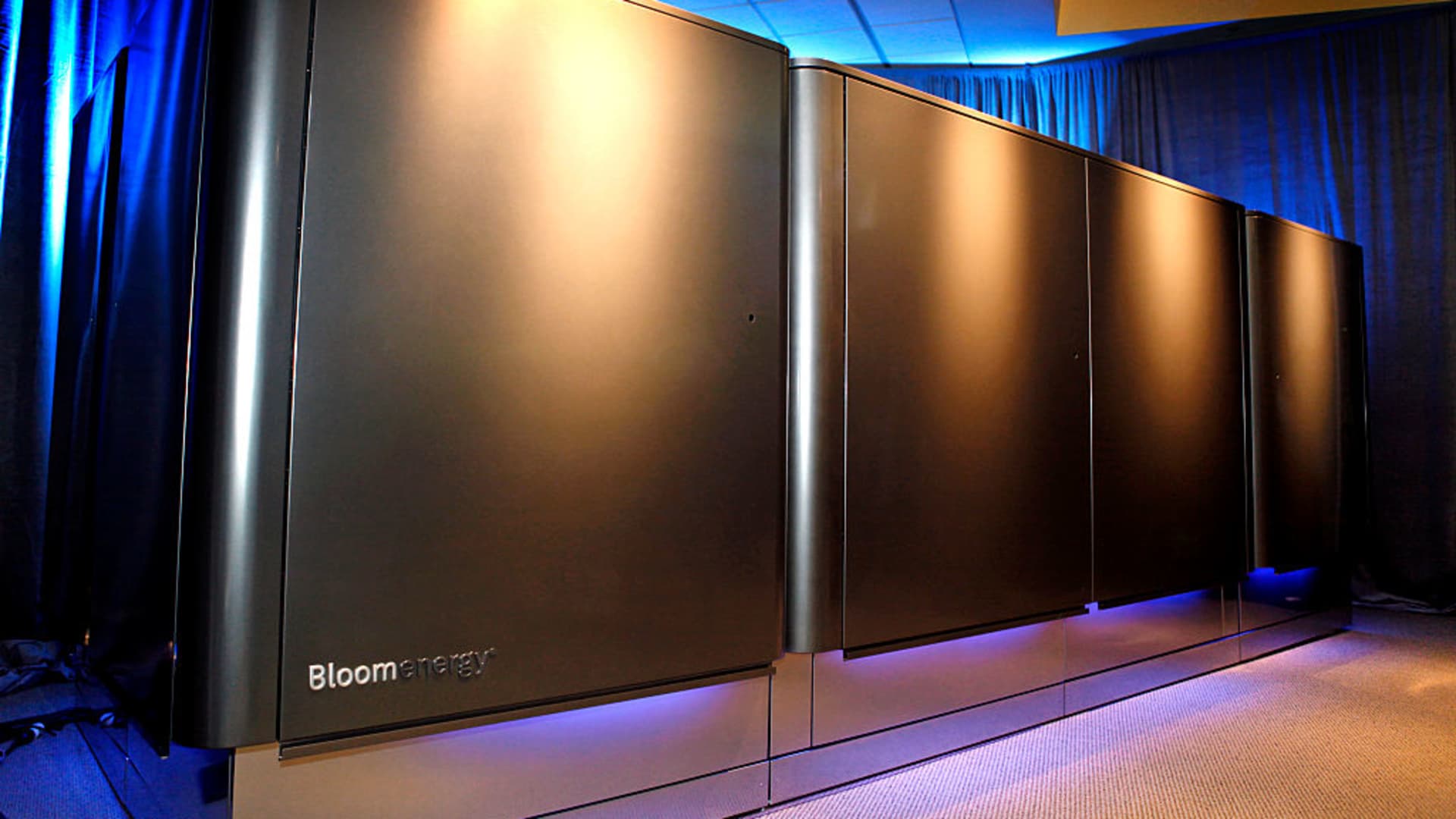
- Significant Revenue Growth: Bloom Energy's Q1 revenue surged 130% year-over-year to $751.1 million, driven by a 208% increase in product revenue, indicating strong demand in the data center market, with 2026 revenue projected to reach $3.4 to $3.8 billion, reflecting an approximately 80% growth.
- Surge in Power Equipment Orders: GE Vernova's Q1 orders increased 71% year-over-year to $18.3 billion, with gas turbine orders and slot reservations rising from 83 gigawatts to 100 gigawatts, showcasing robust demand for grid equipment, with expectations to reach at least 110 gigawatts by the end of 2026.
- Long-term Nuclear Agreements: Vistra has signed long-term nuclear power agreements with Amazon and Meta, providing up to 1,200 megawatts and 2,609 megawatts of nuclear energy, respectively, further solidifying its position in the competitive U.S. power market, with 2023 EBITDA expected to reach $6.8 to $7.6 billion.
- Market Risks and Opportunities: Despite facing risks related to project timing and demand fluctuations, ongoing demand signals suggest that the electricity bottleneck presents investors with a more grounded investment opportunity in the AI boom, particularly in the power infrastructure sector.
See More
Surge in AI Infrastructure Investments
- Financing Platform Launch: Broadcom, in collaboration with Apollo Global Management and Blackstone, has initiated a financing platform aimed at achieving over 20 gigawatts of AI compute capacity by 2028, starting with a $35 billion tranche, indicating strong market demand for AI infrastructure.
- Bloom Energy Revenue Surge: Bloom Energy reported a 130% year-over-year revenue increase in Q1, reaching $751.1 million, with product revenue soaring 208%, and it now expects 2026 revenue to hit between $3.4 billion and $3.8 billion, highlighting its market leadership in data center power solutions.
- GE Vernova Order Surge: GE Vernova's Q1 orders surged 71% year-over-year to $18.3 billion, pushing total backlog to $163 billion, reflecting robust demand in the grid equipment market, with expectations to reach at least 110 gigawatts of generation capacity by the end of 2026.
- Vistra Long-term Agreements: Vistra has signed 20-year power purchase agreements with Amazon and Meta to supply up to 2,609 megawatts of nuclear power, further solidifying its position among competitive power producers in the U.S., while also planning to acquire 5,500 megawatts of natural gas generation capacity to enhance market competitiveness.
See More

General Motors Defense Secures $143M U.S. Army Contract

- Significant Contract Value: General Motors Defense has secured a $143 million contract with the U.S. Army focused on infantry squad vehicles and winch kits, further solidifying its market position in the defense sector.
- Total Contract Value Increase: This contract raises the cumulative value of General Motors Defense's contracts to $623.8 million, indicating the company's sustained growth potential and trust from clients in the defense business.
- Project Timeline: The contract is expected to be completed by June 24, 2027, demonstrating General Motors Defense's capability in meeting client demands and project delivery timelines.
- Military Collaboration Opportunities: Awarded by Army Contracting Command, this contract strengthens General Motors' collaboration with the U.S. military, laying the groundwork for future contracts and projects.
See More
General Motors May Shift Away from LFP Batteries
- Battery Technology Shift: General Motors (GM) may abandon lithium iron phosphate (LFP) batteries in favor of lithium manganese-rich (LMR) technology, indicating a significant change in its EV chemistry strategy, although it still plans to produce LFP cells at its Tennessee plant for energy storage systems.
- Production Plan Adjustment: GM initially aimed to start LFP battery production at its Tennessee facility by late 2027, but battery chief Kurt Kelty stated that LFP may not enter their portfolio, with LMR expected to be the primary battery type for large-scale production.
- Market Competition Dynamics: This shift contrasts sharply with competitors like Tesla (TSLA), Ford (F), and Rivian (RIVN), which have increasingly adopted LFP batteries to reduce EV costs, potentially impacting GM's competitiveness in the market.
- Future Development Timeline: While Kelty did not confirm whether the timeline for LMR battery production remains set for 2028, he indicated that LMR development is on track, suggesting that GM's long-term strategy in battery technology is still progressing.
See More
General Motors Enters Battery Storage Market
- Increased Competition: General Motors' entry into the battery storage market signifies a collaboration with Ford, intensifying competition with Tesla in battery technology, which could impact Tesla's market share.
- Enhanced Technological Dependence: This move by GM highlights the importance of battery technology, particularly in collaboration with tech giants like Nvidia and Intel, potentially driving technological advancements in the electric vehicle market.
- Investment Opportunities: Analysts suggest that GM's entry could present new opportunities for investors, especially against the backdrop of rising demand for battery storage, attracting more attention and capital inflow.
- Future Outlook: As the battery storage market rapidly evolves, GM's strategic positioning may yield long-term revenue growth, bolstering its competitiveness in the electric vehicle sector.
See More
General Motors Enters Battery Storage Market
- Increased Competition: General Motors' entry into the battery storage market signifies a strategic move alongside Ford, intensifying competition against Tesla and potentially reshaping the electric vehicle landscape.
- Strategic Positioning: This initiative not only highlights GM's commitment to renewable energy solutions but also aims to diversify its product offerings, thereby enhancing market share and profitability.
- Industry Impact: With GM's participation, the battery storage market is set to experience heightened competition, likely leading to price wars and accelerated technological innovation, which could drive overall industry growth.
- Future Outlook: GM's battery storage business is expected to provide new growth momentum in the long term, particularly against the backdrop of rising global demand for clean energy solutions.
See More
Bloom Energy Reports 130% Revenue Growth in Q1
- Significant Revenue Growth: Bloom Energy's Q1 revenue surged 130% year-over-year to $751.1 million, driven by a 208% increase in product revenue, indicating strong demand in the data center market, with 2026 revenue projected to reach $3.4 to $3.8 billion, reflecting an approximately 80% growth.
- Surge in Power Equipment Orders: GE Vernova's Q1 orders increased 71% year-over-year to $18.3 billion, with gas turbine orders and slot reservations rising from 83 gigawatts to 100 gigawatts, showcasing robust demand for grid equipment, with expectations to reach at least 110 gigawatts by the end of 2026.
- Long-term Nuclear Agreements: Vistra has signed long-term nuclear power agreements with Amazon and Meta, providing up to 1,200 megawatts and 2,609 megawatts of nuclear energy, respectively, further solidifying its position in the competitive U.S. power market, with 2023 EBITDA expected to reach $6.8 to $7.6 billion.
- Market Risks and Opportunities: Despite facing risks related to project timing and demand fluctuations, ongoing demand signals suggest that the electricity bottleneck presents investors with a more grounded investment opportunity in the AI boom, particularly in the power infrastructure sector.
See More
Surge in AI Infrastructure Investments
- Financing Platform Launch: Broadcom, in collaboration with Apollo Global Management and Blackstone, has initiated a financing platform aimed at achieving over 20 gigawatts of AI compute capacity by 2028, starting with a $35 billion tranche, indicating strong market demand for AI infrastructure.
- Bloom Energy Revenue Surge: Bloom Energy reported a 130% year-over-year revenue increase in Q1, reaching $751.1 million, with product revenue soaring 208%, and it now expects 2026 revenue to hit between $3.4 billion and $3.8 billion, highlighting its market leadership in data center power solutions.
- GE Vernova Order Surge: GE Vernova's Q1 orders surged 71% year-over-year to $18.3 billion, pushing total backlog to $163 billion, reflecting robust demand in the grid equipment market, with expectations to reach at least 110 gigawatts of generation capacity by the end of 2026.
- Vistra Long-term Agreements: Vistra has signed 20-year power purchase agreements with Amazon and Meta to supply up to 2,609 megawatts of nuclear power, further solidifying its position among competitive power producers in the U.S., while also planning to acquire 5,500 megawatts of natural gas generation capacity to enhance market competitiveness.
See More
General Motors Defense Secures $143M U.S. Army Contract
- Significant Contract Value: General Motors Defense has secured a $143 million contract with the U.S. Army focused on infantry squad vehicles and winch kits, further solidifying its market position in the defense sector.
- Total Contract Value Increase: This contract raises the cumulative value of General Motors Defense's contracts to $623.8 million, indicating the company's sustained growth potential and trust from clients in the defense business.
- Project Timeline: The contract is expected to be completed by June 24, 2027, demonstrating General Motors Defense's capability in meeting client demands and project delivery timelines.
- Military Collaboration Opportunities: Awarded by Army Contracting Command, this contract strengthens General Motors' collaboration with the U.S. military, laying the groundwork for future contracts and projects.
See More
General Motors May Shift Away from LFP Batteries
- Battery Technology Shift: General Motors (GM) may abandon lithium iron phosphate (LFP) batteries in favor of lithium manganese-rich (LMR) technology, indicating a significant change in its EV chemistry strategy, although it still plans to produce LFP cells at its Tennessee plant for energy storage systems.
- Production Plan Adjustment: GM initially aimed to start LFP battery production at its Tennessee facility by late 2027, but battery chief Kurt Kelty stated that LFP may not enter their portfolio, with LMR expected to be the primary battery type for large-scale production.
- Market Competition Dynamics: This shift contrasts sharply with competitors like Tesla (TSLA), Ford (F), and Rivian (RIVN), which have increasingly adopted LFP batteries to reduce EV costs, potentially impacting GM's competitiveness in the market.
- Future Development Timeline: While Kelty did not confirm whether the timeline for LMR battery production remains set for 2028, he indicated that LMR development is on track, suggesting that GM's long-term strategy in battery technology is still progressing.
See More