Funko Reports Q1 Revenue of $200.9M, Exceeding Estimates
Written by Emily J. Thompson, Senior Investment Analyst
Updated: May 07 2026
0mins
Reports Q1 revenue $200.9M, two estimates $188.8M. "We kicked off the year with a strong Q1 performance, building on the positive momentum from the second half of 2025, with net sales, gross margin and adjusted EBITDA all exceeding expectations," said Josh Simon, Chief Executive Officer of Funko. "International sales were robust, particularly in Europe, and our Core Collectibles business increased 17% year-over-year, contributing to the highest reported gross margin in our history. As we focus on bringing the biggest cultural moments to life, we're excited to continue executing against our strategic plan, moving at the speed of culture, meeting fans wherever they are and giving them new ways to connect with the stories they love."
Trade with 70% Backtested Accuracy
Stop guessing "Should I Buy FNKO?" and start using high-conviction signals backed by rigorous historical data.
Sign up today to access powerful investing tools and make smarter, data-driven decisions.
Analyst Views on FNKO
Wall Street analysts forecast FNKO stock price to fall
2 Analyst Rating
1 Buy
1 Hold
0 Sell
Moderate Buy
Current: 5.090

Low
3.50
Averages
3.50
High
3.50
Current: 5.090
Low
3.50
Averages
3.50
High
3.50
About FNKO
Funko, Inc. operates as a pop culture lifestyle brand. The Company is engaged in selling a range of licensed pop culture consumer products featuring characters from a range of media and entertainment content, including movies, TV shows, video games, music and sports. Its products are principally figures, fashion accessories, apparel, plush products, accessories, homeware, NFTs, vinyl records and limited-edition posters. Its products combine its proprietary brands and distinct designs and aesthetic sensibilities into properties it licenses from content providers. In addition to offering multiple properties and product categories, it creates and sells a variety of brands that have their own look and feel. Its brand portfolio includes Core Collectible (which includes Pop! Vinyl, and other branded lines, such as Soda, Bitty Pop!, and Pop! Yourself), Loungefly (softlines, including bags, wallets, backpacks and apparel) and Other (which include brands, such as Digital Pop! and Mondo).
About the author

Emily J. Thompson
Emily J. Thompson, a Chartered Financial Analyst (CFA) with 12 years in investment research, graduated with honors from the Wharton School. Specializing in industrial and technology stocks, she provides in-depth analysis for Intellectia’s earnings and market brief reports.

Consumer Discretionary Sector Rebounds, Boosting Stock Market


- Market Rebound: The consumer discretionary sector has shown significant recovery amid easing geopolitical risks and a retreat in Treasury yields, indicating investor interest in high-quality stocks as buying opportunities arise following recent sell-offs.
- Oil Price Retreat: With Iran declaring its first wave of strikes complete and Trump advocating for a ceasefire, oil prices have retreated from overnight highs, reducing the risk of energy price shocks that could strain household budgets and support consumer spending.
- Consumer Spending Tailwind: The upcoming World Cup is expected to provide a modest boost to consumer spending across retail, entertainment, and travel sectors, further aiding the recovery of the consumer discretionary sector despite ongoing economic challenges.
- fuboTV Volatility: fuboTV's stock has experienced 43 moves greater than 5% in the past year; while today's 4.4% increase reflects market recognition of the news, the stock is still down 67.9% year-to-date, indicating cautious sentiment regarding its future prospects.
See More

Funko (FNKO) Q1 2026 Earnings Call Transcript
See More
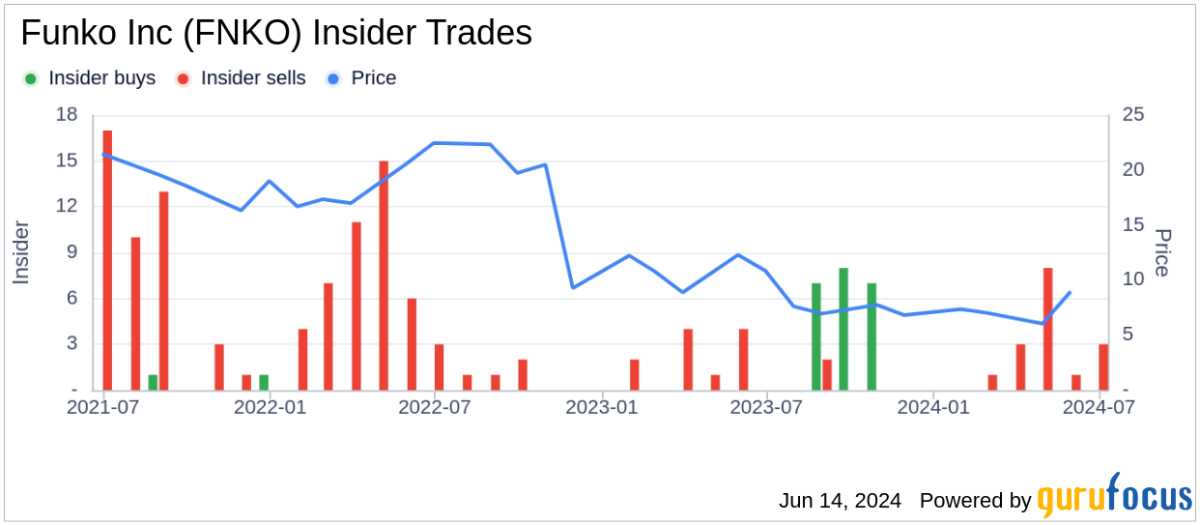
Funko Reports Strong Q1 2026 Earnings with Record Margins
- Significant Sales Growth: Funko's Q1 2026 sales increased by 5% year-over-year, with the Core Collectibles segment rising by 17%, indicating strong market demand that is expected to drive future revenue growth.
- Record Gross Margin: The company reported a gross margin of 44% and achieved adjusted EBITDA of $11 million, reflecting successful cost control and product mix optimization, which further enhances investor confidence.
- SKU Strategy Adjustment: The Loungefly segment reduced its SKUs by 50%, and while sales are expected to decline, this move aims to improve SKU productivity and overall profitability, laying the groundwork for sustainable growth in the future.
- Positive Future Outlook: The company guided for Q2 sales growth in the low to mid-single digits, with adjusted EBITDA expected between $5 million and $10 million, while maintaining an optimistic view for the full year with sales flat to up 3%.
See More

Investment Opportunities and Risks in Small-Cap Stocks


- Funko's Dismal Outlook: With a market cap of $180.2 million, Funko's annual revenue growth of only 6.8% over the past five years indicates a loss of competitive ground, and dwindling cash reserves may lead to shareholder dilution.
- Nabors Industries' Declining Performance: Nabors, valued at $1.17 billion, has seen a 1.9% annual revenue decline over the last decade, with high extraction costs and a low gross margin of 39.1% constraining its ability to self-fund growth.
- Graham Corporation's Growth Potential: Graham, with a market cap of $899.7 million, boasts a 15% annual revenue growth over the last two years and an impressive 83.3% compounded annual EPS growth, indicating a significant increase in market share.
- Risks in Small-Cap Market: While the Russell 2000 index offers opportunities to uncover hidden investment gems, the higher volatility and economic downturn risks associated with small-cap stocks necessitate careful evaluation by investors.
See More
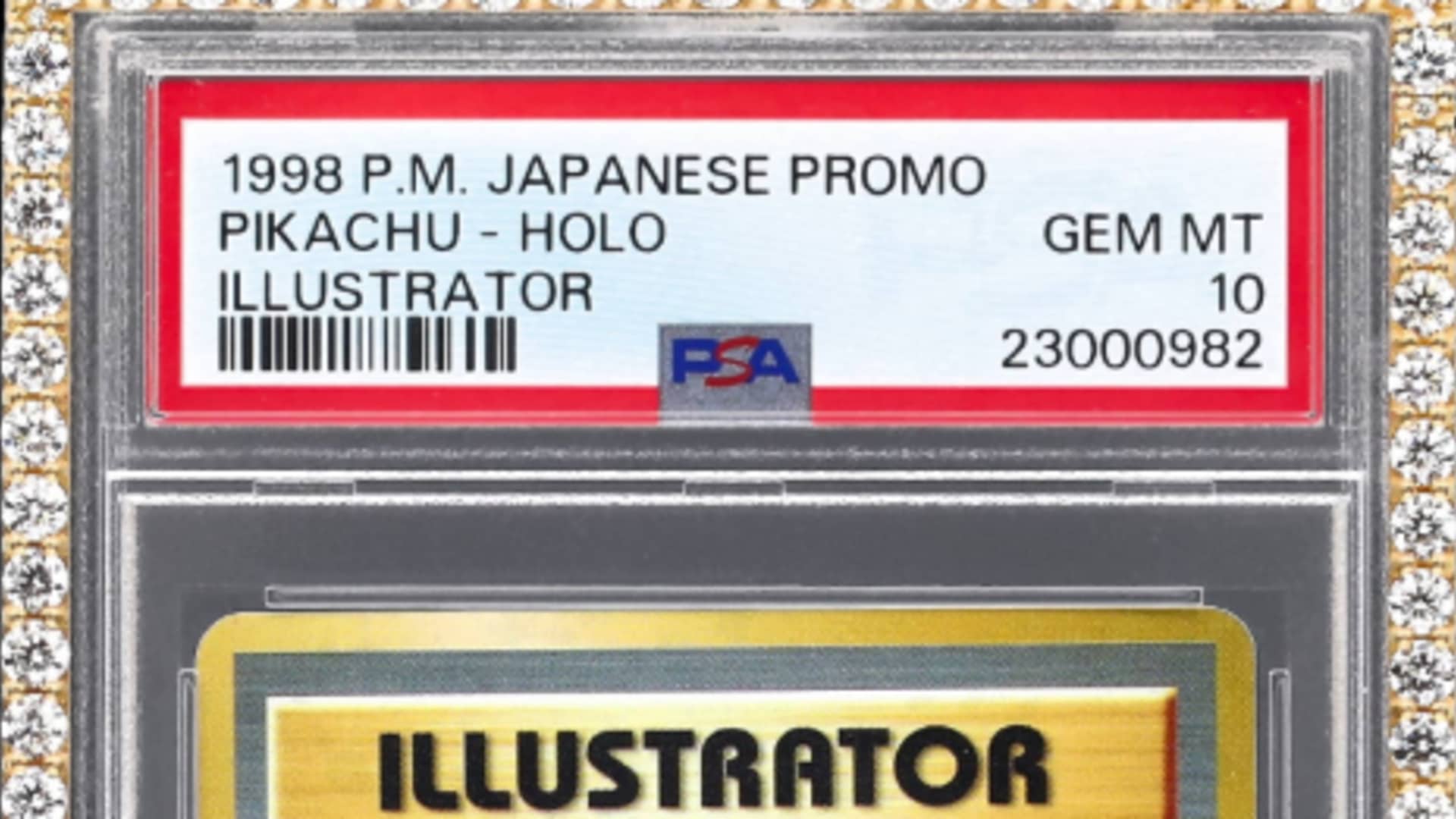
Rare Trading Cards Outperform Wall Street Performance


- Alternative Asset Surge: As collectors increasingly view 1990s and 2000s Pokémon cards as alternative assets, trading card indexes have surged during the pandemic and are expected to rise again in 2025, outperforming the S&P 500's average annual return of 10% to 12%.
- Scarcity Drives Prices: For instance, a rare Pikachu Illustrator card owned by Logan Paul sold for over $16 million in February, setting a record for the highest price ever paid for a trading card at auction, highlighting the scarcity and demand in the high-end market.
- Grading Impacts Value: The condition and grading of cards are critical to their value, with a perfect condition card potentially worth $100,000, but only fetching 1% to 2% of that value if in lower condition, indicating the significant premium for graded 10 cards in the Pokémon market.
- Market Risks and Volatility: While sales of non-sports trading cards surged 350% from 2020 to 2025, the prices are highly volatile and influenced by hype, lacking the stability of traditional markets, which necessitates caution for investors.
See More

Pop Mart Shares Plunge Over 20% Amid Growth Concerns

- Significant Revenue Growth: Pop Mart reported annual revenue of 37.1 billion yuan ($5.4 billion) for 2025, marking a 185% increase year-over-year, although slightly below LSEG's estimate of 38 billion yuan, indicating strong market performance but raising sustainability concerns.
- Dramatic Profit Increase: The company's net income surged more than fourfold to 12.8 billion yuan, slightly exceeding the forecast of 12.6 billion yuan; however, a notable slowdown in the fourth quarter heightened investor worries about the durability of its key IP's popularity.
- Underwhelming New Character Sales: While sales from Skullpanda more than doubled to 3.54 billion yuan, and Twinkle Twinkle and Hirono generated 2.06 billion yuan and 1.74 billion yuan respectively, Labubu and its family still accounted for 38% of total revenue, indicating insufficient market acceptance of new characters.
- Cautious Market Sentiment: Investors have expressed skepticism about Pop Mart's short-term appeal, with shares retreating about 50% from their August peak, reflecting a cautious sentiment towards the company's future growth, as the CEO acknowledged the need to diversify beyond Labubu to sustain growth.
See More
Consumer Discretionary Sector Rebounds, Boosting Stock Market
- Market Rebound: The consumer discretionary sector has shown significant recovery amid easing geopolitical risks and a retreat in Treasury yields, indicating investor interest in high-quality stocks as buying opportunities arise following recent sell-offs.
- Oil Price Retreat: With Iran declaring its first wave of strikes complete and Trump advocating for a ceasefire, oil prices have retreated from overnight highs, reducing the risk of energy price shocks that could strain household budgets and support consumer spending.
- Consumer Spending Tailwind: The upcoming World Cup is expected to provide a modest boost to consumer spending across retail, entertainment, and travel sectors, further aiding the recovery of the consumer discretionary sector despite ongoing economic challenges.
- fuboTV Volatility: fuboTV's stock has experienced 43 moves greater than 5% in the past year; while today's 4.4% increase reflects market recognition of the news, the stock is still down 67.9% year-to-date, indicating cautious sentiment regarding its future prospects.
See More
Funko (FNKO) Q1 2026 Earnings Call Transcript
See More
Funko Reports Strong Q1 2026 Earnings with Record Margins
- Significant Sales Growth: Funko's Q1 2026 sales increased by 5% year-over-year, with the Core Collectibles segment rising by 17%, indicating strong market demand that is expected to drive future revenue growth.
- Record Gross Margin: The company reported a gross margin of 44% and achieved adjusted EBITDA of $11 million, reflecting successful cost control and product mix optimization, which further enhances investor confidence.
- SKU Strategy Adjustment: The Loungefly segment reduced its SKUs by 50%, and while sales are expected to decline, this move aims to improve SKU productivity and overall profitability, laying the groundwork for sustainable growth in the future.
- Positive Future Outlook: The company guided for Q2 sales growth in the low to mid-single digits, with adjusted EBITDA expected between $5 million and $10 million, while maintaining an optimistic view for the full year with sales flat to up 3%.
See More
Investment Opportunities and Risks in Small-Cap Stocks
- Funko's Dismal Outlook: With a market cap of $180.2 million, Funko's annual revenue growth of only 6.8% over the past five years indicates a loss of competitive ground, and dwindling cash reserves may lead to shareholder dilution.
- Nabors Industries' Declining Performance: Nabors, valued at $1.17 billion, has seen a 1.9% annual revenue decline over the last decade, with high extraction costs and a low gross margin of 39.1% constraining its ability to self-fund growth.
- Graham Corporation's Growth Potential: Graham, with a market cap of $899.7 million, boasts a 15% annual revenue growth over the last two years and an impressive 83.3% compounded annual EPS growth, indicating a significant increase in market share.
- Risks in Small-Cap Market: While the Russell 2000 index offers opportunities to uncover hidden investment gems, the higher volatility and economic downturn risks associated with small-cap stocks necessitate careful evaluation by investors.
See More
Rare Trading Cards Outperform Wall Street Performance
- Alternative Asset Surge: As collectors increasingly view 1990s and 2000s Pokémon cards as alternative assets, trading card indexes have surged during the pandemic and are expected to rise again in 2025, outperforming the S&P 500's average annual return of 10% to 12%.
- Scarcity Drives Prices: For instance, a rare Pikachu Illustrator card owned by Logan Paul sold for over $16 million in February, setting a record for the highest price ever paid for a trading card at auction, highlighting the scarcity and demand in the high-end market.
- Grading Impacts Value: The condition and grading of cards are critical to their value, with a perfect condition card potentially worth $100,000, but only fetching 1% to 2% of that value if in lower condition, indicating the significant premium for graded 10 cards in the Pokémon market.
- Market Risks and Volatility: While sales of non-sports trading cards surged 350% from 2020 to 2025, the prices are highly volatile and influenced by hype, lacking the stability of traditional markets, which necessitates caution for investors.
See More
Pop Mart Shares Plunge Over 20% Amid Growth Concerns
- Significant Revenue Growth: Pop Mart reported annual revenue of 37.1 billion yuan ($5.4 billion) for 2025, marking a 185% increase year-over-year, although slightly below LSEG's estimate of 38 billion yuan, indicating strong market performance but raising sustainability concerns.
- Dramatic Profit Increase: The company's net income surged more than fourfold to 12.8 billion yuan, slightly exceeding the forecast of 12.6 billion yuan; however, a notable slowdown in the fourth quarter heightened investor worries about the durability of its key IP's popularity.
- Underwhelming New Character Sales: While sales from Skullpanda more than doubled to 3.54 billion yuan, and Twinkle Twinkle and Hirono generated 2.06 billion yuan and 1.74 billion yuan respectively, Labubu and its family still accounted for 38% of total revenue, indicating insufficient market acceptance of new characters.
- Cautious Market Sentiment: Investors have expressed skepticism about Pop Mart's short-term appeal, with shares retreating about 50% from their August peak, reflecting a cautious sentiment towards the company's future growth, as the CEO acknowledged the need to diversify beyond Labubu to sustain growth.
See More