Frontier Airlines and Barclays Extend Credit Card Partnership with New Benefits
Written by Emily J. Thompson, Senior Investment Analyst
Updated: 54 minutes ago
0mins
Source: seekingalpha
- Partnership Renewal: Frontier Airlines and Barclays have extended their 20-year credit card partnership, enhancing customer travel rewards and expanding earning opportunities, which significantly improves customer experience.
- New Benefits Launch: The renewal introduces more Frontier Miles benefits and premium travel options for Frontier customers, thereby increasing customer loyalty and enhancing market competitiveness.
- Marketing Opportunities: Barclays will now market special offers for its savings and personal loan products to Frontier customers, creating new market channels for Barclays while providing more financial options for Frontier's clientele.
- Strategic Implications: This partnership not only solidifies Frontier's position in the airline market but also enhances its brand image through collaboration with Barclays, further driving customer spending and business growth.
Trade with 70% Backtested Accuracy
Stop guessing "Should I Buy ULCC?" and start using high-conviction signals backed by rigorous historical data.
Sign up today to access powerful investing tools and make smarter, data-driven decisions.
Analyst Views on ULCC
Wall Street analysts forecast ULCC stock price to fall
9 Analyst Rating
1 Buy
7 Hold
1 Sell
Hold
Current: 7.500

Low
4.00
Averages
5.57
High
8.00
Current: 7.500
Low
4.00
Averages
5.57
High
8.00
About ULCC
Frontier Group Holdings, Inc. is a holding company. The Company operates through its subsidiary, Frontier Airlines, Inc., which is an ultra-low-cost carrier company. The Company offers flights throughout the United States and to select near international destinations in the Americas. It has a fleet of approximately 176 Airbus single-aisle aircraft, consisting of overe A320ceos, 89 A320neos, 21 A321ceos and 60 A321neos. The Company primarily provides air transportation for passengers. It provides passenger airline service primarily to leisure travelers. It combines its fares with flexible optional services for an additional cost. Such additional options include carry-on and checked baggage, advance seat selection, extended-legroom premium seats, priority boarding and ticket changes and cancellations, as well as bundled options combining various optional services. The Company serves approximately 100 airports throughout the United States and international destinations in the Americas.
About the author

Emily J. Thompson
Emily J. Thompson, a Chartered Financial Analyst (CFA) with 12 years in investment research, graduated with honors from the Wharton School. Specializing in industrial and technology stocks, she provides in-depth analysis for Intellectia’s earnings and market brief reports.
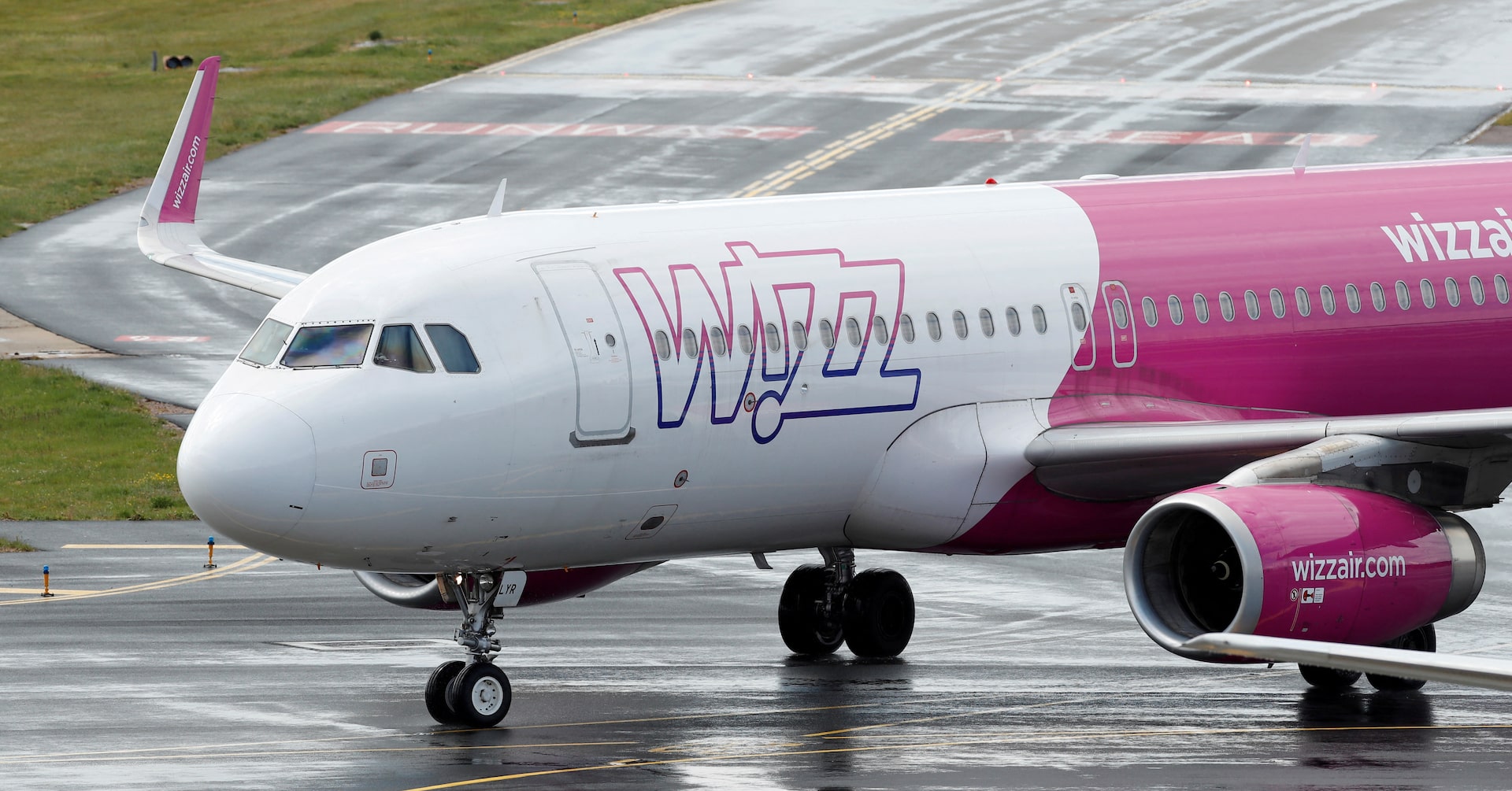
Frontier Airlines and Barclays Extend Credit Card Partnership with New Benefits


- Partnership Renewal: Frontier Airlines and Barclays have extended their 20-year credit card partnership, enhancing customer travel rewards and expanding earning opportunities, which significantly improves customer experience.
- New Benefits Launch: The renewal introduces more Frontier Miles benefits and premium travel options for Frontier customers, thereby increasing customer loyalty and enhancing market competitiveness.
- Marketing Opportunities: Barclays will now market special offers for its savings and personal loan products to Frontier customers, creating new market channels for Barclays while providing more financial options for Frontier's clientele.
- Strategic Implications: This partnership not only solidifies Frontier's position in the airline market but also enhances its brand image through collaboration with Barclays, further driving customer spending and business growth.
See More
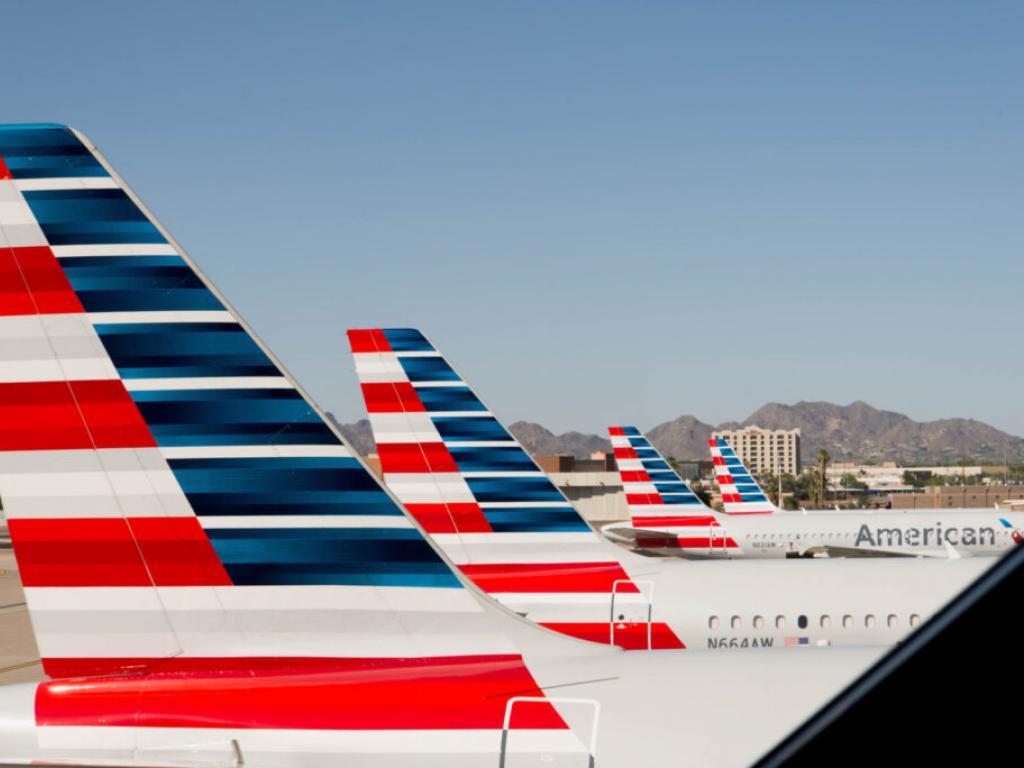
American Airlines Stock Surges Nearly 8% Amid Falling Oil Prices

- Oil Price Drop: Benchmark oil prices fell to their lowest levels since before the Iran war, with West Texas Intermediate and Brent crude trading at $70.20 and $73.42 per barrel respectively, easing cost pressures for airlines and potentially saving them billions in additional costs.
- Airline Stock Surge: American Airlines Group (AAL) saw its stock rise nearly 8%, while Alaska Air Group (ALK) and United Airlines Holdings (UAL) increased by about 7% each, and JetBlue Airways (JBLU) advanced approximately 6%, reflecting optimistic market sentiment towards the airline sector.
- Ticket Prices Stability: Although lower fuel costs may bolster airline earnings, ticket prices are unlikely to decline immediately due to tight capacity and prior bookings, which could impact consumer travel expenses in the short term.
- Retail Sentiment Analysis: According to Stocktwits, retail sentiment for AAL and UAL was 'bearish', while ALK was 'extremely bearish', contrasting with 'bullish' sentiment for JBLU, indicating significant differences in market perceptions of various airlines.
See More
Airline Stocks Surge as Crude Prices Plummet

- Crude Price Impact: Airline stocks rose between 3% and 7% on Wednesday as crude prices fell to their lowest since before the Iran war, raising hopes for easing earnings pressure on carriers, although fare reductions for passengers are unlikely to occur immediately.
- Record Airline Index: The S&P 500 Passenger Airlines index surged to an all-time high, up nearly 13% since June 12, while the S&P 500 benchmark dropped 0.5% during the same period, indicating strong performance in the airline sector.
- Cost Savings from Fuel: With crude supplies and prices easing, airlines are expected to save billions in additional costs, although immediate fare reductions remain unlikely due to tight capacity constraints.
- Analyst Optimism: UBS analysts noted that if fuel prices moderate, airlines' third-quarter earnings per share could outperform Wall Street expectations, particularly benefiting those with smaller fleets and a higher proportion of budget customers.
See More

Airlines Stand to Save Billions as Fuel Prices Drop


- Fuel Cost Reduction: Following an interim U.S.-Iran peace deal, airlines are poised to save over $40 billion annually on fuel costs, although passengers may not see immediate fare reductions as airlines leverage lower fuel expenses to rebuild margins.
- Fare and Fuel Cost Discrepancy: Despite airlines raising ticket prices to counteract rising fuel costs, data indicates that fuel prices surged three times faster than airfares from January to May, resulting in airlines recovering only about 60% of additional fuel expenditures.
- Uneven Market Response: Outside the U.S., fare relief is likely to be uneven, with airlines potentially maintaining firm fares where demand allows, particularly on short-haul routes, while long-haul fares may see some decline due to better pass-through of fuel costs.
- Uncertain Future Outlook: Whether airlines can sustain recent fare increases as fuel prices ease remains a critical question, with industry analysts noting that the strength of consumer demand will directly impact fare stability.
See More

Decline of Low-Cost Airline Options in the U.S.

- Market Shift: The exit of Spirit Airlines has reduced low-cost flight options, forcing consumers to face higher fares during the busy summer travel season, which may adversely affect families and budget travelers.
- Premium Market Growth: Delta Air Lines reported a record annual revenue of $58.3 billion for 2025, despite a $1.1 billion drop in economy ticket sales, with 60% of revenue now coming from premium cabins and loyalty programs, indicating a shift in consumer preference towards higher-end services.
- Fuel Cost Pressure: U.S. carriers spent 56.4% more on jet fuel in March 2026 compared to February, totaling $5.06 billion, which compels airlines to raise fares to cope with rising costs, significantly impacting smaller carriers.
- Future of Low-Cost Carriers: While new entrants like Breeze Airways aim to fill the void left by Spirit, high fuel costs and competitive pressures pose challenges to the profitability of low-cost airlines, leaving their future growth uncertain.
See More

Oil Price Drop Fuels Stock Market Rally


- Oil Price Impact: The drop in oil prices, driven by hopes for a US-Iran peace deal, eased gasoline prices from a peak above $4 per gallon, alleviating consumer budget pressures and potentially reviving discretionary spending.
- Airlines Benefit: The decline in oil prices directly benefits airlines, as fuel costs represent their largest operating expense, and lower fuel costs could enhance profitability, potentially driving stock prices higher.
- Strong Performance of Small Businesses: The Russell 2000 index gained over 1%, reflecting increased market confidence in small, domestically-focused businesses that are most sensitive to changes in energy costs and real incomes.
- Figs Stock Volatility: Figs shares rose 5.6%, despite having experienced 32 moves greater than 5% in the past year, indicating that while the market reacts significantly to oil price changes, it does not fundamentally alter perceptions of the company's business.
See More
Frontier Airlines and Barclays Extend Credit Card Partnership with New Benefits
- Partnership Renewal: Frontier Airlines and Barclays have extended their 20-year credit card partnership, enhancing customer travel rewards and expanding earning opportunities, which significantly improves customer experience.
- New Benefits Launch: The renewal introduces more Frontier Miles benefits and premium travel options for Frontier customers, thereby increasing customer loyalty and enhancing market competitiveness.
- Marketing Opportunities: Barclays will now market special offers for its savings and personal loan products to Frontier customers, creating new market channels for Barclays while providing more financial options for Frontier's clientele.
- Strategic Implications: This partnership not only solidifies Frontier's position in the airline market but also enhances its brand image through collaboration with Barclays, further driving customer spending and business growth.
See More
American Airlines Stock Surges Nearly 8% Amid Falling Oil Prices
- Oil Price Drop: Benchmark oil prices fell to their lowest levels since before the Iran war, with West Texas Intermediate and Brent crude trading at $70.20 and $73.42 per barrel respectively, easing cost pressures for airlines and potentially saving them billions in additional costs.
- Airline Stock Surge: American Airlines Group (AAL) saw its stock rise nearly 8%, while Alaska Air Group (ALK) and United Airlines Holdings (UAL) increased by about 7% each, and JetBlue Airways (JBLU) advanced approximately 6%, reflecting optimistic market sentiment towards the airline sector.
- Ticket Prices Stability: Although lower fuel costs may bolster airline earnings, ticket prices are unlikely to decline immediately due to tight capacity and prior bookings, which could impact consumer travel expenses in the short term.
- Retail Sentiment Analysis: According to Stocktwits, retail sentiment for AAL and UAL was 'bearish', while ALK was 'extremely bearish', contrasting with 'bullish' sentiment for JBLU, indicating significant differences in market perceptions of various airlines.
See More
Airline Stocks Surge as Crude Prices Plummet
- Crude Price Impact: Airline stocks rose between 3% and 7% on Wednesday as crude prices fell to their lowest since before the Iran war, raising hopes for easing earnings pressure on carriers, although fare reductions for passengers are unlikely to occur immediately.
- Record Airline Index: The S&P 500 Passenger Airlines index surged to an all-time high, up nearly 13% since June 12, while the S&P 500 benchmark dropped 0.5% during the same period, indicating strong performance in the airline sector.
- Cost Savings from Fuel: With crude supplies and prices easing, airlines are expected to save billions in additional costs, although immediate fare reductions remain unlikely due to tight capacity constraints.
- Analyst Optimism: UBS analysts noted that if fuel prices moderate, airlines' third-quarter earnings per share could outperform Wall Street expectations, particularly benefiting those with smaller fleets and a higher proportion of budget customers.
See More
Airlines Stand to Save Billions as Fuel Prices Drop
- Fuel Cost Reduction: Following an interim U.S.-Iran peace deal, airlines are poised to save over $40 billion annually on fuel costs, although passengers may not see immediate fare reductions as airlines leverage lower fuel expenses to rebuild margins.
- Fare and Fuel Cost Discrepancy: Despite airlines raising ticket prices to counteract rising fuel costs, data indicates that fuel prices surged three times faster than airfares from January to May, resulting in airlines recovering only about 60% of additional fuel expenditures.
- Uneven Market Response: Outside the U.S., fare relief is likely to be uneven, with airlines potentially maintaining firm fares where demand allows, particularly on short-haul routes, while long-haul fares may see some decline due to better pass-through of fuel costs.
- Uncertain Future Outlook: Whether airlines can sustain recent fare increases as fuel prices ease remains a critical question, with industry analysts noting that the strength of consumer demand will directly impact fare stability.
See More
Decline of Low-Cost Airline Options in the U.S.
- Market Shift: The exit of Spirit Airlines has reduced low-cost flight options, forcing consumers to face higher fares during the busy summer travel season, which may adversely affect families and budget travelers.
- Premium Market Growth: Delta Air Lines reported a record annual revenue of $58.3 billion for 2025, despite a $1.1 billion drop in economy ticket sales, with 60% of revenue now coming from premium cabins and loyalty programs, indicating a shift in consumer preference towards higher-end services.
- Fuel Cost Pressure: U.S. carriers spent 56.4% more on jet fuel in March 2026 compared to February, totaling $5.06 billion, which compels airlines to raise fares to cope with rising costs, significantly impacting smaller carriers.
- Future of Low-Cost Carriers: While new entrants like Breeze Airways aim to fill the void left by Spirit, high fuel costs and competitive pressures pose challenges to the profitability of low-cost airlines, leaving their future growth uncertain.
See More
Oil Price Drop Fuels Stock Market Rally
- Oil Price Impact: The drop in oil prices, driven by hopes for a US-Iran peace deal, eased gasoline prices from a peak above $4 per gallon, alleviating consumer budget pressures and potentially reviving discretionary spending.
- Airlines Benefit: The decline in oil prices directly benefits airlines, as fuel costs represent their largest operating expense, and lower fuel costs could enhance profitability, potentially driving stock prices higher.
- Strong Performance of Small Businesses: The Russell 2000 index gained over 1%, reflecting increased market confidence in small, domestically-focused businesses that are most sensitive to changes in energy costs and real incomes.
- Figs Stock Volatility: Figs shares rose 5.6%, despite having experienced 32 moves greater than 5% in the past year, indicating that while the market reacts significantly to oil price changes, it does not fundamentally alter perceptions of the company's business.
See More