

Ford Issues Recall of Nearly 750,000 Vehicles Over Transmission Defect
Written by Emily J. Thompson, Senior Investment Analyst
Updated: 1 hour ago
0mins
Source: seekingalpha
- Massive Recall: Ford has announced a recall of nearly 750,000 vehicles, including 2018 to 2021 Lincoln Navigators and Ford Explorers, due to a transmission defect that could cause the vehicle to roll while in park, significantly increasing safety risks.
- Free Repair Commitment: The company will replace damaged transmission parts and update vehicle software at no cost to owners, aiming to eliminate potential safety hazards while enhancing consumer trust and satisfaction with the brand.
- Quality Control Measures: As the domestic manufacturer with the most recalls, Ford is taking aggressive steps to improve quality control by leveraging veteran engineers to train staff and refine defect detection AI systems, thereby enhancing product quality.
- Stock Price Reaction: Ford's shares fell over 0.5% on Tuesday, challenging support at its 50-day moving average, reflecting market concerns over its quality issues and the undervaluation of its future earnings potential.
Trade with 70% Backtested Accuracy
Stop guessing "Should I Buy F?" and start using high-conviction signals backed by rigorous historical data.
Sign up today to access powerful investing tools and make smarter, data-driven decisions.
Analyst Views on F
Wall Street analysts forecast F stock price to fall
14 Analyst Rating
3 Buy
10 Hold
1 Sell
Hold
Current: 14.020

Low
11.00
Averages
13.65
High
16.00
Current: 14.020
Low
11.00
Averages
13.65
High
16.00
About F
Ford Motor Company develops and delivers Ford trucks, sport utility vehicles, commercial vans and cars, and Lincoln luxury vehicles, along with connected services, including BlueCruise (ADAS) and security. The Company's segments include Ford Blue, Ford Model e, Ford Pro, and Ford Credit. The Ford Blue segment primarily includes the sale of Ford and Lincoln internal combustion engine (ICE) and hybrid vehicles, service parts, accessories, and digital services for retail customers. The Ford Model e segment primarily includes the sale of its electric vehicles, service parts, accessories, and digital services for retail customers. The Ford Pro segment primarily includes the sale of Ford and Lincoln vehicles, service parts, accessories, and services for commercial, government, and rental customers. The Ford Credit segment consists of the Ford Credit business on a consolidated basis, which is primarily vehicle-related financing and leasing activities. Its vehicle brands are Ford and Lincoln.
About the author

Emily J. Thompson
Emily J. Thompson, a Chartered Financial Analyst (CFA) with 12 years in investment research, graduated with honors from the Wharton School. Specializing in industrial and technology stocks, she provides in-depth analysis for Intellectia’s earnings and market brief reports.

Ford's Share Price Rises 43%, Attracting Investors
- Stock Performance: Ford's share price has risen 43% since the beginning of 2025, as of June 26, reflecting positive market sentiment towards its financial results, with profits exceeding analyst estimates in four out of the last five quarters, indicating growing investor confidence in the company's future.
- Long-Term Investment Appeal: Despite a total return of 91% over the past decade, Ford's performance lags behind the S&P 500, highlighting the challenges it faces in a mature and competitive automotive market, which may lead investors to adopt a cautious outlook on its future performance.
- EV Strategy Restructuring: Ford has completely restructured its electric vehicle segment, incurring a $19.5 billion write-off, but aims to achieve a 50% global volume split between hybrids, EVs, and extended-range EVs by 2030, demonstrating its commitment to electrification.
- New Business Expansion: The recent launch of Ford Energy aims to start shipping battery systems to utilities and industrial customers by late 2027, which could enhance the company's profitability in the future, although it still faces challenges such as warranty costs and labor union pressures.
See More

Ford's Share Price Recovery and Future Outlook
- Share Price Surge: Since the beginning of 2025, Ford Motor Company (NYSE: F) has seen its share price rise by 43%, indicating market approval of its financial performance, particularly as profits exceeded analyst expectations in four of the last five quarters, attracting long-term investors' interest.
- Weak Revenue Growth: Despite a total return of 91% over the past decade, Ford's compound annual revenue growth rate stands at only 2.1%, highlighting the challenges investors face in a mature and highly competitive automotive industry.
- EV Strategy Overhaul: Ford has completely restructured its electric vehicle segment, incurring a $19.5 billion write-off, with a goal to achieve a 50% global volume split between hybrids, EVs, and extended-range EVs by 2030, thereby enhancing its competitive position in the market.
- New Business Expansion: The recent launch of Ford Energy aims to supply battery systems to utilities, data centers, and industrial customers by late 2027, which could contribute positively to Ford's bottom line, although the company still faces warranty costs and labor union pressures.
See More
Ford Issues Recall of Nearly 750,000 Vehicles Over Transmission Defect
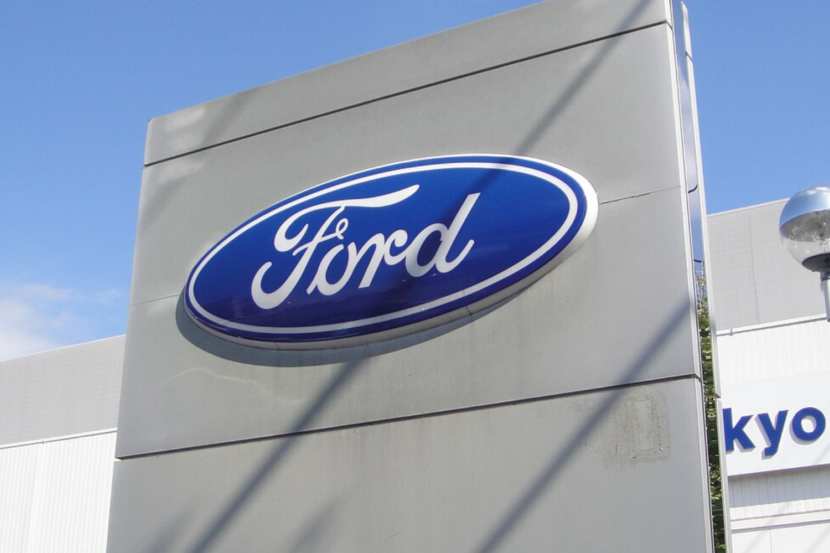
- Massive Recall: Ford has announced a recall of nearly 750,000 vehicles, including 2018 to 2021 Lincoln Navigators and Ford Explorers, due to a transmission defect that could cause the vehicle to roll while in park, significantly increasing safety risks.
- Free Repair Commitment: The company will replace damaged transmission parts and update vehicle software at no cost to owners, aiming to eliminate potential safety hazards while enhancing consumer trust and satisfaction with the brand.
- Quality Control Measures: As the domestic manufacturer with the most recalls, Ford is taking aggressive steps to improve quality control by leveraging veteran engineers to train staff and refine defect detection AI systems, thereby enhancing product quality.
- Stock Price Reaction: Ford's shares fell over 0.5% on Tuesday, challenging support at its 50-day moving average, reflecting market concerns over its quality issues and the undervaluation of its future earnings potential.
See More
Ford Rehires Quality Engineers Amid AI Limitations
- Human Resource Reinstatement: Ford has rehired over 300 seasoned quality engineers after realizing that AI cannot fully replace human expertise in vehicle quality checks, thereby enhancing its production line quality control capabilities.
- AI Technology Limitations: Despite Ford's gradual increase in AI usage on the production line, including AI-driven cameras to detect defects, executives acknowledged that these technologies failed to match the insights and judgment of experienced engineers, highlighting the importance of human-machine collaboration.
- Quality Achievement: Ford has regained its position as the leading brand among mainstream automakers in J.D. Power's Initial Quality Study, a feat not achieved since 2010, reflecting positive outcomes from changes in leadership across engineering, manufacturing, and supply chain.
- Training and Mentorship: The company plans to have returning veteran engineers assist in training AI while mentoring younger staff, emphasizing the irreplaceable role of human expertise in technological advancements, aiming to further enhance product quality and market competitiveness.
See More

Polestar Faces Ban on New Model Sales in the U.S.

- Sales Ban Impact: Polestar has been denied authorization to sell new models in the U.S. starting with the 2027 model year due to federal regulations based on national security concerns, which could jeopardize the brand's long-term viability in the American market.
- Dealer Dilemma: The ban has shocked Polestar dealers, particularly given the contrasting treatment with its sister brand Volvo, potentially affecting their business operations and future sales strategies as they now rely on servicing existing models.
- Consumer Concerns: Owners express worries about the continuity of warranty and software updates, especially with the potential limitations on the brand's service network, which undermines their confidence in future purchases.
- Market Reaction: While some consumers are hopeful for lower resale prices, the overall market sentiment towards Polestar's future remains cautious, which may damage the brand's reputation and customer loyalty.
See More
Ford Director's Insider Buying Sparks Interest
- Insider Buying: Ford Motor Co. Director John L. Thornton invested $148,880.18 in 10,600 shares at $14.05 each on June 23, indicating strong confidence in the company's future, which may attract investor interest.
- Market Reaction: On Monday, Ford shares traded as low as $13.97, below Thornton's purchase price, suggesting increasing demand for the stock and drawing in bargain hunters looking for entry points.
- Stock Performance: Ford's shares have fluctuated between a 52-week low of $10.68 and a high of $17.78, with the current trading price at $14.18, highlighting the stock's volatility and potential investment opportunities.
- Dividend Yield: Ford's annualized dividend stands at $0.6 per share, yielding approximately 4.2%, which may attract income-seeking investors, especially given its solid dividend payment history.
See More
Ford's Share Price Rises 43%, Attracting Investors
- Stock Performance: Ford's share price has risen 43% since the beginning of 2025, as of June 26, reflecting positive market sentiment towards its financial results, with profits exceeding analyst estimates in four out of the last five quarters, indicating growing investor confidence in the company's future.
- Long-Term Investment Appeal: Despite a total return of 91% over the past decade, Ford's performance lags behind the S&P 500, highlighting the challenges it faces in a mature and competitive automotive market, which may lead investors to adopt a cautious outlook on its future performance.
- EV Strategy Restructuring: Ford has completely restructured its electric vehicle segment, incurring a $19.5 billion write-off, but aims to achieve a 50% global volume split between hybrids, EVs, and extended-range EVs by 2030, demonstrating its commitment to electrification.
- New Business Expansion: The recent launch of Ford Energy aims to start shipping battery systems to utilities and industrial customers by late 2027, which could enhance the company's profitability in the future, although it still faces challenges such as warranty costs and labor union pressures.
See More
Ford's Share Price Recovery and Future Outlook
- Share Price Surge: Since the beginning of 2025, Ford Motor Company (NYSE: F) has seen its share price rise by 43%, indicating market approval of its financial performance, particularly as profits exceeded analyst expectations in four of the last five quarters, attracting long-term investors' interest.
- Weak Revenue Growth: Despite a total return of 91% over the past decade, Ford's compound annual revenue growth rate stands at only 2.1%, highlighting the challenges investors face in a mature and highly competitive automotive industry.
- EV Strategy Overhaul: Ford has completely restructured its electric vehicle segment, incurring a $19.5 billion write-off, with a goal to achieve a 50% global volume split between hybrids, EVs, and extended-range EVs by 2030, thereby enhancing its competitive position in the market.
- New Business Expansion: The recent launch of Ford Energy aims to supply battery systems to utilities, data centers, and industrial customers by late 2027, which could contribute positively to Ford's bottom line, although the company still faces warranty costs and labor union pressures.
See More
Ford Issues Recall of Nearly 750,000 Vehicles Over Transmission Defect
- Massive Recall: Ford has announced a recall of nearly 750,000 vehicles, including 2018 to 2021 Lincoln Navigators and Ford Explorers, due to a transmission defect that could cause the vehicle to roll while in park, significantly increasing safety risks.
- Free Repair Commitment: The company will replace damaged transmission parts and update vehicle software at no cost to owners, aiming to eliminate potential safety hazards while enhancing consumer trust and satisfaction with the brand.
- Quality Control Measures: As the domestic manufacturer with the most recalls, Ford is taking aggressive steps to improve quality control by leveraging veteran engineers to train staff and refine defect detection AI systems, thereby enhancing product quality.
- Stock Price Reaction: Ford's shares fell over 0.5% on Tuesday, challenging support at its 50-day moving average, reflecting market concerns over its quality issues and the undervaluation of its future earnings potential.
See More
Ford Rehires Quality Engineers Amid AI Limitations
- Human Resource Reinstatement: Ford has rehired over 300 seasoned quality engineers after realizing that AI cannot fully replace human expertise in vehicle quality checks, thereby enhancing its production line quality control capabilities.
- AI Technology Limitations: Despite Ford's gradual increase in AI usage on the production line, including AI-driven cameras to detect defects, executives acknowledged that these technologies failed to match the insights and judgment of experienced engineers, highlighting the importance of human-machine collaboration.
- Quality Achievement: Ford has regained its position as the leading brand among mainstream automakers in J.D. Power's Initial Quality Study, a feat not achieved since 2010, reflecting positive outcomes from changes in leadership across engineering, manufacturing, and supply chain.
- Training and Mentorship: The company plans to have returning veteran engineers assist in training AI while mentoring younger staff, emphasizing the irreplaceable role of human expertise in technological advancements, aiming to further enhance product quality and market competitiveness.
See More
Polestar Faces Ban on New Model Sales in the U.S.
- Sales Ban Impact: Polestar has been denied authorization to sell new models in the U.S. starting with the 2027 model year due to federal regulations based on national security concerns, which could jeopardize the brand's long-term viability in the American market.
- Dealer Dilemma: The ban has shocked Polestar dealers, particularly given the contrasting treatment with its sister brand Volvo, potentially affecting their business operations and future sales strategies as they now rely on servicing existing models.
- Consumer Concerns: Owners express worries about the continuity of warranty and software updates, especially with the potential limitations on the brand's service network, which undermines their confidence in future purchases.
- Market Reaction: While some consumers are hopeful for lower resale prices, the overall market sentiment towards Polestar's future remains cautious, which may damage the brand's reputation and customer loyalty.
See More
Ford Director's Insider Buying Sparks Interest
- Insider Buying: Ford Motor Co. Director John L. Thornton invested $148,880.18 in 10,600 shares at $14.05 each on June 23, indicating strong confidence in the company's future, which may attract investor interest.
- Market Reaction: On Monday, Ford shares traded as low as $13.97, below Thornton's purchase price, suggesting increasing demand for the stock and drawing in bargain hunters looking for entry points.
- Stock Performance: Ford's shares have fluctuated between a 52-week low of $10.68 and a high of $17.78, with the current trading price at $14.18, highlighting the stock's volatility and potential investment opportunities.
- Dividend Yield: Ford's annualized dividend stands at $0.6 per share, yielding approximately 4.2%, which may attract income-seeking investors, especially given its solid dividend payment history.
See More





