FINRA Probes Morgan Stanley's Use of Junior Bankers in Budapest
Written by Emily J. Thompson, Senior Investment Analyst
Updated: May 05 2026
0mins
Should l Buy MS?
FINRA is probing Morgan Stanley's use of junior bankers in Budapest, hired to handle offshore modeling and support work, for potential issues around supervision and client interaction, The Wall Street Journal's Alexander Saeedy reports. The inquiry is at an early stage, according to people familiar with the matter.
Trade with 70% Backtested Accuracy
Stop guessing "Should I Buy MS?" and start using high-conviction signals backed by rigorous historical data.
Sign up today to access powerful investing tools and make smarter, data-driven decisions.
Analyst Views on MS
Wall Street analysts forecast MS stock price to fall
14 Analyst Rating
7 Buy
7 Hold
0 Sell
Moderate Buy
Current: 193.830

Low
132.00
Averages
185.00
High
219.00
Current: 193.830
Low
132.00
Averages
185.00
High
219.00
About MS
Morgan Stanley is a global financial services company. The Company is engaged in providing a range of investment banking, securities, wealth management and investment management services. Its segments include Institutional Securities, Wealth Management and Investment Management. Its Institutional Securities segment provides a variety of products and services to corporations, governments, financial institutions and ultra-high net worth clients. Its Wealth Management segment provides an array of financial services and solutions to individual investors and small to medium-sized businesses and institutions. Its Investment Management segment provides a range of investment strategies and products that span geographies, asset classes, and public and private markets to a diverse group of clients across institutional and intermediary channels. Its investment banking services consist of capital raising and financial advisory services, including the underwriting of debt and other products.
About the author

Emily J. Thompson
Emily J. Thompson, a Chartered Financial Analyst (CFA) with 12 years in investment research, graduated with honors from the Wharton School. Specializing in industrial and technology stocks, she provides in-depth analysis for Intellectia’s earnings and market brief reports.

Wise Debuts on Nasdaq, Expands U.S. Operations

- Cross-Border Payment Growth: In fiscal 2026, Wise processed $243 billion in cross-border volume, marking a 31% year-over-year increase, which underscores the company's robust growth momentum in the global payments market and solidifies its position in international financial services.
- Revenue Increase: Wise's net revenue rose 19% to $2.5 billion in fiscal 2026, with transaction revenue growing 22% to $1.9 billion, demonstrating its profitability and market appeal in the competitive fintech landscape.
- U.S. Market Strategy: Wise has applied for a U.S. national trust bank charter and plans to obtain a Federal Reserve master account, which would enable it to clear U.S. dollar payments directly, reducing costs and enhancing control over its operations in the U.S. market.
- Fee Advantage: With an average fee of 0.52%, significantly lower than the 3% to 5% typical for traditional providers, Wise possesses a notable competitive edge in cross-border payments, likely attracting more customers and increasing market share.
See More
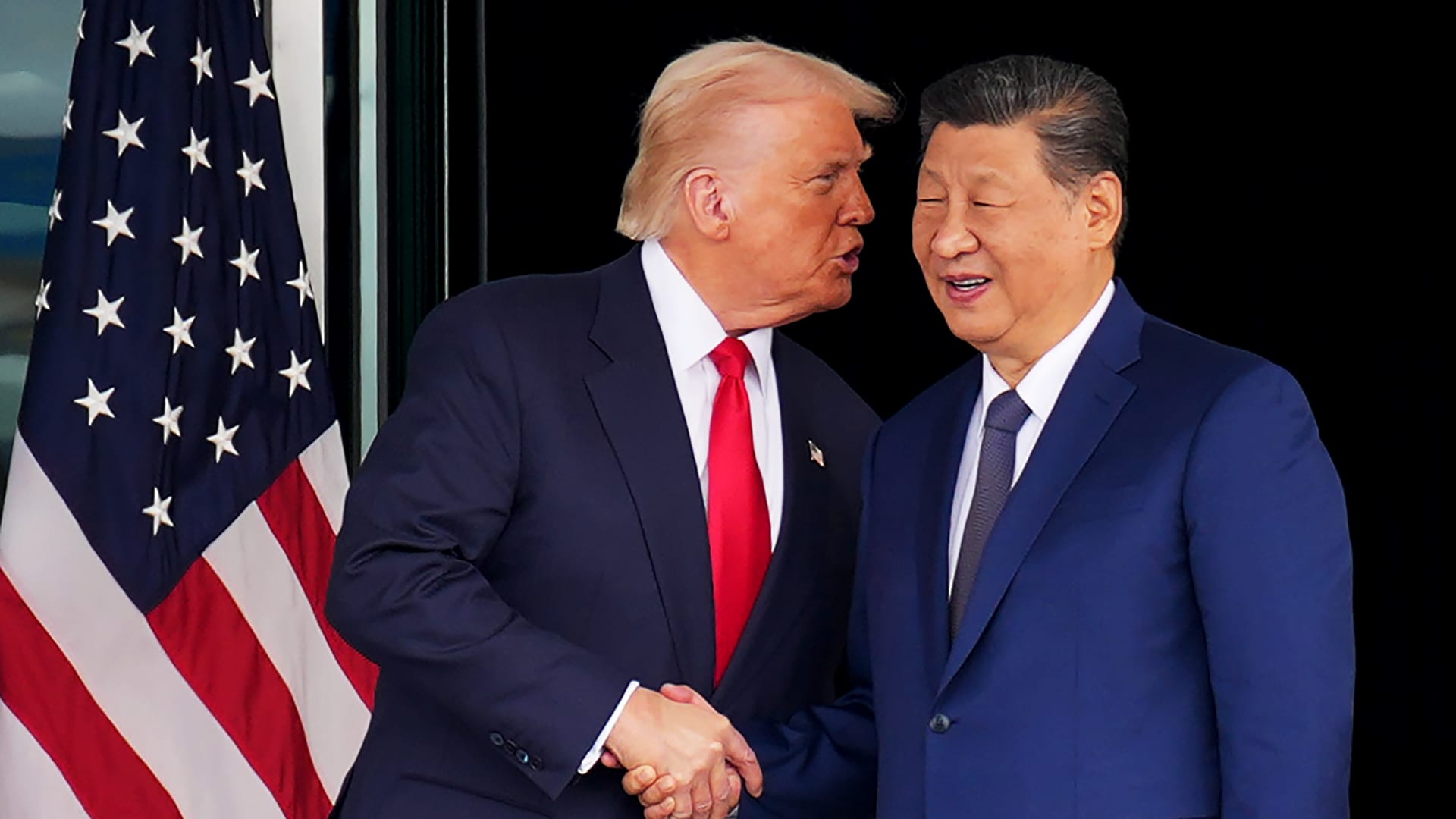
US-India Relations Face New Challenges Amidst US-China Summit


- Tension in US-India Relations: The shift in the Trump administration's China policy has strained US-India relations, with experts noting India's concerns that the US may prioritize China as the main negotiating partner, thereby diminishing India's strategic role in the Indo-Pacific.
- Need for Enhanced Strategic Value: To counter potential marginalization, India must establish more tangible cooperation with the US in sectors such as defense, maritime security, and critical minerals, thereby enhancing its strategic value and ensuring its importance in US-China relations.
- Changes in Trade Policy: The Trump administration's trade policy has become more transactional, with a 25% penalty tariff imposed on India last year for allegedly profiting from cheap Russian oil, further deteriorating bilateral relations.
- Concerns Over G2 Concept: India's attention to the US-China summit has intensified, with fears that the so-called 'G2' concept may marginalize middle powers like India, impacting its voice and influence in international affairs.
See More
Citadel Relocates Core Researchers from Hong Kong Amid Strategic Shift

- Team Relocation: Hedge fund Citadel has recently moved some of its core researchers out of Hong Kong, with some opting to relocate to Singapore or Miami, indicating a strategic adjustment in its global operations.
- Data Security Concerns: Although reports suggest that the relocations are linked to data security issues, Citadel has clarified that these moves are unrelated to such concerns, emphasizing the implementation of its global co-location strategy.
- Ongoing Recruitment: Citadel continues to actively hire quantitative researchers in both Hong Kong and Singapore, demonstrating the company's sustained investment and confidence in these markets.
- Asset Management Scale: As of April 1, Citadel managed $67 billion in assets, and as one of the world's most profitable hedge funds, its strategic adjustments may influence future investment directions.
See More

IEA Warns of Oil Price Surge Amid Supply Disruptions
- Global Supply Decline: The IEA reported a further decline of 1.8 million barrels per day in global oil supply in April, totaling 12.8 million barrels per day lost since the U.S.-Israeli war began on February 28, creating unprecedented supply pressure that could drive oil prices higher.
- Demand Contraction Forecast: A contraction of 420,000 barrels per day in global oil demand is expected by the end of 2026, reducing consumption to 104 million barrels per day, with the petrochemical and aviation sectors being the most affected, reflecting the dual pressures of a weakening economic environment and demand-saving measures.
- Historic Supply Disruption: Morgan Stanley emphasized that this supply disruption is the largest in oil market history, predicting an additional loss of one billion barrels by 2026 due to the time required to restart oilfields and repair refineries, further tightening market conditions.
- OPEC+ Production Increase: OPEC+ agreed to increase oil output by 188,000 barrels per day on May 3 to mitigate supply losses, despite the UAE's official exit from the group on May 1, with the seven major oil-producing countries demonstrating efforts to stabilize the market through increased production plans.
See More
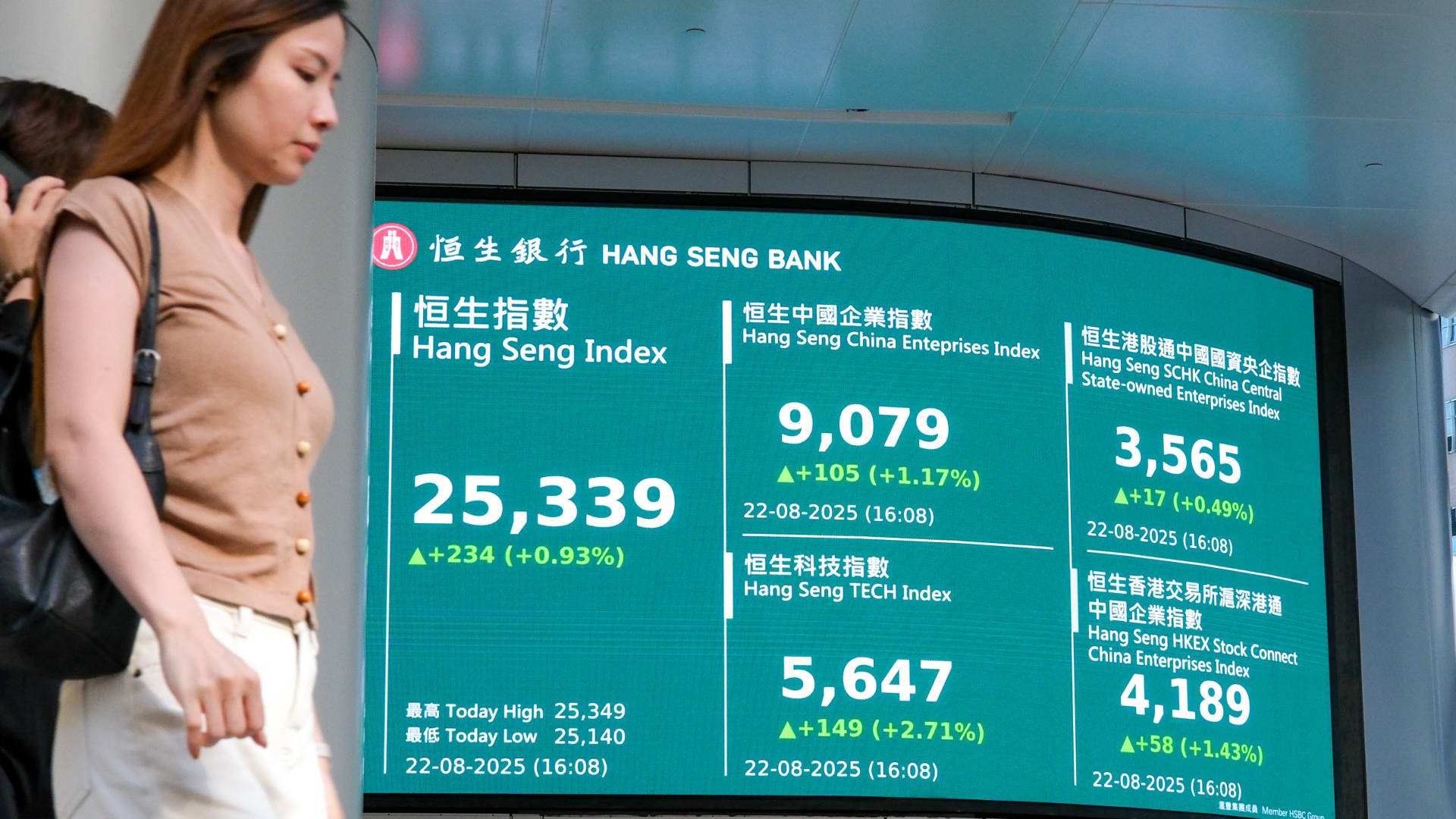
Morgan Stanley Optimistic on Chinese Equities Outlook
- Earnings Improvement Outlook: Morgan Stanley forecasts moderate upside for Chinese equities over the next 12 months, driven by improved earnings, dominance in global upstream supply chains, and the yuan's strength against the dollar, which is expected to attract more investor interest in the Chinese market.
- Price Target Setting: The bank has set new price targets for Q2 2027, with 28,400 for the Hang Seng, 91 for MSCI China, 9,900 for HSCEI, and 5,400 for CSI-300, implying upsides of 8%, 12%, 11%, and 11% respectively, reflecting confidence in the Chinese market.
- Tech Stocks as Top Picks: Morgan Stanley highlights stocks with strong tech and innovation capabilities as top picks due to their alignment with China's 15th Five-Year Plan and potential for a larger global footprint in meeting energy demand, showcasing China's competitive edge in high-end power and green tech.
- Impact of US-China Summit: The upcoming Trump-Xi meeting may yield
See More
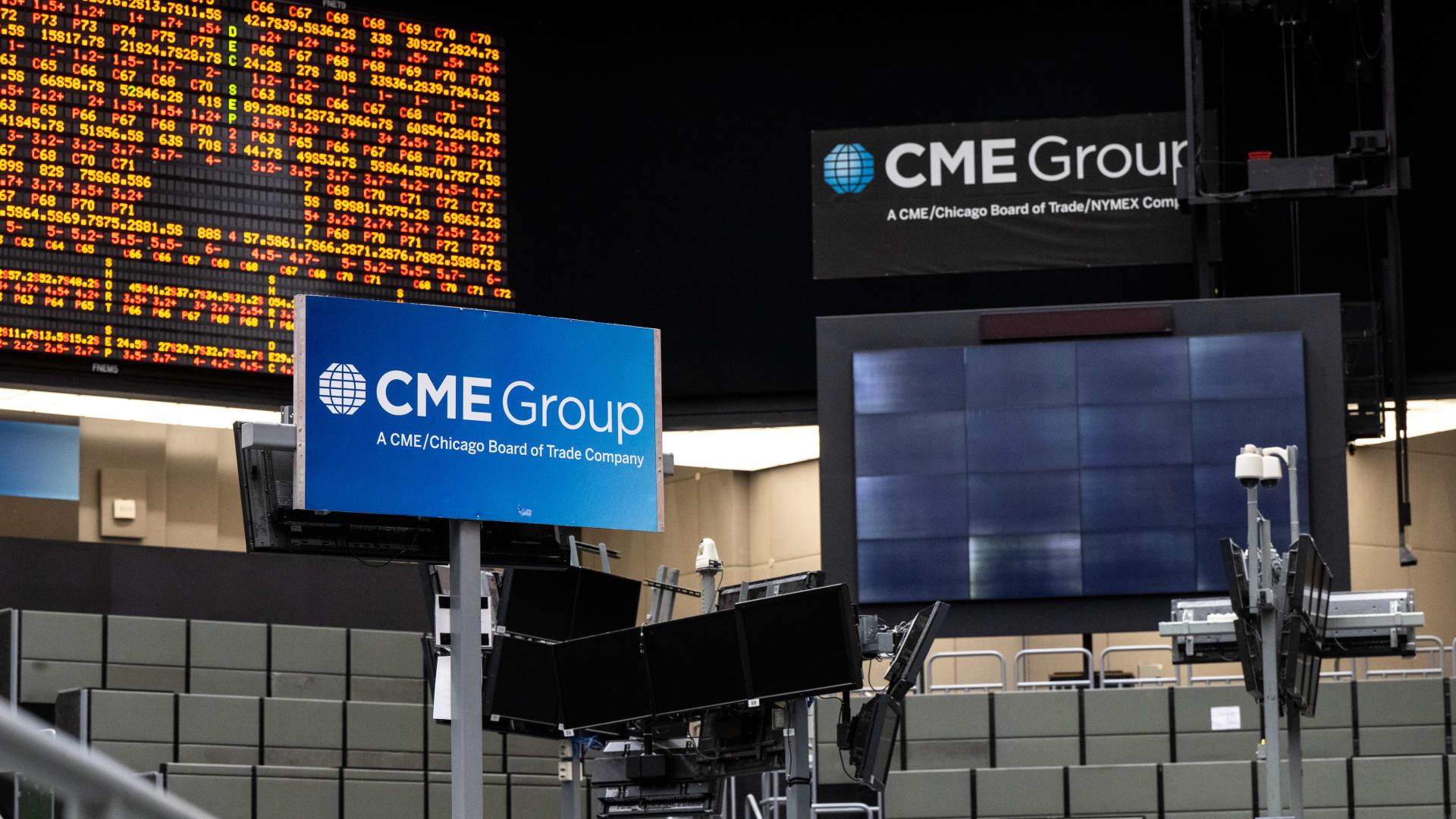
CME Group Launches Semiconductor Futures Market for AI Investments

- New Futures Market Launch: CME Group's joint venture with Silicon Data introduces a semiconductor futures market that allows traders to hedge against rising computing costs, enhancing the security and stability of AI investments.
- GPU Price Index Basis: Contracts in this market will be based on Silicon Data's graphics processing unit (GPU) price index, enabling investors to lock in prices for computing capacity, effectively addressing rising GPU rental fees and operational costs.
- Standardized Pricing Tools: CEO Carmen Li emphasized that the launch of compute futures is a significant step in providing AI builders, cloud providers, and investors with more reliable tools for valuation, hedging, and long-term planning, addressing the historical lack of standardized reference pricing in the GPU market.
- Sustained Market Demand: Analyst Shawn Kim noted that future AI systems will require entirely new CPU and GPU server architectures, driving a surge in demand for memory chips, with manufacturers projected to achieve substantial profit margins this year and next.
See More
Wise Debuts on Nasdaq, Expands U.S. Operations
- Cross-Border Payment Growth: In fiscal 2026, Wise processed $243 billion in cross-border volume, marking a 31% year-over-year increase, which underscores the company's robust growth momentum in the global payments market and solidifies its position in international financial services.
- Revenue Increase: Wise's net revenue rose 19% to $2.5 billion in fiscal 2026, with transaction revenue growing 22% to $1.9 billion, demonstrating its profitability and market appeal in the competitive fintech landscape.
- U.S. Market Strategy: Wise has applied for a U.S. national trust bank charter and plans to obtain a Federal Reserve master account, which would enable it to clear U.S. dollar payments directly, reducing costs and enhancing control over its operations in the U.S. market.
- Fee Advantage: With an average fee of 0.52%, significantly lower than the 3% to 5% typical for traditional providers, Wise possesses a notable competitive edge in cross-border payments, likely attracting more customers and increasing market share.
See More
US-India Relations Face New Challenges Amidst US-China Summit
- Tension in US-India Relations: The shift in the Trump administration's China policy has strained US-India relations, with experts noting India's concerns that the US may prioritize China as the main negotiating partner, thereby diminishing India's strategic role in the Indo-Pacific.
- Need for Enhanced Strategic Value: To counter potential marginalization, India must establish more tangible cooperation with the US in sectors such as defense, maritime security, and critical minerals, thereby enhancing its strategic value and ensuring its importance in US-China relations.
- Changes in Trade Policy: The Trump administration's trade policy has become more transactional, with a 25% penalty tariff imposed on India last year for allegedly profiting from cheap Russian oil, further deteriorating bilateral relations.
- Concerns Over G2 Concept: India's attention to the US-China summit has intensified, with fears that the so-called 'G2' concept may marginalize middle powers like India, impacting its voice and influence in international affairs.
See More
Citadel Relocates Core Researchers from Hong Kong Amid Strategic Shift
- Team Relocation: Hedge fund Citadel has recently moved some of its core researchers out of Hong Kong, with some opting to relocate to Singapore or Miami, indicating a strategic adjustment in its global operations.
- Data Security Concerns: Although reports suggest that the relocations are linked to data security issues, Citadel has clarified that these moves are unrelated to such concerns, emphasizing the implementation of its global co-location strategy.
- Ongoing Recruitment: Citadel continues to actively hire quantitative researchers in both Hong Kong and Singapore, demonstrating the company's sustained investment and confidence in these markets.
- Asset Management Scale: As of April 1, Citadel managed $67 billion in assets, and as one of the world's most profitable hedge funds, its strategic adjustments may influence future investment directions.
See More
IEA Warns of Oil Price Surge Amid Supply Disruptions
- Global Supply Decline: The IEA reported a further decline of 1.8 million barrels per day in global oil supply in April, totaling 12.8 million barrels per day lost since the U.S.-Israeli war began on February 28, creating unprecedented supply pressure that could drive oil prices higher.
- Demand Contraction Forecast: A contraction of 420,000 barrels per day in global oil demand is expected by the end of 2026, reducing consumption to 104 million barrels per day, with the petrochemical and aviation sectors being the most affected, reflecting the dual pressures of a weakening economic environment and demand-saving measures.
- Historic Supply Disruption: Morgan Stanley emphasized that this supply disruption is the largest in oil market history, predicting an additional loss of one billion barrels by 2026 due to the time required to restart oilfields and repair refineries, further tightening market conditions.
- OPEC+ Production Increase: OPEC+ agreed to increase oil output by 188,000 barrels per day on May 3 to mitigate supply losses, despite the UAE's official exit from the group on May 1, with the seven major oil-producing countries demonstrating efforts to stabilize the market through increased production plans.
See More
Morgan Stanley Optimistic on Chinese Equities Outlook
- Earnings Improvement Outlook: Morgan Stanley forecasts moderate upside for Chinese equities over the next 12 months, driven by improved earnings, dominance in global upstream supply chains, and the yuan's strength against the dollar, which is expected to attract more investor interest in the Chinese market.
- Price Target Setting: The bank has set new price targets for Q2 2027, with 28,400 for the Hang Seng, 91 for MSCI China, 9,900 for HSCEI, and 5,400 for CSI-300, implying upsides of 8%, 12%, 11%, and 11% respectively, reflecting confidence in the Chinese market.
- Tech Stocks as Top Picks: Morgan Stanley highlights stocks with strong tech and innovation capabilities as top picks due to their alignment with China's 15th Five-Year Plan and potential for a larger global footprint in meeting energy demand, showcasing China's competitive edge in high-end power and green tech.
- Impact of US-China Summit: The upcoming Trump-Xi meeting may yield
See More
CME Group Launches Semiconductor Futures Market for AI Investments
- New Futures Market Launch: CME Group's joint venture with Silicon Data introduces a semiconductor futures market that allows traders to hedge against rising computing costs, enhancing the security and stability of AI investments.
- GPU Price Index Basis: Contracts in this market will be based on Silicon Data's graphics processing unit (GPU) price index, enabling investors to lock in prices for computing capacity, effectively addressing rising GPU rental fees and operational costs.
- Standardized Pricing Tools: CEO Carmen Li emphasized that the launch of compute futures is a significant step in providing AI builders, cloud providers, and investors with more reliable tools for valuation, hedging, and long-term planning, addressing the historical lack of standardized reference pricing in the GPU market.
- Sustained Market Demand: Analyst Shawn Kim noted that future AI systems will require entirely new CPU and GPU server architectures, driving a surge in demand for memory chips, with manufacturers projected to achieve substantial profit margins this year and next.
See More