Eurozone output continues to rise as manufacturing returns to growth in March
Written by Emily J. Thompson, Senior Investment Analyst
Updated: Mar 24 2025
0mins


Source: SeekingAlpha
Eurozone Manufacturing and Services PMI: The HCOB Flash Eurozone manufacturing PMI rose to a 26-month high of 48.70 in March, while the composite PMI reached a 7-month high of 50.40, indicating growth in both manufacturing and services despite a slight decrease in services activity.
Economic Outlook and Challenges: Business expectations remain low in the services sector due to ongoing challenges such as tariffs and geopolitical tensions, although there is potential for Europe to unify on reforms and defense spending amidst these uncertainties.
Trade with 70% Backtested Accuracy
Stop guessing "Should I Buy GF?" and start using high-conviction signals backed by rigorous historical data.
Sign up today to access powerful investing tools and make smarter, data-driven decisions.
Analyst Views on GF
Wall Street analysts forecast GF stock price to rise
0 Analyst Rating
0 Buy
0 Hold
0 Sell
Current: 11.640

Low
Averages
High
Current: 11.640
Low
Averages
High

No data
About GF
The New Germany Fund, Inc. (the Fund) is a diversified, closed-end management investment company. The Fund seeks long-term capital appreciation primarily through investment in middle-market German equities. The focus of the Fund's investments lies within Germany. Under normal market conditions at least 80% of the Fund’s net assets are invested in equity or equity-linked securities. The Fund invests in range of sectors, which include aerospace and defense; auto components; automobiles; banks; building products; chemicals; electrical equipment; independent power and renewable electricity producers; insurance; Internet and direct marketing retail; information technology (IT) services, life sciences tools and services; metals and mining; real estate management and development; software; textiles, apparel and luxury goods; trading companies and distributors; diversified financial services; commercial services and supplies, and others. The Fund's investment advisor is DWS International GmbH.
About the author

Emily J. Thompson
Emily J. Thompson, a Chartered Financial Analyst (CFA) with 12 years in investment research, graduated with honors from the Wharton School. Specializing in industrial and technology stocks, she provides in-depth analysis for Intellectia’s earnings and market brief reports.

European Markets Edge Up Cautiously Amid Peace Negotiations

- Italy's Current Account Surplus: Italy recorded a current account surplus of €3.6 billion in February, indicating strong performance in international trade, which may support future economic growth prospects.
- Slovakia's Narrowing Deficit: Slovakia's current account deficit narrowed to €397.9 million in February, suggesting progress in improving trade balance, which could enhance investor confidence in the region.
- Cautious Market Sentiment: Investors adopted a cautious stance while awaiting clearer signals on US-Iran peace negotiations, potentially leading to increased market volatility and impacting short-term investment decisions.
- Falling Natural Gas Futures: UK natural gas futures fell to around 105 pence per therm, hovering near a six-week low, reflecting market hopes for an end to the Middle East conflict, which may influence supply-demand dynamics in the energy market.
See More

Euro Area Inflation Rate Rises to 2.6%
- Inflation Rate Increase: In March 2026, the Euro Area inflation rate rose to 2.6% from 1.9% in February, exceeding the market estimate of 2.5%, indicating economic recovery pressures that may prompt adjustments in ECB policy.
- Consumer Price Index Growth: The Consumer Price Index increased by 1.3% month-over-month in March, surpassing the expected 1.2%, suggesting rising consumer spending that could boost corporate profits and influence future pricing strategies.
- Multiple Factors Driving Inflation: Services, energy, food, alcohol & tobacco, and non-energy industrial goods all contributed positively to the annual inflation rate, reflecting a diversified economic recovery that may lead policymakers to reassess monetary policy.
- Cautious Market Reaction: Despite rising inflation, European markets climbed cautiously on hopes for ceasefire extensions, indicating market sensitivity to geopolitical risks and the potential impact on economic stability.
See More

UK GDP Grows 0.5% as Imports Outpace Exports
- Economic Growth Data: The UK's GDP expanded by 0.5% in March, indicating signs of economic recovery, although imports outpaced exports, which may affect trade balance and reflect strong domestic demand.
- European Market Performance: The pan-European Stoxx 600 index rose by 0.23% amid optimism regarding de-escalation in the Middle East, suggesting that investors expect future market stability, potentially attracting more capital inflows.
- Inflation and Price Dynamics: Austria's annual inflation rate rose to 3.2% in March, while Switzerland's producer and import prices declined by 2.7% year-on-year, highlighting differences in inflation pressures and price adjustments across countries, which may influence monetary policy decisions.
- Bond Market Reaction: The yield on the US 10-year Treasury remained flat at 4.27%, while the UK and Germany's 10-year yields fell by 2 and 3 basis points respectively, reflecting a cautious market outlook on future interest rate trends.
See More

European Inflation Data and Luxury Sales Decline
- French Inflation Rise: France's inflation rate increased to 1.7% in March, meeting estimates and indicating a moderate economic recovery, yet it may still exert pressure on consumer spending.
- Poland and Slovakia Inflation: Poland's annual inflation rate rose to 3% in March, while Slovakia's eased slightly to 3.5%, reflecting varying responses to inflationary pressures across different countries.
- Luxury Stocks Decline: Following disappointing Q1 sales from Hermès and Kering, luxury stocks fell to the bottom of the Stoxx 600, highlighting the negative impact of the Middle East conflict on demand and European tourism, which could pose challenges for the entire luxury sector.
- Stable Bond Market: The yield on the US 10-year Treasury remained flat at 4.26%, while the UK and Germany's 10-year yields decreased by 1 basis point to 4.78% and 3.02%, respectively, indicating a cautious market outlook on future economic trends.
See More

Analysis of GF Stock's 52-Week Highs and Lows
- Price Fluctuation Analysis: GF's stock has a 52-week low of $9.7578 and a high of $12.82, with the last trade at $11.50, indicating volatility within this range and reflecting market interest in the stock.
- Technical Indicator Observation: The current price of GF stock is close to its 52-week high, suggesting potential for a technical rebound, which may lead investors to monitor whether it can break this resistance level, impacting future investment decisions.
- Market Trend Influence: GF's performance is closely tied to overall market trends, with its current price above the 200-day moving average, potentially attracting more investor attention and driving the stock price upward.
- Investor Sentiment Assessment: Although the current stock price has not reached the 52-week high, its stability and performance near this peak may enhance investor confidence, leading to increased capital inflow into the stock.
See More
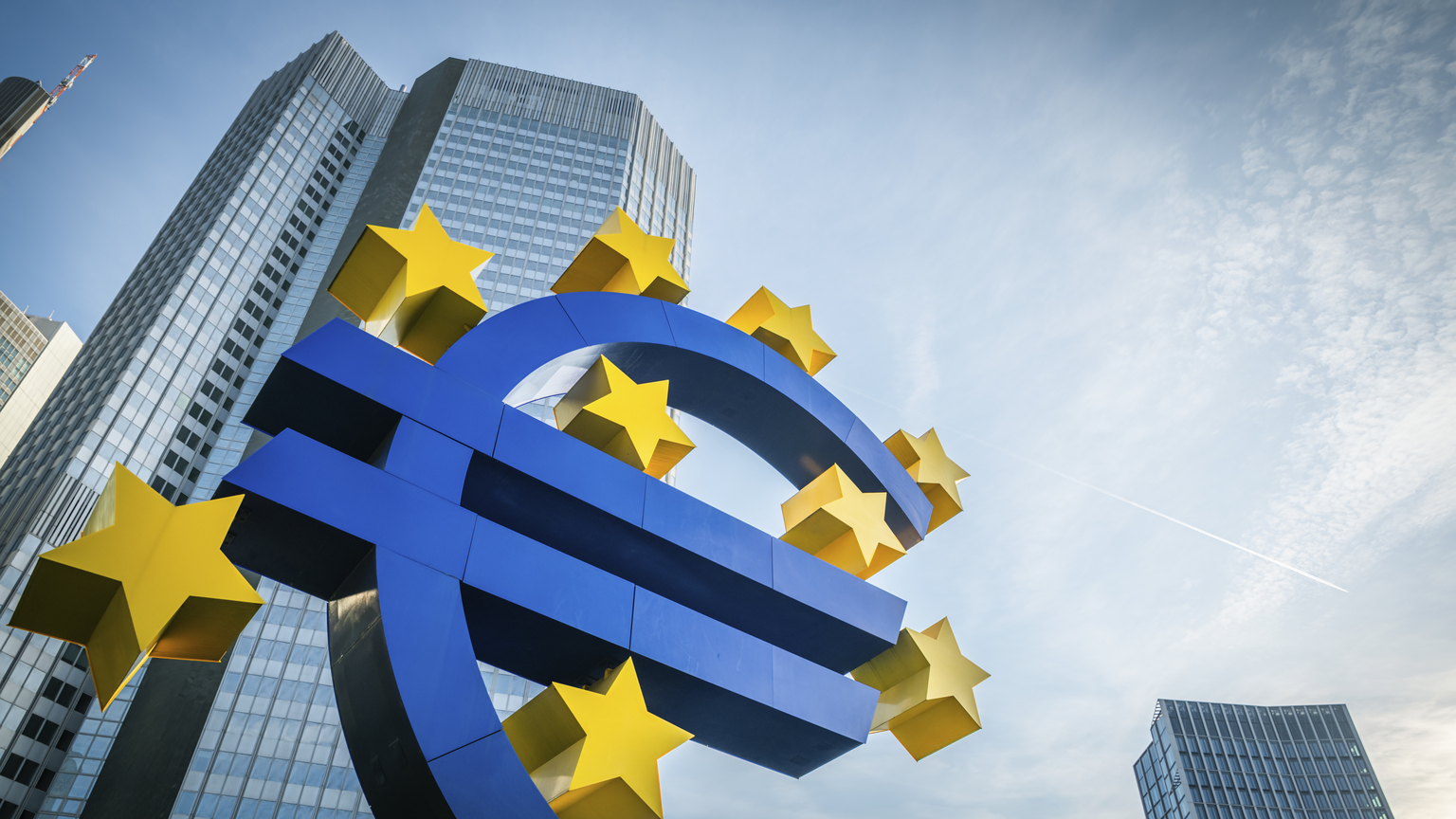
ECB Calls for Expanded Authority Over Bank Capital Requirements
- Regulatory Power Expansion: The European Central Bank has urged lawmakers to expand its authority over bank capital requirements to better identify overlaps and potential blind spots in the system, thereby enhancing the overall stability and competitiveness of the banking sector.
- Market Consistency: The ECB emphasizes that a unified regulatory perspective will ensure consistency in capital rules across the euro area, warning that fragmentation and regulatory complexity are undermining the competitiveness of the region's banking sector.
- Cross-Border Competitive Advantage: Improved market integration and cross-border competition can enable banks to better achieve economies of scale and diversify their activities, which not only enhances their business models but also strengthens their resilience against financial shocks.
- Policy Recommendations Submission: This proposal is part of 17 recommendations submitted by the ECB to the European Commission aimed at bolstering the competitiveness of EU banks against their peers in the U.S. and the broader global market.
See More
European Markets Edge Up Cautiously Amid Peace Negotiations
- Italy's Current Account Surplus: Italy recorded a current account surplus of €3.6 billion in February, indicating strong performance in international trade, which may support future economic growth prospects.
- Slovakia's Narrowing Deficit: Slovakia's current account deficit narrowed to €397.9 million in February, suggesting progress in improving trade balance, which could enhance investor confidence in the region.
- Cautious Market Sentiment: Investors adopted a cautious stance while awaiting clearer signals on US-Iran peace negotiations, potentially leading to increased market volatility and impacting short-term investment decisions.
- Falling Natural Gas Futures: UK natural gas futures fell to around 105 pence per therm, hovering near a six-week low, reflecting market hopes for an end to the Middle East conflict, which may influence supply-demand dynamics in the energy market.
See More
Euro Area Inflation Rate Rises to 2.6%
- Inflation Rate Increase: In March 2026, the Euro Area inflation rate rose to 2.6% from 1.9% in February, exceeding the market estimate of 2.5%, indicating economic recovery pressures that may prompt adjustments in ECB policy.
- Consumer Price Index Growth: The Consumer Price Index increased by 1.3% month-over-month in March, surpassing the expected 1.2%, suggesting rising consumer spending that could boost corporate profits and influence future pricing strategies.
- Multiple Factors Driving Inflation: Services, energy, food, alcohol & tobacco, and non-energy industrial goods all contributed positively to the annual inflation rate, reflecting a diversified economic recovery that may lead policymakers to reassess monetary policy.
- Cautious Market Reaction: Despite rising inflation, European markets climbed cautiously on hopes for ceasefire extensions, indicating market sensitivity to geopolitical risks and the potential impact on economic stability.
See More
UK GDP Grows 0.5% as Imports Outpace Exports
- Economic Growth Data: The UK's GDP expanded by 0.5% in March, indicating signs of economic recovery, although imports outpaced exports, which may affect trade balance and reflect strong domestic demand.
- European Market Performance: The pan-European Stoxx 600 index rose by 0.23% amid optimism regarding de-escalation in the Middle East, suggesting that investors expect future market stability, potentially attracting more capital inflows.
- Inflation and Price Dynamics: Austria's annual inflation rate rose to 3.2% in March, while Switzerland's producer and import prices declined by 2.7% year-on-year, highlighting differences in inflation pressures and price adjustments across countries, which may influence monetary policy decisions.
- Bond Market Reaction: The yield on the US 10-year Treasury remained flat at 4.27%, while the UK and Germany's 10-year yields fell by 2 and 3 basis points respectively, reflecting a cautious market outlook on future interest rate trends.
See More
European Inflation Data and Luxury Sales Decline
- French Inflation Rise: France's inflation rate increased to 1.7% in March, meeting estimates and indicating a moderate economic recovery, yet it may still exert pressure on consumer spending.
- Poland and Slovakia Inflation: Poland's annual inflation rate rose to 3% in March, while Slovakia's eased slightly to 3.5%, reflecting varying responses to inflationary pressures across different countries.
- Luxury Stocks Decline: Following disappointing Q1 sales from Hermès and Kering, luxury stocks fell to the bottom of the Stoxx 600, highlighting the negative impact of the Middle East conflict on demand and European tourism, which could pose challenges for the entire luxury sector.
- Stable Bond Market: The yield on the US 10-year Treasury remained flat at 4.26%, while the UK and Germany's 10-year yields decreased by 1 basis point to 4.78% and 3.02%, respectively, indicating a cautious market outlook on future economic trends.
See More
Analysis of GF Stock's 52-Week Highs and Lows
- Price Fluctuation Analysis: GF's stock has a 52-week low of $9.7578 and a high of $12.82, with the last trade at $11.50, indicating volatility within this range and reflecting market interest in the stock.
- Technical Indicator Observation: The current price of GF stock is close to its 52-week high, suggesting potential for a technical rebound, which may lead investors to monitor whether it can break this resistance level, impacting future investment decisions.
- Market Trend Influence: GF's performance is closely tied to overall market trends, with its current price above the 200-day moving average, potentially attracting more investor attention and driving the stock price upward.
- Investor Sentiment Assessment: Although the current stock price has not reached the 52-week high, its stability and performance near this peak may enhance investor confidence, leading to increased capital inflow into the stock.
See More
ECB Calls for Expanded Authority Over Bank Capital Requirements
- Regulatory Power Expansion: The European Central Bank has urged lawmakers to expand its authority over bank capital requirements to better identify overlaps and potential blind spots in the system, thereby enhancing the overall stability and competitiveness of the banking sector.
- Market Consistency: The ECB emphasizes that a unified regulatory perspective will ensure consistency in capital rules across the euro area, warning that fragmentation and regulatory complexity are undermining the competitiveness of the region's banking sector.
- Cross-Border Competitive Advantage: Improved market integration and cross-border competition can enable banks to better achieve economies of scale and diversify their activities, which not only enhances their business models but also strengthens their resilience against financial shocks.
- Policy Recommendations Submission: This proposal is part of 17 recommendations submitted by the ECB to the European Commission aimed at bolstering the competitiveness of EU banks against their peers in the U.S. and the broader global market.
See More