Escalating Strait of Hormuz Situation Drives Oil Prices Higher
Written by Emily J. Thompson, Senior Investment Analyst
Updated: Apr 05 2026
0mins


Source: CNBC
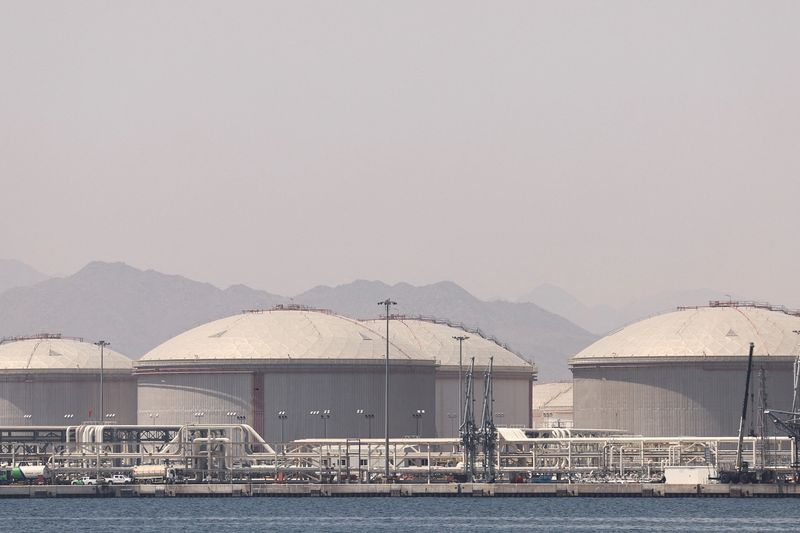
- Oil Price Surge: U.S. crude oil prices rose 2.35% to $114.16 per barrel on Sunday, while international benchmark Brent prices increased 1.72% to $110.91 per barrel, reflecting strong market reactions to supply disruptions.
- Trump's Threat: President Trump threatened Iran via social media, demanding the opening of the Strait of Hormuz by Tuesday or face attacks on its power plants, which has heightened market uncertainty.
- Supply Disruption Impact: The closure of the Strait is expected to result in nearly 1 billion barrels of oil lost by the end of the month, including 600 million barrels of crude and 350 million barrels of refined products, marking the largest oil supply disruption in history.
- OPEC+ Production Increase: The eight members of OPEC+ agreed to increase production by 206,000 barrels per day in May, but uncertainties remain regarding how this oil will reach global markets while the Strait remains closed.
Trade with 70% Backtested Accuracy
Stop guessing "Should I Buy XOM?" and start using high-conviction signals backed by rigorous historical data.
Sign up today to access powerful investing tools and make smarter, data-driven decisions.
Analyst Views on XOM
Wall Street analysts forecast XOM stock price to fall
19 Analyst Rating
12 Buy
7 Hold
0 Sell
Moderate Buy
Current: 155.290

Low
114.00
Averages
132.17
High
158.00
Current: 155.290
Low
114.00
Averages
132.17
High
158.00
About XOM
Exxon Mobil Corporation is an energy provider and chemical manufacturer. The Company’s principal business involves exploration for, and production of, crude oil and natural gas; the manufacture, trade, transport and sale of crude oil, natural gas, petroleum products, petrochemicals and a wide variety of specialty products; and pursuit of lower-emission and other new business opportunities, including carbon capture and storage, hydrogen, lower-emission fuels, Proxxima systems, carbon materials, and lithium. Its Upstream segment explores for and produces crude oil and natural gas. The Energy Products, Chemical Products, and Specialty Products segments manufacture and sell petroleum products and petrochemicals. Energy Products segment includes fuels, aromatics, and catalysts and licensing. Chemical Products segment consists of olefins, polyolefins, and intermediates. Specialty Products segment includes finished lubricants, basestocks and waxes, synthetics, and elastomers and resins.
About the author

Emily J. Thompson
Emily J. Thompson, a Chartered Financial Analyst (CFA) with 12 years in investment research, graduated with honors from the Wharton School. Specializing in industrial and technology stocks, she provides in-depth analysis for Intellectia’s earnings and market brief reports.
ExxonMobil Challenges Proxy Firms' Conflict of Interest

- Proxy Conflict: ExxonMobil (XOM) claims that proxy advisory firms Glass Lewis and ISS have a conflict of interest in opposing its plan to redomicile from New Jersey to Texas, failing to disclose ongoing litigation with the Texas Attorney General that could mislead investors.
- Legal Background: The advisory firms have sued the Attorney General over a Texas law requiring disclosure of non-financial factors, arguing it violates their First Amendment rights, and they won preliminary injunctions last summer, highlighting the legal complexities involved.
- Advertising Strategy: Exxon plans to run full-page ads in major newspapers like the Wall Street Journal to emphasize that the proxy firms did not disclose their litigation with the Texas Attorney General, aiming to garner investor support for its relocation plans.
- Shareholder Voting: Shareholders of ExxonMobil will vote on the relocation plans at the company's annual meeting on May 27, with the strategic decision directly impacting its operations in Texas and investor confidence.
See More

U.S. Stocks Rally as Investors Eye Middle East Developments


- Market Rally: The S&P 500 is on track for its eighth consecutive weekly gain, reflecting growing investor optimism regarding de-escalation in the Middle East and increased confidence in economic recovery.
- Dow Jones Surge: The Dow Jones Industrial Average rose by 276.31 points to a record close, indicating positive market sentiment towards U.S.-Iran peace negotiations, which could attract further investments.
- Oil Price Volatility: Oil prices resumed their rally after three days of declines, with Brent and U.S. West Texas Intermediate futures both advancing around 2%, highlighting market concerns over energy supply and geopolitical uncertainties.
- Quantum Computing Investment: The U.S. government announced $2 billion in grants to nine firms, with IBM receiving $1 billion, significantly boosting quantum computing stocks and showcasing the ongoing investment surge in the tech sector.
See More
Exxon Mobil Negotiates Oil Rights Acquisition in Venezuela
- Acquisition Talks Progress: Exxon Mobil (XOM) is in discussions with the Venezuelan government to regain oil production rights nearly 20 years after being expelled, which would represent a strategic victory for President Trump in opening the country's natural resources to U.S. businesses.
- Contract Signing Expected: According to The New York Times, the deal could be finalized this month, with Exxon signing contracts to produce oil in up to six fields across various regions in Venezuela, significantly enhancing its oil and gas production capacity in the Latin American market.
- Historical Context Impact: In 2007, Venezuela nationalized Exxon and other foreign oil projects under Hugo Chavez, and Exxon refused to negotiate, leading to a protracted legal battle for approximately $1 billion in damages, making this potential re-entry particularly challenging.
- Political Environment Shift: Following Maduro's removal, Exxon CEO Darren Woods indicated that re-entering Venezuela would require significant changes, and the current negotiation progress suggests a potential improvement in the political landscape, opening new investment opportunities for U.S. companies.
See More

NextEra and Dominion Announce $67 Billion Merger Deal

- Merger Scale: NextEra Energy announced an all-stock acquisition of Dominion Energy valued at approximately $67 billion, with a projected combined enterprise value of $420 billion if regulatory approval is obtained, potentially reshaping the U.S. utility landscape.
- Regulatory Challenges: Despite the massive scale of the deal, analysts highlight NextEra's poor track record with regulatory approvals, suggesting it may face stringent scrutiny from the Federal Energy Regulatory Commission and various state commissions, increasing the deal's uncertainty.
- Market Reaction: The market's response to the merger is mixed, with Jefferies analysts suggesting that investors may pivot towards safer investments like Duke Energy and Southern Company to mitigate potential risks and uncertainties surrounding the deal.
- LNG Outlook: In the liquefied natural gas sector, Energy Secretary Chris Wright indicated that China is set to become a significant buyer of U.S. crude oil, and Louisiana's ample natural gas supply can support the growth of LNG exports, showcasing the industry's robust development potential.
See More

QatarEnergy Signs MoU with Egypt and Exxon Mobil for Gas Development
- Framework Establishment: QatarEnergy has signed a memorandum of understanding with the Egyptian government and Exxon Mobil to explore the development and commercialization of gas discoveries in Cyprus through Egypt's existing natural gas infrastructure, which is expected to yield significant economic benefits for both parties.
- Strengthening Energy Hub Status: The agreement aims to reinforce Egypt's position as a key energy trading hub in the Eastern Mediterranean, facilitating deeper integration between Egypt and Cyprus in the natural gas sector while optimizing the utilization of existing infrastructure.
- Unlocking Liquefaction Potential: Egypt's liquefaction plants, which have long been underutilized, are expected to see increased capacity and more natural gas exports as a result of this collaboration, enhancing Egypt's energy export capabilities.
- Deepening Regional Cooperation: The MoU highlights Egypt's potential in the Eastern Mediterranean gas market, supporting deeper cooperation between the two countries in the natural gas field and promoting regional economic integration.
See More

Nvidia's Strong Earnings Report Sparks Attention
- Strong Earnings: Nvidia's earnings report reveals nearly doubling year-over-year data center revenue, indicating relentless demand for its GPUs, although shares slipped in after-hours trading as investors scrutinized future guidance and rising competition.
- IPO Frenzy: SpaceX has filed for an IPO aiming to raise around $75 billion, surpassing Alibaba's record for the largest IPO, highlighting the intensifying competition among tech companies for public offerings, which could significantly impact market sentiment.
- Stabilizing Semiconductor Supply Chains: Samsung Electronics has reached a tentative agreement with its union to suspend a planned strike, likely providing temporary relief to global semiconductor supply chains critical for the ongoing AI boom.
- Market Rebound: Wall Street staged a strong rebound with the Dow surging over 600 points due to easing oil prices and moderating rate concerns, leading to a positive sentiment that has also lifted Asia-Pacific markets.
See More
ExxonMobil Challenges Proxy Firms' Conflict of Interest
- Proxy Conflict: ExxonMobil (XOM) claims that proxy advisory firms Glass Lewis and ISS have a conflict of interest in opposing its plan to redomicile from New Jersey to Texas, failing to disclose ongoing litigation with the Texas Attorney General that could mislead investors.
- Legal Background: The advisory firms have sued the Attorney General over a Texas law requiring disclosure of non-financial factors, arguing it violates their First Amendment rights, and they won preliminary injunctions last summer, highlighting the legal complexities involved.
- Advertising Strategy: Exxon plans to run full-page ads in major newspapers like the Wall Street Journal to emphasize that the proxy firms did not disclose their litigation with the Texas Attorney General, aiming to garner investor support for its relocation plans.
- Shareholder Voting: Shareholders of ExxonMobil will vote on the relocation plans at the company's annual meeting on May 27, with the strategic decision directly impacting its operations in Texas and investor confidence.
See More
U.S. Stocks Rally as Investors Eye Middle East Developments
- Market Rally: The S&P 500 is on track for its eighth consecutive weekly gain, reflecting growing investor optimism regarding de-escalation in the Middle East and increased confidence in economic recovery.
- Dow Jones Surge: The Dow Jones Industrial Average rose by 276.31 points to a record close, indicating positive market sentiment towards U.S.-Iran peace negotiations, which could attract further investments.
- Oil Price Volatility: Oil prices resumed their rally after three days of declines, with Brent and U.S. West Texas Intermediate futures both advancing around 2%, highlighting market concerns over energy supply and geopolitical uncertainties.
- Quantum Computing Investment: The U.S. government announced $2 billion in grants to nine firms, with IBM receiving $1 billion, significantly boosting quantum computing stocks and showcasing the ongoing investment surge in the tech sector.
See More
Exxon Mobil Negotiates Oil Rights Acquisition in Venezuela
- Acquisition Talks Progress: Exxon Mobil (XOM) is in discussions with the Venezuelan government to regain oil production rights nearly 20 years after being expelled, which would represent a strategic victory for President Trump in opening the country's natural resources to U.S. businesses.
- Contract Signing Expected: According to The New York Times, the deal could be finalized this month, with Exxon signing contracts to produce oil in up to six fields across various regions in Venezuela, significantly enhancing its oil and gas production capacity in the Latin American market.
- Historical Context Impact: In 2007, Venezuela nationalized Exxon and other foreign oil projects under Hugo Chavez, and Exxon refused to negotiate, leading to a protracted legal battle for approximately $1 billion in damages, making this potential re-entry particularly challenging.
- Political Environment Shift: Following Maduro's removal, Exxon CEO Darren Woods indicated that re-entering Venezuela would require significant changes, and the current negotiation progress suggests a potential improvement in the political landscape, opening new investment opportunities for U.S. companies.
See More
NextEra and Dominion Announce $67 Billion Merger Deal
- Merger Scale: NextEra Energy announced an all-stock acquisition of Dominion Energy valued at approximately $67 billion, with a projected combined enterprise value of $420 billion if regulatory approval is obtained, potentially reshaping the U.S. utility landscape.
- Regulatory Challenges: Despite the massive scale of the deal, analysts highlight NextEra's poor track record with regulatory approvals, suggesting it may face stringent scrutiny from the Federal Energy Regulatory Commission and various state commissions, increasing the deal's uncertainty.
- Market Reaction: The market's response to the merger is mixed, with Jefferies analysts suggesting that investors may pivot towards safer investments like Duke Energy and Southern Company to mitigate potential risks and uncertainties surrounding the deal.
- LNG Outlook: In the liquefied natural gas sector, Energy Secretary Chris Wright indicated that China is set to become a significant buyer of U.S. crude oil, and Louisiana's ample natural gas supply can support the growth of LNG exports, showcasing the industry's robust development potential.
See More
QatarEnergy Signs MoU with Egypt and Exxon Mobil for Gas Development
- Framework Establishment: QatarEnergy has signed a memorandum of understanding with the Egyptian government and Exxon Mobil to explore the development and commercialization of gas discoveries in Cyprus through Egypt's existing natural gas infrastructure, which is expected to yield significant economic benefits for both parties.
- Strengthening Energy Hub Status: The agreement aims to reinforce Egypt's position as a key energy trading hub in the Eastern Mediterranean, facilitating deeper integration between Egypt and Cyprus in the natural gas sector while optimizing the utilization of existing infrastructure.
- Unlocking Liquefaction Potential: Egypt's liquefaction plants, which have long been underutilized, are expected to see increased capacity and more natural gas exports as a result of this collaboration, enhancing Egypt's energy export capabilities.
- Deepening Regional Cooperation: The MoU highlights Egypt's potential in the Eastern Mediterranean gas market, supporting deeper cooperation between the two countries in the natural gas field and promoting regional economic integration.
See More
Nvidia's Strong Earnings Report Sparks Attention
- Strong Earnings: Nvidia's earnings report reveals nearly doubling year-over-year data center revenue, indicating relentless demand for its GPUs, although shares slipped in after-hours trading as investors scrutinized future guidance and rising competition.
- IPO Frenzy: SpaceX has filed for an IPO aiming to raise around $75 billion, surpassing Alibaba's record for the largest IPO, highlighting the intensifying competition among tech companies for public offerings, which could significantly impact market sentiment.
- Stabilizing Semiconductor Supply Chains: Samsung Electronics has reached a tentative agreement with its union to suspend a planned strike, likely providing temporary relief to global semiconductor supply chains critical for the ongoing AI boom.
- Market Rebound: Wall Street staged a strong rebound with the Dow surging over 600 points due to easing oil prices and moderating rate concerns, leading to a positive sentiment that has also lifted Asia-Pacific markets.
See More