Equinor Exits Offshore Wind Business in Japan
Written by Emily J. Thompson, Senior Investment Analyst
Updated: 1 hour ago
0mins
Source: seekingalpha
- Strategic Shift: Equinor has decided to cease its offshore wind business in Japan and will close its Tokyo office by the end of 2026, a move that reflects a reassessment of the company's strategic direction towards a stronger focus on integrated power markets.
- Global Capability Enhancement: Despite exiting the Japanese market, Equinor stated that the insights and experience gained will continue to support and enhance its global capabilities in offshore wind, indicating the company's ongoing commitment to global market potential.
- Market Reaction: This decision may negatively impact Equinor's stock price as investors could be concerned that the exit from Japan will affect its future growth potential, particularly in the renewable energy sector.
- Future Investment Focus: Equinor's strategic shift may lead to a reallocation of resources to other more promising markets or projects, especially highlighted during its Capital Markets Day regarding Norway's largest undeveloped oil discovery and a $390 million subsea gas production project in the North Sea.
Trade with 70% Backtested Accuracy
Stop guessing "Should I Buy EQNR?" and start using high-conviction signals backed by rigorous historical data.
Sign up today to access powerful investing tools and make smarter, data-driven decisions.
Analyst Views on EQNR
Wall Street analysts forecast EQNR stock price to fall
2 Analyst Rating
1 Buy
1 Hold
0 Sell
Moderate Buy
Current: 31.600

Low
22.00
Averages
23.89
High
25.79
Current: 31.600
Low
22.00
Averages
23.89
High
25.79
About EQNR
Equinor ASA, formerly Statoil ASA is a Norway-based international energy company. The Company’s purpose is to turn natural resources into energy. Equinor sells crude oil and delivers natural gas to the European market. It is also engaged in processing, refining, offshore wind and carbon capture and storage activities. Equinor ASA has five reporting segments: Exploration & Production Norway (E&P Norway), Exploration & Production International (E&P International), Exploration & Production USA (E&P USA), Marketing, Midstream & Processing (MMP) and Renewables (REN). The Company has several subsidiaries such as Equinor Nigeria Energy Company Ltd, Equinor Wind Power AS, Equinor International Netherlands BV and Equinor Brasil Energia Ltda.
About the author

Emily J. Thompson
Emily J. Thompson, a Chartered Financial Analyst (CFA) with 12 years in investment research, graduated with honors from the Wharton School. Specializing in industrial and technology stocks, she provides in-depth analysis for Intellectia’s earnings and market brief reports.

Equinor Advances Wisting Field Development Plan
- Environmental Assessment Submission: Equinor has submitted a proposed environmental impact assessment program for the Wisting field, marking a significant step toward a potential final investment decision by the end of 2027, with estimated recoverable volumes nearing 500 million barrels of oil equivalent, which could greatly enhance Norway's energy output if successfully developed.
- Development Stage Progress: Although the Wisting field was postponed in 2022, it remains in the early stages of development, with Equinor emphasizing that future progress will depend on ongoing efforts to improve the project's commercial viability to ensure investment returns.
- Development Concept Selection: Equinor and partners Aker BP, Petoro, and INPEX Idemitsu have selected a floating production, storage, and offloading vessel as the preferred development concept, and will evaluate the potential application of carbon capture and storage to reduce production-related emissions, aligning with global decarbonization trends.
- Electrification Plan Abandonment: After evaluating alternatives, the partnership decided to abandon plans for electrification from shore due to high costs and technical complexity, a decision that will impact the overall economics and sustainability of the project.
See More

Equinor Exits Offshore Wind Business in Japan
- Strategic Shift: Equinor has decided to cease its offshore wind business in Japan and will close its Tokyo office by the end of 2026, a move that reflects a reassessment of the company's strategic direction towards a stronger focus on integrated power markets.
- Global Capability Enhancement: Despite exiting the Japanese market, Equinor stated that the insights and experience gained will continue to support and enhance its global capabilities in offshore wind, indicating the company's ongoing commitment to global market potential.
- Market Reaction: This decision may negatively impact Equinor's stock price as investors could be concerned that the exit from Japan will affect its future growth potential, particularly in the renewable energy sector.
- Future Investment Focus: Equinor's strategic shift may lead to a reallocation of resources to other more promising markets or projects, especially highlighted during its Capital Markets Day regarding Norway's largest undeveloped oil discovery and a $390 million subsea gas production project in the North Sea.
See More
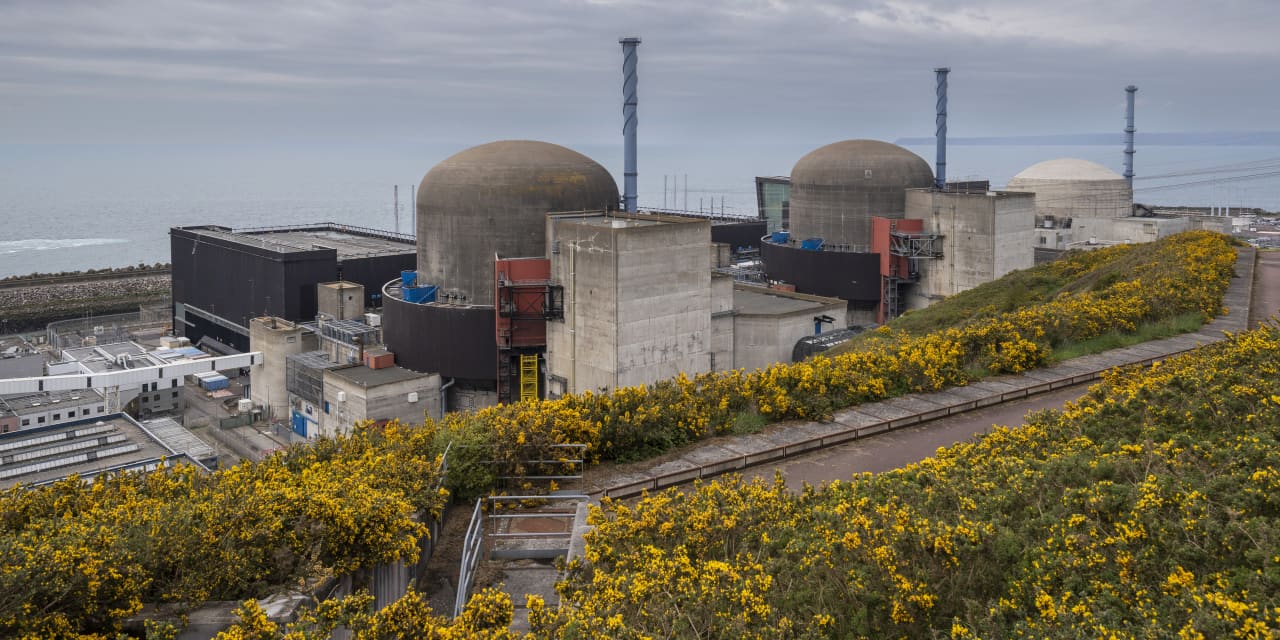
Equinor Exits Offshore Wind Business in Japan
- Business Exit: Equinor has announced the termination of its offshore wind operations in Japan and the closure of its Tokyo office, marking a strategic withdrawal from the market that could lead to investment losses and a reduction in market share.
- Market Impact: This decision may alter the competitive landscape of Japan's renewable energy sector, particularly in offshore wind, as Equinor's exit could create opportunities for other competitors, intensifying market competition.
- Strategic Shift: Equinor's withdrawal reflects a reassessment of its global investment portfolio, potentially reallocating resources to more promising markets or projects to optimize overall business performance and financial health.
- Future Outlook: While the exit from the Japanese market may have short-term negative implications, Equinor may focus on renewable energy projects in other regions, aiming for sustainable growth on a global scale.
See More
Equinor Announces 2026 Share Buyback Program Details
- Buyback Program Overview: Equinor ASA announced its second tranche of the share buyback program on May 6, 2026, with a duration from May 19 to July 20, 2026, reflecting the company's confidence in its stock value.
- Transaction Data: From June 15 to June 19, 2026, Equinor repurchased a total of 369,300 shares at an average price of NOK 319.6242 per share, indicating proactive capital management amid market fluctuations.
- Cumulative Buyback Status: To date, Equinor has repurchased a total of 1,838,368 shares under this buyback program at an average price of NOK 346.9043 per share, demonstrating the company's ongoing commitment to capital return strategies.
- Shareholding Analysis: Following these transactions, Equinor owns 67,143,549 shares, representing 2.63% of its total share capital, which not only boosts shareholder confidence but may also enhance future stock performance.
See More
Equinor Approves New Subsea Gas Development at Troll Field
- Investment Commitment: Equinor and its partners have approved a new subsea gas development project at Norway's Troll field, committing over NOK 4 billion (approximately $390 million) to enhance production from this crucial European natural gas source.
- Gas Production Expectations: The TWIN project is expected to add around 11 billion cubic meters of recoverable gas, with production targeted to commence as early as 2028, significantly boosting Norway's supply capacity in the European gas market.
- Project Structure and Phases: This project involves drilling two wells in a seabed template and connecting a pipeline to existing subsea facilities, representing the third stage of the Troll Phase 3 expansion, which focuses on extracting additional gas from the Troll West reservoir.
- Resource Reserves and Market Impact: The Troll field is the largest gas-producing field on the Norwegian Continental Shelf, containing approximately 40% of Norway's remaining gas reserves, with gas from Troll alone supplying about 10% of Europe's gas demand, thereby reinforcing Norway's critical role in European energy supply.
See More

Equinor Invests 4 Billion NOK in North Sea Gas Development

- Investment Scale: Equinor ASA and its partners are investing over 4 billion NOK in a new subsea development at the Troll gas field, which is expected to significantly boost gas production and strengthen its position in the European energy market.
- Partnership Structure: In the Troll West Increased Gas Recovery project, Equinor holds a 30.55% stake, while Petoro owns 55.93%, with Shell, TotalEnergies, and ConocoPhillips holding 8.19%, 3.69%, and 1.64% respectively, showcasing a strong collaborative effort.
- Production Expectations: The project is expected to contribute around 11 billion standard cubic meters of gas, ensuring sustained high production from Troll A and Kollsnes until 2030, meeting approximately 10% of Europe's gas needs.
- Production Goals: Equinor aims to produce 1.3 million barrels per day from the Norwegian continental shelf by 2035, with the project implementation designed to reduce costs through process simplification and reuse of existing infrastructure, thereby promoting job creation and value generation.
See More
Equinor Advances Wisting Field Development Plan
- Environmental Assessment Submission: Equinor has submitted a proposed environmental impact assessment program for the Wisting field, marking a significant step toward a potential final investment decision by the end of 2027, with estimated recoverable volumes nearing 500 million barrels of oil equivalent, which could greatly enhance Norway's energy output if successfully developed.
- Development Stage Progress: Although the Wisting field was postponed in 2022, it remains in the early stages of development, with Equinor emphasizing that future progress will depend on ongoing efforts to improve the project's commercial viability to ensure investment returns.
- Development Concept Selection: Equinor and partners Aker BP, Petoro, and INPEX Idemitsu have selected a floating production, storage, and offloading vessel as the preferred development concept, and will evaluate the potential application of carbon capture and storage to reduce production-related emissions, aligning with global decarbonization trends.
- Electrification Plan Abandonment: After evaluating alternatives, the partnership decided to abandon plans for electrification from shore due to high costs and technical complexity, a decision that will impact the overall economics and sustainability of the project.
See More
Equinor Exits Offshore Wind Business in Japan
- Strategic Shift: Equinor has decided to cease its offshore wind business in Japan and will close its Tokyo office by the end of 2026, a move that reflects a reassessment of the company's strategic direction towards a stronger focus on integrated power markets.
- Global Capability Enhancement: Despite exiting the Japanese market, Equinor stated that the insights and experience gained will continue to support and enhance its global capabilities in offshore wind, indicating the company's ongoing commitment to global market potential.
- Market Reaction: This decision may negatively impact Equinor's stock price as investors could be concerned that the exit from Japan will affect its future growth potential, particularly in the renewable energy sector.
- Future Investment Focus: Equinor's strategic shift may lead to a reallocation of resources to other more promising markets or projects, especially highlighted during its Capital Markets Day regarding Norway's largest undeveloped oil discovery and a $390 million subsea gas production project in the North Sea.
See More
Equinor Exits Offshore Wind Business in Japan
- Business Exit: Equinor has announced the termination of its offshore wind operations in Japan and the closure of its Tokyo office, marking a strategic withdrawal from the market that could lead to investment losses and a reduction in market share.
- Market Impact: This decision may alter the competitive landscape of Japan's renewable energy sector, particularly in offshore wind, as Equinor's exit could create opportunities for other competitors, intensifying market competition.
- Strategic Shift: Equinor's withdrawal reflects a reassessment of its global investment portfolio, potentially reallocating resources to more promising markets or projects to optimize overall business performance and financial health.
- Future Outlook: While the exit from the Japanese market may have short-term negative implications, Equinor may focus on renewable energy projects in other regions, aiming for sustainable growth on a global scale.
See More
Equinor Announces 2026 Share Buyback Program Details
- Buyback Program Overview: Equinor ASA announced its second tranche of the share buyback program on May 6, 2026, with a duration from May 19 to July 20, 2026, reflecting the company's confidence in its stock value.
- Transaction Data: From June 15 to June 19, 2026, Equinor repurchased a total of 369,300 shares at an average price of NOK 319.6242 per share, indicating proactive capital management amid market fluctuations.
- Cumulative Buyback Status: To date, Equinor has repurchased a total of 1,838,368 shares under this buyback program at an average price of NOK 346.9043 per share, demonstrating the company's ongoing commitment to capital return strategies.
- Shareholding Analysis: Following these transactions, Equinor owns 67,143,549 shares, representing 2.63% of its total share capital, which not only boosts shareholder confidence but may also enhance future stock performance.
See More
Equinor Approves New Subsea Gas Development at Troll Field
- Investment Commitment: Equinor and its partners have approved a new subsea gas development project at Norway's Troll field, committing over NOK 4 billion (approximately $390 million) to enhance production from this crucial European natural gas source.
- Gas Production Expectations: The TWIN project is expected to add around 11 billion cubic meters of recoverable gas, with production targeted to commence as early as 2028, significantly boosting Norway's supply capacity in the European gas market.
- Project Structure and Phases: This project involves drilling two wells in a seabed template and connecting a pipeline to existing subsea facilities, representing the third stage of the Troll Phase 3 expansion, which focuses on extracting additional gas from the Troll West reservoir.
- Resource Reserves and Market Impact: The Troll field is the largest gas-producing field on the Norwegian Continental Shelf, containing approximately 40% of Norway's remaining gas reserves, with gas from Troll alone supplying about 10% of Europe's gas demand, thereby reinforcing Norway's critical role in European energy supply.
See More
Equinor Invests 4 Billion NOK in North Sea Gas Development
- Investment Scale: Equinor ASA and its partners are investing over 4 billion NOK in a new subsea development at the Troll gas field, which is expected to significantly boost gas production and strengthen its position in the European energy market.
- Partnership Structure: In the Troll West Increased Gas Recovery project, Equinor holds a 30.55% stake, while Petoro owns 55.93%, with Shell, TotalEnergies, and ConocoPhillips holding 8.19%, 3.69%, and 1.64% respectively, showcasing a strong collaborative effort.
- Production Expectations: The project is expected to contribute around 11 billion standard cubic meters of gas, ensuring sustained high production from Troll A and Kollsnes until 2030, meeting approximately 10% of Europe's gas needs.
- Production Goals: Equinor aims to produce 1.3 million barrels per day from the Norwegian continental shelf by 2035, with the project implementation designed to reduce costs through process simplification and reuse of existing infrastructure, thereby promoting job creation and value generation.
See More