Energy Stocks Rise with NYSE Energy Sector Index Up 1.8%
Written by Emily J. Thompson, Senior Investment Analyst
Updated: 1 day ago
0mins
Source: Yahoo Finance
- Strong Energy Stock Performance: Late Monday afternoon, energy stocks broadly rose, with the NYSE Energy Sector Index increasing by 1.8%, reflecting market optimism regarding a recovery in energy demand, which could drive profitability for related companies.
- Market Sentiment Improvement: As signs of global economic recovery strengthen, investor confidence in the energy sector has increased, leading to capital inflows into energy stocks, thereby enhancing overall market performance and indicating a positive outlook for future energy demand.
- Optimistic Industry Outlook: Analysts note that as economic activities resume, energy demand is expected to continue growing, which will bring higher revenues and profits to energy companies, further solidifying their positions in the capital markets.
- Investor Focus Shift: The rise in energy stocks has attracted more investor attention, potentially leading to short-term capital inflows that could drive up related stock prices and enhance market activity.
Trade with 70% Backtested Accuracy
Stop guessing "Should I Buy DVN?" and start using high-conviction signals backed by rigorous historical data.
Sign up today to access powerful investing tools and make smarter, data-driven decisions.
Analyst Views on DVN
Wall Street analysts forecast DVN stock price to fall
20 Analyst Rating
18 Buy
2 Hold
0 Sell
Strong Buy
Current: 46.220

Low
41.00
Averages
45.53
High
55.00
Current: 46.220
Low
41.00
Averages
45.53
High
55.00
About DVN
Devon Energy Corporation is an oil and gas producer in the United States with a diversified multi-basin portfolio headlined by an acreage position in the Delaware Basin. The Company is primarily engaged in the exploration, development and production of oil, natural gas and natural gas liquids (NGLs). It owns a portfolio of assets located in the Delaware Basin, Rockies, Eagle Ford and Anadarko Basin. The Delaware Basin operates in southeast New Mexico and across the state line into west Texas. It offers exploration and development opportunities from many geologic reservoirs and play types, including the oil-rich Wolfcamp, Bone Spring, Avalon and Delaware formations. Its Rockies development consists of its Williston Basin and Powder River Basin assets. The Eagle Ford operations are located in Texas' DeWitt and Karnes counties. The Anadarko Basin development is located in western Oklahoma. It has a joint venture with Dow to develop a portion of its Anadarko Basin acreage.
About the author

Emily J. Thompson
Emily J. Thompson, a Chartered Financial Analyst (CFA) with 12 years in investment research, graduated with honors from the Wharton School. Specializing in industrial and technology stocks, she provides in-depth analysis for Intellectia’s earnings and market brief reports.

Devon Energy Receives $8 Billion Offer for Marcellus Shale Assets

- Acquisition Proposal: Devon Energy Corporation has received an almost $8 billion acquisition offer from Stone Ridge Asset Management for its Marcellus shale assets in Pennsylvania, although no decision has been made yet, indicating strong market interest in its assets.
- Merger Completion: The $58 billion merger between Devon Energy and Coterra Energy was completed earlier this month, positioning the combined entity as one of the largest independent oil and gas producers in the U.S., thereby strengthening its market presence in the Permian Basin of Texas and New Mexico.
- Expansion Strategy: Devon emerged as the largest buyer in the federal oil and gas drilling rights sale on May 20, spending $2.5 billion out of a record $4 billion total, showcasing its strong purchasing power and intent to expand in the market.
- Investment Potential: While Devon Energy shows investment potential, analysts suggest that certain AI stocks may offer greater upside potential and lower downside risk, prompting investors to consider opportunities in other sectors.
See More

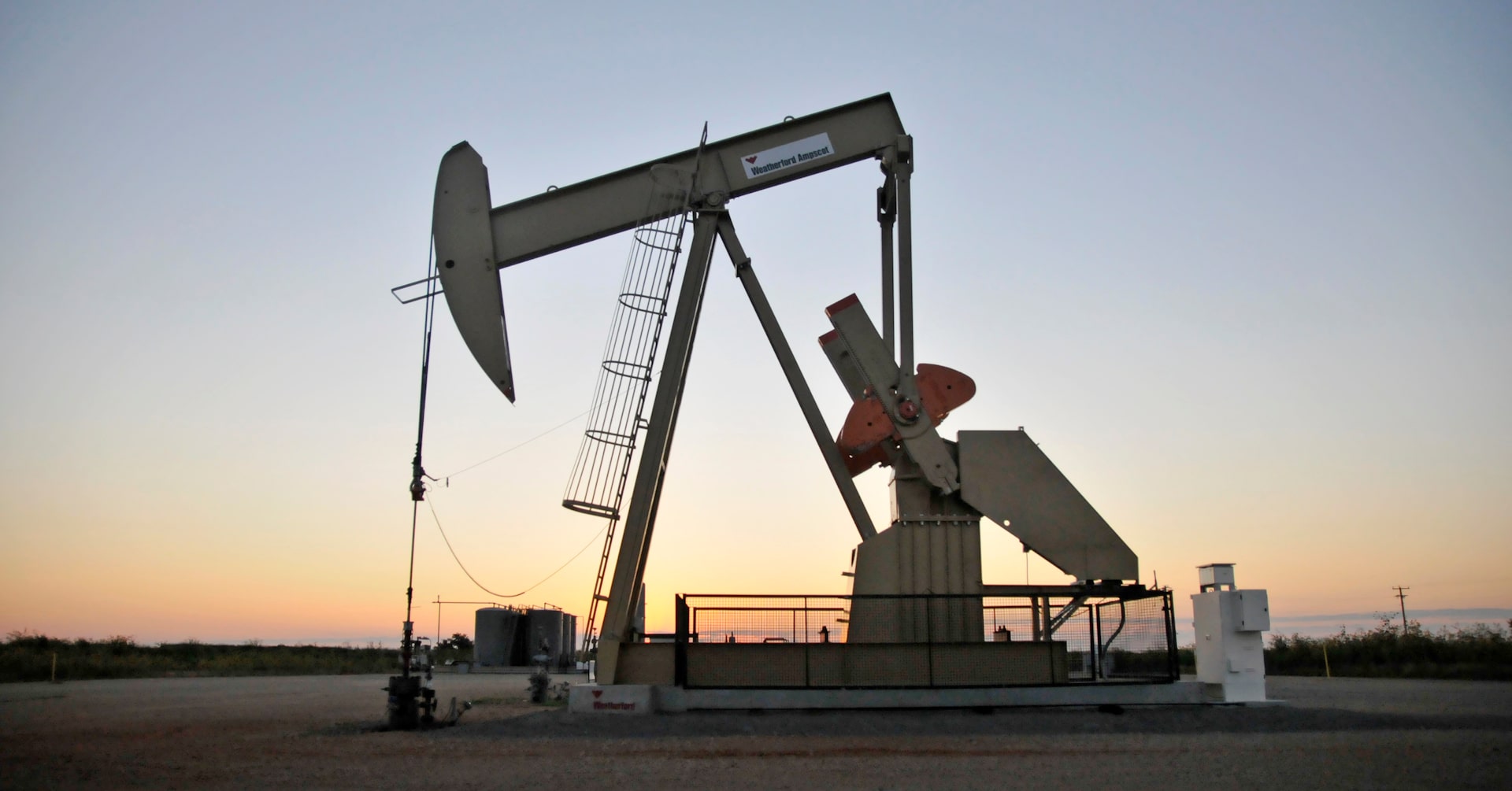
Why Are Oil Prices Persistently Low?

- Iran Conflict Impact: Despite ongoing tensions between Iran and the U.S., market optimism regarding a resolution has kept oil prices below $100, indicating complex investor expectations that could lead to increased volatility in oil prices.
- Declining Chinese Demand: JPMorgan's analyst reported a surprising 9% drop in China's oil demand, equivalent to 1.5 million barrels per day, which may reduce global demand pressure and influence oil price trends.
- Global Supply Surplus: The world is experiencing an oversupply of oil, with Saudi Arabia and the UAE ramping up production, which is expected to further depress prices, especially as the U.S. Strategic Petroleum Reserve is being drawn down at a rate of 8-9 million barrels per week.
- Market Sentiment Shift: Market expectations for oil prices have turned pessimistic, with Trump suggesting that prices will drop sharply, potentially undermining investor confidence in oil companies and affecting their stock performance.
See More

Energy Stocks Rise with NYSE Energy Sector Index Up 1.8%

- Strong Energy Stock Performance: Late Monday afternoon, energy stocks broadly rose, with the NYSE Energy Sector Index increasing by 1.8%, reflecting market optimism regarding a recovery in energy demand, which could drive profitability for related companies.
- Market Sentiment Improvement: As signs of global economic recovery strengthen, investor confidence in the energy sector has increased, leading to capital inflows into energy stocks, thereby enhancing overall market performance and indicating a positive outlook for future energy demand.
- Optimistic Industry Outlook: Analysts note that as economic activities resume, energy demand is expected to continue growing, which will bring higher revenues and profits to energy companies, further solidifying their positions in the capital markets.
- Investor Focus Shift: The rise in energy stocks has attracted more investor attention, potentially leading to short-term capital inflows that could drive up related stock prices and enhance market activity.
See More

S&P 500 Future Outlook and Performance Insights


- Historical Performance Review: Over the past 20 years, the S&P 500 has achieved an annual return of 9.3% excluding dividends, while the total return including dividends reached 768%, demonstrating its strong position as a benchmark for the U.S. stock market.
- Future Growth Expectations: Wall Street analysts project a 25% increase in earnings for S&P 500 companies in 2026, up from 14% in 2025, primarily driven by robust spending on artificial intelligence infrastructure and corporate tax breaks.
- Market Risk Factors: While strong earnings growth is expected to drive the S&P 500 higher, economic uncertainties stemming from the Iran conflict and potential interest rate hikes could negatively impact the stock market, necessitating cautious investor strategies.
- Investment Recommendations: When considering investments in the S&P 500 index, investors should also explore other potential stocks, as the Motley Fool analyst team has identified 10 stocks that could yield significant returns in the coming years, highlighting diverse investment opportunities in the market.
See More

S&P 500 Index Outlook for the Future
- Historical Performance: Over the past 20 years, the S&P 500 has delivered an annual return of 9.3% excluding dividends, underscoring its reliability as a benchmark for the U.S. stock market.
- Component Changes: In April 2026, Veeva Systems replaced Coterra Energy in the S&P 500 following its acquisition by Devon Energy, illustrating the impact of market dynamics and M&A activity on index composition.
- Future Earnings Expectations: Wall Street analysts project a 25% increase in S&P 500 company earnings for 2026, driven by robust spending on artificial intelligence infrastructure and corporate tax breaks, indicating strong growth potential.
- Economic Uncertainty: While analysts are optimistic about the S&P 500's future performance, the economic uncertainty stemming from the Iran conflict and potential interest rate hikes could negatively impact the stock market, prompting investors to proceed with caution.
See More
Devon Energy Receives $8 Billion Acquisition Offer
- Acquisition Proposal Overview: Stone Ridge Asset Management has made an approximately $8 billion offer for Devon Energy's Marcellus shale assets, aiming to initiate negotiations, although Devon has yet to decide on the future strategy for its natural gas assets.
- Securitization Innovation: The proposal from Stone Ridge includes utilizing the largest asset-backed securitization (ABS) in the U.S. oil and gas industry, pledging future oil and gas production revenues as collateral to lower borrowing costs, appealing to financial investors seeking steady returns.
- Devon's Strategic Adjustment: Following its merger with Coterra, Devon's management has indicated a focus on optimizing its business by reviewing all assets to enhance shareholder value, with plans to unveil new financial guidance in mid-June, reflecting its emphasis on asset allocation.
- Market Outlook and Challenges: The Marcellus assets are expected to account for about 20% of Devon's projected production of 1.6 million barrels of oil equivalent per day by 2026, with the Delaware region at 53%, indicating Devon's challenge in balancing growth with investor expectations.
See More
Devon Energy Receives $8 Billion Offer for Marcellus Shale Assets
- Acquisition Proposal: Devon Energy Corporation has received an almost $8 billion acquisition offer from Stone Ridge Asset Management for its Marcellus shale assets in Pennsylvania, although no decision has been made yet, indicating strong market interest in its assets.
- Merger Completion: The $58 billion merger between Devon Energy and Coterra Energy was completed earlier this month, positioning the combined entity as one of the largest independent oil and gas producers in the U.S., thereby strengthening its market presence in the Permian Basin of Texas and New Mexico.
- Expansion Strategy: Devon emerged as the largest buyer in the federal oil and gas drilling rights sale on May 20, spending $2.5 billion out of a record $4 billion total, showcasing its strong purchasing power and intent to expand in the market.
- Investment Potential: While Devon Energy shows investment potential, analysts suggest that certain AI stocks may offer greater upside potential and lower downside risk, prompting investors to consider opportunities in other sectors.
See More
Why Are Oil Prices Persistently Low?
- Iran Conflict Impact: Despite ongoing tensions between Iran and the U.S., market optimism regarding a resolution has kept oil prices below $100, indicating complex investor expectations that could lead to increased volatility in oil prices.
- Declining Chinese Demand: JPMorgan's analyst reported a surprising 9% drop in China's oil demand, equivalent to 1.5 million barrels per day, which may reduce global demand pressure and influence oil price trends.
- Global Supply Surplus: The world is experiencing an oversupply of oil, with Saudi Arabia and the UAE ramping up production, which is expected to further depress prices, especially as the U.S. Strategic Petroleum Reserve is being drawn down at a rate of 8-9 million barrels per week.
- Market Sentiment Shift: Market expectations for oil prices have turned pessimistic, with Trump suggesting that prices will drop sharply, potentially undermining investor confidence in oil companies and affecting their stock performance.
See More
Energy Stocks Rise with NYSE Energy Sector Index Up 1.8%
- Strong Energy Stock Performance: Late Monday afternoon, energy stocks broadly rose, with the NYSE Energy Sector Index increasing by 1.8%, reflecting market optimism regarding a recovery in energy demand, which could drive profitability for related companies.
- Market Sentiment Improvement: As signs of global economic recovery strengthen, investor confidence in the energy sector has increased, leading to capital inflows into energy stocks, thereby enhancing overall market performance and indicating a positive outlook for future energy demand.
- Optimistic Industry Outlook: Analysts note that as economic activities resume, energy demand is expected to continue growing, which will bring higher revenues and profits to energy companies, further solidifying their positions in the capital markets.
- Investor Focus Shift: The rise in energy stocks has attracted more investor attention, potentially leading to short-term capital inflows that could drive up related stock prices and enhance market activity.
See More
S&P 500 Future Outlook and Performance Insights
- Historical Performance Review: Over the past 20 years, the S&P 500 has achieved an annual return of 9.3% excluding dividends, while the total return including dividends reached 768%, demonstrating its strong position as a benchmark for the U.S. stock market.
- Future Growth Expectations: Wall Street analysts project a 25% increase in earnings for S&P 500 companies in 2026, up from 14% in 2025, primarily driven by robust spending on artificial intelligence infrastructure and corporate tax breaks.
- Market Risk Factors: While strong earnings growth is expected to drive the S&P 500 higher, economic uncertainties stemming from the Iran conflict and potential interest rate hikes could negatively impact the stock market, necessitating cautious investor strategies.
- Investment Recommendations: When considering investments in the S&P 500 index, investors should also explore other potential stocks, as the Motley Fool analyst team has identified 10 stocks that could yield significant returns in the coming years, highlighting diverse investment opportunities in the market.
See More
S&P 500 Index Outlook for the Future
- Historical Performance: Over the past 20 years, the S&P 500 has delivered an annual return of 9.3% excluding dividends, underscoring its reliability as a benchmark for the U.S. stock market.
- Component Changes: In April 2026, Veeva Systems replaced Coterra Energy in the S&P 500 following its acquisition by Devon Energy, illustrating the impact of market dynamics and M&A activity on index composition.
- Future Earnings Expectations: Wall Street analysts project a 25% increase in S&P 500 company earnings for 2026, driven by robust spending on artificial intelligence infrastructure and corporate tax breaks, indicating strong growth potential.
- Economic Uncertainty: While analysts are optimistic about the S&P 500's future performance, the economic uncertainty stemming from the Iran conflict and potential interest rate hikes could negatively impact the stock market, prompting investors to proceed with caution.
See More
Devon Energy Receives $8 Billion Acquisition Offer
- Acquisition Proposal Overview: Stone Ridge Asset Management has made an approximately $8 billion offer for Devon Energy's Marcellus shale assets, aiming to initiate negotiations, although Devon has yet to decide on the future strategy for its natural gas assets.
- Securitization Innovation: The proposal from Stone Ridge includes utilizing the largest asset-backed securitization (ABS) in the U.S. oil and gas industry, pledging future oil and gas production revenues as collateral to lower borrowing costs, appealing to financial investors seeking steady returns.
- Devon's Strategic Adjustment: Following its merger with Coterra, Devon's management has indicated a focus on optimizing its business by reviewing all assets to enhance shareholder value, with plans to unveil new financial guidance in mid-June, reflecting its emphasis on asset allocation.
- Market Outlook and Challenges: The Marcellus assets are expected to account for about 20% of Devon's projected production of 1.6 million barrels of oil equivalent per day by 2026, with the Delaware region at 53%, indicating Devon's challenge in balancing growth with investor expectations.
See More