

Eli Lilly's Orforglipron Approval Delayed to April
Written by Emily J. Thompson, Senior Investment Analyst
Updated: Jan 24 2026
0mins
Source: NASDAQ.COM
- Approval Delay: Eli Lilly's oral GLP-1 candidate, orforglipron, has seen its FDA review timeline extended from the end of February to April 10, resulting in a roughly 4% drop in the company's stock price in one day, indicating a negative market reaction to the news.
- Intensifying Competition: Novo Nordisk has already launched its oral Wegovy after receiving approval in December, positioning itself to capture market share from patients hesitant about injectable options, thereby increasing competitive pressure on Eli Lilly.
- Positive Market Outlook: Despite the delay in orforglipron's approval, Eli Lilly maintains a strong leadership position in the weight loss market, with an attractive mid- and late-stage pipeline in its core therapeutic area, indicating long-term potential in the rapidly growing sector.
- Strong Financial Performance: Eli Lilly's financial results remain robust, and the company offers a generous dividend program, suggesting that the market may have overreacted to the FDA's extended review, with the stock still viewed as a buying opportunity.
Trade with 70% Backtested Accuracy
Stop guessing "Should I Buy LLY?" and start using high-conviction signals backed by rigorous historical data.
Sign up today to access powerful investing tools and make smarter, data-driven decisions.
Analyst Views on LLY
Wall Street analysts forecast LLY stock price to rise
20 Analyst Rating
18 Buy
2 Hold
0 Sell
Strong Buy
Current: 1191.740

Low
950.00
Averages
1192
High
1500
Current: 1191.740
Low
950.00
Averages
1192
High
1500
About LLY
Eli Lilly and Company is a medicine company, which discovers, develops, manufactures, and market products in a single business segment called human pharmaceutical products. The Company manufacture and distribute its products through facilities in the United States, including Puerto Rico, and in Europe and Asia. The Company’s products are sold in approximately 90 countries. Its Cardiometabolic Health products Basaglar; Humalog, Humalog Mix 75/25, Humalog U-100, Humalog U-200, Humalog Mix 50/50, insulin lispro, and others; Humulin, Humulin 70/30, and others; Jardiance; Mounjaro; Trulicity; Zepbound, and others. Its oncology products include Cyramza, Erbitux, Tyvyt, Verzenio, Retevmo, Jaypirca, and others. Its immunology products include Ebglyss, Olumiant, Omvoh, and Taltz. Its neuroscience products include Emgality and Kisunla. Its LillyDirect, a direct-to-patient digital health care platform, provides delivery of select Lilly medicines dispensed by third-party pharmacies to patients.
About the author

Emily J. Thompson
Emily J. Thompson, a Chartered Financial Analyst (CFA) with 12 years in investment research, graduated with honors from the Wharton School. Specializing in industrial and technology stocks, she provides in-depth analysis for Intellectia’s earnings and market brief reports.
Eli Lilly's Potential in the Growing GLP-1 Market

- Market Growth Outlook: The GLP-1 market is projected to reach $190 billion by 2035, more than doubling its 2025 value, positioning Eli Lilly, as a market leader, to achieve strong returns through ongoing innovation and market share expansion.
- Product Line Diversification: Eli Lilly's drugs like Zepbound and Mounjaro excel in weight loss and diabetes treatment, with Mounjaro emerging as its best-selling product, showcasing the company's robust competitiveness in core therapeutic areas.
- Pipeline Potential: Eli Lilly's investigational drug retatrutide has shown fantastic results in phase 3 trials by mimicking three hormones—GLP-1, GIP, and glucagon—potentially providing new growth momentum and further strengthening its market position.
- Investment Risk Considerations: Despite Eli Lilly's leading position in the GLP-1 market, increasing competition and new drug launches could threaten market share, necessitating investors to carefully assess potential risks to ensure a diversified investment portfolio.
See More

Analysis of the M&A Frenzy in Pharma Industry
- Surge in M&A Activity: In 2026, the pharmaceutical industry has seen 32 deals worth $123 billion, indicating a strong trend towards consolidation, which could mark the most active year since 2019, reflecting urgent market demand for new drug development.
- Patent Cliff Threat: An estimated $300 billion in annual revenue is at risk due to patent expirations in the coming years, with nearly 70 drugs generating over $1 billion each facing patent expiration, compelling pharmaceutical companies to accelerate M&A to find new revenue streams and ensure financial stability.
- Regulatory Environment Shift: Recent significant changes by the FDA regarding approval policies for rare disease treatments allow alternative methods for drug approvals, making clinical-stage drugs more attractive and fueling the M&A frenzy, enhancing market vitality.
- Investor Focus on Individual Companies: While the pharmaceutical industry has underperformed overall, companies like Eli Lilly are demonstrating strong growth potential through aggressive M&A strategies and robust product pipelines, attracting investor interest in their future developments.
See More

Stocks Close Lower as AI Trade Volatility Increases


- Market Pullback: Stocks closed lower to end the holiday-shortened trading week, although the S&P 500 rebounded by about 1.5% after last week's decline, indicating short-term market volatility.
- Employment Data Impact: A soft June jobs report eased concerns about the Federal Reserve raising interest rates in the coming months, potentially providing some confidence to investors, yet the overall market remains affected by AI trade volatility.
- Portfolio Performance: This week, stocks in the portfolio such as Corning, Arm Holdings, and Intel faced pressure due to changing market sentiment, while software companies like Salesforce and Microsoft saw gains, both up nearly 5% for the week.
- Economic Data Preview: Next week will feature several important economic updates, including service sector activity reports and mortgage applications, which investors should monitor for their potential impact on the market.
See More

Eli Lilly Stock Surges on Strong Drug Approvals and Market Position
- Stock Surge: Eli Lilly's stock has risen approximately 6.7% over the past week, driven by strong company-specific news and a broader rally in the U.S. drug and biotech sectors, reflecting market confidence in its growth prospects.
- Drug Approval Recommendation: The European Medicines Agency's Committee recommended approval of Lilly's Jaypirca for chronic lymphocytic leukemia treatment, which, if approved, would expand its indication in the EU, with a final decision expected in one to two months, potentially boosting revenue.
- Medicare Program Launch: Lilly announced its GLP-1 Bridge program, set to provide eligible Medicare Part D beneficiaries access to its oral GLP-1 drug Foundayo and injection Zepbound for $50 per month starting July 1, 2026, marking the first broad Medicare coverage for GLP-1 obesity medications.
- Market Leadership: Lilly maintains a strong position in the GLP-1 market with blockbuster drugs like Mounjaro and Zepbound, expected to benefit from rising global demand for GLP-1 therapies, despite challenges from price declines and increasing competition.
See More
Medicare Begins Coverage for Obesity Drugs

- Policy Shift: Medicare's new temporary program covers obesity drugs for the first time, potentially enabling millions of older Americans to afford GLP-1 medications from Novo Nordisk and Eli Lilly, significantly improving their health outcomes and quality of life.
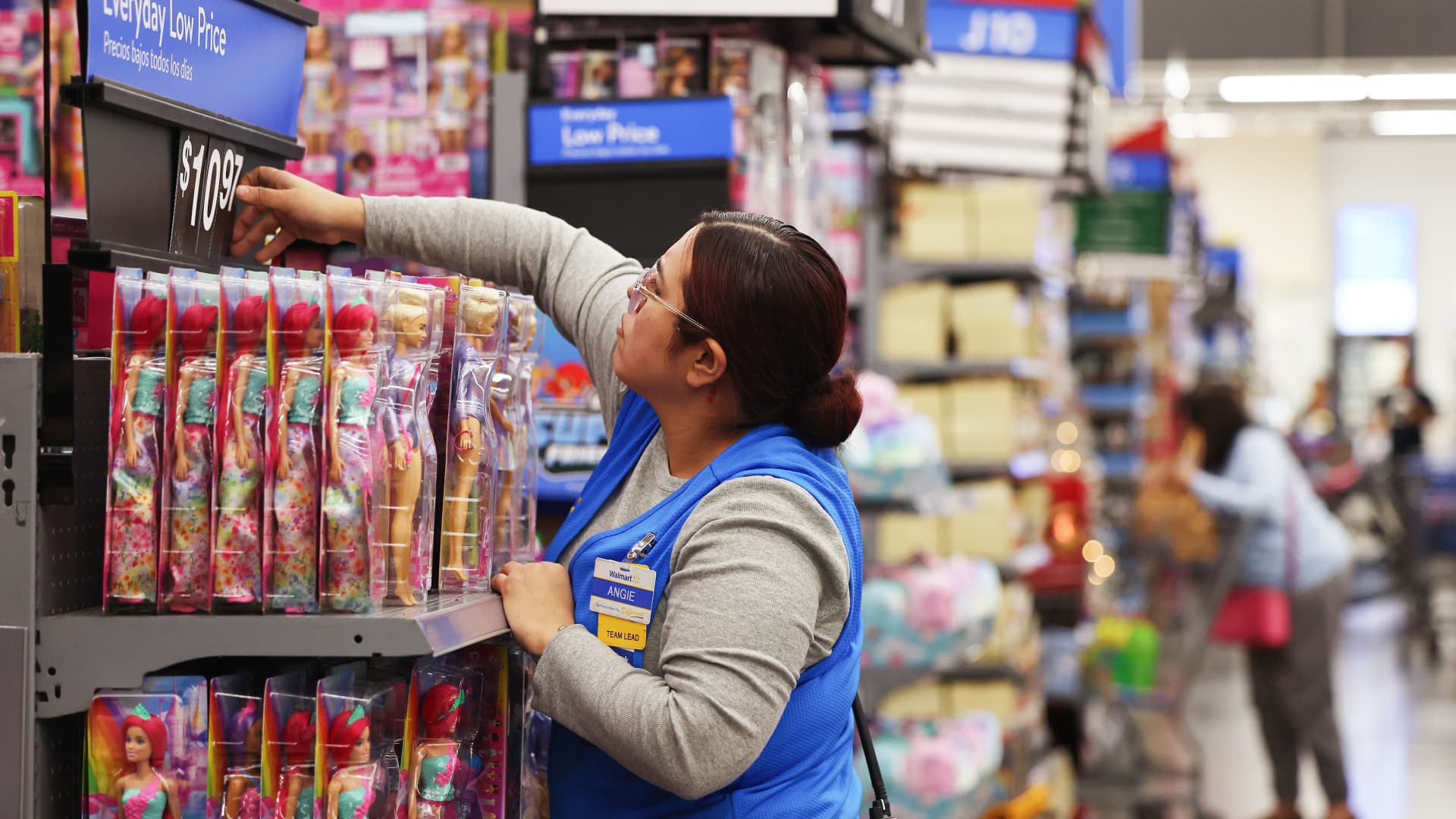
- Patient Education Initiatives: Walmart and CVS Health have launched a nationwide effort at nearly 5,000 locations to provide educational materials and pharmacy support, addressing the fact that 82% of older Americans were unaware of the new coverage, thereby enhancing patient engagement and understanding.
- Digital Tool Innovations: Walmart's Everyday Health Signals program helps seniors review their grocery purchases and recommend healthier alternatives, aiming to empower patients in managing their health and ensuring effective medication use.
- Pharmacy Professional Support: Pharmacists from Walmart and CVS will offer one-on-one consultations to assist patients in understanding treatment steps and managing side effects, particularly in medically underserved areas, thereby greatly enhancing patient care accessibility and experience.
See More
Medicare's New Policy Expands Access to Weight-Loss Drugs
- Market Access Expansion: Medicare's GLP-1 Bridge program allows seniors to access weight-loss drugs for a $50 monthly copayment, expected to significantly boost prescription volumes and drive market growth, particularly before 2027.
- Revenue Growth Expectations: Analysts project that the program could add over $1 billion in annual revenue for each of the leading companies, Eli Lilly and Novo Nordisk, with their market shares anticipated to remain stable at 60% and 40%, reflecting intensifying market competition.
- Changing Competitive Landscape: As companies like AstraZeneca, Pfizer, and Amgen develop their own GLP-1 drugs, the competitive dynamics are heating up, prompting investors to monitor these emerging players for potential investment opportunities.
- Oral Drug Popularity: The rising interest in oral GLP-1 formulations indicates that seniors are more likely to prefer pills over injections, which could further enhance market acceptance and drug proliferation.
See More
Eli Lilly's Potential in the Growing GLP-1 Market
- Market Growth Outlook: The GLP-1 market is projected to reach $190 billion by 2035, more than doubling its 2025 value, positioning Eli Lilly, as a market leader, to achieve strong returns through ongoing innovation and market share expansion.
- Product Line Diversification: Eli Lilly's drugs like Zepbound and Mounjaro excel in weight loss and diabetes treatment, with Mounjaro emerging as its best-selling product, showcasing the company's robust competitiveness in core therapeutic areas.
- Pipeline Potential: Eli Lilly's investigational drug retatrutide has shown fantastic results in phase 3 trials by mimicking three hormones—GLP-1, GIP, and glucagon—potentially providing new growth momentum and further strengthening its market position.
- Investment Risk Considerations: Despite Eli Lilly's leading position in the GLP-1 market, increasing competition and new drug launches could threaten market share, necessitating investors to carefully assess potential risks to ensure a diversified investment portfolio.
See More
Analysis of the M&A Frenzy in Pharma Industry
- Surge in M&A Activity: In 2026, the pharmaceutical industry has seen 32 deals worth $123 billion, indicating a strong trend towards consolidation, which could mark the most active year since 2019, reflecting urgent market demand for new drug development.
- Patent Cliff Threat: An estimated $300 billion in annual revenue is at risk due to patent expirations in the coming years, with nearly 70 drugs generating over $1 billion each facing patent expiration, compelling pharmaceutical companies to accelerate M&A to find new revenue streams and ensure financial stability.
- Regulatory Environment Shift: Recent significant changes by the FDA regarding approval policies for rare disease treatments allow alternative methods for drug approvals, making clinical-stage drugs more attractive and fueling the M&A frenzy, enhancing market vitality.
- Investor Focus on Individual Companies: While the pharmaceutical industry has underperformed overall, companies like Eli Lilly are demonstrating strong growth potential through aggressive M&A strategies and robust product pipelines, attracting investor interest in their future developments.
See More
Stocks Close Lower as AI Trade Volatility Increases
- Market Pullback: Stocks closed lower to end the holiday-shortened trading week, although the S&P 500 rebounded by about 1.5% after last week's decline, indicating short-term market volatility.
- Employment Data Impact: A soft June jobs report eased concerns about the Federal Reserve raising interest rates in the coming months, potentially providing some confidence to investors, yet the overall market remains affected by AI trade volatility.
- Portfolio Performance: This week, stocks in the portfolio such as Corning, Arm Holdings, and Intel faced pressure due to changing market sentiment, while software companies like Salesforce and Microsoft saw gains, both up nearly 5% for the week.
- Economic Data Preview: Next week will feature several important economic updates, including service sector activity reports and mortgage applications, which investors should monitor for their potential impact on the market.
See More
Eli Lilly Stock Surges on Strong Drug Approvals and Market Position
- Stock Surge: Eli Lilly's stock has risen approximately 6.7% over the past week, driven by strong company-specific news and a broader rally in the U.S. drug and biotech sectors, reflecting market confidence in its growth prospects.
- Drug Approval Recommendation: The European Medicines Agency's Committee recommended approval of Lilly's Jaypirca for chronic lymphocytic leukemia treatment, which, if approved, would expand its indication in the EU, with a final decision expected in one to two months, potentially boosting revenue.
- Medicare Program Launch: Lilly announced its GLP-1 Bridge program, set to provide eligible Medicare Part D beneficiaries access to its oral GLP-1 drug Foundayo and injection Zepbound for $50 per month starting July 1, 2026, marking the first broad Medicare coverage for GLP-1 obesity medications.
- Market Leadership: Lilly maintains a strong position in the GLP-1 market with blockbuster drugs like Mounjaro and Zepbound, expected to benefit from rising global demand for GLP-1 therapies, despite challenges from price declines and increasing competition.
See More
Medicare Begins Coverage for Obesity Drugs
- Policy Shift: Medicare's new temporary program covers obesity drugs for the first time, potentially enabling millions of older Americans to afford GLP-1 medications from Novo Nordisk and Eli Lilly, significantly improving their health outcomes and quality of life.
- Patient Education Initiatives: Walmart and CVS Health have launched a nationwide effort at nearly 5,000 locations to provide educational materials and pharmacy support, addressing the fact that 82% of older Americans were unaware of the new coverage, thereby enhancing patient engagement and understanding.
- Digital Tool Innovations: Walmart's Everyday Health Signals program helps seniors review their grocery purchases and recommend healthier alternatives, aiming to empower patients in managing their health and ensuring effective medication use.
- Pharmacy Professional Support: Pharmacists from Walmart and CVS will offer one-on-one consultations to assist patients in understanding treatment steps and managing side effects, particularly in medically underserved areas, thereby greatly enhancing patient care accessibility and experience.
See More
Medicare's New Policy Expands Access to Weight-Loss Drugs
- Market Access Expansion: Medicare's GLP-1 Bridge program allows seniors to access weight-loss drugs for a $50 monthly copayment, expected to significantly boost prescription volumes and drive market growth, particularly before 2027.
- Revenue Growth Expectations: Analysts project that the program could add over $1 billion in annual revenue for each of the leading companies, Eli Lilly and Novo Nordisk, with their market shares anticipated to remain stable at 60% and 40%, reflecting intensifying market competition.
- Changing Competitive Landscape: As companies like AstraZeneca, Pfizer, and Amgen develop their own GLP-1 drugs, the competitive dynamics are heating up, prompting investors to monitor these emerging players for potential investment opportunities.
- Oral Drug Popularity: The rising interest in oral GLP-1 formulations indicates that seniors are more likely to prefer pills over injections, which could further enhance market acceptance and drug proliferation.
See More





