Editorial | Chevy Makes a Comeback
Written by Emily J. Thompson, Senior Investment Analyst
Updated: Oct 22 2025
0mins
Should l Buy TSLA?
Source: WSJ
Positive Earnings Season: The quarterly earnings season has started on a positive note, particularly highlighted by developments from Detroit.
Impact of Policy Changes: The easing of Washington's demands regarding electric vehicles and a lighter-than-expected tariff demand have contributed to rising stock prices.
Trade with 70% Backtested Accuracy
Stop guessing "Should I Buy TSLA?" and start using high-conviction signals backed by rigorous historical data.
Sign up today to access powerful investing tools and make smarter, data-driven decisions.
Analyst Views on TSLA
Wall Street analysts forecast TSLA stock price to rise
30 Analyst Rating
12 Buy
11 Hold
7 Sell
Hold
Current: 383.030

Low
25.28
Averages
401.93
High
600.00
Current: 383.030
Low
25.28
Averages
401.93
High
600.00
About TSLA
Tesla, Inc. designs, develops, manufactures, sells and leases high-performance fully electric vehicles and energy generation and storage systems, and offers services related to its products. Its segments include automotive, and energy generation and storage. The automotive segment includes the design, development, manufacturing, sales and leasing of high-performance fully electric vehicles, and sales of automotive regulatory credits. It also includes sales of used vehicles, non-warranty maintenance services and collisions, part sales, paid supercharging, insurance services revenue and retail merchandise sales. The energy generation and storage segment include the design, manufacture, installation, sales and leasing of solar energy generation and energy storage products and related services and sales of solar energy systems incentives. Its consumer vehicles include the Model 3, Y, S, X and Cybertruck. Its lithium-ion battery energy storage products include Powerwall and Megapack.
About the author

Emily J. Thompson
Emily J. Thompson, a Chartered Financial Analyst (CFA) with 12 years in investment research, graduated with honors from the Wharton School. Specializing in industrial and technology stocks, she provides in-depth analysis for Intellectia’s earnings and market brief reports.
SPACEX, LAST VALUED AT $1.25 TRILLION, WILL DETERMINE THE FINAL OFFERING SIZE AND VALUATION JUST WEEKS PRIOR TO THE IPO - THE INFORMATION

Company Valuation: SpaceX is currently valued at $1.25 trillion.
Upcoming Decisions: The actual size of the offering and its valuation will not be determined until a few weeks before the IPO.
See More
SPACEX MAY SEEK OVER $75 BILLION IN IPO, REPORTS THE INFORMATION
- SpaceX's IPO Plans: SpaceX is attempting to raise over $75 billion through its initial public offering (IPO).
- Market Impact: The potential IPO could significantly influence the aerospace and technology sectors, attracting considerable investor interest.
See More
Tesla's Terafab Project to Propel AI Advancements
- Project Overview: Tesla's Terafab project aims to address the significant constraints posed by chip and memory supply on AI advancements in the coming years by integrating design, fabrication, mask production, packaging, and testing to enhance overall production efficiency.
- Market Expectations: Wedbush analyst Dan Ives maintains an ‘Outperform’ rating on Tesla with a $600 price target, believing that Terafab will accelerate Tesla's positioning in the AI sector, despite uncertainties surrounding the project's timeline.
- Strategic Importance: Musk described Terafab as “the most epic chip-building exercise in history,” with the facility expected to produce over one terawatt of computing capacity annually, supporting Tesla's vehicles, Optimus robots, and future space-based AI infrastructure.
- Investor Sentiment: Despite TSLA stock gaining 38% over the past 12 months, retail sentiment on Stocktwits remains in the ‘extremely bearish’ territory, indicating market concerns about future developments.
See More
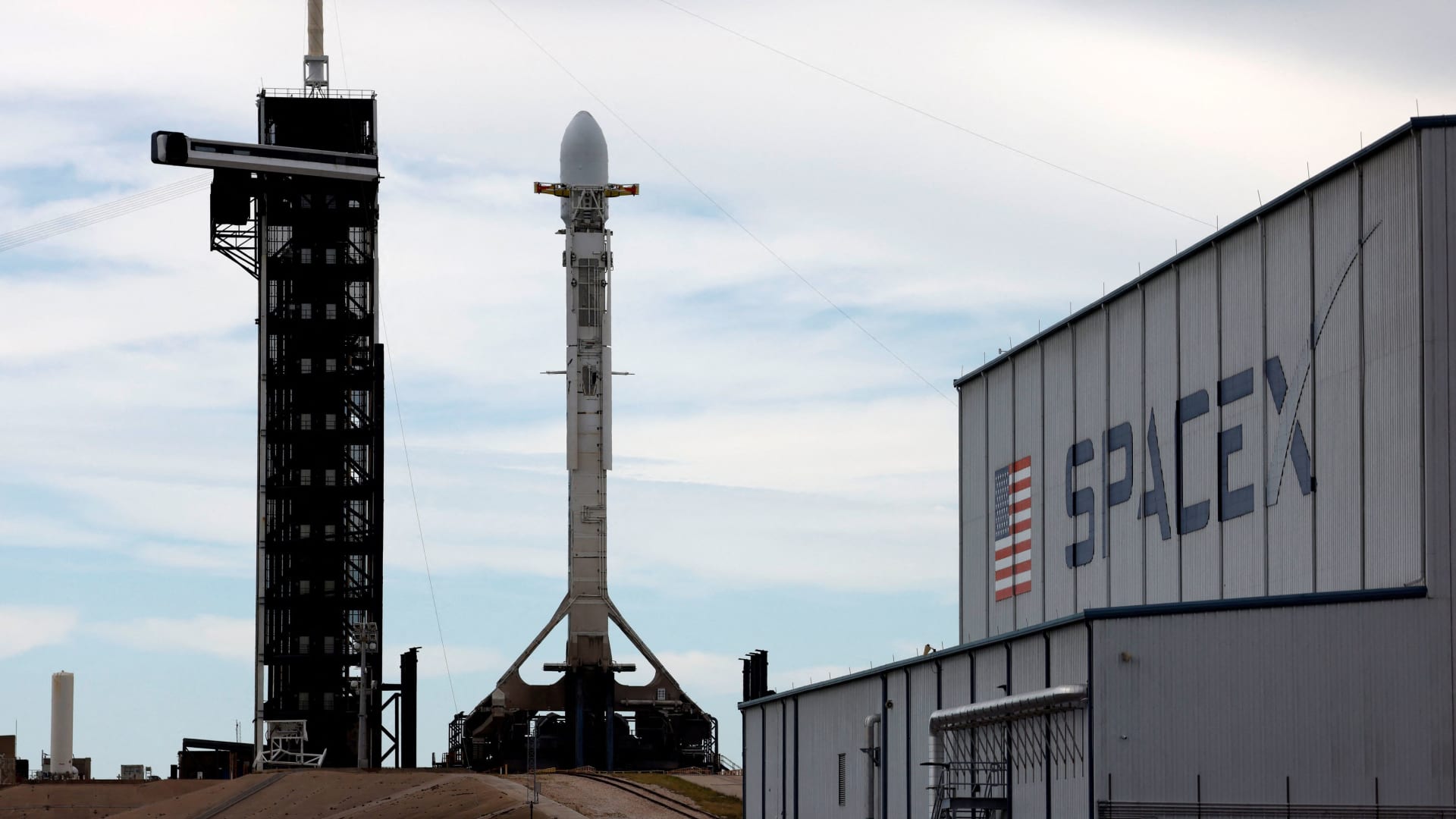
SpaceX Poised for IPO, Expected to Raise Over $75 Billion

- IPO Progress: SpaceX is reportedly preparing to file its initial public offering (IPO) prospectus with regulators in the coming days, with expectations to raise over $75 billion, potentially making it one of the largest IPOs in history, reflecting strong market confidence in its future growth.
- Market Position: SpaceX is the largest holding in the Baron Partners Fund (BPTRX), accounting for nearly one-third of the portfolio, and together with Tesla, they represent over half of the fund's holdings, indicating a significant reliance on Musk-led companies by investors.
- Fund Performance: In the ARK Venture Fund (ARKVX), SpaceX comprises 18% of the holdings, and despite the fund being up over 6% in 2026, it faces market volatility challenges, showcasing ongoing interest in high-risk investments.
- Market Reaction: Following the IPO report, EchoStar's stock jumped 8%, with a year-to-date increase of around 10%, indicating positive market expectations for SpaceX's potential listing and further boosting the performance of related stocks.
See More

Tesla and SpaceX Plan Semiconductor Merger in Austin
- Massive Semiconductor Facility: Tesla and SpaceX's proposed Terafab project in Austin, Texas, is expected to cost up to $25 billion, making it the largest semiconductor fabrication facility in history, focusing on chip design, manufacturing, and testing, indicating deep collaboration between the two companies in the semiconductor sector.
- Ambitious Production Targets: The facility aims for an initial production target of 100,000 wafer starts per month, scaling to 1 million per month, which would represent approximately 70% of TSMC's global output, providing 100 billion to 200 billion custom AI and memory chips annually for Tesla's FSD, Cybercab, and Optimus production lines.
- Meeting Market Demand: With TSMC and Samsung unable to meet Musk's production goals, this facility will ramp up over time to address the rapidly growing demand for AI computing power, with current AI compute output at around 20 gigawatts per year, only meeting 2% of the companies' needs.
- Merger Outlook: Analysts believe this project will accelerate Tesla's ambitious AI trajectory, laying the groundwork for a potential merger between Tesla and SpaceX in 2027, with chip and memory supply expected to be the greatest constraint.
See More
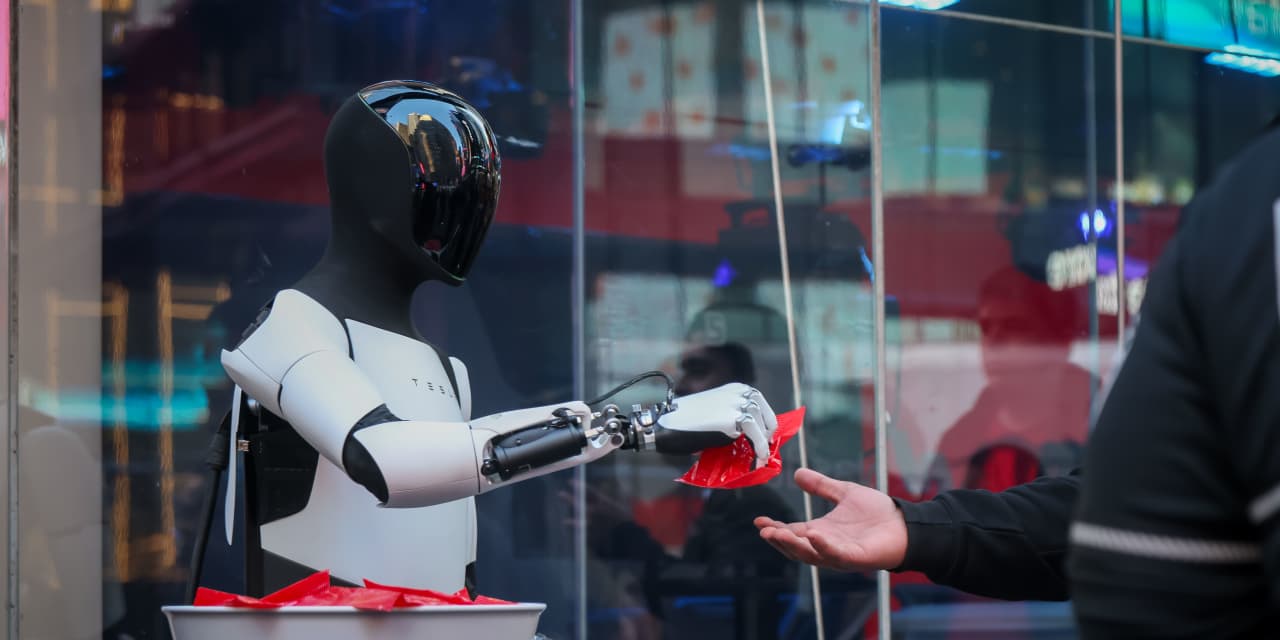
Wall Street Enthusiastic About Robots: Aptiv and Other Stocks Set to Gain.


- Advancements in AI: Recent developments in artificial intelligence are leading to innovative virtual applications.
- AI Applications: These advancements include AI agents capable of writing software, managing financial records, creating videos, and assisting with college entrance essays.
See More
SPACEX, LAST VALUED AT $1.25 TRILLION, WILL DETERMINE THE FINAL OFFERING SIZE AND VALUATION JUST WEEKS PRIOR TO THE IPO - THE INFORMATION
Company Valuation: SpaceX is currently valued at $1.25 trillion.
Upcoming Decisions: The actual size of the offering and its valuation will not be determined until a few weeks before the IPO.
See More
SPACEX MAY SEEK OVER $75 BILLION IN IPO, REPORTS THE INFORMATION
- SpaceX's IPO Plans: SpaceX is attempting to raise over $75 billion through its initial public offering (IPO).
- Market Impact: The potential IPO could significantly influence the aerospace and technology sectors, attracting considerable investor interest.
See More
Tesla's Terafab Project to Propel AI Advancements
- Project Overview: Tesla's Terafab project aims to address the significant constraints posed by chip and memory supply on AI advancements in the coming years by integrating design, fabrication, mask production, packaging, and testing to enhance overall production efficiency.
- Market Expectations: Wedbush analyst Dan Ives maintains an ‘Outperform’ rating on Tesla with a $600 price target, believing that Terafab will accelerate Tesla's positioning in the AI sector, despite uncertainties surrounding the project's timeline.
- Strategic Importance: Musk described Terafab as “the most epic chip-building exercise in history,” with the facility expected to produce over one terawatt of computing capacity annually, supporting Tesla's vehicles, Optimus robots, and future space-based AI infrastructure.
- Investor Sentiment: Despite TSLA stock gaining 38% over the past 12 months, retail sentiment on Stocktwits remains in the ‘extremely bearish’ territory, indicating market concerns about future developments.
See More
SpaceX Poised for IPO, Expected to Raise Over $75 Billion
- IPO Progress: SpaceX is reportedly preparing to file its initial public offering (IPO) prospectus with regulators in the coming days, with expectations to raise over $75 billion, potentially making it one of the largest IPOs in history, reflecting strong market confidence in its future growth.
- Market Position: SpaceX is the largest holding in the Baron Partners Fund (BPTRX), accounting for nearly one-third of the portfolio, and together with Tesla, they represent over half of the fund's holdings, indicating a significant reliance on Musk-led companies by investors.
- Fund Performance: In the ARK Venture Fund (ARKVX), SpaceX comprises 18% of the holdings, and despite the fund being up over 6% in 2026, it faces market volatility challenges, showcasing ongoing interest in high-risk investments.
- Market Reaction: Following the IPO report, EchoStar's stock jumped 8%, with a year-to-date increase of around 10%, indicating positive market expectations for SpaceX's potential listing and further boosting the performance of related stocks.
See More
Tesla and SpaceX Plan Semiconductor Merger in Austin
- Massive Semiconductor Facility: Tesla and SpaceX's proposed Terafab project in Austin, Texas, is expected to cost up to $25 billion, making it the largest semiconductor fabrication facility in history, focusing on chip design, manufacturing, and testing, indicating deep collaboration between the two companies in the semiconductor sector.
- Ambitious Production Targets: The facility aims for an initial production target of 100,000 wafer starts per month, scaling to 1 million per month, which would represent approximately 70% of TSMC's global output, providing 100 billion to 200 billion custom AI and memory chips annually for Tesla's FSD, Cybercab, and Optimus production lines.
- Meeting Market Demand: With TSMC and Samsung unable to meet Musk's production goals, this facility will ramp up over time to address the rapidly growing demand for AI computing power, with current AI compute output at around 20 gigawatts per year, only meeting 2% of the companies' needs.
- Merger Outlook: Analysts believe this project will accelerate Tesla's ambitious AI trajectory, laying the groundwork for a potential merger between Tesla and SpaceX in 2027, with chip and memory supply expected to be the greatest constraint.
See More
Wall Street Enthusiastic About Robots: Aptiv and Other Stocks Set to Gain.
- Advancements in AI: Recent developments in artificial intelligence are leading to innovative virtual applications.
- AI Applications: These advancements include AI agents capable of writing software, managing financial records, creating videos, and assisting with college entrance essays.
See More