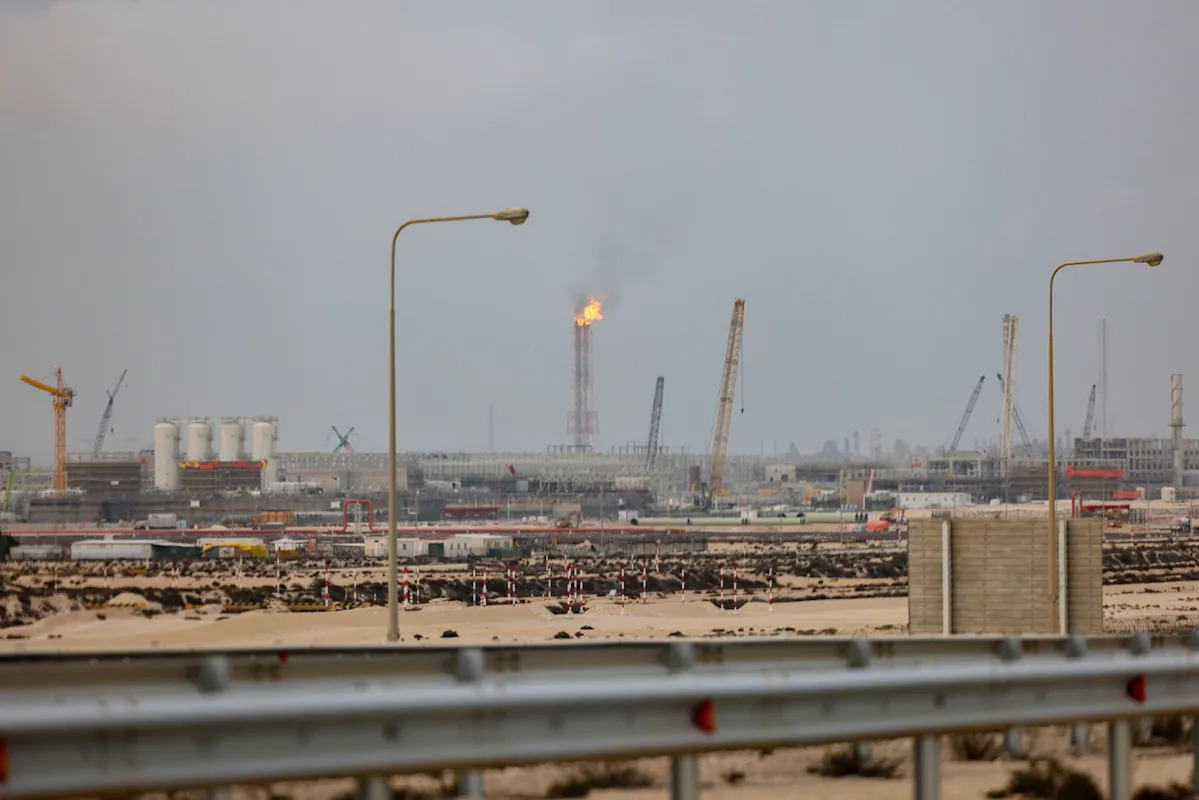
ECB Holds Interest Rates Steady Amid Inflation Concerns
Written by Emily J. Thompson, Senior Investment Analyst
Updated: 1 hour ago
0mins
Should l Buy GF?
Source: seekingalpha
- Rates Held Steady: The European Central Bank has decided to keep the deposit facility rate, main refinancing operations rate, and marginal lending facility rate unchanged at 2.00%, 2.15%, and 2.40% respectively, aiming to support economic stability amid inflation risks.
- Inflation Outlook Uncertain: The ongoing conflict in the Middle East has led to rising energy prices, making the inflation outlook more uncertain, with projected headline inflation expected to average 2.6% in 2026, revised upward from previous estimates, indicating mounting economic pressures.
- Economic Resilience: Despite the uncertainties, the ECB noted that the economy has shown resilience in recent quarters, with long-term inflation expectations remaining well anchored, suggesting that market confidence is still intact.
- Data-Driven Policy: The ECB emphasized its commitment to closely monitor the evolving situation, relying on incoming data to adjust monetary policy as necessary to address potential inflation risks and economic slowdown.
Trade with 70% Backtested Accuracy
Stop guessing "Should I Buy GF?" and start using high-conviction signals backed by rigorous historical data.
Sign up today to access powerful investing tools and make smarter, data-driven decisions.
Analyst Views on GF
Wall Street analysts forecast GF stock price to rise
0 Analyst Rating
0 Buy
0 Hold
0 Sell
Current: 10.840

Low
Averages
High
Current: 10.840
Low
Averages
High

No data
About GF
The New Germany Fund, Inc. (the Fund) is a diversified, closed-end management investment company. The Fund seeks long-term capital appreciation primarily through investment in middle-market German equities. The focus of the Fund's investments lies within Germany. Under normal market conditions at least 80% of the Fund’s net assets are invested in equity or equity-linked securities. The Fund invests in range of sectors, which include aerospace and defense; auto components; automobiles; banks; building products; chemicals; electrical equipment; independent power and renewable electricity producers; insurance; Internet and direct marketing retail; information technology (IT) services, life sciences tools and services; metals and mining; real estate management and development; software; textiles, apparel and luxury goods; trading companies and distributors; diversified financial services; commercial services and supplies, and others. The Fund's investment advisor is DWS International GmbH.
About the author

Emily J. Thompson
Emily J. Thompson, a Chartered Financial Analyst (CFA) with 12 years in investment research, graduated with honors from the Wharton School. Specializing in industrial and technology stocks, she provides in-depth analysis for Intellectia’s earnings and market brief reports.
ECB Holds Interest Rates Steady Amid Inflation Concerns

- Rates Held Steady: The European Central Bank has decided to keep the deposit facility rate, main refinancing operations rate, and marginal lending facility rate unchanged at 2.00%, 2.15%, and 2.40% respectively, aiming to support economic stability amid inflation risks.
- Inflation Outlook Uncertain: The ongoing conflict in the Middle East has led to rising energy prices, making the inflation outlook more uncertain, with projected headline inflation expected to average 2.6% in 2026, revised upward from previous estimates, indicating mounting economic pressures.
- Economic Resilience: Despite the uncertainties, the ECB noted that the economy has shown resilience in recent quarters, with long-term inflation expectations remaining well anchored, suggesting that market confidence is still intact.
- Data-Driven Policy: The ECB emphasized its commitment to closely monitor the evolving situation, relying on incoming data to adjust monetary policy as necessary to address potential inflation risks and economic slowdown.
See More

European Natural Gas Futures Surge Amid Geopolitical Tensions
- Price Surge: European natural gas futures have jumped approximately 25% over the past month, with benchmark Dutch TTF front-month futures trading around €35 to €40 per megawatt hour, reflecting heightened market sensitivity to geopolitical tensions and supply concerns.
- Inventory Status: Despite the rebound, current prices remain roughly a third lower than last year, indicating comfortable storage levels and softer industrial demand, which limit the potential for sustained price increases in the near term.
- Increased Supply Risks: The risks to global energy infrastructure have intensified due to U.S. and Israeli strikes on Iran, followed by retaliatory actions from Iran, while intermittent outages and maintenance at Norwegian facilities have added upward pressure on prices.
- Market Vulnerability: Although U.S. natural gas prices remain relatively subdued, Europe's heavy reliance on LNG imports highlights its vulnerability to external shocks, with forecasts suggesting prices may stabilize between €36 and €39/MWh amid ongoing geopolitical risks.
See More

European Economic Data and Market Dynamics
- Stable Unemployment Rate: The UK's unemployment rate remains steady at 5.2%, which, despite economic uncertainties, may help sustain consumer confidence and support economic growth.
- Widening Trade Surplus: Switzerland's trade surplus expanded to CHF 4.4 billion in February, indicating resilience amid global economic fluctuations, potentially providing support for future economic policies.
- Energy Market Volatility: European natural gas futures surged about 25% to above €68 per MWh following Iranian attacks on Middle Eastern energy infrastructure, reflecting heightened market concerns over energy supply and potential inflationary pressures.
- Central Bank Policy Expectations: The Bank of England and European Central Bank are expected to keep interest rates unchanged at 3.75% and for the sixth consecutive meeting, respectively, demonstrating a cautious stance towards inflation risks stemming from the Middle East conflict.
See More

Eurozone Inflation Rate Rises to 1.9% in February 2026
- Inflation Rate Increase: The Eurozone's annual inflation rate was confirmed at 1.9% in February 2026, up from January's 16-month low of 1.7%, indicating a notable acceleration in services inflation that could impact consumer spending and economic recovery.
- Core Inflation Rebound: Core inflation rose to 2.4%, rebounding from January's more than four-year low of 2.2%, suggesting increased price pressures that may prompt the European Central Bank to consider interest rate hikes in response to rising costs.
- CPI Monthly Change: The Euro Area's Consumer Price Index (CPI) increased by 0.6% month-over-month in February 2026, rebounding from a 0.6% decline in the previous month, although slightly below initial estimates of 0.7%, reflecting the fragility of economic recovery.
- Market Reaction: Following the inflation data release, expectations for an ECB rate hike have risen, particularly in the context of an oil shock driven by the Iran conflict, which may influence investor sentiment towards risk assets.
See More

European Markets Fluctuate Amid Middle East Tensions
- Central Bank Policy Shift: The Central Bank of Iceland raised its key policy rate by 25 basis points to 7.50% during the March meeting, indicating a response to inflationary pressures that could affect investor confidence in the region's economy.
- Market Recovery: The pan-European Stoxx 600 index rose by 0.48% to 605.3, marking a third consecutive day of gains, reflecting optimistic sentiment regarding future economic recovery despite geopolitical risks.
- U.S. Monetary Policy Watch: Investors are closely monitoring the upcoming monetary policy decisions from the U.S. Federal Reserve, where rates are expected to remain steady within the 3.5%-3.75% target range, potentially impacting global market liquidity.
- Oil Market Fluctuations: Brent crude futures fell to around $102 per barrel after Iraq reached an agreement to resume oil exports through Turkey's Ceyhan port, indicating that supply chain recovery may influence global oil prices.
See More

ECB Rate Hike Probability Rises to 44%
- Rate Hike Probability Increase: Traders are pricing in a 44% chance of a rate hike by the European Central Bank in 2026, driven by an oil shock from the Middle East crisis, indicating heightened market sensitivity to future monetary policy.
- Impact of Oil Shock: Following U.S. and Israeli military actions against Iran, concerns over oil supply disruptions have intensified, with analysts suggesting that in a tail-risk scenario where disruptions last until May, the ECB may hike rates, although lower rates could be expected by year-end.
- Rates Held Steady: In its latest meeting, the ECB kept interest rates unchanged for the fifth consecutive time, maintaining the deposit rate at 2%, reflecting a cautious approach to the economic situation and market expectations for future policy.
- Australia's Rate Hike: Concurrently, the Reserve Bank of Australia raised its cash rate by 25 basis points to 4.1% in March 2026, aligning with market expectations and demonstrating the tightening measures taken by major economies in response to inflationary pressures.
See More
ECB Holds Interest Rates Steady Amid Inflation Concerns
- Rates Held Steady: The European Central Bank has decided to keep the deposit facility rate, main refinancing operations rate, and marginal lending facility rate unchanged at 2.00%, 2.15%, and 2.40% respectively, aiming to support economic stability amid inflation risks.
- Inflation Outlook Uncertain: The ongoing conflict in the Middle East has led to rising energy prices, making the inflation outlook more uncertain, with projected headline inflation expected to average 2.6% in 2026, revised upward from previous estimates, indicating mounting economic pressures.
- Economic Resilience: Despite the uncertainties, the ECB noted that the economy has shown resilience in recent quarters, with long-term inflation expectations remaining well anchored, suggesting that market confidence is still intact.
- Data-Driven Policy: The ECB emphasized its commitment to closely monitor the evolving situation, relying on incoming data to adjust monetary policy as necessary to address potential inflation risks and economic slowdown.
See More
European Natural Gas Futures Surge Amid Geopolitical Tensions
- Price Surge: European natural gas futures have jumped approximately 25% over the past month, with benchmark Dutch TTF front-month futures trading around €35 to €40 per megawatt hour, reflecting heightened market sensitivity to geopolitical tensions and supply concerns.
- Inventory Status: Despite the rebound, current prices remain roughly a third lower than last year, indicating comfortable storage levels and softer industrial demand, which limit the potential for sustained price increases in the near term.
- Increased Supply Risks: The risks to global energy infrastructure have intensified due to U.S. and Israeli strikes on Iran, followed by retaliatory actions from Iran, while intermittent outages and maintenance at Norwegian facilities have added upward pressure on prices.
- Market Vulnerability: Although U.S. natural gas prices remain relatively subdued, Europe's heavy reliance on LNG imports highlights its vulnerability to external shocks, with forecasts suggesting prices may stabilize between €36 and €39/MWh amid ongoing geopolitical risks.
See More
European Economic Data and Market Dynamics
- Stable Unemployment Rate: The UK's unemployment rate remains steady at 5.2%, which, despite economic uncertainties, may help sustain consumer confidence and support economic growth.
- Widening Trade Surplus: Switzerland's trade surplus expanded to CHF 4.4 billion in February, indicating resilience amid global economic fluctuations, potentially providing support for future economic policies.
- Energy Market Volatility: European natural gas futures surged about 25% to above €68 per MWh following Iranian attacks on Middle Eastern energy infrastructure, reflecting heightened market concerns over energy supply and potential inflationary pressures.
- Central Bank Policy Expectations: The Bank of England and European Central Bank are expected to keep interest rates unchanged at 3.75% and for the sixth consecutive meeting, respectively, demonstrating a cautious stance towards inflation risks stemming from the Middle East conflict.
See More
Eurozone Inflation Rate Rises to 1.9% in February 2026
- Inflation Rate Increase: The Eurozone's annual inflation rate was confirmed at 1.9% in February 2026, up from January's 16-month low of 1.7%, indicating a notable acceleration in services inflation that could impact consumer spending and economic recovery.
- Core Inflation Rebound: Core inflation rose to 2.4%, rebounding from January's more than four-year low of 2.2%, suggesting increased price pressures that may prompt the European Central Bank to consider interest rate hikes in response to rising costs.
- CPI Monthly Change: The Euro Area's Consumer Price Index (CPI) increased by 0.6% month-over-month in February 2026, rebounding from a 0.6% decline in the previous month, although slightly below initial estimates of 0.7%, reflecting the fragility of economic recovery.
- Market Reaction: Following the inflation data release, expectations for an ECB rate hike have risen, particularly in the context of an oil shock driven by the Iran conflict, which may influence investor sentiment towards risk assets.
See More
European Markets Fluctuate Amid Middle East Tensions
- Central Bank Policy Shift: The Central Bank of Iceland raised its key policy rate by 25 basis points to 7.50% during the March meeting, indicating a response to inflationary pressures that could affect investor confidence in the region's economy.
- Market Recovery: The pan-European Stoxx 600 index rose by 0.48% to 605.3, marking a third consecutive day of gains, reflecting optimistic sentiment regarding future economic recovery despite geopolitical risks.
- U.S. Monetary Policy Watch: Investors are closely monitoring the upcoming monetary policy decisions from the U.S. Federal Reserve, where rates are expected to remain steady within the 3.5%-3.75% target range, potentially impacting global market liquidity.
- Oil Market Fluctuations: Brent crude futures fell to around $102 per barrel after Iraq reached an agreement to resume oil exports through Turkey's Ceyhan port, indicating that supply chain recovery may influence global oil prices.
See More
ECB Rate Hike Probability Rises to 44%
- Rate Hike Probability Increase: Traders are pricing in a 44% chance of a rate hike by the European Central Bank in 2026, driven by an oil shock from the Middle East crisis, indicating heightened market sensitivity to future monetary policy.
- Impact of Oil Shock: Following U.S. and Israeli military actions against Iran, concerns over oil supply disruptions have intensified, with analysts suggesting that in a tail-risk scenario where disruptions last until May, the ECB may hike rates, although lower rates could be expected by year-end.
- Rates Held Steady: In its latest meeting, the ECB kept interest rates unchanged for the fifth consecutive time, maintaining the deposit rate at 2%, reflecting a cautious approach to the economic situation and market expectations for future policy.
- Australia's Rate Hike: Concurrently, the Reserve Bank of Australia raised its cash rate by 25 basis points to 4.1% in March 2026, aligning with market expectations and demonstrating the tightening measures taken by major economies in response to inflationary pressures.
See More