Dupixent Approved by EU for Pediatric CSU Treatment
Written by Emily J. Thompson, Senior Investment Analyst
Updated: 2 days ago
0mins
Should l Buy REGN?
Source: NASDAQ.COM
- Approval Expansion: The European Commission has approved Dupixent (Dupilumab) for the treatment of moderate-to-severe chronic spontaneous urticaria (CSU) in children aged 2 to 11 years, marking a significant expansion of the drug's indications to address the urgent needs of children unresponsive to antihistamines.
- Clinical Trial Support: This approval is based on data from the LIBERTY-CUPID clinical trial program, which demonstrated that Dupixent significantly reduced urticaria activity in adults, further validating its efficacy and safety in the pediatric population.
- Global Market Performance: Dupixent has received regulatory approvals in over 60 countries, with Sanofi reporting global net sales of $17.8 billion for 2025, a significant increase from the previous year, indicating strong market demand and potential for the drug.
- Market Reaction: Despite the positive approval news, Sanofi's stock fell 0.68% in Friday's trading and continued to decline by 0.97% in pre-market trading, reflecting a cautious market sentiment towards the biopharmaceutical sector.
Trade with 70% Backtested Accuracy
Stop guessing "Should I Buy REGN?" and start using high-conviction signals backed by rigorous historical data.
Sign up today to access powerful investing tools and make smarter, data-driven decisions.
Analyst Views on REGN
Wall Street analysts forecast REGN stock price to rise
22 Analyst Rating
16 Buy
6 Hold
0 Sell
Moderate Buy
Current: 755.510

Low
637.00
Averages
808.50
High
1057
Current: 755.510
Low
637.00
Averages
808.50
High
1057
About REGN
Regeneron Pharmaceuticals, Inc. is a fully integrated biotechnology company. The Company invents, develops, manufactures, and commercializes medicines for people with serious diseases. Its products and product candidates in development are designed to help patients with eye diseases, allergic and inflammatory diseases, cancer, cardiovascular and metabolic diseases, neurological diseases, hematologic conditions, infectious diseases, and rare diseases. The Company is accelerating drug development using its proprietary technologies, such as VelociSuite, which produces optimized fully human antibodies and new classes of bispecific antibodies. VelociSuite consists of VelocImmune, VelociGene, VelociMouse, VelociMab, Veloci-Bi, VelociT, VelociHum, and other related technologies. Its marketed products include EYLEA (aflibercept); Dupixent (dupilumab); Libtayo (cemiplimab); Ordspono (odronextamab); Kevzara (sarilumab); Itepekimab; Lynozyfic, and others.
About the author

Emily J. Thompson
Emily J. Thompson, a Chartered Financial Analyst (CFA) with 12 years in investment research, graduated with honors from the Wharton School. Specializing in industrial and technology stocks, she provides in-depth analysis for Intellectia’s earnings and market brief reports.

AbbVie Ventures into Weight Loss Market with Promising Drug


- Clinical Trial Results: AbbVie's March 9 announcement of ABBV-295's clinical trial results indicates that patients receiving weekly treatment lost an average of 7.75% to 9.79% of their weight over 12 weeks, while those on biweekly or monthly regimens lost between 7.86% and 9.73% over 13 weeks, suggesting strong potential for the drug in the weight loss market.
- Competitive Market Pressure: Despite the promising initial data for ABBV-295, AbbVie faces intense competition in the weight loss market from companies like Eli Lilly, which have several late-stage obesity drugs, indicating that the market will become increasingly crowded before AbbVie can launch its product.
- Core Business Stability: AbbVie's primary therapeutic area remains immunology, with projected sales for Skyrizi and Rinvoq exceeding $31 billion in 2023, significantly surpassing Humira's peak sales, demonstrating the company's robust performance and growth potential in this sector.
- Optimistic Pipeline Outlook: Even if ABBV-295 fails in clinical trials, AbbVie has a deep pipeline of investigational products, including the ongoing ABBV-383 cancer treatment, which is expected to provide significant support for the company's future financial performance and further solidify its leadership in the pharmaceutical industry.
See More
Regeneron and Telix Collaborate on Radiopharmaceuticals


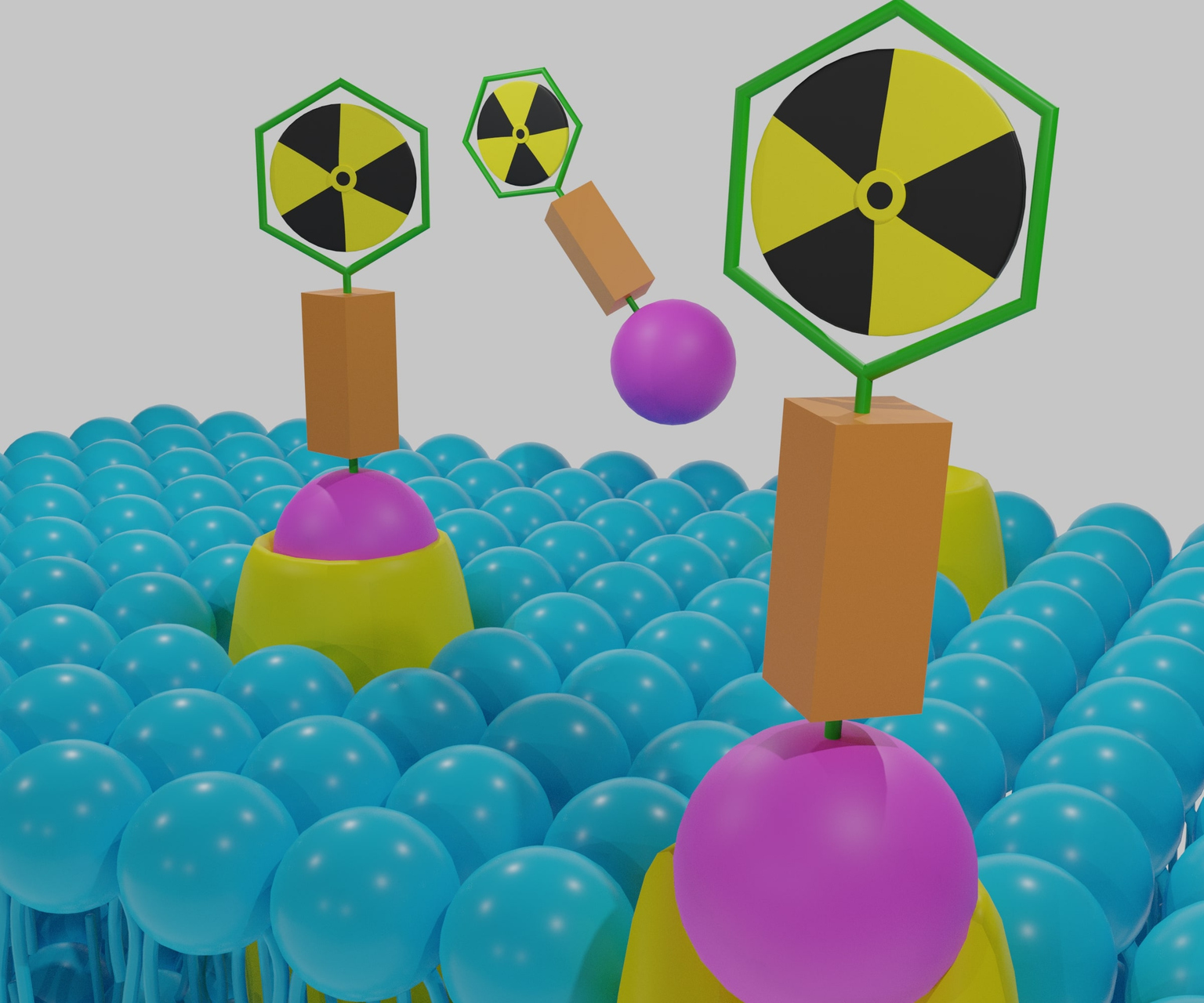
- Collaborative Drug Development: Regeneron and Telix have established a 50/50 cost and profit-sharing collaboration to develop next-generation radiopharmaceuticals, marking a strategic partnership in innovative drug development.
- Upfront Payment Structure: Telix will receive an upfront payment of $40 million, granting Regeneron access to its radiopharmaceutical manufacturing platform for four initial therapeutic programs, highlighting Regeneron's commitment to new therapies.
- Potential Earnings and Milestones: Should Telix opt out of co-funding for any individual program, it remains eligible for up to $535 million in development and commercial milestone payments, along with low double-digit royalties on future sales, reflecting the long-term value of the collaboration.
- Commercialization and Diagnostic Programs: Telix will lead commercialization efforts while Regeneron shares in the profits, and both companies will jointly work on diagnostic programs, further expanding the depth and breadth of their collaboration.
See More

Dupixent Approved by EU for Pediatric CSU Treatment

- Approval Expansion: The European Commission has approved Dupixent (Dupilumab) for the treatment of moderate-to-severe chronic spontaneous urticaria (CSU) in children aged 2 to 11 years, marking a significant expansion of the drug's indications to address the urgent needs of children unresponsive to antihistamines.
- Clinical Trial Support: This approval is based on data from the LIBERTY-CUPID clinical trial program, which demonstrated that Dupixent significantly reduced urticaria activity in adults, further validating its efficacy and safety in the pediatric population.
- Global Market Performance: Dupixent has received regulatory approvals in over 60 countries, with Sanofi reporting global net sales of $17.8 billion for 2025, a significant increase from the previous year, indicating strong market demand and potential for the drug.
- Market Reaction: Despite the positive approval news, Sanofi's stock fell 0.68% in Friday's trading and continued to decline by 0.97% in pre-market trading, reflecting a cautious market sentiment towards the biopharmaceutical sector.
See More

Telix and Regeneron Collaborate on Next-Gen Radiopharmaceuticals
- Collaboration Model: Telix and Regeneron have established a 50/50 cost and profit-sharing agreement to co-develop next-generation radiopharmaceuticals, combining Telix's expertise in radiopharmaceutical development with Regeneron's antibody discovery platform, which is expected to significantly enhance both companies' market competitiveness in precision oncology.
- Initial Funding Injection: Telix will receive an upfront payment of $40 million for four initial programs, with the potential for additional co-funding on a per-program basis, leading to a total of up to $2.1 billion in development and commercial milestone payments, thereby strengthening Telix's financial stability and R&D capabilities.
- Market Potential: The collaboration will target multiple solid tumor indications using antibodies generated from Regeneron's VelocImmune® mice, which is expected to provide new treatment options for patients, particularly in high unmet need areas like lung cancer, potentially altering existing treatment standards.
- Diagnostic Asset Development: Telix will lead the commercialization of diagnostic assets, with Regeneron receiving a set percentage of profits, a strategy that not only deepens the collaboration but may also enhance patient treatment outcomes and satisfaction through precision diagnostics.
See More

Regeneron and Telix Collaborate on Next-Gen Radiopharmaceuticals
- Collaboration Model: Regeneron and Telix have established a 50/50 cost and profit-sharing agreement to co-develop next-generation radiopharmaceuticals, combining Regeneron's expertise in antibody discovery and oncology with Telix's capabilities in radiopharmaceutical development, which is expected to significantly enhance both companies' competitive positions in the precision oncology market.
- Initial Investment: Telix will receive an upfront payment of $40 million for the development of four initial programs, providing strong financial support for Telix while also offering Regeneron an entry point into the radiopharmaceutical market, which is anticipated to drive future revenue growth.
- Potential Earnings: Under the collaboration, Telix could earn up to $2.1 billion in development and commercial milestone payments, along with low double-digit royalties on future sales, which will greatly enhance Telix's long-term financial performance and strengthen its position in the biopharmaceutical industry.
- Market Outlook: The parties plan to jointly develop diagnostic assets, with Telix leading commercialization and Regeneron sharing profits, a strategy that not only enhances the precision of patient selection and treatment response assessment but also opens new growth avenues for both companies in the rapidly evolving radiopharmaceutical market.
See More

European Commission Approves DPREMIUM
- Drug Approval: Regeneron and Sanofi announced that the European Commission has approved their new drug DPREMIUM, which will support their competitiveness in the European market and is expected to drive sales growth.
- Market Potential: The approval of DPREMIUM means the companies can meet the increasing patient demand in Europe, thereby enhancing their market share in the biopharmaceutical sector, particularly in treating specific diseases.
- Strategic Partnership: This approval further solidifies the collaboration between Regeneron and Sanofi, as both companies will jointly promote DPREMIUM, which is expected to accelerate the product's market launch.
- Future Outlook: With the launch of DPREMIUM, Regeneron and Sanofi anticipate a new revenue stream, strengthening their position in the global pharmaceutical market, especially in the highly competitive biopharmaceutical industry.
See More
AbbVie Ventures into Weight Loss Market with Promising Drug
- Clinical Trial Results: AbbVie's March 9 announcement of ABBV-295's clinical trial results indicates that patients receiving weekly treatment lost an average of 7.75% to 9.79% of their weight over 12 weeks, while those on biweekly or monthly regimens lost between 7.86% and 9.73% over 13 weeks, suggesting strong potential for the drug in the weight loss market.
- Competitive Market Pressure: Despite the promising initial data for ABBV-295, AbbVie faces intense competition in the weight loss market from companies like Eli Lilly, which have several late-stage obesity drugs, indicating that the market will become increasingly crowded before AbbVie can launch its product.
- Core Business Stability: AbbVie's primary therapeutic area remains immunology, with projected sales for Skyrizi and Rinvoq exceeding $31 billion in 2023, significantly surpassing Humira's peak sales, demonstrating the company's robust performance and growth potential in this sector.
- Optimistic Pipeline Outlook: Even if ABBV-295 fails in clinical trials, AbbVie has a deep pipeline of investigational products, including the ongoing ABBV-383 cancer treatment, which is expected to provide significant support for the company's future financial performance and further solidify its leadership in the pharmaceutical industry.
See More
Regeneron and Telix Collaborate on Radiopharmaceuticals
- Collaborative Drug Development: Regeneron and Telix have established a 50/50 cost and profit-sharing collaboration to develop next-generation radiopharmaceuticals, marking a strategic partnership in innovative drug development.
- Upfront Payment Structure: Telix will receive an upfront payment of $40 million, granting Regeneron access to its radiopharmaceutical manufacturing platform for four initial therapeutic programs, highlighting Regeneron's commitment to new therapies.
- Potential Earnings and Milestones: Should Telix opt out of co-funding for any individual program, it remains eligible for up to $535 million in development and commercial milestone payments, along with low double-digit royalties on future sales, reflecting the long-term value of the collaboration.
- Commercialization and Diagnostic Programs: Telix will lead commercialization efforts while Regeneron shares in the profits, and both companies will jointly work on diagnostic programs, further expanding the depth and breadth of their collaboration.
See More
Dupixent Approved by EU for Pediatric CSU Treatment
- Approval Expansion: The European Commission has approved Dupixent (Dupilumab) for the treatment of moderate-to-severe chronic spontaneous urticaria (CSU) in children aged 2 to 11 years, marking a significant expansion of the drug's indications to address the urgent needs of children unresponsive to antihistamines.
- Clinical Trial Support: This approval is based on data from the LIBERTY-CUPID clinical trial program, which demonstrated that Dupixent significantly reduced urticaria activity in adults, further validating its efficacy and safety in the pediatric population.
- Global Market Performance: Dupixent has received regulatory approvals in over 60 countries, with Sanofi reporting global net sales of $17.8 billion for 2025, a significant increase from the previous year, indicating strong market demand and potential for the drug.
- Market Reaction: Despite the positive approval news, Sanofi's stock fell 0.68% in Friday's trading and continued to decline by 0.97% in pre-market trading, reflecting a cautious market sentiment towards the biopharmaceutical sector.
See More
Telix and Regeneron Collaborate on Next-Gen Radiopharmaceuticals
- Collaboration Model: Telix and Regeneron have established a 50/50 cost and profit-sharing agreement to co-develop next-generation radiopharmaceuticals, combining Telix's expertise in radiopharmaceutical development with Regeneron's antibody discovery platform, which is expected to significantly enhance both companies' market competitiveness in precision oncology.
- Initial Funding Injection: Telix will receive an upfront payment of $40 million for four initial programs, with the potential for additional co-funding on a per-program basis, leading to a total of up to $2.1 billion in development and commercial milestone payments, thereby strengthening Telix's financial stability and R&D capabilities.
- Market Potential: The collaboration will target multiple solid tumor indications using antibodies generated from Regeneron's VelocImmune® mice, which is expected to provide new treatment options for patients, particularly in high unmet need areas like lung cancer, potentially altering existing treatment standards.
- Diagnostic Asset Development: Telix will lead the commercialization of diagnostic assets, with Regeneron receiving a set percentage of profits, a strategy that not only deepens the collaboration but may also enhance patient treatment outcomes and satisfaction through precision diagnostics.
See More
Regeneron and Telix Collaborate on Next-Gen Radiopharmaceuticals
- Collaboration Model: Regeneron and Telix have established a 50/50 cost and profit-sharing agreement to co-develop next-generation radiopharmaceuticals, combining Regeneron's expertise in antibody discovery and oncology with Telix's capabilities in radiopharmaceutical development, which is expected to significantly enhance both companies' competitive positions in the precision oncology market.
- Initial Investment: Telix will receive an upfront payment of $40 million for the development of four initial programs, providing strong financial support for Telix while also offering Regeneron an entry point into the radiopharmaceutical market, which is anticipated to drive future revenue growth.
- Potential Earnings: Under the collaboration, Telix could earn up to $2.1 billion in development and commercial milestone payments, along with low double-digit royalties on future sales, which will greatly enhance Telix's long-term financial performance and strengthen its position in the biopharmaceutical industry.
- Market Outlook: The parties plan to jointly develop diagnostic assets, with Telix leading commercialization and Regeneron sharing profits, a strategy that not only enhances the precision of patient selection and treatment response assessment but also opens new growth avenues for both companies in the rapidly evolving radiopharmaceutical market.
See More
European Commission Approves DPREMIUM
- Drug Approval: Regeneron and Sanofi announced that the European Commission has approved their new drug DPREMIUM, which will support their competitiveness in the European market and is expected to drive sales growth.
- Market Potential: The approval of DPREMIUM means the companies can meet the increasing patient demand in Europe, thereby enhancing their market share in the biopharmaceutical sector, particularly in treating specific diseases.
- Strategic Partnership: This approval further solidifies the collaboration between Regeneron and Sanofi, as both companies will jointly promote DPREMIUM, which is expected to accelerate the product's market launch.
- Future Outlook: With the launch of DPREMIUM, Regeneron and Sanofi anticipate a new revenue stream, strengthening their position in the global pharmaceutical market, especially in the highly competitive biopharmaceutical industry.
See More