DoorDash Stock Declines Over 21%, Analysts Optimistic About Recovery
Written by Emily J. Thompson, Senior Investment Analyst
Updated: 1 hour ago
0mins
Source: Yahoo Finance
- Stock Decline: DoorDash (NASDAQ:DASH) has seen its stock price drop over 21% year-to-date, primarily due to investor concerns that rising inflation and lower disposable income could impact consumer spending and compress delivery margins.
- Analyst Optimism: Despite these challenges, analysts' 12-month average price target suggests more than 44% upside potential, indicating a prevailing confidence in DoorDash's future recovery.
- Rating Reaffirmed: On June 15, Bank of America Securities reiterated a Buy rating on DoorDash with a price target of $272, believing that the company will outperform as the current AI cycle progresses.
- Market Dynamics Shift: BofA noted that investor money is flowing toward semiconductors and hardware to capture gains from AI infrastructure buildout, and once hardware capacity meets demand, internet stocks like DoorDash are expected to benefit from new applications being developed.
Trade with 70% Backtested Accuracy
Stop guessing "Should I Buy DASH?" and start using high-conviction signals backed by rigorous historical data.
Sign up today to access powerful investing tools and make smarter, data-driven decisions.
Analyst Views on DASH
Wall Street analysts forecast DASH stock price to rise
21 Analyst Rating
18 Buy
3 Hold
0 Sell
Strong Buy
Current: 171.520

Low
224.00
Averages
278.67
High
330.00
Current: 171.520
Low
224.00
Averages
278.67
High
330.00
About DASH
DoorDash, Inc. is engaged in providing services that reduce friction in local commerce and help merchants connect with consumers in their communities. The Company's primary offerings include the DoorDash Marketplace and the Wolt Marketplace (together, the Marketplaces), and its Commerce Platform. The Company's Marketplaces operate in over 30 countries across the globe and provide an integrated suite of services that help merchants establish an online presence, connect with consumers in their communities, and solve mission-critical challenges, such as customer acquisition, demand generation, order fulfillment, merchandising, payment processing, and customer support. It also offers advertising as a value-added service through its Marketplaces to help merchants and consumer packaged goods companies increase consumer engagement. The Company also has offsite advertising capabilities. Its white-label delivery fulfillment services include DoorDash Drive On-Demand and Wolt Drive.
About the author

Emily J. Thompson
Emily J. Thompson, a Chartered Financial Analyst (CFA) with 12 years in investment research, graduated with honors from the Wharton School. Specializing in industrial and technology stocks, she provides in-depth analysis for Intellectia’s earnings and market brief reports.
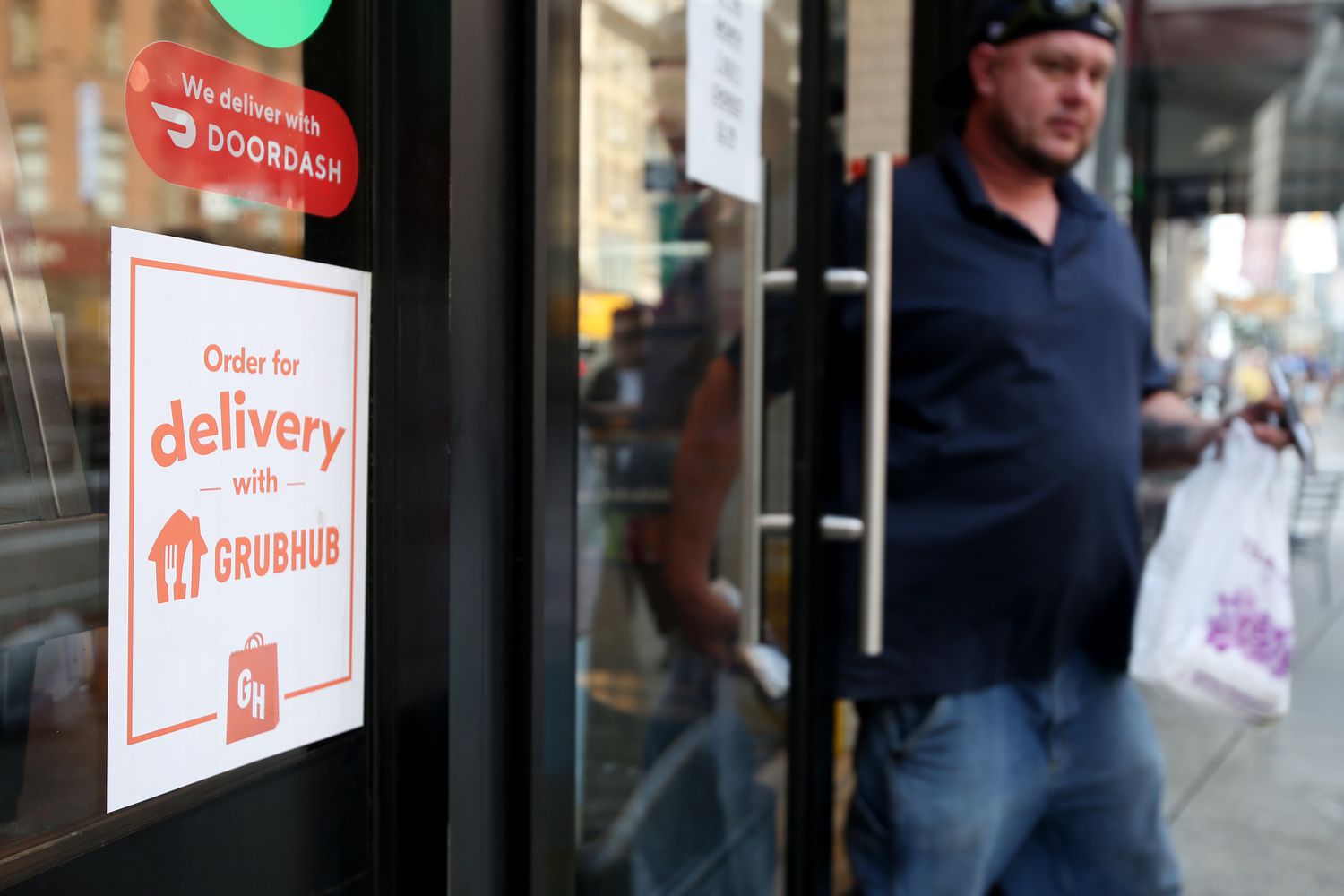
DoorDash Stock Declines Over 21%, Analysts Optimistic About Recovery

- Stock Decline: DoorDash (NASDAQ:DASH) has seen its stock price drop over 21% year-to-date, primarily due to investor concerns that rising inflation and lower disposable income could impact consumer spending and compress delivery margins.
- Analyst Optimism: Despite these challenges, analysts' 12-month average price target suggests more than 44% upside potential, indicating a prevailing confidence in DoorDash's future recovery.
- Rating Reaffirmed: On June 15, Bank of America Securities reiterated a Buy rating on DoorDash with a price target of $272, believing that the company will outperform as the current AI cycle progresses.
- Market Dynamics Shift: BofA noted that investor money is flowing toward semiconductors and hardware to capture gains from AI infrastructure buildout, and once hardware capacity meets demand, internet stocks like DoorDash are expected to benefit from new applications being developed.
See More

SpaceX Stock Plummets Post-IPO Amid Historical Trends


- Stock Decline: SpaceX's stock has dropped 23% from its post-IPO high of $202, currently trading at $156, indicating market concerns over its high valuation that may lead to decreased investor confidence.
- Historical Trends: Among the 15 largest IPOs since 2006, the average stock price has fallen 50% within the first year, suggesting that SpaceX's shares could decline further to $67.50 in the coming months, reflecting pessimistic market expectations for its future performance.
- Overvaluation: With a market value of $2 trillion and $19.3 billion in revenue over the past four quarters, SpaceX's price-to-sales ratio stands at 104, nearly double that of Palantir, the highest-valued stock in the S&P 500, indicating that such high valuations are unsustainable.
- Investment Strategy Advice: Historical data shows that investors typically underperform in large IPOs, suggesting that investors should wait for a more attractive buying opportunity rather than rushing in at high prices.
See More

SpaceX Achieves Record IPO, Faces Significant Stock Volatility

- Record IPO Achievement: SpaceX made its market debut on June 12, raising a staggering $75 billion and achieving a market capitalization of nearly $1.8 trillion, marking the largest IPO in history and reflecting strong market confidence in its growth prospects.
- Significant Stock Volatility: Despite a 19% increase on its first trading day to $135, the stock has since fallen 23% to $156 as of June 23, indicating investor concerns about its long-term performance, particularly given the historical trend of large IPOs experiencing substantial declines.
- Future Performance Predictions: Historical data suggests that SpaceX's stock could drop by 50% within the next year, potentially reaching $67.50, and it is expected to trade 33% below its IPO price by year-end, highlighting the need for investors to approach short-term investment opportunities with caution.
- High Valuation Risks: With a market cap of $2 trillion and revenue of only $19.3 billion over the past four quarters, SpaceX's price-to-sales ratio stands at an exorbitant 104, nearly double that of the highest-valued company in the S&P 500, indicating that such a high valuation may be unsustainable in changing market conditions.
See More

Impending Price War in High-End AI Ahead of Major IPOs

- Uncertain IPO Outlook: As Anthropic and OpenAI prepare for their IPOs later this year, market attention is sharply focused on their pricing dynamics, especially following SpaceX's successful IPO at a $1.75 trillion valuation, which could dampen investor enthusiasm.
- Capital Raising Status: Anthropic announced a $65 billion capital raise in May, achieving a valuation of $965 billion, while OpenAI closed a $122 billion funding round in March, valued at $852 billion, indicating strong financial backing ahead of their IPOs.
- Rising Price Sensitivity: With AI customers becoming increasingly price-sensitive, companies like Uber are cutting back on AI budgets, suggesting that demand for high-end AI products may be affected, which could impact future revenue expectations.
- Hardware Investment Opportunities: Amid intensifying competition in AI, investors may prefer hardware manufacturers and infrastructure providers, with expectations of over $3 trillion in financing for AI-specific chips over the next five years, reflecting confidence in the upstream AI supply chain.
See More

Corgi Investments Aims to Launch 300 ETFs in Under a Year

- Market Share Expansion: Corgi Investments plans to launch 300 ETFs in under a year, reflecting the rapid growth of the U.S. ETF market, which attracted $837 billion in assets in the first five months of 2026, on track to exceed $2 trillion in inflows for the year, indicating strong demand for new products.
- Product Performance Disparity: Since launching its first ETF last December, Corgi has rolled out 88 ETFs, with the Corgi Lithography & Semiconductor Photonics ETF attracting $273 million in assets during the largest single-day launch on May 6, showcasing its strong market performance.
- Competitive Challenges: Despite backing from high-profile investors like Y Combinator, market analysts note that Corgi faces challenges in brand recognition and trust-building in a competitive ETF landscape, which may hinder its ability to capture market share.
- Innovative Strategy: Corgi aims to stand out by launching low-cost ETFs and leveraging social media to attract younger investors; however, analysts warn that without rapidly building asset scale, the firm may face the risk of closing a significant number of new ETFs.
See More
Domino's Pizza Stock Plummets 25%: Investment Insights


- Stock Decline: As of June 19, Domino's Pizza has seen its stock price drop approximately 25% year-to-date, trading at $312 per share, which is close to a 52-week low, indicating investor concerns about its future growth prospects.
- Low Valuation: The stock is currently trading at a price-to-earnings ratio of 17, marking the lowest valuation in over a decade, which may attract long-term investors looking for undervalued opportunities.
- Disappointing Sales Performance: The first-quarter earnings report revealed a 3.5% year-over-year increase in global sales, but a 0.4% decline in international same-store sales led to a downward revision of U.S. same-store growth guidance, reflecting the impact of macroeconomic pressures.
- Digital Transformation: Domino's significant investment in its website and app has notably boosted digital sales, with online orders accounting for 85% of total U.S. sales last year, and partnerships with third-party delivery services have enhanced profit margins, showcasing its adaptability in a competitive market.
See More
DoorDash Stock Declines Over 21%, Analysts Optimistic About Recovery
- Stock Decline: DoorDash (NASDAQ:DASH) has seen its stock price drop over 21% year-to-date, primarily due to investor concerns that rising inflation and lower disposable income could impact consumer spending and compress delivery margins.
- Analyst Optimism: Despite these challenges, analysts' 12-month average price target suggests more than 44% upside potential, indicating a prevailing confidence in DoorDash's future recovery.
- Rating Reaffirmed: On June 15, Bank of America Securities reiterated a Buy rating on DoorDash with a price target of $272, believing that the company will outperform as the current AI cycle progresses.
- Market Dynamics Shift: BofA noted that investor money is flowing toward semiconductors and hardware to capture gains from AI infrastructure buildout, and once hardware capacity meets demand, internet stocks like DoorDash are expected to benefit from new applications being developed.
See More
SpaceX Stock Plummets Post-IPO Amid Historical Trends
- Stock Decline: SpaceX's stock has dropped 23% from its post-IPO high of $202, currently trading at $156, indicating market concerns over its high valuation that may lead to decreased investor confidence.
- Historical Trends: Among the 15 largest IPOs since 2006, the average stock price has fallen 50% within the first year, suggesting that SpaceX's shares could decline further to $67.50 in the coming months, reflecting pessimistic market expectations for its future performance.
- Overvaluation: With a market value of $2 trillion and $19.3 billion in revenue over the past four quarters, SpaceX's price-to-sales ratio stands at 104, nearly double that of Palantir, the highest-valued stock in the S&P 500, indicating that such high valuations are unsustainable.
- Investment Strategy Advice: Historical data shows that investors typically underperform in large IPOs, suggesting that investors should wait for a more attractive buying opportunity rather than rushing in at high prices.
See More
SpaceX Achieves Record IPO, Faces Significant Stock Volatility
- Record IPO Achievement: SpaceX made its market debut on June 12, raising a staggering $75 billion and achieving a market capitalization of nearly $1.8 trillion, marking the largest IPO in history and reflecting strong market confidence in its growth prospects.
- Significant Stock Volatility: Despite a 19% increase on its first trading day to $135, the stock has since fallen 23% to $156 as of June 23, indicating investor concerns about its long-term performance, particularly given the historical trend of large IPOs experiencing substantial declines.
- Future Performance Predictions: Historical data suggests that SpaceX's stock could drop by 50% within the next year, potentially reaching $67.50, and it is expected to trade 33% below its IPO price by year-end, highlighting the need for investors to approach short-term investment opportunities with caution.
- High Valuation Risks: With a market cap of $2 trillion and revenue of only $19.3 billion over the past four quarters, SpaceX's price-to-sales ratio stands at an exorbitant 104, nearly double that of the highest-valued company in the S&P 500, indicating that such a high valuation may be unsustainable in changing market conditions.
See More
Impending Price War in High-End AI Ahead of Major IPOs
- Uncertain IPO Outlook: As Anthropic and OpenAI prepare for their IPOs later this year, market attention is sharply focused on their pricing dynamics, especially following SpaceX's successful IPO at a $1.75 trillion valuation, which could dampen investor enthusiasm.
- Capital Raising Status: Anthropic announced a $65 billion capital raise in May, achieving a valuation of $965 billion, while OpenAI closed a $122 billion funding round in March, valued at $852 billion, indicating strong financial backing ahead of their IPOs.
- Rising Price Sensitivity: With AI customers becoming increasingly price-sensitive, companies like Uber are cutting back on AI budgets, suggesting that demand for high-end AI products may be affected, which could impact future revenue expectations.
- Hardware Investment Opportunities: Amid intensifying competition in AI, investors may prefer hardware manufacturers and infrastructure providers, with expectations of over $3 trillion in financing for AI-specific chips over the next five years, reflecting confidence in the upstream AI supply chain.
See More
Corgi Investments Aims to Launch 300 ETFs in Under a Year
- Market Share Expansion: Corgi Investments plans to launch 300 ETFs in under a year, reflecting the rapid growth of the U.S. ETF market, which attracted $837 billion in assets in the first five months of 2026, on track to exceed $2 trillion in inflows for the year, indicating strong demand for new products.
- Product Performance Disparity: Since launching its first ETF last December, Corgi has rolled out 88 ETFs, with the Corgi Lithography & Semiconductor Photonics ETF attracting $273 million in assets during the largest single-day launch on May 6, showcasing its strong market performance.
- Competitive Challenges: Despite backing from high-profile investors like Y Combinator, market analysts note that Corgi faces challenges in brand recognition and trust-building in a competitive ETF landscape, which may hinder its ability to capture market share.
- Innovative Strategy: Corgi aims to stand out by launching low-cost ETFs and leveraging social media to attract younger investors; however, analysts warn that without rapidly building asset scale, the firm may face the risk of closing a significant number of new ETFs.
See More
Domino's Pizza Stock Plummets 25%: Investment Insights
- Stock Decline: As of June 19, Domino's Pizza has seen its stock price drop approximately 25% year-to-date, trading at $312 per share, which is close to a 52-week low, indicating investor concerns about its future growth prospects.
- Low Valuation: The stock is currently trading at a price-to-earnings ratio of 17, marking the lowest valuation in over a decade, which may attract long-term investors looking for undervalued opportunities.
- Disappointing Sales Performance: The first-quarter earnings report revealed a 3.5% year-over-year increase in global sales, but a 0.4% decline in international same-store sales led to a downward revision of U.S. same-store growth guidance, reflecting the impact of macroeconomic pressures.
- Digital Transformation: Domino's significant investment in its website and app has notably boosted digital sales, with online orders accounting for 85% of total U.S. sales last year, and partnerships with third-party delivery services have enhanced profit margins, showcasing its adaptability in a competitive market.
See More