DoorDash Partners with OpenAI for 1-Hour Grocery Delivery via ChatGPT
Written by Emily J. Thompson, Senior Investment Analyst
Updated: Dec 17 2025
0mins
Source: Businesswire
- Convenient Shopping Experience: The new DoorDash app integrated into ChatGPT allows customers to convert recipes into grocery orders delivered from local stores in as little as one hour, significantly enhancing user convenience and efficiency in shopping.
- Market Coverage Expansion: The app supports major grocery chains like Kroger and Safeway, as well as regional favorites like Bi-Rite and Wegmans, further strengthening DoorDash's competitive position in the U.S. market.
- AI-Driven Personalized Service: By embedding AI technology into the shopping process, DoorDash not only enhances consumer search experiences but also provides local merchants with a new channel to reach potential customers in real-time, thereby boosting local economies.
- Future Growth Potential: DoorDash plans to expand this integration to more shopping categories, aiming to simplify the shopping process through AI tools, ultimately saving consumers time and improving their quality of life.
Trade with 70% Backtested Accuracy
Stop guessing "Should I Buy DASH?" and start using high-conviction signals backed by rigorous historical data.
Sign up today to access powerful investing tools and make smarter, data-driven decisions.
Analyst Views on DASH
Wall Street analysts forecast DASH stock price to rise
21 Analyst Rating
18 Buy
3 Hold
0 Sell
Strong Buy
Current: 156.950

Low
224.00
Averages
278.67
High
330.00
Current: 156.950
Low
224.00
Averages
278.67
High
330.00
About DASH
DoorDash, Inc. is engaged in providing services that reduce friction in local commerce and help merchants connect with consumers in their communities. The Company's primary offerings include the DoorDash Marketplace and the Wolt Marketplace (together, the Marketplaces), and its Commerce Platform. The Company's Marketplaces operate in over 30 countries across the globe and provide an integrated suite of services that help merchants establish an online presence, connect with consumers in their communities, and solve mission-critical challenges, such as customer acquisition, demand generation, order fulfillment, merchandising, payment processing, and customer support. It also offers advertising as a value-added service through its Marketplaces to help merchants and consumer packaged goods companies increase consumer engagement. The Company also has offsite advertising capabilities. Its white-label delivery fulfillment services include DoorDash Drive On-Demand and Wolt Drive.
About the author

Emily J. Thompson
Emily J. Thompson, a Chartered Financial Analyst (CFA) with 12 years in investment research, graduated with honors from the Wharton School. Specializing in industrial and technology stocks, she provides in-depth analysis for Intellectia’s earnings and market brief reports.
Market Dynamics and Company Performance Analysis


- Market Volatility Analysis: Following the S&P 500's record high, the market is slightly fluctuating due to uncertainties surrounding Iran and tariffs, indicating investor sensitivity to geopolitical risks that may affect short-term investment decisions.
- Cybersecurity Outlook: Palo Alto Networks experienced stock volatility post-earnings, as the CEO highlighted cybersecurity risks posed by artificial intelligence, yet market confidence in its future performance remains shaky, reflecting investor caution towards tech stocks.
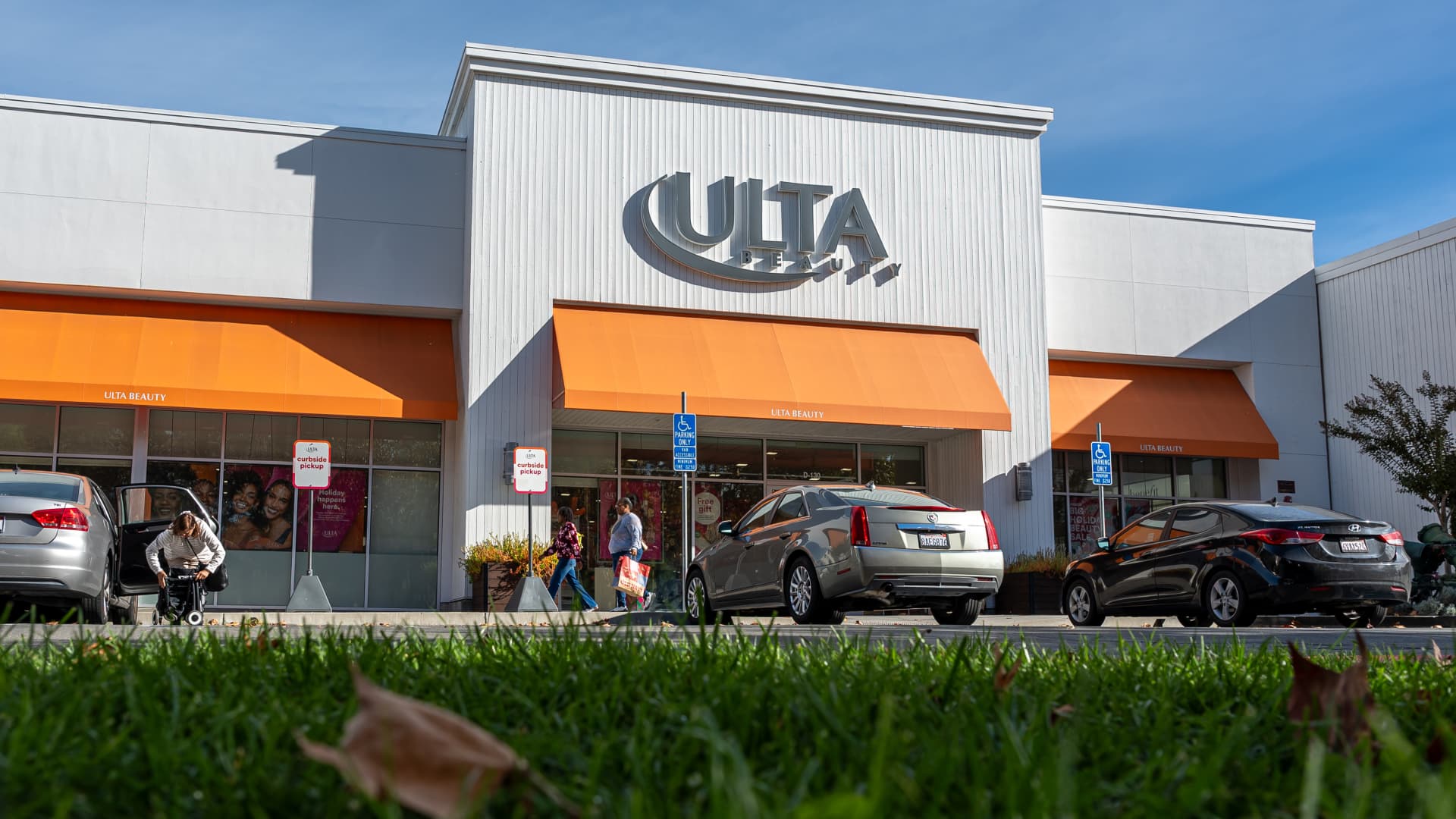
- Beauty Industry Growth: Ulta Beauty reported a 5.3% same-store sales growth in Q1, exceeding expectations and indicating consumer demand for value, although the stock has declined from its highs, suggesting market concerns about future growth.
- Telecom Industry Challenges: Oppenheimer downgraded AT&T to hold due to potential threats to long-term broadband subscriber growth from satellite internet competition, reflecting market worries about traditional telecom businesses and hinting at the impact of emerging technologies on the sector.
See More

SpaceX Allocates 5% IPO Shares to Employees with Unique Lock-Up Terms


- Employee Share Program: SpaceX plans to reserve 5% of shares in its IPO for select employees and individuals chosen by executives, offering them at the IPO price through a directed share program, reflecting the company's commitment to employee engagement and motivation.
- Innovative Lock-Up Mechanism: Unlike most newly public companies, SpaceX has created exceptions for certain participants, allowing them to unlock shares gradually based on company performance and stock price targets shortly after the first quarterly earnings report, thereby enhancing investor confidence.
- CEO Stock Commitment: SpaceX CEO Elon Musk, who controls 85.1% of the voting power and holds 12.3% of Class A shares, has agreed not to sell stock for about a year post-IPO, aiming to stabilize market confidence and protect investor interests.
- Market Trend Comparison: This staggered lock-up structure mirrors trends seen during the IPO boom of 2020 and 2021, when companies like Airbnb and DoorDash employed similar phased share release mechanisms, indicating a growing acceptance of flexible unlocking strategies in the market.
See More

Startup Valuations Collapse Amid AI Disruption


- Valuation Decline: According to PitchBook, nearly half of the 857 U.S. unicorns have not raised fresh funding in the last three years, leading to stale valuations, with companies last funded in 2021 seeing an average drop of 68% and those from 2022 down 52%, indicating a significant loss of market confidence.
- AI Disruption: The emergence of ChatGPT has left many startups, particularly enterprise software firms like Calendly, at risk of being outpaced by AI-native companies, forcing investors to reassess their valuations and business models that are no longer relevant.
- Deteriorating Funding Environment: Many companies that last raised funds in 2021 and 2022 are struggling to secure new financing, with PitchBook analysts noting that those unable to raise funds typically exhibit tepid or negative growth, increasing the likelihood of acquisitions at reduced valuations.
- Market Reset Signals: Startups like Stash and Step have been acquired, but at prices significantly below their historical funding amounts, reflecting a drastic compression in market valuations and prompting investors to reevaluate the worth and future potential of these companies.
See More

Comparing Investment Potential of Uber and DoorDash

- Uber's Global Network: Uber operates in over 15,000 cities worldwide, generating nearly $52 billion in revenue for FY 2025, reflecting an 18.3% year-over-year growth that strengthens its competitive position across mobility, delivery, and freight sectors.
- DoorDash's Market Expansion: DoorDash achieved nearly $13.7 billion in revenue for FY 2025, a 27.9% increase, and boasts over 35 million members in its DashPass and Wolt+ programs, indicating strong growth potential in local commerce.
- Profitability Comparison: Uber reported a net income of approximately $10.1 billion with a net margin of about 19.3%, while DoorDash's net income was around $935 million with a 6.8% margin, showing that despite lower profitability, DoorDash is making significant strides towards profitability.
- Risks and Competitive Landscape: Uber faces legal risks regarding driver classification and intense competition from Lyft and Amazon, while DoorDash navigates regulatory scrutiny and relies on Apple and Alphabet's mobile operating systems, which could impact its future market performance.
See More
Comparing Investment Potential of Uber and DoorDash
- Uber's Global Network: Uber operates in over 15,000 cities worldwide, generating nearly $52 billion in revenue for FY 2025, reflecting an 18.3% year-over-year growth, indicating strong growth and profitability in the global transportation market.
- DoorDash's Local Commerce Model: DoorDash achieved approximately $13.7 billion in revenue for FY 2025, a 27.9% increase, and boasts over 35 million subscription users, showcasing its successful expansion in local logistics and improved profitability.
- Risks and Competition: Uber faces legal risks regarding driver classification and intense competition from Lyft and Amazon, while DoorDash navigates regulatory scrutiny and reliance on Apple and Google's mobile operating systems, which could impact their market positions and profitability.
- Valuation Comparison: Uber's forward P/E ratio stands at 22.7x and P/S ratio at 2.9x, compared to DoorDash's 61.8x and 5.1x, indicating that Uber may be relatively undervalued in the market, potentially offering a more attractive investment opportunity for investors.
See More
IBM to Invest Over $10 Billion in Quantum Computing

- Quantum Computing Investment: IBM disclosed in a regulatory filing that it will invest over $10 billion in quantum computing over the next five years, a move expected to enhance the company's competitiveness in cutting-edge technology and solidify its market leadership.
- Chipmaker Stock Surge: Arm Holdings' shares jumped over 15% after Mizuho raised its price target from $290 to $360, anticipating strong growth from internal CPU demand in 2027, which boosts market confidence in its future performance.
- Rail Merger Halted: Shares of Norfolk Southern and Union Pacific fell about 4% after the Surface Transportation Board halted its review of the proposed $71.5 billion merger, indicating regulatory concerns that could impact future market consolidation.
- Cloud Platform Performance: Snowflake's stock soared 37%, with expectations for a second-quarter adjusted operating margin of 12.5%, exceeding analysts' forecast of 11.9%, demonstrating its strong growth potential in the cloud computing market.
See More
Market Dynamics and Company Performance Analysis
- Market Volatility Analysis: Following the S&P 500's record high, the market is slightly fluctuating due to uncertainties surrounding Iran and tariffs, indicating investor sensitivity to geopolitical risks that may affect short-term investment decisions.
- Cybersecurity Outlook: Palo Alto Networks experienced stock volatility post-earnings, as the CEO highlighted cybersecurity risks posed by artificial intelligence, yet market confidence in its future performance remains shaky, reflecting investor caution towards tech stocks.
- Beauty Industry Growth: Ulta Beauty reported a 5.3% same-store sales growth in Q1, exceeding expectations and indicating consumer demand for value, although the stock has declined from its highs, suggesting market concerns about future growth.
- Telecom Industry Challenges: Oppenheimer downgraded AT&T to hold due to potential threats to long-term broadband subscriber growth from satellite internet competition, reflecting market worries about traditional telecom businesses and hinting at the impact of emerging technologies on the sector.
See More
SpaceX Allocates 5% IPO Shares to Employees with Unique Lock-Up Terms
- Employee Share Program: SpaceX plans to reserve 5% of shares in its IPO for select employees and individuals chosen by executives, offering them at the IPO price through a directed share program, reflecting the company's commitment to employee engagement and motivation.
- Innovative Lock-Up Mechanism: Unlike most newly public companies, SpaceX has created exceptions for certain participants, allowing them to unlock shares gradually based on company performance and stock price targets shortly after the first quarterly earnings report, thereby enhancing investor confidence.
- CEO Stock Commitment: SpaceX CEO Elon Musk, who controls 85.1% of the voting power and holds 12.3% of Class A shares, has agreed not to sell stock for about a year post-IPO, aiming to stabilize market confidence and protect investor interests.
- Market Trend Comparison: This staggered lock-up structure mirrors trends seen during the IPO boom of 2020 and 2021, when companies like Airbnb and DoorDash employed similar phased share release mechanisms, indicating a growing acceptance of flexible unlocking strategies in the market.
See More
Startup Valuations Collapse Amid AI Disruption
- Valuation Decline: According to PitchBook, nearly half of the 857 U.S. unicorns have not raised fresh funding in the last three years, leading to stale valuations, with companies last funded in 2021 seeing an average drop of 68% and those from 2022 down 52%, indicating a significant loss of market confidence.
- AI Disruption: The emergence of ChatGPT has left many startups, particularly enterprise software firms like Calendly, at risk of being outpaced by AI-native companies, forcing investors to reassess their valuations and business models that are no longer relevant.
- Deteriorating Funding Environment: Many companies that last raised funds in 2021 and 2022 are struggling to secure new financing, with PitchBook analysts noting that those unable to raise funds typically exhibit tepid or negative growth, increasing the likelihood of acquisitions at reduced valuations.
- Market Reset Signals: Startups like Stash and Step have been acquired, but at prices significantly below their historical funding amounts, reflecting a drastic compression in market valuations and prompting investors to reevaluate the worth and future potential of these companies.
See More
Comparing Investment Potential of Uber and DoorDash
- Uber's Global Network: Uber operates in over 15,000 cities worldwide, generating nearly $52 billion in revenue for FY 2025, reflecting an 18.3% year-over-year growth that strengthens its competitive position across mobility, delivery, and freight sectors.
- DoorDash's Market Expansion: DoorDash achieved nearly $13.7 billion in revenue for FY 2025, a 27.9% increase, and boasts over 35 million members in its DashPass and Wolt+ programs, indicating strong growth potential in local commerce.
- Profitability Comparison: Uber reported a net income of approximately $10.1 billion with a net margin of about 19.3%, while DoorDash's net income was around $935 million with a 6.8% margin, showing that despite lower profitability, DoorDash is making significant strides towards profitability.
- Risks and Competitive Landscape: Uber faces legal risks regarding driver classification and intense competition from Lyft and Amazon, while DoorDash navigates regulatory scrutiny and relies on Apple and Alphabet's mobile operating systems, which could impact its future market performance.
See More
Comparing Investment Potential of Uber and DoorDash
- Uber's Global Network: Uber operates in over 15,000 cities worldwide, generating nearly $52 billion in revenue for FY 2025, reflecting an 18.3% year-over-year growth, indicating strong growth and profitability in the global transportation market.
- DoorDash's Local Commerce Model: DoorDash achieved approximately $13.7 billion in revenue for FY 2025, a 27.9% increase, and boasts over 35 million subscription users, showcasing its successful expansion in local logistics and improved profitability.
- Risks and Competition: Uber faces legal risks regarding driver classification and intense competition from Lyft and Amazon, while DoorDash navigates regulatory scrutiny and reliance on Apple and Google's mobile operating systems, which could impact their market positions and profitability.
- Valuation Comparison: Uber's forward P/E ratio stands at 22.7x and P/S ratio at 2.9x, compared to DoorDash's 61.8x and 5.1x, indicating that Uber may be relatively undervalued in the market, potentially offering a more attractive investment opportunity for investors.
See More
IBM to Invest Over $10 Billion in Quantum Computing
- Quantum Computing Investment: IBM disclosed in a regulatory filing that it will invest over $10 billion in quantum computing over the next five years, a move expected to enhance the company's competitiveness in cutting-edge technology and solidify its market leadership.
- Chipmaker Stock Surge: Arm Holdings' shares jumped over 15% after Mizuho raised its price target from $290 to $360, anticipating strong growth from internal CPU demand in 2027, which boosts market confidence in its future performance.
- Rail Merger Halted: Shares of Norfolk Southern and Union Pacific fell about 4% after the Surface Transportation Board halted its review of the proposed $71.5 billion merger, indicating regulatory concerns that could impact future market consolidation.
- Cloud Platform Performance: Snowflake's stock soared 37%, with expectations for a second-quarter adjusted operating margin of 12.5%, exceeding analysts' forecast of 11.9%, demonstrating its strong growth potential in the cloud computing market.
See More