Delta Aims to Lead U.S. Trans-Pacific Flights
Written by Emily J. Thompson, Senior Investment Analyst
Updated: 1 hour ago
0mins

Source: Newsfilter
- Intensifying Market Competition: Delta's president, Peter Carter, stated that the airline aims to surpass United Airlines and become the leading U.S. carrier in trans-Pacific flights, demonstrating its ambition for market share and strategic vision.
- Financial Performance Comparison: While Delta posted a net profit exceeding $5 billion last year, significantly higher than United's $3.35 billion, its trans-Pacific revenue of $2.79 billion lags behind United's $6.89 billion, highlighting its competitive disadvantage in this market.
- New Route Launches: Delta recently initiated nonstop service from Los Angeles to Hong Kong to strengthen its position in the premium market, while United plans to launch a nonstop route from San Francisco to Sapporo, Japan, intensifying competition in the sector.
- International Strategy Focus: Carter emphasized that future growth will focus on international markets, with Delta's joint venture with Korean Air set to enhance its trans-Pacific network, reflecting its commitment to global market expansion and long-term strategy.
Trade with 70% Backtested Accuracy
Stop guessing "Should I Buy DAL?" and start using high-conviction signals backed by rigorous historical data.
Sign up today to access powerful investing tools and make smarter, data-driven decisions.
Analyst Views on DAL
Wall Street analysts forecast DAL stock price to rise
18 Analyst Rating
18 Buy
0 Hold
0 Sell
Strong Buy
Current: 79.510

Low
77.00
Averages
83.50
High
90.00
Current: 79.510
Low
77.00
Averages
83.50
High
90.00
About DAL
Delta Air Lines, Inc. provides scheduled air transportation for passengers and cargo throughout the United States and around the world. The Company has hubs and markets in Amsterdam, Atlanta, Bogota, Boston, Detroit, Lima, London-Heathrow, Los Angeles, Mexico City, Minneapolis-St. Paul, New York-JFK and LaGuardia, Paris-Charles de Gaulle, Salt Lake City, Santiago (Chile), Sao Paulo, Seattle, Seoul-Incheon, and Tokyo. Its segments include Airline and Refinery. Its airline segment is managed as a single business unit that provides scheduled air transportation for passengers and cargo throughout the United States and around the world and includes its loyalty program, as well as other ancillary businesses. Its refinery segment operates for the benefit of the airline segment by providing jet fuel to the airline segment from its own production and through jet fuel obtained through agreements with third parties. The refinery's production consists of jet fuel as well as non-jet fuel products.
About the author

Emily J. Thompson
Emily J. Thompson, a Chartered Financial Analyst (CFA) with 12 years in investment research, graduated with honors from the Wharton School. Specializing in industrial and technology stocks, she provides in-depth analysis for Intellectia’s earnings and market brief reports.
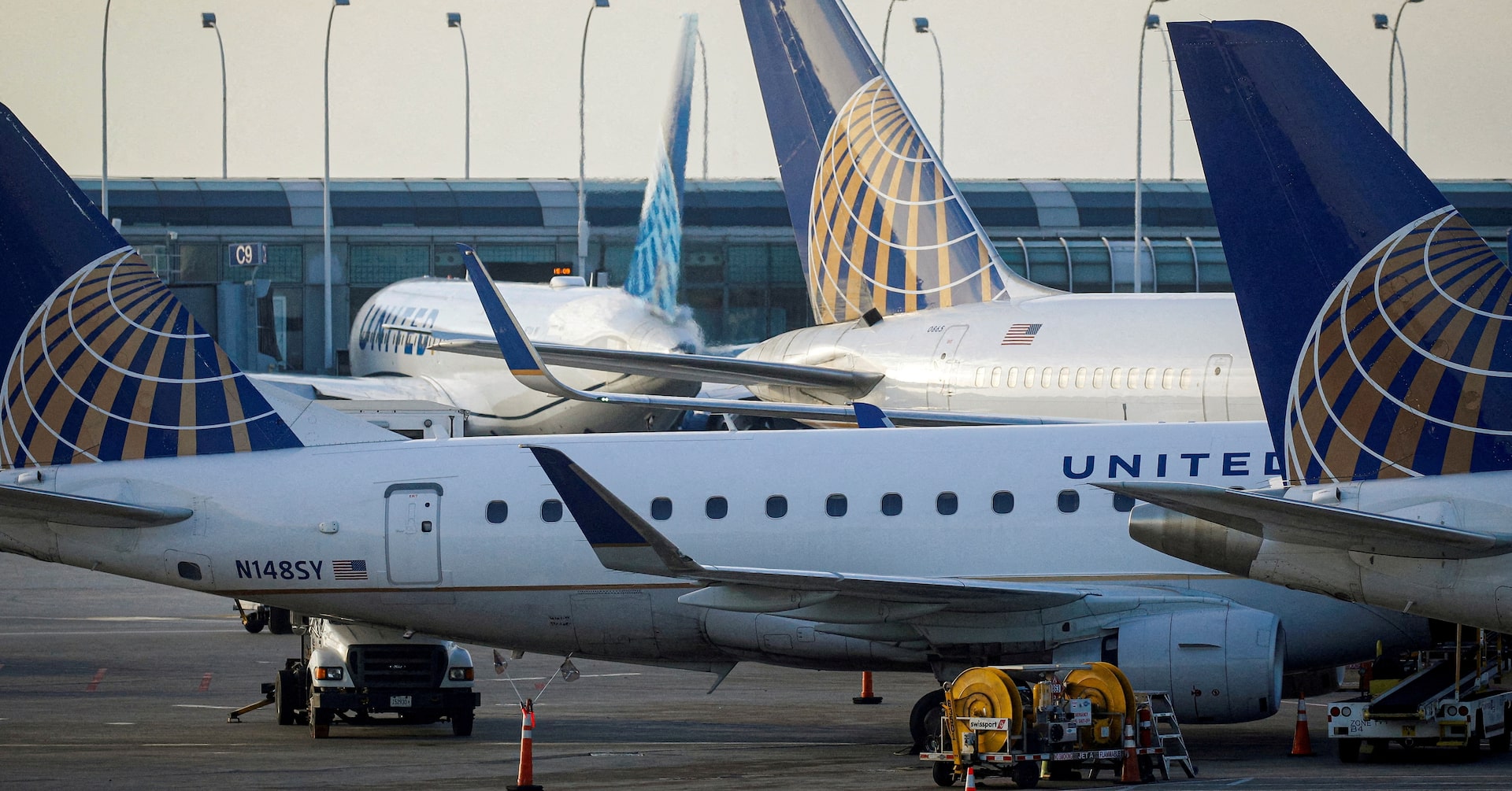
United Airlines Open to Acquisitions Amid Fuel Price Pressures

- Acquisition Intent: United Airlines CEO Scott Kirby stated that despite the failed merger attempt with American Airlines, the company remains open to acquiring airport slots, gates, and other assets, particularly as higher fuel prices pressure weaker competitors.
- Merger Challenges: Kirby emphasized that any large merger would require support from American's management, and their public opposition rendered the transaction impractical, even though he believed it would have benefited consumers.
- Market Dynamics: Rising fuel prices are testing airline margins, with Kirby noting that United expects to recover losses from soaring fuel costs through increased fares, reflecting confidence in demand despite acknowledging that higher prices may impact demand.
- Brand Loyalty: Kirby argued that strong brand loyalty is allowing United and Delta Airlines to excel in the market, highlighting that customers prioritize technology, service, and reliability over price, which supports the company's future investment strategies.
See More
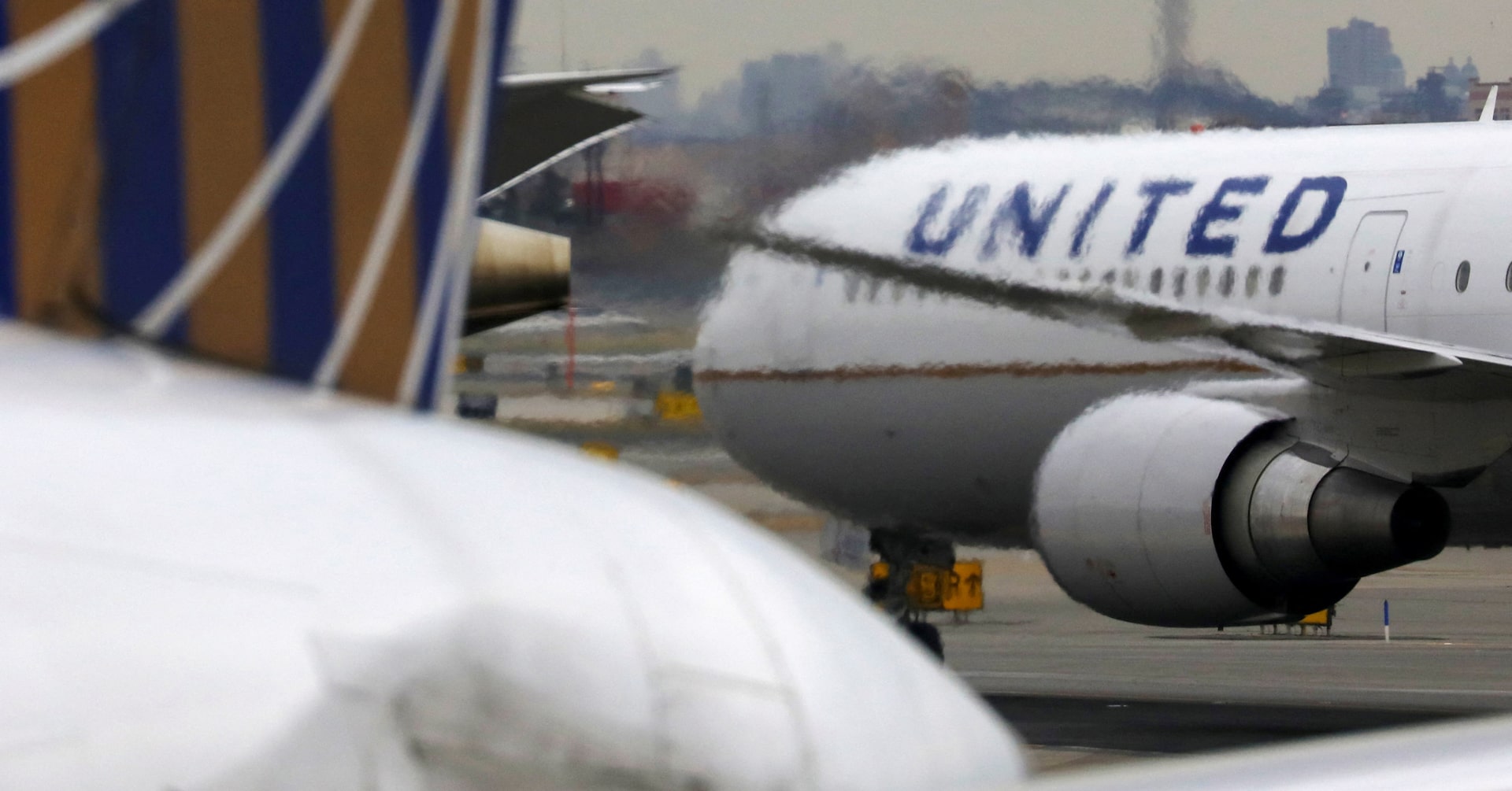
Delta Aims to Lead U.S. Trans-Pacific Flights

- Intensifying Market Competition: Delta's president, Peter Carter, stated that the airline aims to surpass United Airlines and become the leading U.S. carrier in trans-Pacific flights, demonstrating its ambition for market share and strategic vision.
- Financial Performance Comparison: While Delta posted a net profit exceeding $5 billion last year, significantly higher than United's $3.35 billion, its trans-Pacific revenue of $2.79 billion lags behind United's $6.89 billion, highlighting its competitive disadvantage in this market.
- New Route Launches: Delta recently initiated nonstop service from Los Angeles to Hong Kong to strengthen its position in the premium market, while United plans to launch a nonstop route from San Francisco to Sapporo, Japan, intensifying competition in the sector.
- International Strategy Focus: Carter emphasized that future growth will focus on international markets, with Delta's joint venture with Korean Air set to enhance its trans-Pacific network, reflecting its commitment to global market expansion and long-term strategy.
See More

Delta Airlines Aims to Dominate Trans-Pacific Market
- Intensifying Market Competition: Delta Airlines' new president, Peter Carter, stated that Delta aims to become stronger in the trans-Pacific market, with ambitions to surpass United Airlines as the leading U.S. carrier, highlighting its desire for increased market share.
- Financial Comparison: Delta reported a net profit exceeding $5 billion last year, compared to United's $3.35 billion, although Delta's trans-Pacific revenue was only $2.79 billion, significantly lower than United's $6.89 billion, reflecting competitive disparities in high-margin routes.
- New Route Launches: Delta recently initiated nonstop service from Los Angeles to Hong Kong, while United plans a nonstop route from San Francisco to Sapporo, Japan, as both airlines vie for premium travelers, intensifying competition in the market.
- International Expansion Strategy: Delta is looking to expand its international network through a joint venture with Korean Air, with Carter emphasizing that future growth will primarily depend on international markets, demonstrating a strong focus on the global aviation landscape.
See More

Global Airline Profits Expected to Plummet
- Profit Forecast Decline: The International Air Transport Association (IATA) projects that global airline net profits will drop to $23 billion in 2026, down from $45 billion in 2025, highlighting increasing financial strain on the industry.
- Revenue vs. Cost Imbalance: While total industry revenue is expected to rise by 9.4% to $1.17 trillion in 2026, operating expenses are projected to grow by 13% to $1.12 trillion, leading to a profit margin decline from 4.2% last year to 2.0%, indicating the erosion of profitability due to rising costs.
- Surging Fuel Costs: Fuel costs are anticipated to increase by nearly 40% to $350 billion, with average jet fuel prices rising almost 70% from a year earlier, presenting significant challenges for airlines in maintaining profitability.
- Increased Market Risks: IATA emphasizes that geopolitical shocks and fuel price volatility threaten the airline industry's profitability, as rising operating costs keep returns below the cost of capital, raising investor concerns about sustainable shareholder returns.
See More
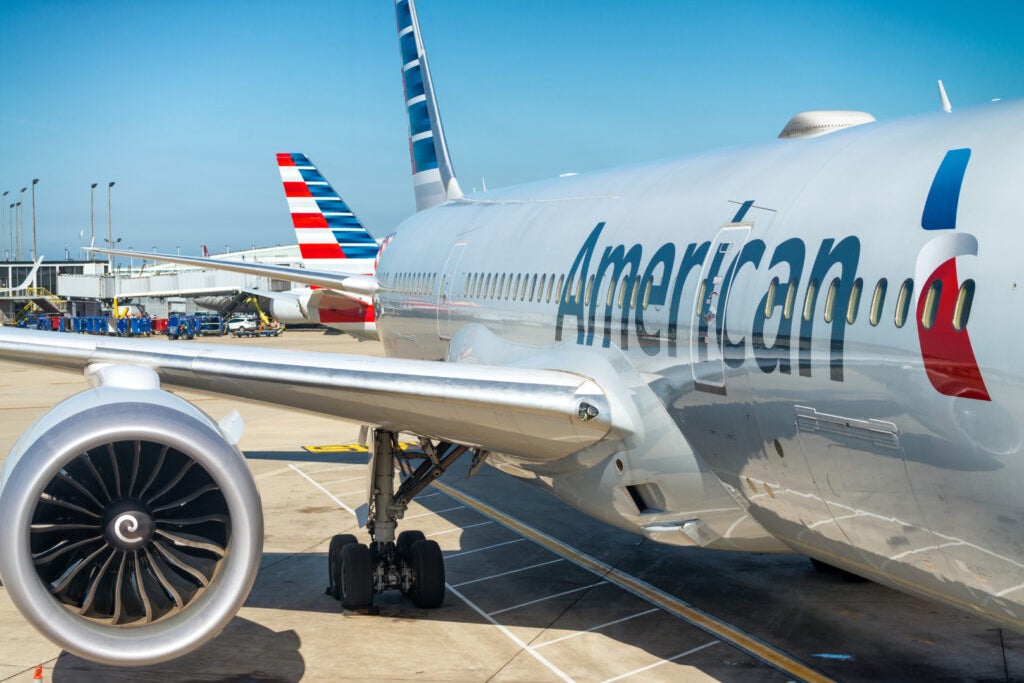
American Airlines Stock Rises Amid Growth Potential Commentary
- Surge in Trading Volume: American Airlines Group closed at $13.50 on Friday, up 1.50%, with trading volume reaching 105.7 million shares, which is 75% above its three-month average, indicating heightened market interest in its growth potential.
- Debt Level Reduction: The company successfully reduced its debt to $34.7 billion, the lowest in over a decade, which, despite high fuel price pressures, lays a foundation for future profitability growth according to analysts.
- Earnings Beat Expectations: American Airlines exceeded earnings expectations in Q1 2026, demonstrating that its efforts to enhance customer loyalty and increase premium demand are yielding results, even as its stock fell nearly 8% this week.
- Complex Market Environment: While airline stocks showed mixed performance and face challenges from fluctuating oil prices, American Airlines' growth potential and strong market demand may support its long-term recovery.
See More
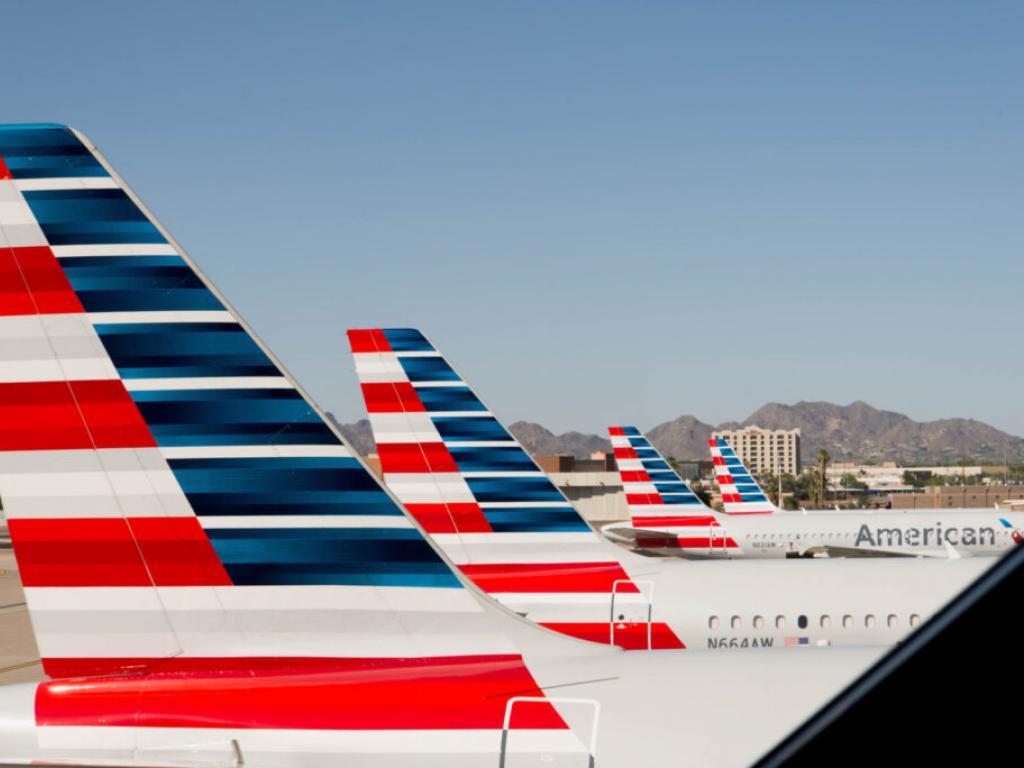
American Airlines Stock Rises Slightly Amid Growth Potential Commentary
- Stock Price Increase: American Airlines Group (AAL) saw a 1.54% increase in stock price, closing at $13.50, reflecting investor confidence in its growth potential despite overall market declines.
- Surge in Trading Volume: The trading volume reached 105.7 million shares, about 75% above the three-month average, indicating a significant rise in market interest for the stock.
- Improved Financial Position: The company's debt has been reduced to $34.7 billion, its lowest level in over a decade, and Q1 2026 earnings exceeded expectations, showcasing resilience amid high fuel price pressures.
- Future Growth Potential: Despite challenges from rising fuel prices, analysts believe that the company's focus on loyalty programs, increasing premium demand, and debt reduction will lay the groundwork for long-term recovery.
See More
United Airlines Open to Acquisitions Amid Fuel Price Pressures
- Acquisition Intent: United Airlines CEO Scott Kirby stated that despite the failed merger attempt with American Airlines, the company remains open to acquiring airport slots, gates, and other assets, particularly as higher fuel prices pressure weaker competitors.
- Merger Challenges: Kirby emphasized that any large merger would require support from American's management, and their public opposition rendered the transaction impractical, even though he believed it would have benefited consumers.
- Market Dynamics: Rising fuel prices are testing airline margins, with Kirby noting that United expects to recover losses from soaring fuel costs through increased fares, reflecting confidence in demand despite acknowledging that higher prices may impact demand.
- Brand Loyalty: Kirby argued that strong brand loyalty is allowing United and Delta Airlines to excel in the market, highlighting that customers prioritize technology, service, and reliability over price, which supports the company's future investment strategies.
See More
Delta Aims to Lead U.S. Trans-Pacific Flights
- Intensifying Market Competition: Delta's president, Peter Carter, stated that the airline aims to surpass United Airlines and become the leading U.S. carrier in trans-Pacific flights, demonstrating its ambition for market share and strategic vision.
- Financial Performance Comparison: While Delta posted a net profit exceeding $5 billion last year, significantly higher than United's $3.35 billion, its trans-Pacific revenue of $2.79 billion lags behind United's $6.89 billion, highlighting its competitive disadvantage in this market.
- New Route Launches: Delta recently initiated nonstop service from Los Angeles to Hong Kong to strengthen its position in the premium market, while United plans to launch a nonstop route from San Francisco to Sapporo, Japan, intensifying competition in the sector.
- International Strategy Focus: Carter emphasized that future growth will focus on international markets, with Delta's joint venture with Korean Air set to enhance its trans-Pacific network, reflecting its commitment to global market expansion and long-term strategy.
See More
Delta Airlines Aims to Dominate Trans-Pacific Market
- Intensifying Market Competition: Delta Airlines' new president, Peter Carter, stated that Delta aims to become stronger in the trans-Pacific market, with ambitions to surpass United Airlines as the leading U.S. carrier, highlighting its desire for increased market share.
- Financial Comparison: Delta reported a net profit exceeding $5 billion last year, compared to United's $3.35 billion, although Delta's trans-Pacific revenue was only $2.79 billion, significantly lower than United's $6.89 billion, reflecting competitive disparities in high-margin routes.
- New Route Launches: Delta recently initiated nonstop service from Los Angeles to Hong Kong, while United plans a nonstop route from San Francisco to Sapporo, Japan, as both airlines vie for premium travelers, intensifying competition in the market.
- International Expansion Strategy: Delta is looking to expand its international network through a joint venture with Korean Air, with Carter emphasizing that future growth will primarily depend on international markets, demonstrating a strong focus on the global aviation landscape.
See More
Global Airline Profits Expected to Plummet
- Profit Forecast Decline: The International Air Transport Association (IATA) projects that global airline net profits will drop to $23 billion in 2026, down from $45 billion in 2025, highlighting increasing financial strain on the industry.
- Revenue vs. Cost Imbalance: While total industry revenue is expected to rise by 9.4% to $1.17 trillion in 2026, operating expenses are projected to grow by 13% to $1.12 trillion, leading to a profit margin decline from 4.2% last year to 2.0%, indicating the erosion of profitability due to rising costs.
- Surging Fuel Costs: Fuel costs are anticipated to increase by nearly 40% to $350 billion, with average jet fuel prices rising almost 70% from a year earlier, presenting significant challenges for airlines in maintaining profitability.
- Increased Market Risks: IATA emphasizes that geopolitical shocks and fuel price volatility threaten the airline industry's profitability, as rising operating costs keep returns below the cost of capital, raising investor concerns about sustainable shareholder returns.
See More
American Airlines Stock Rises Amid Growth Potential Commentary
- Surge in Trading Volume: American Airlines Group closed at $13.50 on Friday, up 1.50%, with trading volume reaching 105.7 million shares, which is 75% above its three-month average, indicating heightened market interest in its growth potential.
- Debt Level Reduction: The company successfully reduced its debt to $34.7 billion, the lowest in over a decade, which, despite high fuel price pressures, lays a foundation for future profitability growth according to analysts.
- Earnings Beat Expectations: American Airlines exceeded earnings expectations in Q1 2026, demonstrating that its efforts to enhance customer loyalty and increase premium demand are yielding results, even as its stock fell nearly 8% this week.
- Complex Market Environment: While airline stocks showed mixed performance and face challenges from fluctuating oil prices, American Airlines' growth potential and strong market demand may support its long-term recovery.
See More
American Airlines Stock Rises Slightly Amid Growth Potential Commentary
- Stock Price Increase: American Airlines Group (AAL) saw a 1.54% increase in stock price, closing at $13.50, reflecting investor confidence in its growth potential despite overall market declines.
- Surge in Trading Volume: The trading volume reached 105.7 million shares, about 75% above the three-month average, indicating a significant rise in market interest for the stock.
- Improved Financial Position: The company's debt has been reduced to $34.7 billion, its lowest level in over a decade, and Q1 2026 earnings exceeded expectations, showcasing resilience amid high fuel price pressures.
- Future Growth Potential: Despite challenges from rising fuel prices, analysts believe that the company's focus on loyalty programs, increasing premium demand, and debt reduction will lay the groundwork for long-term recovery.
See More