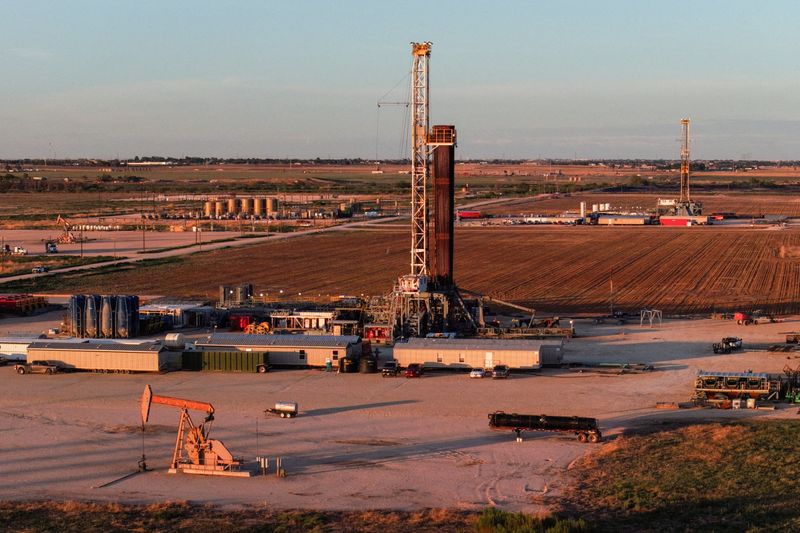
Core Scientific's $10 Billion Transition to AI Opens Door to Triple-Digit Growth Potential
Core Scientific's Strategic Shift: Core Scientific is transitioning from Bitcoin mining to AI mining, which is gaining traction and is expected to lead to robust, profitable growth over the next few years, with revenue forecasted to exceed a 30% compound annual growth rate (CAGR).
Financial Performance Overview: The company's Q4 2025 results showed mixed performance, with declining Bitcoin-related revenue but significant growth in colocation services, which increased over 250% year-over-year.
Market Sentiment and Stock Valuation: Analysts have mixed sentiments regarding Core Scientific's stock, which is currently undervalued, suggesting a potential price increase of 100% to over 200% in the coming years, aligning with broader market averages.
Future Growth Plans: Core Scientific plans to double its capacity by next year and continue expanding to meet growing demand, while also managing its Bitcoin operations and assets to sustain cash flow and profitability.
Trade with 70% Backtested Accuracy
Analyst Views on CORZ

About CORZ
About the author


Core Scientific Announces Expansion and Acquisition Strategy

- Expansion Strategy: Core Scientific plans to scale its Muskogee campus to approximately 1.5GW of total power, with about 1.0GW being leasable, significantly enhancing its competitive position in the high-density colocation market.
- Acquisition Agreement: The company has entered into an agreement to acquire Polaris DS LLC, which has contracted 440MW of power with Oklahoma Gas & Electric, expected to accelerate the delivery of new capacity and enhance service capabilities for future customers.
- Construction Progress: In Muskogee, Core Scientific is constructing a new 82.5MW building, with initial delivery expected in Q4 2027, further increasing its data center processing capacity to meet growing market demand.
- Land Resources: To support its expansion plans, the company has secured approximately 250 acres of land, showcasing its strategic positioning and future growth potential in high-density compute deployments through innovative power solutions.

Core Scientific Transitions to AI Data Centers Amidst Market Volatility
- Business Transformation: Core Scientific, Inc. is shifting from pure Bitcoin mining to High-Performance Computing (HPC) hosting, with self-mining revenue declining while colocation revenue surged 268% to $31.3 million, indicating the company's potential in the AI data center super-cycle.
- Strategic Partnership: The firm has secured multi-billion dollar hosting contracts with AI cloud provider CoreWeave, which enhances capital expenditure efficiency and allows Core to expand state-of-the-art AI data centers without dilutive equity raises, strengthening its market position.
- Power Expansion Plans: Core Scientific announced plans to expand its Pecos, Texas campus to 1.5 gigawatts of gross power, with high-voltage power permits and grid connections currently having 5-to-7-year lead times, laying the groundwork for future growth despite the long lead times.
- Market Valuation: Despite facing market volatility, institutional investors believe that the replacement cost of Core Scientific's infrastructure is significantly higher than its current market valuation, suggesting that its stock holds long-term investment appeal.

Core Scientific Q1 2026 Earnings Call Insights
- Significant Revenue Growth: Core Scientific reported 243 megawatts of billable capacity in Q1 2026, translating to over $350 million in annualized GAAP revenue, indicating strong performance in the high-density colocation market and potential for increased market share.
- Successful Capital Financing: The company closed a $3.3 billion project bond financing with approximately $2.9 billion in net proceeds, which will be allocated for future growth projects, showcasing its strong appeal and capability in capital markets.
- Clear Expansion Plans: Core Scientific expects to deploy around $2 billion in capital expenditures in 2026 to advance approximately 1 gigawatt of new billable capacity, reflecting confidence in future growth and strategic positioning.
- Business Model Transformation: As Bitcoin mining activities gradually wind down, the company is actively shifting focus to high-density colocation, with plans to deliver additional data center capacity by 2027, enhancing its competitive edge in the market.

CORE SCIENTIFIC INC: JEFFERIES INCREASES TARGET PRICE FROM $20 TO $24
- Price Increase Announcement: Jeffries has raised its price target for Core Scientific from $20 to $24.
- Market Implications: This adjustment reflects a positive outlook on Core Scientific's performance in the market.

Emerging Neocloud Providers Spark Investment Surge


- Strong Cloud Growth: Amazon Web Services (AWS) reported a 26% increase in quarterly sales, Microsoft Azure saw a 40% revenue growth, and Google Cloud's sales surged by 63%, indicating robust demand for cloud services and reinforcing their high spending plans.
- Retail Investor Favor: NBIS has gained 67% year-to-date and received investment from Nvidia, reflecting strong retail investor interest in emerging cloud providers, particularly Nebius and IREN.
- Market Sentiment Shift: On Stocktwits, sentiment for CRWV shifted from neutral to bullish, while NBIS moved from bearish to neutral, indicating increased investor confidence in emerging cloud providers following strong earnings reports.
- Future Spending Expectations: The

Hut 8 Plans to Raise $3.25 Billion for Data Center Construction

- Financing Plan: Hut 8 aims to raise $3.25 billion through senior secured notes maturing in 2042 to fund the construction of a 245-megawatt data center in Louisiana, reflecting a shift among Bitcoin miners towards artificial intelligence and high-performance computing infrastructure.
- Long-Term Lease Agreement: The project is backed by a 15-year, $7 billion lease with cloud computing company Fluidstack, which will lease the first phase of the property and has the option to extend usage by up to 1,000 megawatts in future phases, ensuring stable revenue streams.
- Revenue Forecast: The data center is projected to generate $171 million in its first year of operation, with annual revenue expected to approach $547 million by 2041, indicating a more predictable cash flow compared to traditional mining operations.
- Credit Rating: The financing has received a preliminary BBB rating from Fitch and S&P Global Ratings, placing it in the lowest investment-grade category, while also highlighting risks such as reliance on a single tenant and construction execution challenges, reflecting market caution regarding the project.
Core Scientific Announces Expansion and Acquisition Strategy
- Expansion Strategy: Core Scientific plans to scale its Muskogee campus to approximately 1.5GW of total power, with about 1.0GW being leasable, significantly enhancing its competitive position in the high-density colocation market.
- Acquisition Agreement: The company has entered into an agreement to acquire Polaris DS LLC, which has contracted 440MW of power with Oklahoma Gas & Electric, expected to accelerate the delivery of new capacity and enhance service capabilities for future customers.
- Construction Progress: In Muskogee, Core Scientific is constructing a new 82.5MW building, with initial delivery expected in Q4 2027, further increasing its data center processing capacity to meet growing market demand.
- Land Resources: To support its expansion plans, the company has secured approximately 250 acres of land, showcasing its strategic positioning and future growth potential in high-density compute deployments through innovative power solutions.
Core Scientific Transitions to AI Data Centers Amidst Market Volatility
- Business Transformation: Core Scientific, Inc. is shifting from pure Bitcoin mining to High-Performance Computing (HPC) hosting, with self-mining revenue declining while colocation revenue surged 268% to $31.3 million, indicating the company's potential in the AI data center super-cycle.
- Strategic Partnership: The firm has secured multi-billion dollar hosting contracts with AI cloud provider CoreWeave, which enhances capital expenditure efficiency and allows Core to expand state-of-the-art AI data centers without dilutive equity raises, strengthening its market position.
- Power Expansion Plans: Core Scientific announced plans to expand its Pecos, Texas campus to 1.5 gigawatts of gross power, with high-voltage power permits and grid connections currently having 5-to-7-year lead times, laying the groundwork for future growth despite the long lead times.
- Market Valuation: Despite facing market volatility, institutional investors believe that the replacement cost of Core Scientific's infrastructure is significantly higher than its current market valuation, suggesting that its stock holds long-term investment appeal.
Core Scientific Q1 2026 Earnings Call Insights
- Significant Revenue Growth: Core Scientific reported 243 megawatts of billable capacity in Q1 2026, translating to over $350 million in annualized GAAP revenue, indicating strong performance in the high-density colocation market and potential for increased market share.
- Successful Capital Financing: The company closed a $3.3 billion project bond financing with approximately $2.9 billion in net proceeds, which will be allocated for future growth projects, showcasing its strong appeal and capability in capital markets.
- Clear Expansion Plans: Core Scientific expects to deploy around $2 billion in capital expenditures in 2026 to advance approximately 1 gigawatt of new billable capacity, reflecting confidence in future growth and strategic positioning.
- Business Model Transformation: As Bitcoin mining activities gradually wind down, the company is actively shifting focus to high-density colocation, with plans to deliver additional data center capacity by 2027, enhancing its competitive edge in the market.
CORE SCIENTIFIC INC: JEFFERIES INCREASES TARGET PRICE FROM $20 TO $24
- Price Increase Announcement: Jeffries has raised its price target for Core Scientific from $20 to $24.
- Market Implications: This adjustment reflects a positive outlook on Core Scientific's performance in the market.
Emerging Neocloud Providers Spark Investment Surge
- Strong Cloud Growth: Amazon Web Services (AWS) reported a 26% increase in quarterly sales, Microsoft Azure saw a 40% revenue growth, and Google Cloud's sales surged by 63%, indicating robust demand for cloud services and reinforcing their high spending plans.
- Retail Investor Favor: NBIS has gained 67% year-to-date and received investment from Nvidia, reflecting strong retail investor interest in emerging cloud providers, particularly Nebius and IREN.
- Market Sentiment Shift: On Stocktwits, sentiment for CRWV shifted from neutral to bullish, while NBIS moved from bearish to neutral, indicating increased investor confidence in emerging cloud providers following strong earnings reports.
- Future Spending Expectations: The
Hut 8 Plans to Raise $3.25 Billion for Data Center Construction
- Financing Plan: Hut 8 aims to raise $3.25 billion through senior secured notes maturing in 2042 to fund the construction of a 245-megawatt data center in Louisiana, reflecting a shift among Bitcoin miners towards artificial intelligence and high-performance computing infrastructure.
- Long-Term Lease Agreement: The project is backed by a 15-year, $7 billion lease with cloud computing company Fluidstack, which will lease the first phase of the property and has the option to extend usage by up to 1,000 megawatts in future phases, ensuring stable revenue streams.
- Revenue Forecast: The data center is projected to generate $171 million in its first year of operation, with annual revenue expected to approach $547 million by 2041, indicating a more predictable cash flow compared to traditional mining operations.
- Credit Rating: The financing has received a preliminary BBB rating from Fitch and S&P Global Ratings, placing it in the lowest investment-grade category, while also highlighting risks such as reliance on a single tenant and construction execution challenges, reflecting market caution regarding the project.