Copa Airlines Expands 737 Fleet with Major Order
Written by Emily J. Thompson, Senior Investment Analyst
Updated: 1 hour ago
0mins
Should l Buy BA?
Source: Newsfilter
- Large Order Size: Copa Airlines has signed an agreement with Boeing to order 40 737 MAX airplanes, with options for 20 more, aiming to expand its fleet to over 100 aircraft in the next eight years, significantly enhancing its operational capacity and market competitiveness.
- Network Expansion Strategy: The new aircraft will strengthen Copa's route network from its Hub of the Americas to popular destinations across North America, Latin America, and the Caribbean, further driving economic development and growth in the tourism sector in Panama.
- Operational Efficiency Improvement: The operational commonality of over 110 737 jets in Copa's fleet will enable efficient operations, while the versatility and reliability of the 737-9 and 737-8 will support high-density short-haul flights and long-haul routes.
- Long-term Partnership: This order continues Copa Airlines' 40-year partnership with Boeing, which emphasizes ongoing support for maintaining one of the world's youngest and most capable fleets, reinforcing Panama's position as a key destination for business and tourism.
Trade with 70% Backtested Accuracy
Stop guessing "Should I Buy BA?" and start using high-conviction signals backed by rigorous historical data.
Sign up today to access powerful investing tools and make smarter, data-driven decisions.
Analyst Views on BA
Wall Street analysts forecast BA stock price to rise
16 Analyst Rating
14 Buy
1 Hold
1 Sell
Strong Buy
Current: 231.330

Low
150.00
Averages
269.14
High
298.00
Current: 231.330
Low
150.00
Averages
269.14
High
298.00
About BA
The Boeing Company is an aerospace company. Its segments include Commercial Airplanes (BCA), Defense, Space & Security (BDS), and Global Services (BGS). Its BCA segment develops, produces and markets commercial jet aircraft principally for the commercial airline industry worldwide. Its family of commercial jet aircraft in production includes the 737 narrow-body model and the 767, 777 and 787 wide-body models. Its BDS segment is engaged in the research, development, production and modification of manned and unmanned military aircraft and weapons systems for strike, surveillance and mobility. Its BGS segment provides services to its commercial and defense customers worldwide. It sustains aerospace platforms and systems with a range of products and services, including supply chain and logistics management, engineering, maintenance and modifications, upgrades and conversions, spare parts, pilot and maintenance training systems and services, technical and maintenance documents, and others.
About the author

Emily J. Thompson
Emily J. Thompson, a Chartered Financial Analyst (CFA) with 12 years in investment research, graduated with honors from the Wharton School. Specializing in industrial and technology stocks, she provides in-depth analysis for Intellectia’s earnings and market brief reports.
Investment Outlook for Boeing Amid Safety Concerns

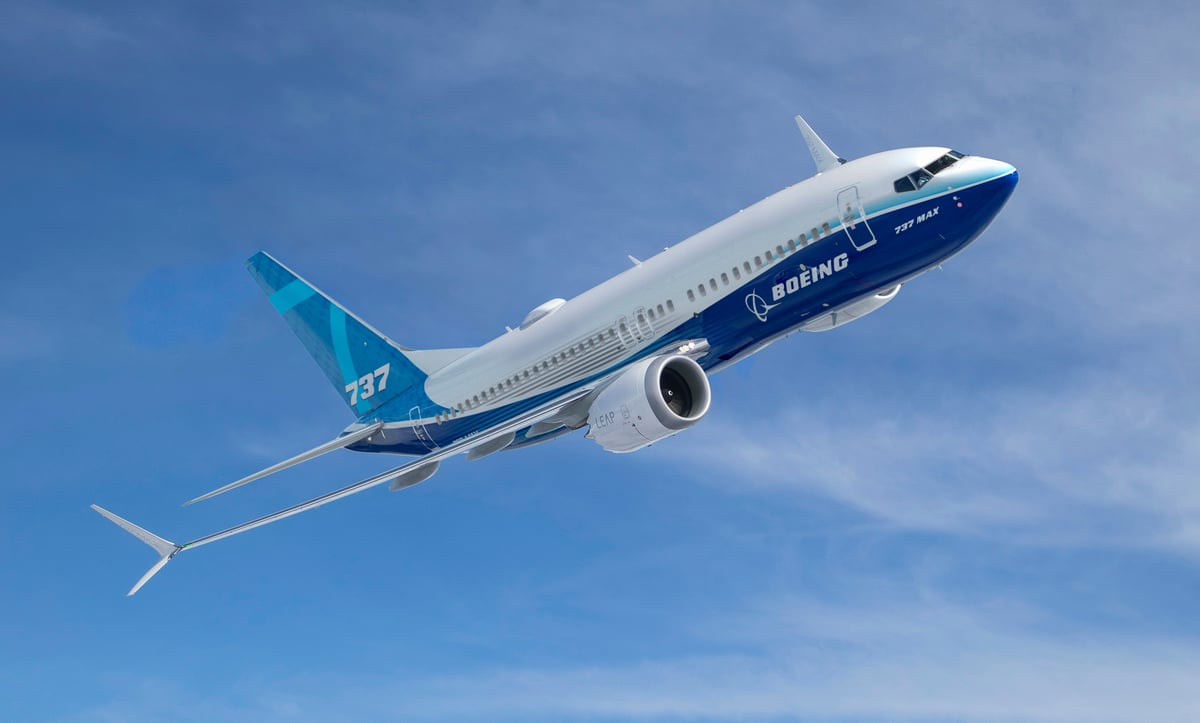
- Safety and Quality Challenges: Boeing has faced multiple reports of safety and quality issues in the past six months, including flaws linked to a UPS plane crash, which may undermine investor confidence despite the company's commitment to safety.
- Financial Recovery Signs: After years of losses, Boeing recently reported a 14% year-over-year increase in first-quarter revenue, with its defense, space, and security division seeing a 21% revenue growth, indicating efforts to improve its financial health.
- Backlog and Market Position: Boeing currently boasts a record backlog of $695 billion in orders, maintaining a strong market position as a duopoly player in the aerospace industry, particularly with growing orders from emerging markets like Vietnam and Cambodia, which could drive future revenue.
- High Debt Risk: While Boeing is paying down its $47 billion debt, the high debt level remains a potential risk, especially as navigating quality issues in the complex aircraft manufacturing process could impact the company's long-term profitability.
See More

Copa Airlines Expands 737 Fleet with Major Order
- Fleet Expansion Plan: Copa Airlines has signed an agreement with Boeing to order 40 737 MAX airplanes, with options for 20 more, aiming to expand its fleet to over 100 aircraft in the next eight years, significantly enhancing its route network across the Americas and the Caribbean.
- Economic Development Boost: CEO Pedro Heilbron stated that the addition of new aircraft will support economic development in Panama and the surrounding region, creating new jobs and boosting tourism growth, thereby reinforcing its position as a hub in the Americas.
- Operational Efficiency Improvement: The introduction of the new aircraft will enable Copa Airlines to leverage the efficiency, range, and capacity of the 737 MAX, optimizing operations for both short and long-haul flights and enhancing its competitive edge in the market.
- Long-term Partnership: This order continues the 40-year partnership between Copa and Boeing, with Boeing CEO Stephanie Pope emphasizing that the additional 737 MAX aircraft will help Copa maintain one of the world's youngest and most capable fleets, further solidifying Panama's status as a key destination for business and tourism.
See More

Boeing and Copa Airlines Sign Major Order for 40 737 MAX Aircraft
- Order Size: Copa Airlines has signed an agreement with Boeing for 40 737 MAX aircraft, with options for 20 more, reflecting a strong demand for fleet modernization that is expected to enhance operational efficiency and market competitiveness.
- Fleet Expansion Plan: This order will bring Copa Airlines' total 737 MAX fleet to over 100 aircraft, aiming to expand its route network through the Hub of the Americas®, connecting popular destinations across the Americas and Caribbean, thereby further driving regional economic development.
- Operational Advantages: With over 110 737 jets already in its fleet, the addition of new 737 MAX aircraft will enhance Copa's capabilities for high-density short-haul and long-haul routes, improving service quality and flight reliability for customers.
- Market Outlook: According to Boeing's market outlook, airlines in Latin America and the Caribbean will require over 2,300 new airplanes in the next 20 years, with single-aisle jets like the 737 MAX accounting for nearly 90% of deliveries, indicating significant market potential.
See More
Copa Airlines Expands 737 Fleet with Major Order
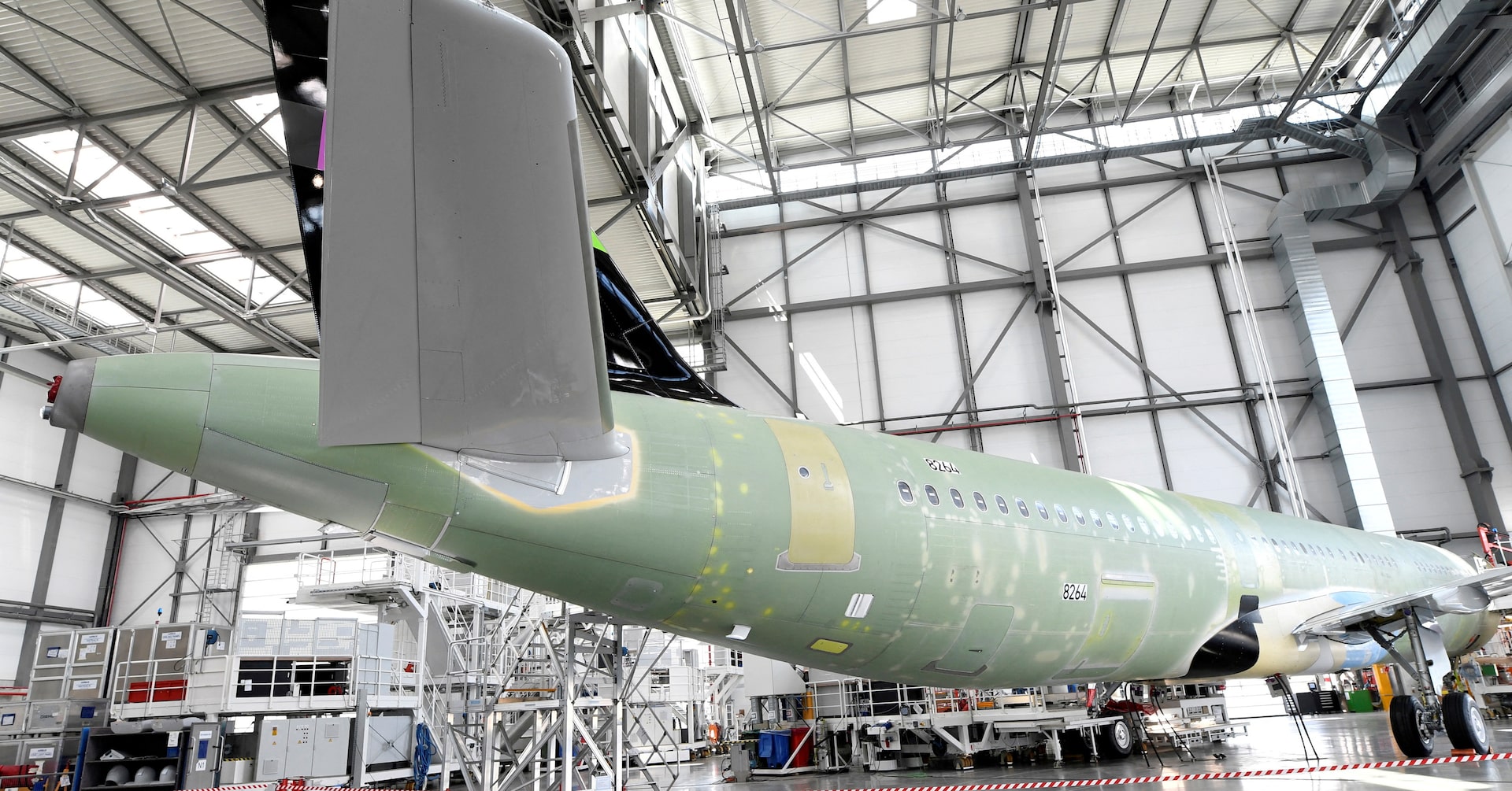
- Large Order Size: Copa Airlines has signed an agreement with Boeing to order 40 737 MAX airplanes, with options for 20 more, aiming to expand its fleet to over 100 aircraft in the next eight years, significantly enhancing its operational capacity and market competitiveness.
- Network Expansion Strategy: The new aircraft will strengthen Copa's route network from its Hub of the Americas to popular destinations across North America, Latin America, and the Caribbean, further driving economic development and growth in the tourism sector in Panama.
- Operational Efficiency Improvement: The operational commonality of over 110 737 jets in Copa's fleet will enable efficient operations, while the versatility and reliability of the 737-9 and 737-8 will support high-density short-haul flights and long-haul routes.
- Long-term Partnership: This order continues Copa Airlines' 40-year partnership with Boeing, which emphasizes ongoing support for maintaining one of the world's youngest and most capable fleets, reinforcing Panama's position as a key destination for business and tourism.
See More
Copa Airlines to Purchase 60 New 737 MAX Jets

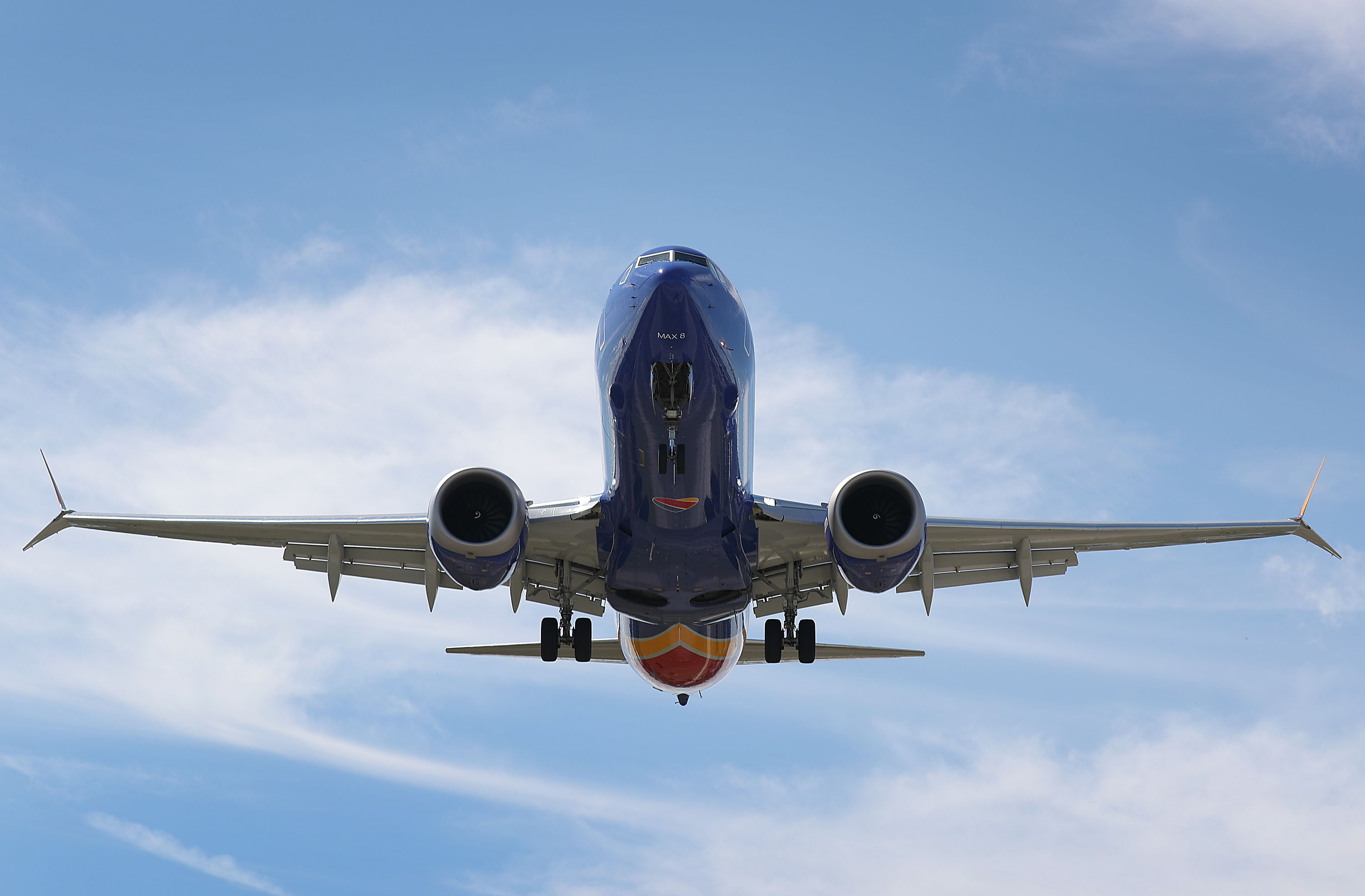
- New Aircraft Acquisition: Copa Airlines announced an agreement to purchase up to 60 new 737 MAX jets for approximately $13.5 billion, further solidifying its partnership with Boeing and committing to over 100 new aircraft deliveries in the next eight years.
- Flexible Model Selection: The airline can choose between the 737 MAX 8, MAX 9, and MAX 10 variants based on operational needs, which will aid in strategic planning for fleet expansion and replacement of existing aircraft.
- Passenger Transport Growth: Copa expects to transport 20.9 million passengers by 2026, with projections to exceed 27 million by the end of the decade, reflecting a positive outlook on future market demand.
- Competitive Market Advantage: This acquisition not only enhances Copa's competitive position in the market but also lays the groundwork for future business growth, particularly as air travel demand continues to rise.
See More
Airbus Reports Halved Profits in Q1 Amid Delivery Slowdown
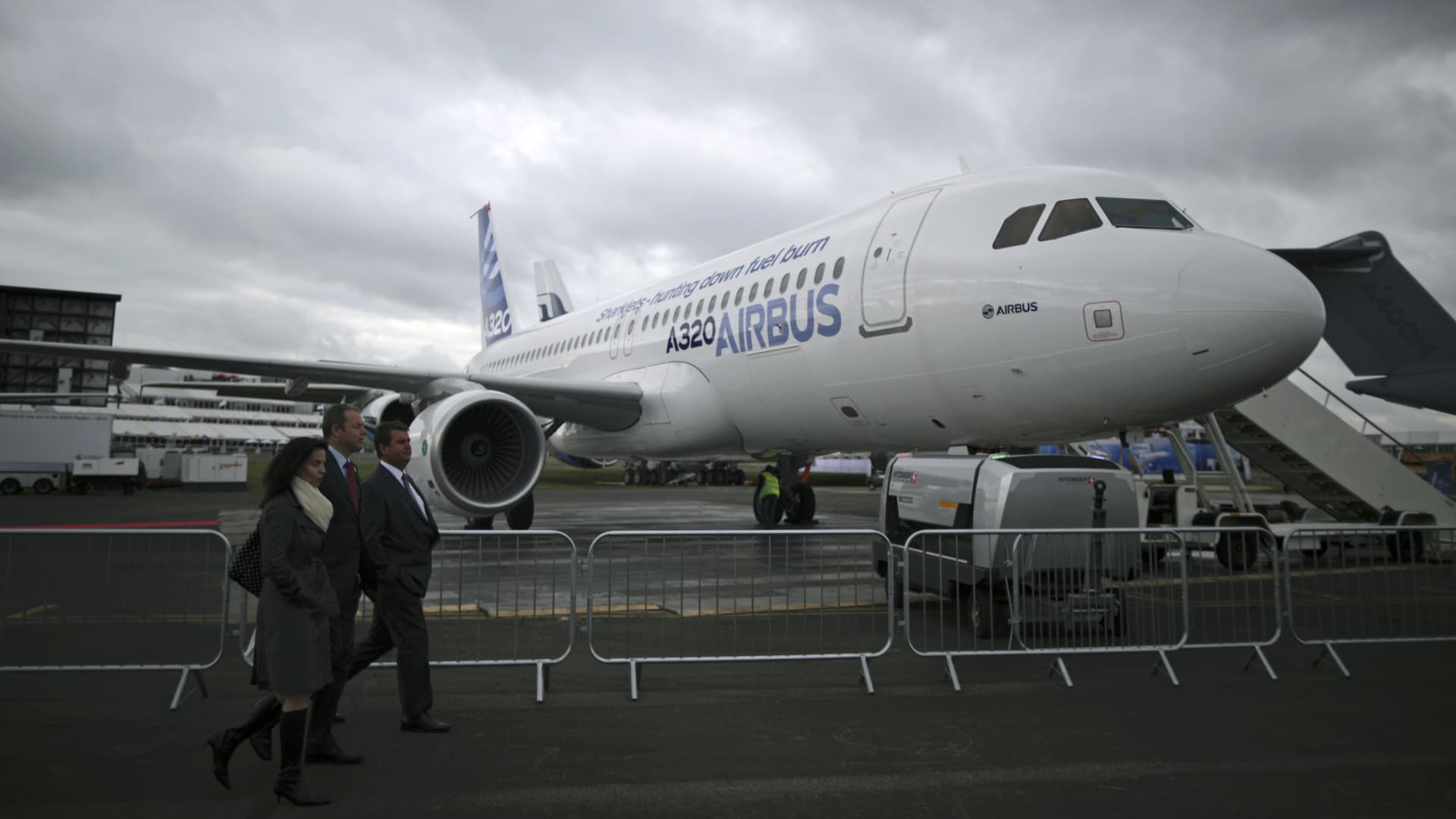
- Profit Decline: Airbus reported Q1 sales of €12.65 billion ($14.82 billion) with EPS of €0.74, slightly exceeding analyst expectations of €12.58 billion, yet the operating profit plummeted by 52% to €300 million, significantly below the anticipated €378 million, indicating a sharp decline in profitability.
- Delivery Slowdown: The company delivered 114 commercial aircraft in Q1, down from 136 a year ago, which not only impacts market share but may also lead to reduced future orders, especially as rival Boeing is regaining momentum.
- Future Delivery Guidance: Airbus reiterated its target to deliver 870 commercial aircraft by 2026, below the expected 880, primarily due to engine shortages from Pratt & Whitney, a situation that could hinder the company's long-term growth strategy.
- Shifting Market Sentiment: As Boeing recovers from its crisis, analysts note a marked cooling of investor sentiment towards Airbus, which, despite strong past performance, faces challenges in deliveries and profitability that could weaken its competitive position.
See More
Investment Outlook for Boeing Amid Safety Concerns
- Safety and Quality Challenges: Boeing has faced multiple reports of safety and quality issues in the past six months, including flaws linked to a UPS plane crash, which may undermine investor confidence despite the company's commitment to safety.
- Financial Recovery Signs: After years of losses, Boeing recently reported a 14% year-over-year increase in first-quarter revenue, with its defense, space, and security division seeing a 21% revenue growth, indicating efforts to improve its financial health.
- Backlog and Market Position: Boeing currently boasts a record backlog of $695 billion in orders, maintaining a strong market position as a duopoly player in the aerospace industry, particularly with growing orders from emerging markets like Vietnam and Cambodia, which could drive future revenue.
- High Debt Risk: While Boeing is paying down its $47 billion debt, the high debt level remains a potential risk, especially as navigating quality issues in the complex aircraft manufacturing process could impact the company's long-term profitability.
See More
Copa Airlines Expands 737 Fleet with Major Order
- Fleet Expansion Plan: Copa Airlines has signed an agreement with Boeing to order 40 737 MAX airplanes, with options for 20 more, aiming to expand its fleet to over 100 aircraft in the next eight years, significantly enhancing its route network across the Americas and the Caribbean.
- Economic Development Boost: CEO Pedro Heilbron stated that the addition of new aircraft will support economic development in Panama and the surrounding region, creating new jobs and boosting tourism growth, thereby reinforcing its position as a hub in the Americas.
- Operational Efficiency Improvement: The introduction of the new aircraft will enable Copa Airlines to leverage the efficiency, range, and capacity of the 737 MAX, optimizing operations for both short and long-haul flights and enhancing its competitive edge in the market.
- Long-term Partnership: This order continues the 40-year partnership between Copa and Boeing, with Boeing CEO Stephanie Pope emphasizing that the additional 737 MAX aircraft will help Copa maintain one of the world's youngest and most capable fleets, further solidifying Panama's status as a key destination for business and tourism.
See More
Boeing and Copa Airlines Sign Major Order for 40 737 MAX Aircraft
- Order Size: Copa Airlines has signed an agreement with Boeing for 40 737 MAX aircraft, with options for 20 more, reflecting a strong demand for fleet modernization that is expected to enhance operational efficiency and market competitiveness.
- Fleet Expansion Plan: This order will bring Copa Airlines' total 737 MAX fleet to over 100 aircraft, aiming to expand its route network through the Hub of the Americas®, connecting popular destinations across the Americas and Caribbean, thereby further driving regional economic development.
- Operational Advantages: With over 110 737 jets already in its fleet, the addition of new 737 MAX aircraft will enhance Copa's capabilities for high-density short-haul and long-haul routes, improving service quality and flight reliability for customers.
- Market Outlook: According to Boeing's market outlook, airlines in Latin America and the Caribbean will require over 2,300 new airplanes in the next 20 years, with single-aisle jets like the 737 MAX accounting for nearly 90% of deliveries, indicating significant market potential.
See More
Copa Airlines Expands 737 Fleet with Major Order
- Large Order Size: Copa Airlines has signed an agreement with Boeing to order 40 737 MAX airplanes, with options for 20 more, aiming to expand its fleet to over 100 aircraft in the next eight years, significantly enhancing its operational capacity and market competitiveness.
- Network Expansion Strategy: The new aircraft will strengthen Copa's route network from its Hub of the Americas to popular destinations across North America, Latin America, and the Caribbean, further driving economic development and growth in the tourism sector in Panama.
- Operational Efficiency Improvement: The operational commonality of over 110 737 jets in Copa's fleet will enable efficient operations, while the versatility and reliability of the 737-9 and 737-8 will support high-density short-haul flights and long-haul routes.
- Long-term Partnership: This order continues Copa Airlines' 40-year partnership with Boeing, which emphasizes ongoing support for maintaining one of the world's youngest and most capable fleets, reinforcing Panama's position as a key destination for business and tourism.
See More
Copa Airlines to Purchase 60 New 737 MAX Jets
- New Aircraft Acquisition: Copa Airlines announced an agreement to purchase up to 60 new 737 MAX jets for approximately $13.5 billion, further solidifying its partnership with Boeing and committing to over 100 new aircraft deliveries in the next eight years.
- Flexible Model Selection: The airline can choose between the 737 MAX 8, MAX 9, and MAX 10 variants based on operational needs, which will aid in strategic planning for fleet expansion and replacement of existing aircraft.
- Passenger Transport Growth: Copa expects to transport 20.9 million passengers by 2026, with projections to exceed 27 million by the end of the decade, reflecting a positive outlook on future market demand.
- Competitive Market Advantage: This acquisition not only enhances Copa's competitive position in the market but also lays the groundwork for future business growth, particularly as air travel demand continues to rise.
See More
Airbus Reports Halved Profits in Q1 Amid Delivery Slowdown
- Profit Decline: Airbus reported Q1 sales of €12.65 billion ($14.82 billion) with EPS of €0.74, slightly exceeding analyst expectations of €12.58 billion, yet the operating profit plummeted by 52% to €300 million, significantly below the anticipated €378 million, indicating a sharp decline in profitability.
- Delivery Slowdown: The company delivered 114 commercial aircraft in Q1, down from 136 a year ago, which not only impacts market share but may also lead to reduced future orders, especially as rival Boeing is regaining momentum.
- Future Delivery Guidance: Airbus reiterated its target to deliver 870 commercial aircraft by 2026, below the expected 880, primarily due to engine shortages from Pratt & Whitney, a situation that could hinder the company's long-term growth strategy.
- Shifting Market Sentiment: As Boeing recovers from its crisis, analysts note a marked cooling of investor sentiment towards Airbus, which, despite strong past performance, faces challenges in deliveries and profitability that could weaken its competitive position.
See More