Comparing Growth Paths of Intel and Impinj in Semiconductors
Written by Emily J. Thompson, Senior Investment Analyst
Updated: 1 hour ago
0mins
Source: Fool
- Intel Financial Performance: In FY 2025, Intel reported nearly $52.9 billion in revenue, a slight decline of 0.5% year-over-year, with a net loss of $267 million, indicating resilience amid its ongoing transformation despite previous larger losses.
- Impinj Customer Concentration Risk: Impinj's revenue for FY 2025 was $361.1 million, down 1.4% from the prior year, with three major customers accounting for 61% of total revenue, highlighting significant business risk due to high customer concentration in a competitive market.
- Cash Flow and Debt Ratios: Intel's free cash flow was negative $4.9 billion, with a debt-to-equity ratio of 0.4, suggesting lower debt usage in operations, while Impinj's ratio of 1.6 indicates higher financial leverage, potentially impacting future financing capabilities.
- Market Outlook and Strategic Choices: With rapid advancements in AI and IoT, Intel's sales in the AI sector grew 7% year-over-year, while Impinj anticipates Q2 sales to reach at least $103 million, reflecting both companies' growth potential and market opportunities in their respective fields.
Trade with 70% Backtested Accuracy
Stop guessing "Should I Buy INTC?" and start using high-conviction signals backed by rigorous historical data.
Sign up today to access powerful investing tools and make smarter, data-driven decisions.
Analyst Views on INTC
Wall Street analysts forecast INTC stock price to fall
29 Analyst Rating
5 Buy
19 Hold
5 Sell
Hold
Current: 117.050

Low
20.00
Averages
39.30
High
52.00
Current: 117.050
Low
20.00
Averages
39.30
High
52.00
About INTC
Intel Corporation is a global designer and manufacturer of semiconductor products. The Company's segments include Intel Products, Intel Foundry, and All Other. Its Intel Products comprise Client Computing Group (CCG) and Data Center and AI (DCAI). CCG delivers platforms and processors that power PCs and edge devices, enabling enhanced performance, connectivity and user experience for consumer and commercial markets with capabilities that also support retail, industrial robotics and AI ecosystems at the edge. DCAI delivers workload-optimized solutions based upon its x86 architecture for data centers, including CPUs, AI accelerators, NICs, IPUs and custom ASICs, enabling performance and scalability for cloud, enterprise, telecommunication and HPC environments. The Intel Foundry segment comprises technology development, manufacturing and foundry services, developing new semiconductor process technologies and advanced packaging technologies. All Other segments include Mobileye and Other.
About the author

Emily J. Thompson
Emily J. Thompson, a Chartered Financial Analyst (CFA) with 12 years in investment research, graduated with honors from the Wharton School. Specializing in industrial and technology stocks, she provides in-depth analysis for Intellectia’s earnings and market brief reports.
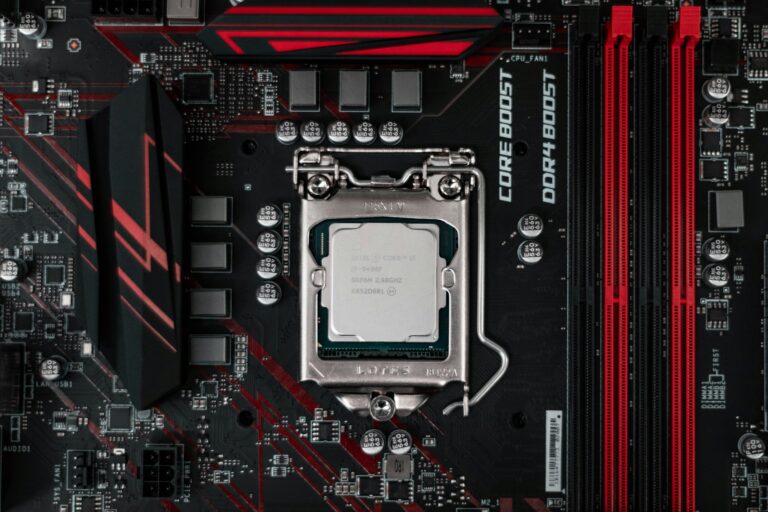
Intel's 18A Manufacturing Process Enters Risk Production Amid Strong Demand

- New Process Launch: Intel announced that its 18A manufacturing process has entered risk production, indicating the company's commitment to manufacturing and potentially attracting external customer interest, thereby enhancing its market competitiveness.
- Performance Improvement: Compared to 18A, the 18A-P delivers a 9% performance increase at the same power level or an 18% reduction in power consumption at the same processing speed, which will enhance product market appeal and meet customer demand for high-performance chips.
- Strong Customer Demand: In the first quarter, demand for Intel's central processors surged, particularly from companies offering AI services, leading to sales of chips that were originally slated for write-off, demonstrating strong market demand for its products.
- Revenue Forecast Upgrade: Intel forecasts second-quarter revenue between $13.8 billion and $14.8 billion, exceeding the market estimate of $13.07 billion, reflecting the company's robust performance in the rapidly growing AI market.
See More

U.S.-Iran Peace Deal Boosts Market Sentiment


- Market Recovery: Following the confirmation of the U.S.-Iran peace deal, S&P 500 futures rose approximately 1% and Nasdaq 100 increased about 1.5%, indicating investor optimism and helping to reverse the previous day's declines.
- Fed Policy Divergence: Although the Federal Reserve kept interest rates steady, new Chair Kevin Warsh abstained from submitting a personal rate forecast, highlighting uncertainty in future policy direction, which led to a cautious market reaction and a temporary stock decline.
- Apple-Intel Partnership: President Trump confirmed a new partnership between Apple and Intel, where Apple will design and manufacture chips in the U.S., expected to boost Intel's stock by nearly 10% and help Apple diversify its supply chain, aligning with the administration's push for onshoring manufacturing.
- AI Talent War: The departure of key AI executives from Alphabet and Meta underscores the intensifying competition for talent in the AI sector, with Google losing critical personnel shortly after launching new AI products, potentially impacting its competitive edge in the market.
See More
Intel Partners with Apple for Chip Manufacturing in the U.S.
- Intel Stock Surge: Intel's shares soared nearly 9% after President Trump announced a deal with Apple for chip design and manufacturing in the U.S., which is expected to enhance the competitiveness of the American semiconductor industry.
- Chip Sector Rally: Following Intel's announcement, chipmakers experienced a broad rally, with Marvell Technology rising nearly 7% and both Lam Research and Applied Materials increasing about 5%, indicating optimistic market sentiment towards the semiconductor sector.
- Smith & Wesson Strong Performance: Gunmaker Smith & Wesson reported earnings and revenue beats, leading to a 14% stock increase, with handgun sales up 23% year-over-year, representing 80% of total units shipped in the quarter, reflecting robust market demand.
- Accenture Acquisition Impact: Accenture's stock fell 13% after announcing its acquisition of asset intelligence company runZero and cybersecurity firm Dragos, with the combined deal valued at approximately $4.175 billion, raising concerns about the company's acquisition strategy.
See More

Analysis of Potential Merger Between SpaceX and Tesla

- Merger Probability: Prediction market Kalshi places the odds of SpaceX acquiring Tesla at 54%, indicating a growing market expectation for a merger that could present new opportunities for investors.
- Resource Sharing: SpaceX's purchase of nearly $700 million in Tesla Megapack energy storage systems and $131 million in Cybertrucks for 2024 and 2025 highlights the close collaboration between the two companies, enhancing the strategic rationale for a merger.
- Future Vision: SpaceX's ambition to develop solar-powered data centers aligns with Tesla's strengths in solar energy, suggesting that a merger could unlock greater market potential and technological synergies.
- Musk's Influence: With Musk holding 85% of SpaceX's voting power and having close ties to Tesla's board, the complexities of potential conflicts of interest in the merger process are evident, yet they also provide a possible impetus for the merger.
See More
Comparing Growth Paths of Intel and Impinj in Semiconductors

- Intel Financial Performance: In FY 2025, Intel reported nearly $52.9 billion in revenue, a slight decline of 0.5% year-over-year, with a net loss of $267 million, indicating resilience amid its ongoing transformation despite previous larger losses.
- Impinj Customer Concentration Risk: Impinj's revenue for FY 2025 was $361.1 million, down 1.4% from the prior year, with three major customers accounting for 61% of total revenue, highlighting significant business risk due to high customer concentration in a competitive market.
- Cash Flow and Debt Ratios: Intel's free cash flow was negative $4.9 billion, with a debt-to-equity ratio of 0.4, suggesting lower debt usage in operations, while Impinj's ratio of 1.6 indicates higher financial leverage, potentially impacting future financing capabilities.
- Market Outlook and Strategic Choices: With rapid advancements in AI and IoT, Intel's sales in the AI sector grew 7% year-over-year, while Impinj anticipates Q2 sales to reach at least $103 million, reflecting both companies' growth potential and market opportunities in their respective fields.
See More
Potential Implications of SpaceX Acquiring Tesla
- Acquisition Probability Analysis: According to prediction market Kalshi, the odds of SpaceX acquiring Tesla before May 1, 2027, stand at 54%, indicating rising market expectations that could influence the strategic directions of both companies.
- Current Resource Sharing: SpaceX and Tesla already share significant resources, including SpaceX's planned purchases of nearly $700 million in Tesla Megapack energy storage systems and $131 million in Cybertrucks in 2024 and 2025, establishing a solid foundation for a potential acquisition.
- Strategic Synergy Effects: SpaceX's ambition to develop solar-powered data centers aligns well with Tesla's solar business, which could provide essential solar panels and storage solutions, enhancing competitive strength in future technology sectors post-merger.
- Market Integration Advantages: Merging SpaceX and Tesla into a single entity could more effectively showcase their ambitions in future technologies, particularly in electric vehicles and robotics, potentially attracting more investor attention and boosting overall market valuations.
See More
Intel's 18A Manufacturing Process Enters Risk Production Amid Strong Demand
- New Process Launch: Intel announced that its 18A manufacturing process has entered risk production, indicating the company's commitment to manufacturing and potentially attracting external customer interest, thereby enhancing its market competitiveness.
- Performance Improvement: Compared to 18A, the 18A-P delivers a 9% performance increase at the same power level or an 18% reduction in power consumption at the same processing speed, which will enhance product market appeal and meet customer demand for high-performance chips.
- Strong Customer Demand: In the first quarter, demand for Intel's central processors surged, particularly from companies offering AI services, leading to sales of chips that were originally slated for write-off, demonstrating strong market demand for its products.
- Revenue Forecast Upgrade: Intel forecasts second-quarter revenue between $13.8 billion and $14.8 billion, exceeding the market estimate of $13.07 billion, reflecting the company's robust performance in the rapidly growing AI market.
See More
U.S.-Iran Peace Deal Boosts Market Sentiment
- Market Recovery: Following the confirmation of the U.S.-Iran peace deal, S&P 500 futures rose approximately 1% and Nasdaq 100 increased about 1.5%, indicating investor optimism and helping to reverse the previous day's declines.
- Fed Policy Divergence: Although the Federal Reserve kept interest rates steady, new Chair Kevin Warsh abstained from submitting a personal rate forecast, highlighting uncertainty in future policy direction, which led to a cautious market reaction and a temporary stock decline.
- Apple-Intel Partnership: President Trump confirmed a new partnership between Apple and Intel, where Apple will design and manufacture chips in the U.S., expected to boost Intel's stock by nearly 10% and help Apple diversify its supply chain, aligning with the administration's push for onshoring manufacturing.
- AI Talent War: The departure of key AI executives from Alphabet and Meta underscores the intensifying competition for talent in the AI sector, with Google losing critical personnel shortly after launching new AI products, potentially impacting its competitive edge in the market.
See More
Intel Partners with Apple for Chip Manufacturing in the U.S.
- Intel Stock Surge: Intel's shares soared nearly 9% after President Trump announced a deal with Apple for chip design and manufacturing in the U.S., which is expected to enhance the competitiveness of the American semiconductor industry.
- Chip Sector Rally: Following Intel's announcement, chipmakers experienced a broad rally, with Marvell Technology rising nearly 7% and both Lam Research and Applied Materials increasing about 5%, indicating optimistic market sentiment towards the semiconductor sector.
- Smith & Wesson Strong Performance: Gunmaker Smith & Wesson reported earnings and revenue beats, leading to a 14% stock increase, with handgun sales up 23% year-over-year, representing 80% of total units shipped in the quarter, reflecting robust market demand.
- Accenture Acquisition Impact: Accenture's stock fell 13% after announcing its acquisition of asset intelligence company runZero and cybersecurity firm Dragos, with the combined deal valued at approximately $4.175 billion, raising concerns about the company's acquisition strategy.
See More
Analysis of Potential Merger Between SpaceX and Tesla
- Merger Probability: Prediction market Kalshi places the odds of SpaceX acquiring Tesla at 54%, indicating a growing market expectation for a merger that could present new opportunities for investors.
- Resource Sharing: SpaceX's purchase of nearly $700 million in Tesla Megapack energy storage systems and $131 million in Cybertrucks for 2024 and 2025 highlights the close collaboration between the two companies, enhancing the strategic rationale for a merger.
- Future Vision: SpaceX's ambition to develop solar-powered data centers aligns with Tesla's strengths in solar energy, suggesting that a merger could unlock greater market potential and technological synergies.
- Musk's Influence: With Musk holding 85% of SpaceX's voting power and having close ties to Tesla's board, the complexities of potential conflicts of interest in the merger process are evident, yet they also provide a possible impetus for the merger.
See More
Comparing Growth Paths of Intel and Impinj in Semiconductors
- Intel Financial Performance: In FY 2025, Intel reported nearly $52.9 billion in revenue, a slight decline of 0.5% year-over-year, with a net loss of $267 million, indicating resilience amid its ongoing transformation despite previous larger losses.
- Impinj Customer Concentration Risk: Impinj's revenue for FY 2025 was $361.1 million, down 1.4% from the prior year, with three major customers accounting for 61% of total revenue, highlighting significant business risk due to high customer concentration in a competitive market.
- Cash Flow and Debt Ratios: Intel's free cash flow was negative $4.9 billion, with a debt-to-equity ratio of 0.4, suggesting lower debt usage in operations, while Impinj's ratio of 1.6 indicates higher financial leverage, potentially impacting future financing capabilities.
- Market Outlook and Strategic Choices: With rapid advancements in AI and IoT, Intel's sales in the AI sector grew 7% year-over-year, while Impinj anticipates Q2 sales to reach at least $103 million, reflecting both companies' growth potential and market opportunities in their respective fields.
See More
Potential Implications of SpaceX Acquiring Tesla
- Acquisition Probability Analysis: According to prediction market Kalshi, the odds of SpaceX acquiring Tesla before May 1, 2027, stand at 54%, indicating rising market expectations that could influence the strategic directions of both companies.
- Current Resource Sharing: SpaceX and Tesla already share significant resources, including SpaceX's planned purchases of nearly $700 million in Tesla Megapack energy storage systems and $131 million in Cybertrucks in 2024 and 2025, establishing a solid foundation for a potential acquisition.
- Strategic Synergy Effects: SpaceX's ambition to develop solar-powered data centers aligns well with Tesla's solar business, which could provide essential solar panels and storage solutions, enhancing competitive strength in future technology sectors post-merger.
- Market Integration Advantages: Merging SpaceX and Tesla into a single entity could more effectively showcase their ambitions in future technologies, particularly in electric vehicles and robotics, potentially attracting more investor attention and boosting overall market valuations.
See More