Company Reports Q1 2026 Revenue of $4.694 Billion, Operating Loss of $1.94 Billion

The company states: "For the three months ended March 31, 2026, we generated revenue on a consolidated basis of $4,694 million, loss from operations of ($1.94B) and Adjusted EBITDA of $1.13B. In 2025, we generated revenue on a consolidated basis of $18,674 million, loss from operations of $(2,589) million and Adjusted EBITDA of $6,584 million. Our Space and Connectivity segments contributed the substantial majority of our consolidated revenue in the three months ended March 31, 2026 and the year ended December 31, 2025, demonstrating the benefits of their scale and operating leverage in our vertically integrated business model; For the three months ended March 31, 2026, our Space segment generated revenue of $619 million, loss from operations of $(662) million, and Segment Adjusted EBITDA of $(351) million. In 2025 , our Space segment generated revenue of $4,086 million , loss from operations of $(657) million , and Segment Adjusted EBITDA of $653 million . Additionally, our Space segment funded $930 million and $3,004 million in research and development expense during the three months ended March 31, 2026 and the year ended December 31, 2025, respectively, for our next-generation Starship launch vehicle program. Starship is designed to enable a step-function change in our launch capability across reusability, payload capacity, and launch cadence, and is the key enabler of our long-term growth strategy by unlocking entirely new categories of missions; For the three months ended March 31, 2026, our Connectivity segment generated revenue of $3,257 million, income from operations of $1,188 million, and Segment Adjusted EBITDA of $2,087 million. Our Connectivity segment, primarily driven by Starlink, generated revenue of $11,387 million , income from operations of $4,423 million, and Segment Adjusted EBITDA of $7,168 million in 2025 , representing year-over-year growth of 49.8%, 120.4%, and 86.2%, respectively, benefiting from subscriber growth, increasing enterprise adoption, and continued improvement in network efficiency; In our newly acquired AI segment, we plan to prioritize growth and investment to capture significant opportunities in AI applications and compute infrastructure. For the three months ended March 31, 2026, our AI segment generated revenue of $818 million, loss from operations of $(2,469) million, and Segment Adjusted EBITDA of $(609) million. In 2025 , our AI segment generated revenue of $3,201 million , loss from operations of $(6,355) million , and Segment Adjusted EBITDA of $(1,237) million , reflecting its earlier stage of development and continued investments to support long-term growth opportunities in AI; and * For the three months ended March 31, 2026, capital expenditures for our Space segment was $1,052 million, for our Connectivity segment was $1,332 million and for our AI segment was $7,723 million. In 2025, capital expenditures for our Space segment was $3,832 million, for our Connectivity segment was $4,178 million and for our AI segment was $12,727 million."
Trade with 70% Backtested Accuracy
Analyst Views on TSLA

About TSLA
About the author

Analysis of SpaceX IPO Prospects and Investment Recommendations

- Profit Growth Highlight: Starlink, as the only profitable division of SpaceX, generated $11.4 billion in revenue in 2025, accounting for 61% of total company revenue, reflecting strong demand and profitability in the global high-speed internet market with a 50% year-over-year increase.
- Market Potential Assessment: SpaceX estimates that of its $28.5 trillion total addressable market, only $1.6 trillion pertains to connectivity, while the AI market represents a substantial $26.5 trillion, indicating that the primary growth driver for the company lies in the AI sector.
- Investment Risk Warning: Despite the potential IPO valuation of $1.5 trillion, SpaceX's core business remains focused on internet access, and current losses exceed profits, prompting investors to carefully evaluate the associated risks and returns.
- Strategic Recommendation: Given SpaceX's high valuation and insufficient profitability, it is advisable for investors to adopt a wait-and-see approach post-IPO, seeking a more attractive entry point to mitigate investment risks.
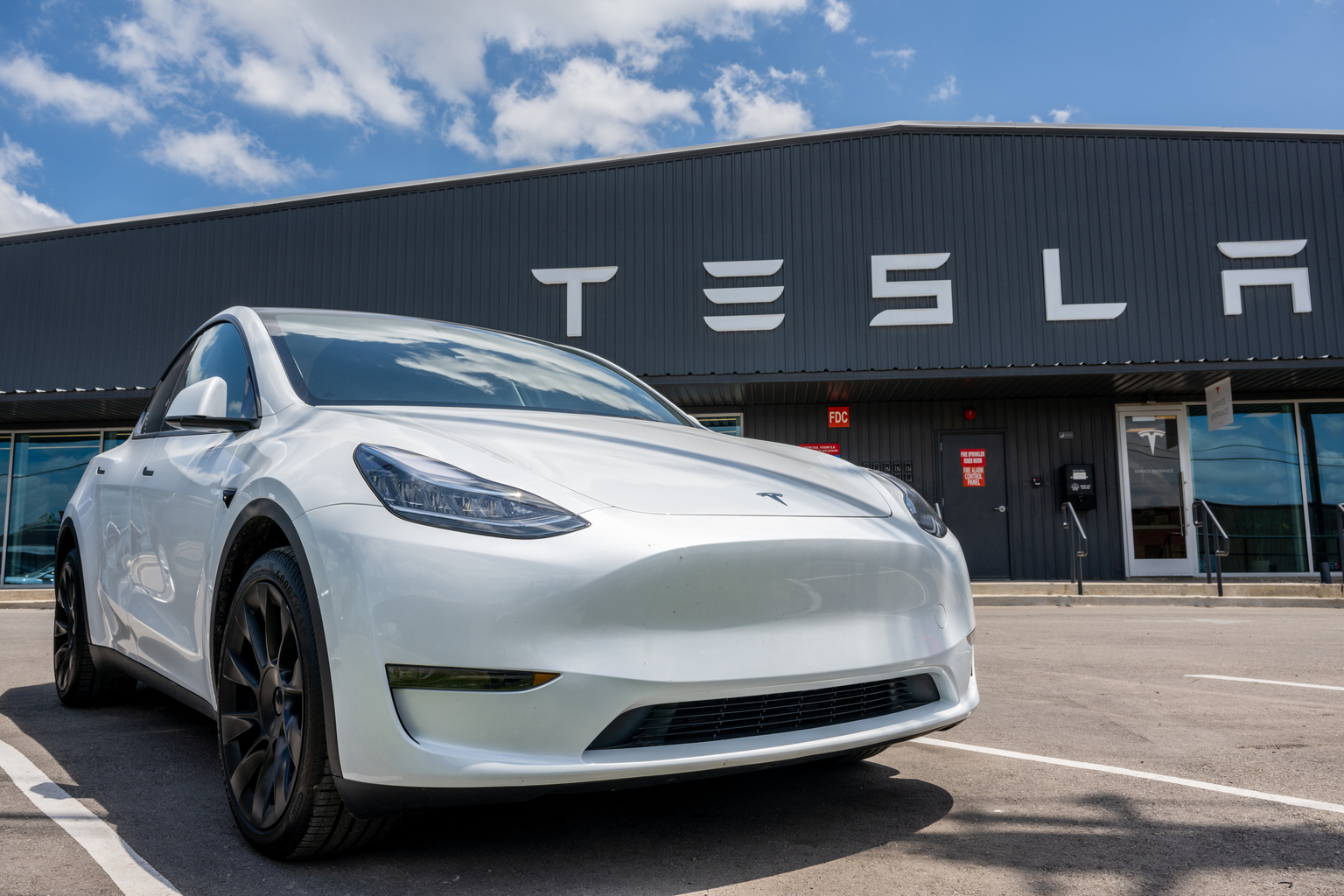
Tesla's Robotaxi Fleet in Texas Lags Behind Waymo's Dominance
- Market Size Comparison: Data from the Texas Department of Motor Vehicles reveals that Tesla (TSLA) has only 42 authorized robotaxis in Texas, significantly trailing Waymo's (WAYMO) 577 vehicles, highlighting Tesla's competitive disadvantage in this market.
- Competitor Analysis: Tesla (TSLA) not only lags behind Waymo but also falls short of Nebius (NBIS)-owned Avride's 317 and Nuro's 47 authorized robotaxis, indicating a further compression of its market share.
- Regulatory Environment Changes: With the new law in Texas tightening oversight on commercial self-driving vehicles, Tesla's (TSLA) robotaxi service, available in limited areas of Austin, Dallas, and Houston, faces increased compliance pressures that could impact future expansion plans.
- Operational Timing Differences: Waymo (WAYMO) commenced its robotaxi operations in Texas last March through a partnership with Uber (UBER), while Tesla (TSLA) only began its service in June 2025, creating a timing gap that places it at a disadvantage in market competition.

Meta Platforms: AI Investments Present New Opportunities


- Earnings Growth Potential: Meta Platforms has attracted over 3.5 billion users through its social media apps like Facebook, Instagram, and WhatsApp, leading to significant earnings growth driven by advertising revenue, which is expected to further enhance shareholder returns.
- AI Strategic Investment: Meta's substantial investments in AI, including building data centers and developing large language models, have been successfully integrated into its social media and advertising processes, likely improving ad effectiveness and increasing revenue while strengthening market competitiveness.
- New Revenue Streams: Meta has announced the rollout of consumer subscription plans that allow users to access special features, while also testing AI subscription services for businesses, which will provide a robust new revenue stream and cater to diverse user needs for future growth.
- Valuation Attractiveness: With a price-to-earnings ratio of 19, Meta is currently the cheapest among the Magnificent Seven, reflecting market caution regarding the monetization of its AI investments; however, as AI products are gradually launched, this could represent a key turning point for the stock.

Meta Platforms: A Key Turning Point in AI Investment
- AI Investment Returns: Meta Platforms has heavily invested in AI over the past few years, and while it hasn't yet monetized these investments, the gradual application of AI tools in social media and advertising is expected to drive advertising revenue growth, thereby enhancing overall profitability.
- Large User Base: With over 3.5 billion daily users across Facebook, Instagram, and WhatsApp, Meta's advertising revenue growth is closely tied to user engagement, providing a stable income source and long-term growth potential for the company.
- New Revenue Streams: Meta has announced the rollout of consumer subscription plans that allow users to access special features while testing AI subscription plans for businesses, which will open new revenue channels and further strengthen its market competitiveness.
- Attractive Valuation: Trading at a price-to-earnings ratio of 19, Meta is the cheapest among the Magnificent Seven tech stocks, and despite the challenges of a longer return cycle on AI investments, its potential for growth makes it a focal point for investors.
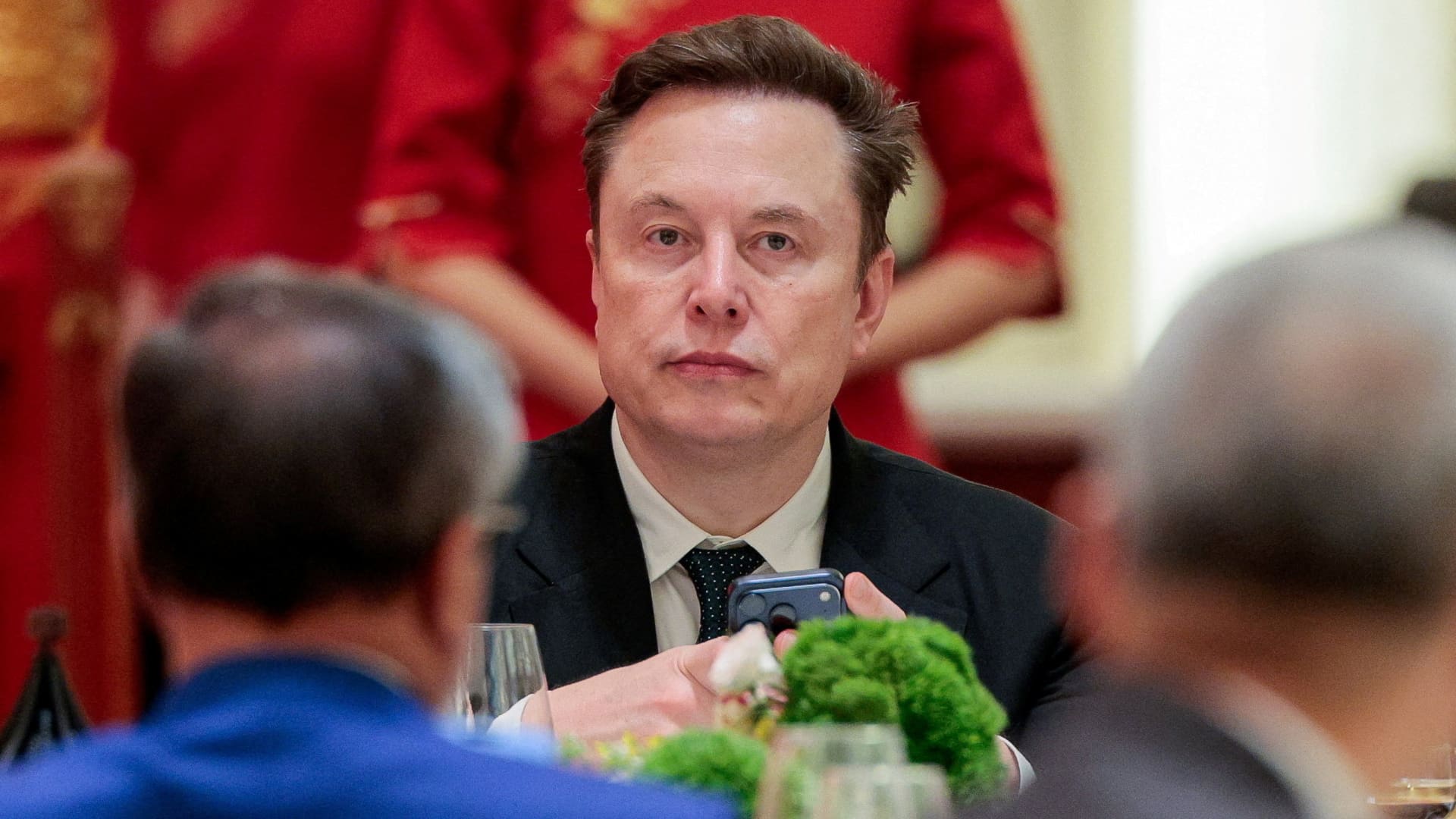
Musk Poised to Become First Trillionaire by 2027
- Trillionaire Odds Surge: Traders are now estimating over a 90% chance that Musk will become the world's first trillionaire before 2027, reflecting his significant net worth increases to over $500 billion in October and $700 billion in December, indicating strong market confidence in his wealth trajectory.
- Bright SpaceX IPO Outlook: Musk denied reports of a lowered SpaceX valuation, reaffirming that the upcoming IPO is set to be a historic success, expected to outperform other IPO deals and further solidify its leadership in the aerospace sector.
- Tesla-SpaceX Merger Anticipation: Analysts predict a potential merger between Tesla and SpaceX by next year, a strategic move that could enable Musk to better control the AI ecosystem and enhance synergies between the two companies in the tech space.
- Market Confidence Boost: With SpaceX having confidentially filed with the SEC in April and planning to debut on Nasdaq next month, market sentiment towards Musk's future developments is optimistic, reinforcing the belief that he will become the world's first trillionaire.
Estonia Approves Tesla's FSD System for Roads
- Regulatory Approval: Estonia's transport authority announced on Friday that it has cleared Tesla's FSD driver-assistance system for use on its roads, marking a significant step in the system's rollout across European markets.
- Type Approval Recognition: This approval is based on a type approval initially granted in the Netherlands, demonstrating Tesla's compliance and adaptability across various European nations, thereby enhancing its market position in the autonomous driving sector.
- Market Impact: With the approval of the FSD system, Tesla is poised to expand its market share in Estonia and surrounding regions, further promoting the adoption of electric vehicles and the application of smart driving technologies.
- Strategic Significance: This approval not only enhances Tesla's brand image in Europe but may also encourage other countries to consider similar technology approvals, thereby accelerating the development of global electric vehicle and autonomous driving technologies.
Analysis of SpaceX IPO Prospects and Investment Recommendations
- Profit Growth Highlight: Starlink, as the only profitable division of SpaceX, generated $11.4 billion in revenue in 2025, accounting for 61% of total company revenue, reflecting strong demand and profitability in the global high-speed internet market with a 50% year-over-year increase.
- Market Potential Assessment: SpaceX estimates that of its $28.5 trillion total addressable market, only $1.6 trillion pertains to connectivity, while the AI market represents a substantial $26.5 trillion, indicating that the primary growth driver for the company lies in the AI sector.
- Investment Risk Warning: Despite the potential IPO valuation of $1.5 trillion, SpaceX's core business remains focused on internet access, and current losses exceed profits, prompting investors to carefully evaluate the associated risks and returns.
- Strategic Recommendation: Given SpaceX's high valuation and insufficient profitability, it is advisable for investors to adopt a wait-and-see approach post-IPO, seeking a more attractive entry point to mitigate investment risks.
Tesla's Robotaxi Fleet in Texas Lags Behind Waymo's Dominance
- Market Size Comparison: Data from the Texas Department of Motor Vehicles reveals that Tesla (TSLA) has only 42 authorized robotaxis in Texas, significantly trailing Waymo's (WAYMO) 577 vehicles, highlighting Tesla's competitive disadvantage in this market.
- Competitor Analysis: Tesla (TSLA) not only lags behind Waymo but also falls short of Nebius (NBIS)-owned Avride's 317 and Nuro's 47 authorized robotaxis, indicating a further compression of its market share.
- Regulatory Environment Changes: With the new law in Texas tightening oversight on commercial self-driving vehicles, Tesla's (TSLA) robotaxi service, available in limited areas of Austin, Dallas, and Houston, faces increased compliance pressures that could impact future expansion plans.
- Operational Timing Differences: Waymo (WAYMO) commenced its robotaxi operations in Texas last March through a partnership with Uber (UBER), while Tesla (TSLA) only began its service in June 2025, creating a timing gap that places it at a disadvantage in market competition.
Meta Platforms: AI Investments Present New Opportunities
- Earnings Growth Potential: Meta Platforms has attracted over 3.5 billion users through its social media apps like Facebook, Instagram, and WhatsApp, leading to significant earnings growth driven by advertising revenue, which is expected to further enhance shareholder returns.
- AI Strategic Investment: Meta's substantial investments in AI, including building data centers and developing large language models, have been successfully integrated into its social media and advertising processes, likely improving ad effectiveness and increasing revenue while strengthening market competitiveness.
- New Revenue Streams: Meta has announced the rollout of consumer subscription plans that allow users to access special features, while also testing AI subscription services for businesses, which will provide a robust new revenue stream and cater to diverse user needs for future growth.
- Valuation Attractiveness: With a price-to-earnings ratio of 19, Meta is currently the cheapest among the Magnificent Seven, reflecting market caution regarding the monetization of its AI investments; however, as AI products are gradually launched, this could represent a key turning point for the stock.
Meta Platforms: A Key Turning Point in AI Investment
- AI Investment Returns: Meta Platforms has heavily invested in AI over the past few years, and while it hasn't yet monetized these investments, the gradual application of AI tools in social media and advertising is expected to drive advertising revenue growth, thereby enhancing overall profitability.
- Large User Base: With over 3.5 billion daily users across Facebook, Instagram, and WhatsApp, Meta's advertising revenue growth is closely tied to user engagement, providing a stable income source and long-term growth potential for the company.
- New Revenue Streams: Meta has announced the rollout of consumer subscription plans that allow users to access special features while testing AI subscription plans for businesses, which will open new revenue channels and further strengthen its market competitiveness.
- Attractive Valuation: Trading at a price-to-earnings ratio of 19, Meta is the cheapest among the Magnificent Seven tech stocks, and despite the challenges of a longer return cycle on AI investments, its potential for growth makes it a focal point for investors.
Musk Poised to Become First Trillionaire by 2027
- Trillionaire Odds Surge: Traders are now estimating over a 90% chance that Musk will become the world's first trillionaire before 2027, reflecting his significant net worth increases to over $500 billion in October and $700 billion in December, indicating strong market confidence in his wealth trajectory.
- Bright SpaceX IPO Outlook: Musk denied reports of a lowered SpaceX valuation, reaffirming that the upcoming IPO is set to be a historic success, expected to outperform other IPO deals and further solidify its leadership in the aerospace sector.
- Tesla-SpaceX Merger Anticipation: Analysts predict a potential merger between Tesla and SpaceX by next year, a strategic move that could enable Musk to better control the AI ecosystem and enhance synergies between the two companies in the tech space.
- Market Confidence Boost: With SpaceX having confidentially filed with the SEC in April and planning to debut on Nasdaq next month, market sentiment towards Musk's future developments is optimistic, reinforcing the belief that he will become the world's first trillionaire.
Estonia Approves Tesla's FSD System for Roads
- Regulatory Approval: Estonia's transport authority announced on Friday that it has cleared Tesla's FSD driver-assistance system for use on its roads, marking a significant step in the system's rollout across European markets.
- Type Approval Recognition: This approval is based on a type approval initially granted in the Netherlands, demonstrating Tesla's compliance and adaptability across various European nations, thereby enhancing its market position in the autonomous driving sector.
- Market Impact: With the approval of the FSD system, Tesla is poised to expand its market share in Estonia and surrounding regions, further promoting the adoption of electric vehicles and the application of smart driving technologies.
- Strategic Significance: This approval not only enhances Tesla's brand image in Europe but may also encourage other countries to consider similar technology approvals, thereby accelerating the development of global electric vehicle and autonomous driving technologies.