Coffee, beef, and orange juice prices in the U.S. could spike if Brazil is hit with a heavy tariff rate
New Tariffs on Brazilian Imports: President Trump announced a 50% tariff on all goods from Brazil starting August 1, raising concerns about potential increases in U.S. food prices, particularly for coffee and orange juice, which Brazil predominantly exports.
Impact on U.S. Companies and Consumers: Analysts predict that companies like Starbucks and Dutch Bros may face negative financial impacts if they cannot pass higher costs onto consumers, while U.S. retailers selling Brazilian beef could also see price fluctuations affecting consumer choices.
Trade with 70% Backtested Accuracy
Analyst Views on PBJ
About the author


CPI Report: Food Prices Remain Stable, With a Significant Increase in Beef Costs


Consumer Price Index Overview: The November Consumer Price Index report showed a 2.7% year-over-year increase, which was lower than economists' expectations and the previous month's pace, as the October report was not released due to a government shutdown.
Food Price Increases: The food category rose by 2.6% year-over-year, with significant increases in food away from home (3.7% Y/Y) and food at home (1.9% Y/Y), particularly driven by a notable rise in beef prices.
Beef Price Drivers: Beef prices are near record levels due to supply shortages from droughts, high feed costs, reduced cattle inventories, and strong consumer demand, with the national cattle herd at its lowest in decades.
Impact on Companies: Numerous companies, including JBS, Kroger, Walmart, and McDonald's, are affected by rising beef prices, highlighting the broader implications for the food industry amidst ongoing inflationary pressures.
Alcohol Trends: Decreasing Consumption Rates with Potential Growth in Innovation and M&A

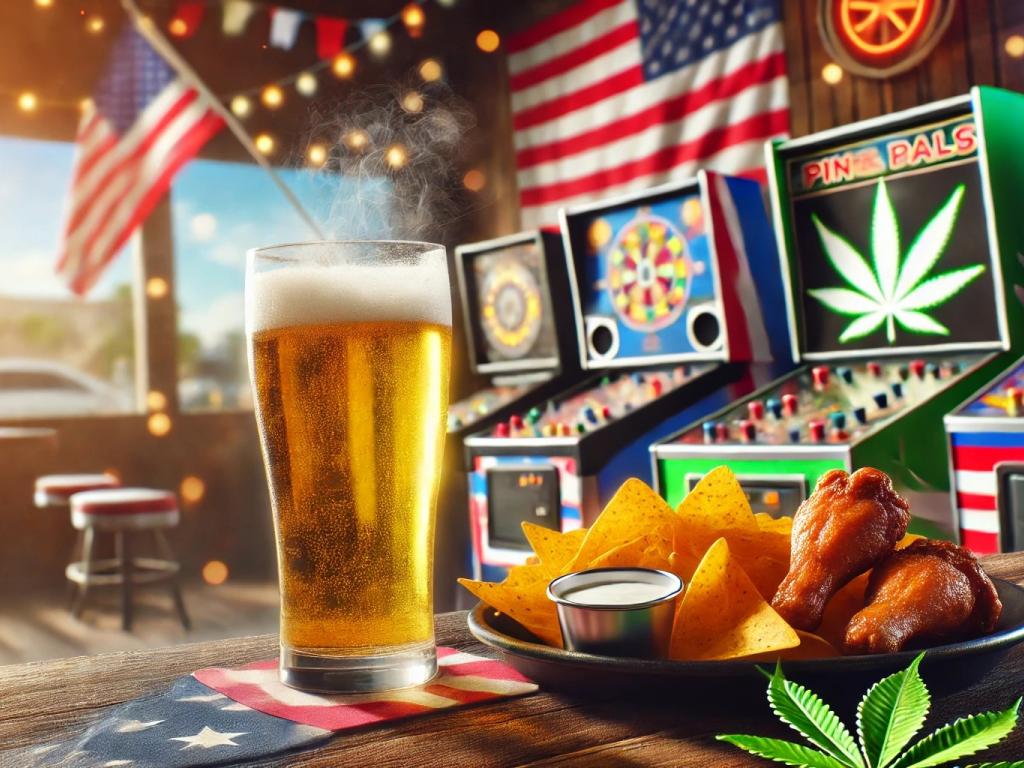
Decline in Alcohol Consumption: The percentage of U.S. adults consuming alcohol has dropped to a multi-decade low of about 54%, with significant declines among younger adults under 35, influenced by changing health perceptions and the rise of no- and low-alcohol alternatives.
Spending Trends: Bank of America reported an 8.6% year-over-year decline in spending at U.S. alcohol stores, with younger generations like Gen-Z and Millennials showing the largest decreases in alcohol-related purchases.
Health Consciousness and Social Changes: Increased awareness of health risks associated with alcohol, along with economic pressures and shifts in social behaviors, such as earlier socializing and online engagement, are contributing to reduced alcohol consumption.
Market Implications and Industry Shifts: The decline in alcohol consumption is affecting major beverage companies, prompting non-alcoholic brands to enter the alcohol market, while traditional alcohol companies explore new product lines, indicating potential for future mergers and acquisitions in the sector.

Farewell, Kellanova: Could Mars' acquisition of the Pringles manufacturer ignite further M&A activity in the food industry?
Merger Details: Mars and Kellanova's merger is set to close on December 11, creating a global snacking powerhouse with an expected annual revenue of $36 billion and a portfolio of 9 billion-dollar brands.
Company Operations: The combined entity will be headquartered in Chicago, operating in over 145 markets with more than 50,000 employees and 80 global production facilities.
Market Context: The merger comes amid a challenging time for the packaged food sector, which has seen a decline in demand post-pandemic as consumers shift towards private-label alternatives.
Competitive Landscape: The new Mars-Kellanova entity will compete with major companies like PepsiCo, Nestle, and Mondelez International, while also facing competition from brands like Campbell's and General Mills in specific categories.
Three Key Factors to Monitor in the Stock Market Next Week


Tech Stocks Decline: The Nasdaq Composite faced its worst week since April due to a prolonged government shutdown, which has negatively impacted investor sentiment and economically sensitive sectors like retail and food-and-beverage.
Government Shutdown Update: The ongoing government shutdown is raising concerns about air travel disruptions, prompting political discussions for a resolution, as historical precedents suggest that travel issues can accelerate negotiations.
Cisco Earnings Anticipation: Cisco Systems is set to report its fiscal Q1 earnings, with expectations of a slight revenue beat but cautious guidance due to the government shutdown and rising component costs, while AI orders remain a focal point for investors.
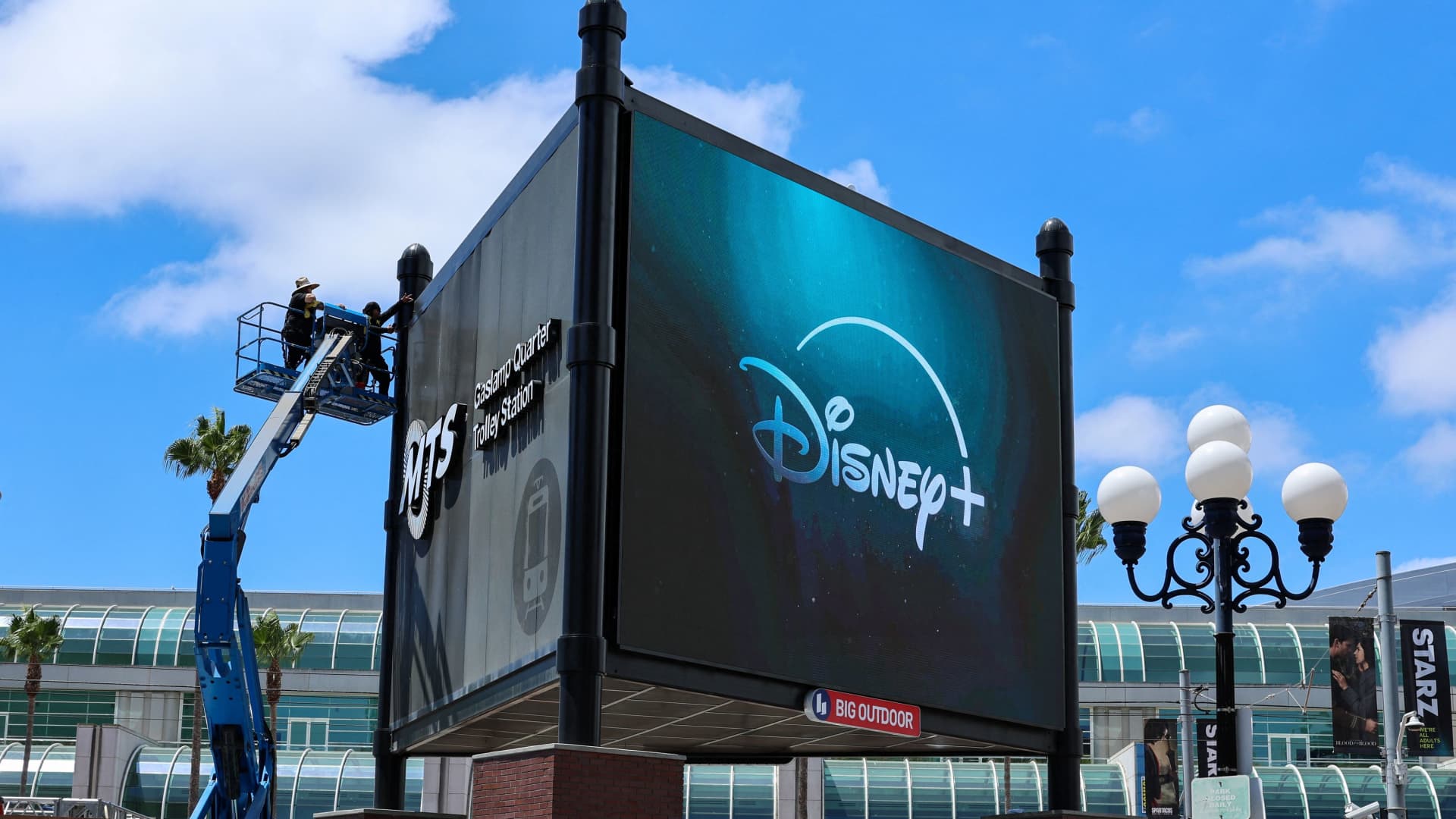
Disney Earnings Outlook: Disney is expected to report its fiscal Q4 results, with a focus on its streaming business performance and potential impacts from recent price hikes and consumer sentiment, particularly regarding its theme parks and cruise bookings.

Invesco Food & Beverage ETF (PBJ) Surpasses First Trust Nasdaq Food & Beverage ETF (FTXG) in Size and Long-Term Growth

ETF Overview: The Invesco Food & Beverage ETF (PBJ) and the First Trust Nasdaq Food & Beverage ETF (FTXG) provide targeted exposure to the food and beverage sector, with PBJ being larger and slightly more diversified than FTXG.
Performance Comparison: Both ETFs have underperformed compared to the S&P 500 over the past five years, with FTXG down 28% from its peak in 2022, while PBJ is down 11.9%. Total returns for FTXG are 11.5% and for PBJ are 45%, including dividends.
Dividend Growth: The latest quarterly dividend for PBJ has increased by 72.6% over the past five years, while FTXG's dividend has risen by 52.5%, indicating stronger growth in PBJ's payouts.
Portfolio Composition: PBJ focuses on a mix of Consumer Defensive and Consumer Cyclical stocks, while FTXG is heavily concentrated in Consumer Defensive stocks, featuring blue-chip companies like PepsiCo and Mondelez International.

CPI Report: Surge in Beef Prices Due to Drought, Tariffs, and Inventory Challenges
Consumer Price Index Overview: The Consumer Price Index for September showed a 3.0% year-over-year increase, which was below economists' expectations and slightly lower than August's rate.
Food Price Increases: The food category rose by 3.1% year-over-year in October, with significant increases in beef prices, including uncooked ground beef (+12.9%) and beef roasts (+18.4%).
Beef Price Drivers: Record-high beef prices in the U.S. are attributed to supply shortages from droughts, high feed costs, and reduced cattle inventories, with the national herd at its lowest in decades.
Impact on Companies: Numerous companies, including JBS, Kroger, and McDonald's, are affected by rising beef prices, which are further exacerbated by tariffs and trade disruptions limiting foreign supply.
CPI Report: Food Prices Remain Stable, With a Significant Increase in Beef Costs
Consumer Price Index Overview: The November Consumer Price Index report showed a 2.7% year-over-year increase, which was lower than economists' expectations and the previous month's pace, as the October report was not released due to a government shutdown.
Food Price Increases: The food category rose by 2.6% year-over-year, with significant increases in food away from home (3.7% Y/Y) and food at home (1.9% Y/Y), particularly driven by a notable rise in beef prices.
Beef Price Drivers: Beef prices are near record levels due to supply shortages from droughts, high feed costs, reduced cattle inventories, and strong consumer demand, with the national cattle herd at its lowest in decades.
Impact on Companies: Numerous companies, including JBS, Kroger, Walmart, and McDonald's, are affected by rising beef prices, highlighting the broader implications for the food industry amidst ongoing inflationary pressures.
Alcohol Trends: Decreasing Consumption Rates with Potential Growth in Innovation and M&A
Decline in Alcohol Consumption: The percentage of U.S. adults consuming alcohol has dropped to a multi-decade low of about 54%, with significant declines among younger adults under 35, influenced by changing health perceptions and the rise of no- and low-alcohol alternatives.
Spending Trends: Bank of America reported an 8.6% year-over-year decline in spending at U.S. alcohol stores, with younger generations like Gen-Z and Millennials showing the largest decreases in alcohol-related purchases.
Health Consciousness and Social Changes: Increased awareness of health risks associated with alcohol, along with economic pressures and shifts in social behaviors, such as earlier socializing and online engagement, are contributing to reduced alcohol consumption.
Market Implications and Industry Shifts: The decline in alcohol consumption is affecting major beverage companies, prompting non-alcoholic brands to enter the alcohol market, while traditional alcohol companies explore new product lines, indicating potential for future mergers and acquisitions in the sector.
Farewell, Kellanova: Could Mars' acquisition of the Pringles manufacturer ignite further M&A activity in the food industry?
Merger Details: Mars and Kellanova's merger is set to close on December 11, creating a global snacking powerhouse with an expected annual revenue of $36 billion and a portfolio of 9 billion-dollar brands.
Company Operations: The combined entity will be headquartered in Chicago, operating in over 145 markets with more than 50,000 employees and 80 global production facilities.
Market Context: The merger comes amid a challenging time for the packaged food sector, which has seen a decline in demand post-pandemic as consumers shift towards private-label alternatives.
Competitive Landscape: The new Mars-Kellanova entity will compete with major companies like PepsiCo, Nestle, and Mondelez International, while also facing competition from brands like Campbell's and General Mills in specific categories.
Three Key Factors to Monitor in the Stock Market Next Week
Tech Stocks Decline: The Nasdaq Composite faced its worst week since April due to a prolonged government shutdown, which has negatively impacted investor sentiment and economically sensitive sectors like retail and food-and-beverage.
Government Shutdown Update: The ongoing government shutdown is raising concerns about air travel disruptions, prompting political discussions for a resolution, as historical precedents suggest that travel issues can accelerate negotiations.
Cisco Earnings Anticipation: Cisco Systems is set to report its fiscal Q1 earnings, with expectations of a slight revenue beat but cautious guidance due to the government shutdown and rising component costs, while AI orders remain a focal point for investors.
Disney Earnings Outlook: Disney is expected to report its fiscal Q4 results, with a focus on its streaming business performance and potential impacts from recent price hikes and consumer sentiment, particularly regarding its theme parks and cruise bookings.
Invesco Food & Beverage ETF (PBJ) Surpasses First Trust Nasdaq Food & Beverage ETF (FTXG) in Size and Long-Term Growth
ETF Overview: The Invesco Food & Beverage ETF (PBJ) and the First Trust Nasdaq Food & Beverage ETF (FTXG) provide targeted exposure to the food and beverage sector, with PBJ being larger and slightly more diversified than FTXG.
Performance Comparison: Both ETFs have underperformed compared to the S&P 500 over the past five years, with FTXG down 28% from its peak in 2022, while PBJ is down 11.9%. Total returns for FTXG are 11.5% and for PBJ are 45%, including dividends.
Dividend Growth: The latest quarterly dividend for PBJ has increased by 72.6% over the past five years, while FTXG's dividend has risen by 52.5%, indicating stronger growth in PBJ's payouts.
Portfolio Composition: PBJ focuses on a mix of Consumer Defensive and Consumer Cyclical stocks, while FTXG is heavily concentrated in Consumer Defensive stocks, featuring blue-chip companies like PepsiCo and Mondelez International.
CPI Report: Surge in Beef Prices Due to Drought, Tariffs, and Inventory Challenges
Consumer Price Index Overview: The Consumer Price Index for September showed a 3.0% year-over-year increase, which was below economists' expectations and slightly lower than August's rate.
Food Price Increases: The food category rose by 3.1% year-over-year in October, with significant increases in beef prices, including uncooked ground beef (+12.9%) and beef roasts (+18.4%).
Beef Price Drivers: Record-high beef prices in the U.S. are attributed to supply shortages from droughts, high feed costs, and reduced cattle inventories, with the national herd at its lowest in decades.
Impact on Companies: Numerous companies, including JBS, Kroger, and McDonald's, are affected by rising beef prices, which are further exacerbated by tariffs and trade disruptions limiting foreign supply.