Coca-Cola Board Member Retires After 18 Years
Written by Emily J. Thompson, Senior Investment Analyst
Updated: 1 day ago
0mins
Should l Buy KO?
Source: Newsfilter
- Board Member Transition: Maria Elena Lagomasino will retire from the Coca-Cola board after 18 years of service, with 12 directors standing for election at the upcoming annual meeting, reflecting the ongoing evolution of the company's governance structure.
- Leadership Retrospective: Lagomasino joined the board in 2008 and served as lead independent director from 2019 to 2024, during which she provided crucial strategic guidance and leadership that influenced the company's decision-making processes.
- Industry Influence: Lagomasino's extensive experience in the high-net-worth family services sector, particularly as CEO of WE Family Offices, allowed her to play a significant role on the board, enhancing Coca-Cola's strategic positioning in the premium market.
- Company Vision and Commitment: The Coca-Cola Company is dedicated to enhancing its global impact through sustainable practices and an innovative product portfolio, and Lagomasino's retirement marks a significant step in the company's ongoing transformation and adaptation to market changes.
Trade with 70% Backtested Accuracy
Stop guessing "Should I Buy KO?" and start using high-conviction signals backed by rigorous historical data.
Sign up today to access powerful investing tools and make smarter, data-driven decisions.
Analyst Views on KO
Wall Street analysts forecast KO stock price to rise
14 Analyst Rating
13 Buy
1 Hold
0 Sell
Strong Buy
Current: 77.820

Low
71.00
Averages
79.33
High
85.00
Current: 77.820
Low
71.00
Averages
79.33
High
85.00
About KO
The Coca-Cola Company is a beverage company. The Company's segments include Europe, Middle East and Africa (EMEA); Latin America; North America; Asia Pacific, and Bottling Investments. It sells multiple brands across several beverage categories worldwide. Its portfolio of sparkling soft drink brands includes Coca-Cola, Sprite and Fanta. Its water, sports, coffee and tea brands include Dasani, smartwater, vitaminwater, Topo Chico, BODYARMOR, Powerade, Costa, Georgia, Fuze Tea, Gold Peak and Ayataka. Its juice, value-added dairy and plant-based beverage brands include Minute Maid, Simply, innocent, Del Valle, fairlife and Santa Clara. It operates in two lines of business: concentrate operations and finished product operations. Its concentrate operations sell beverage concentrates, syrups, including fountain syrups, and certain finished beverages to authorized bottling operations. Its finished product operations sell sparkling soft drinks and a variety of other finished beverages.
About the author

Emily J. Thompson
Emily J. Thompson, a Chartered Financial Analyst (CFA) with 12 years in investment research, graduated with honors from the Wharton School. Specializing in industrial and technology stocks, she provides in-depth analysis for Intellectia’s earnings and market brief reports.
Coca-Cola: Stability in Brand and Dividend Growth

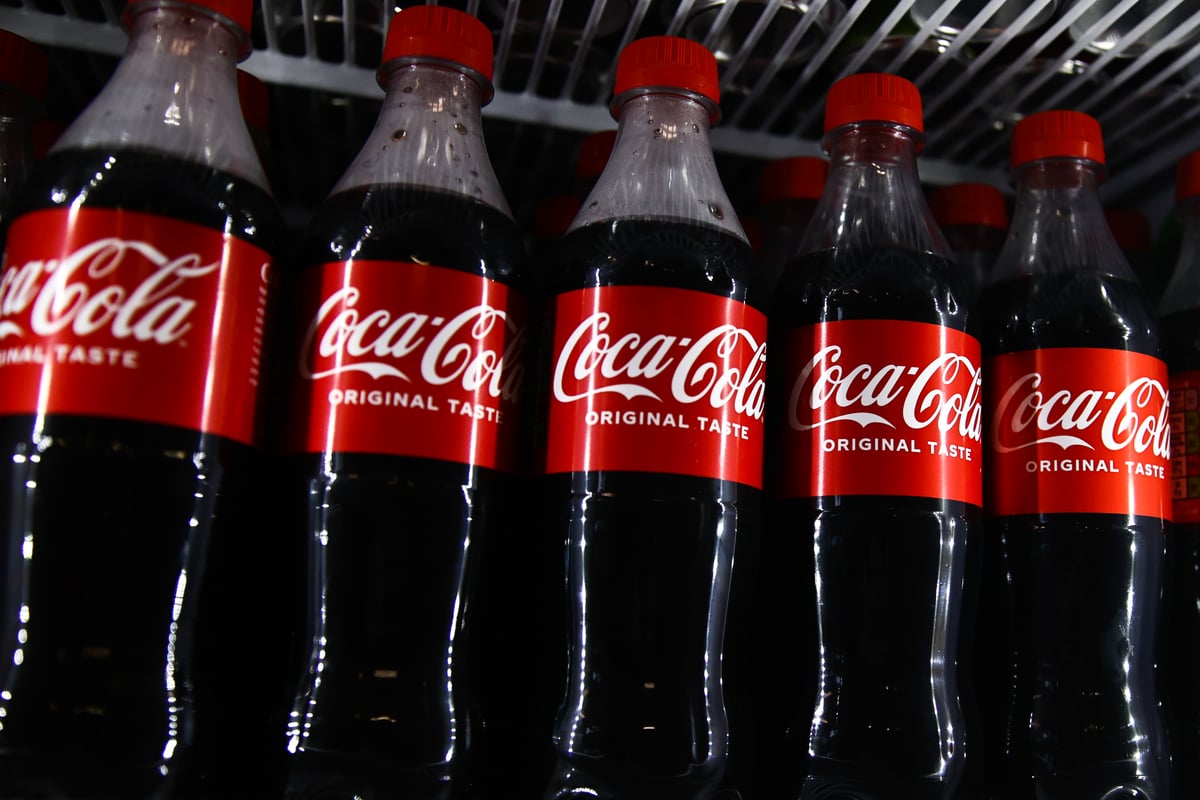
- Brand Influence: Coca-Cola sells over 200 drink brands in more than 200 countries, leveraging its long history and customer loyalty to ensure brand durability and market relevance.
- Financial Performance: As of Q4 2025, a 4% price increase contributed to stable revenue growth, with a trailing five-year average operating margin of 28.3%, demonstrating strong profitability.
- Dividend Policy: Last month, Coca-Cola's board raised the quarterly dividend from $0.51 to $0.53, marking the 64th consecutive year of dividend increases, solidifying its status as the 'ultimate dividend stock.'
- Market Outlook: Although Coca-Cola's P/E ratio stands at 25.6, indicating that its stock is not cheap, its stable operational model continues to attract investors seeking safe investments in a rapidly changing economic landscape.
See More
Investment Comparison: Coca-Cola vs. PepsiCo

- Market Position: Coca-Cola and PepsiCo dominate the consumer goods sector, with Coca-Cola focusing solely on beverages while PepsiCo includes snacks, resulting in PepsiCo's revenue typically being double that of Coca-Cola, highlighting its diversified business model.
- Shareholder Returns: PepsiCo has increased its dividend by 89% over the past decade compared to Coca-Cola's 51%, indicating a more aggressive approach to returning value to shareholders, appealing to investors seeking higher returns.
- Market Performance: While neither company exhibits tech-like growth potential, PepsiCo boasts a dividend yield of 3.64% and a market cap of $214 billion, showcasing its advantages in stability and profitability.
- Investment Choice: For investors seeking stable investments, Coca-Cola is more attractive due to its high margins and safety, whereas PepsiCo is a better choice for those looking for higher returns due to its diversification and rapid shareholder value return.
See More

Comparison of Coca-Cola and PepsiCo's Business Strategies
- Business Efficiency Comparison: Coca-Cola focuses solely on beverages, resulting in higher operational efficiency; however, PepsiCo's revenue is routinely double that of Coca-Cola, highlighting its advantage in product diversification.
- Dividend Growth Discrepancy: PepsiCo has increased its dividend by 89% over the past decade compared to Coca-Cola's 51%, indicating a more aggressive approach to shareholder returns, which attracts more investor interest.
- Investment Safety: Coca-Cola is viewed as a safer investment choice due to its high margins and stability, appealing to investors seeking consistent income, while PepsiCo offers higher growth potential, making it suitable for those pursuing capital appreciation.
- Market Performance: Although both companies are Dividend Kings, PepsiCo's superior performance in shareholder returns stands out, prompting investors to consider their individual investment goals and risk tolerance when making choices.
See More

Schwab U.S. Dividend ETF Surges Amid Market Uncertainty

- Strong ETF Performance: In 2026, the Schwab U.S. Dividend Equity ETF (SCHD) has surged 13% while the S&P 500 has fallen nearly 2%, showcasing its appeal to investors seeking safety and stability amid economic uncertainty.
- Risk Mitigation Strategy: With a five-year average beta of 0.65, indicating lower volatility than the overall market, investors are inclined to choose this ETF to reduce risk in light of concerning economic conditions and rising oil prices.
- Attractive Dividend Yield: The Schwab ETF offers a dividend yield of 3.3%, more than double the S&P 500's average of 1.2%, providing a strong incentive for investors to hold amid market uncertainty, especially with investments in financially robust companies like Verizon, Chevron, and Coca-Cola.
- Long-Term Investment Value: Despite market struggles, the Schwab ETF, with significant holdings in stable sectors such as energy, consumer staples, and healthcare, represents an ideal long-term investment choice, offering stability and dividend income as a foundational element of a diversified portfolio.
See More

Coca-Cola Revives Partnership with NBA for Sprite
- Global Marketing Partnership: Coca-Cola has announced a new multiyear global marketing partnership with the NBA, reinstating Sprite as the league's Official Global Soft Drink Partner, replacing PepsiCo's Starry, marking a revival of their long-standing collaboration since 1986.
- Cultural Integration: Through this partnership, Sprite aims to launch immersive fan experiences and custom content globally, enhancing its connection with the younger generation by engaging in 'Obey Your Thirst' campaigns and NBA global events.
- Star Endorsement: 2026 NBA All-Star Game MVP Anthony Edwards will serve as a key face of the renewed alliance, reflecting Sprite's emphasis on individuality and self-expression, which is expected to strengthen brand appeal among young consumers.
- Promotional Activities: The partnership will feature limited-edition Sprite cans representing various NBA teams and broader global marketing campaigns, enhancing Coca-Cola's market presence and competitive position in the beverage industry.
See More

Coca-Cola Reunites Sprite with NBA as Official Partner
- Brand Reunion: Coca-Cola has formed a global marketing partnership with the NBA, bringing Sprite back as the official beverage partner, which marks a significant return of their deep-rooted connection in basketball culture, likely enhancing brand recognition and market influence.
- Cultural Impact: Since its first partnership with the NBA in 1986, Sprite has closely intertwined with basketball through various cultural activities across North America, Asia, Latin America, and Europe, which is expected to further strengthen its brand image in global markets.
- New Generation Ambassador: 2026 NBA All-Star Game MVP Anthony Edwards will continue his partnership with Sprite, representing a new generation of basketball stars, which is anticipated to attract younger consumers and enhance brand loyalty.
- Global Event Promotion: Sprite will activate across major NBA events and international activities, including custom content series and exclusive promotions, which is expected to enhance fan engagement and brand interaction through immersive experiences.
See More
Coca-Cola: Stability in Brand and Dividend Growth
- Brand Influence: Coca-Cola sells over 200 drink brands in more than 200 countries, leveraging its long history and customer loyalty to ensure brand durability and market relevance.
- Financial Performance: As of Q4 2025, a 4% price increase contributed to stable revenue growth, with a trailing five-year average operating margin of 28.3%, demonstrating strong profitability.
- Dividend Policy: Last month, Coca-Cola's board raised the quarterly dividend from $0.51 to $0.53, marking the 64th consecutive year of dividend increases, solidifying its status as the 'ultimate dividend stock.'
- Market Outlook: Although Coca-Cola's P/E ratio stands at 25.6, indicating that its stock is not cheap, its stable operational model continues to attract investors seeking safe investments in a rapidly changing economic landscape.
See More
Investment Comparison: Coca-Cola vs. PepsiCo
- Market Position: Coca-Cola and PepsiCo dominate the consumer goods sector, with Coca-Cola focusing solely on beverages while PepsiCo includes snacks, resulting in PepsiCo's revenue typically being double that of Coca-Cola, highlighting its diversified business model.
- Shareholder Returns: PepsiCo has increased its dividend by 89% over the past decade compared to Coca-Cola's 51%, indicating a more aggressive approach to returning value to shareholders, appealing to investors seeking higher returns.
- Market Performance: While neither company exhibits tech-like growth potential, PepsiCo boasts a dividend yield of 3.64% and a market cap of $214 billion, showcasing its advantages in stability and profitability.
- Investment Choice: For investors seeking stable investments, Coca-Cola is more attractive due to its high margins and safety, whereas PepsiCo is a better choice for those looking for higher returns due to its diversification and rapid shareholder value return.
See More
Comparison of Coca-Cola and PepsiCo's Business Strategies
- Business Efficiency Comparison: Coca-Cola focuses solely on beverages, resulting in higher operational efficiency; however, PepsiCo's revenue is routinely double that of Coca-Cola, highlighting its advantage in product diversification.
- Dividend Growth Discrepancy: PepsiCo has increased its dividend by 89% over the past decade compared to Coca-Cola's 51%, indicating a more aggressive approach to shareholder returns, which attracts more investor interest.
- Investment Safety: Coca-Cola is viewed as a safer investment choice due to its high margins and stability, appealing to investors seeking consistent income, while PepsiCo offers higher growth potential, making it suitable for those pursuing capital appreciation.
- Market Performance: Although both companies are Dividend Kings, PepsiCo's superior performance in shareholder returns stands out, prompting investors to consider their individual investment goals and risk tolerance when making choices.
See More
Schwab U.S. Dividend ETF Surges Amid Market Uncertainty
- Strong ETF Performance: In 2026, the Schwab U.S. Dividend Equity ETF (SCHD) has surged 13% while the S&P 500 has fallen nearly 2%, showcasing its appeal to investors seeking safety and stability amid economic uncertainty.
- Risk Mitigation Strategy: With a five-year average beta of 0.65, indicating lower volatility than the overall market, investors are inclined to choose this ETF to reduce risk in light of concerning economic conditions and rising oil prices.
- Attractive Dividend Yield: The Schwab ETF offers a dividend yield of 3.3%, more than double the S&P 500's average of 1.2%, providing a strong incentive for investors to hold amid market uncertainty, especially with investments in financially robust companies like Verizon, Chevron, and Coca-Cola.
- Long-Term Investment Value: Despite market struggles, the Schwab ETF, with significant holdings in stable sectors such as energy, consumer staples, and healthcare, represents an ideal long-term investment choice, offering stability and dividend income as a foundational element of a diversified portfolio.
See More
Coca-Cola Revives Partnership with NBA for Sprite
- Global Marketing Partnership: Coca-Cola has announced a new multiyear global marketing partnership with the NBA, reinstating Sprite as the league's Official Global Soft Drink Partner, replacing PepsiCo's Starry, marking a revival of their long-standing collaboration since 1986.
- Cultural Integration: Through this partnership, Sprite aims to launch immersive fan experiences and custom content globally, enhancing its connection with the younger generation by engaging in 'Obey Your Thirst' campaigns and NBA global events.
- Star Endorsement: 2026 NBA All-Star Game MVP Anthony Edwards will serve as a key face of the renewed alliance, reflecting Sprite's emphasis on individuality and self-expression, which is expected to strengthen brand appeal among young consumers.
- Promotional Activities: The partnership will feature limited-edition Sprite cans representing various NBA teams and broader global marketing campaigns, enhancing Coca-Cola's market presence and competitive position in the beverage industry.
See More
Coca-Cola Reunites Sprite with NBA as Official Partner
- Brand Reunion: Coca-Cola has formed a global marketing partnership with the NBA, bringing Sprite back as the official beverage partner, which marks a significant return of their deep-rooted connection in basketball culture, likely enhancing brand recognition and market influence.
- Cultural Impact: Since its first partnership with the NBA in 1986, Sprite has closely intertwined with basketball through various cultural activities across North America, Asia, Latin America, and Europe, which is expected to further strengthen its brand image in global markets.
- New Generation Ambassador: 2026 NBA All-Star Game MVP Anthony Edwards will continue his partnership with Sprite, representing a new generation of basketball stars, which is anticipated to attract younger consumers and enhance brand loyalty.
- Global Event Promotion: Sprite will activate across major NBA events and international activities, including custom content series and exclusive promotions, which is expected to enhance fan engagement and brand interaction through immersive experiences.
See More