CME Group to Launch 100-Ounce Silver Futures on February 9, 2026
Written by Emily J. Thompson, Senior Investment Analyst
Updated: Jan 13 2026
0mins

Source: Yahoo Finance
- New Futures Contract: CME Group is set to launch a 100-ounce silver futures contract on February 9, 2026, aimed at meeting retail traders' demand for diversified metal investments amid geopolitical uncertainties and energy transitions.
- Surge in Market Demand: In 2025, CME Group recorded unprecedented trading volumes in metal futures, with Micro Gold futures averaging 301,000 contracts daily and Micro Silver futures at 48,000 contracts, indicating strong retail interest in metal futures.
- Lower Trading Barriers: The new contract allows traders to participate in the silver market with less capital, enhancing market liquidity and efficiency, aligning with CME Group's mission to democratize finance and increasing customer trading flexibility.
- Global Market Impact: The 100-ounce silver futures will be financially settled based on the daily settlement price of the global benchmark silver futures contract, expected to attract more international clients and further solidify CME Group's leadership in the global derivatives market.
Trade with 70% Backtested Accuracy
Stop guessing "Should I Buy CME?" and start using high-conviction signals backed by rigorous historical data.
Sign up today to access powerful investing tools and make smarter, data-driven decisions.
Analyst Views on CME
Wall Street analysts forecast CME stock price to rise
10 Analyst Rating
4 Buy
4 Hold
2 Sell
Hold
Current: 240.750

Low
209.00
Averages
285.90
High
320.00
Current: 240.750
Low
209.00
Averages
285.90
High
320.00
About CME
CME Group Inc. provides a derivatives marketplace. The Company enables clients to trade futures, options, cash and over the counter (OTC) markets, optimize portfolios, and analyze data. It exchanges offer a range of global benchmark products across all major asset classes based on interest rates, equity indexes, foreign exchange (FX), energy, agricultural products and metals. It offers futures and options on futures trading through the CME Globex platform, fixed income trading via BrokerTec and FX trading on the EBS platform. In addition, it operates central counterparty clearing provider, CME Clearing. Its products provide a means for hedging, speculation and asset allocation related to the risks associated with, among other things, interest rate sensitive instruments, and changes in the prices of agricultural, energy and metal commodities. It provides clearing and settlement services for a range of exchange-traded futures and options on futures contracts and OTC derivatives.
About the author

Emily J. Thompson
Emily J. Thompson, a Chartered Financial Analyst (CFA) with 12 years in investment research, graduated with honors from the Wharton School. Specializing in industrial and technology stocks, she provides in-depth analysis for Intellectia’s earnings and market brief reports.
Fed's Rate Hike Expectations and Policy Direction


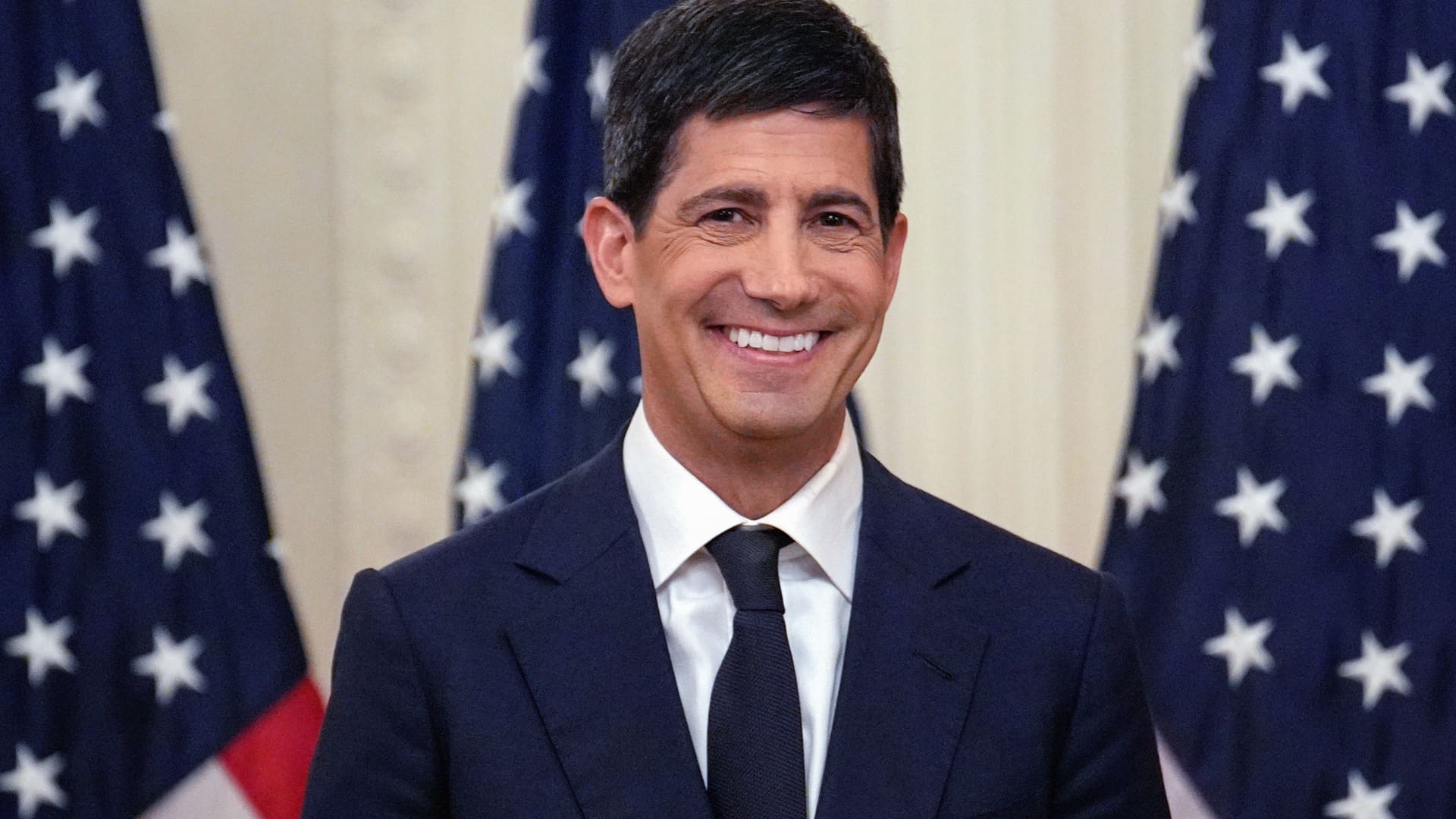
- Rate Hike Expectations: Federal Reserve officials indicated a potential interest rate hike within 2026, yet historical patterns suggest the Fed typically engages in multiple adjustments to meet economic goals, which may create market tension regarding future policy directions.
- Inflation Challenges: With inflation rates consistently above the 2% target, some officials believe easing tensions in the Middle East and declining oil prices could help alleviate price increases, but significant disagreement on future inflation trends may complicate policy decisions.
- Decreased Policy Transparency: Incoming Chairman Kevin Warsh is expected to reduce the transparency of FOMC meeting minutes, leading to a more opaque understanding of internal discussions, which could affect investor decisions and market reactions.
- Market Reactions: While markets generally anticipate a rate hike as early as September, some analysts argue that the Fed may need to adopt more aggressive measures before the end of the year to combat inflation pressures, particularly against the backdrop of political risks ahead of the elections.
See More
Market Volatility and Challenges During Trump's Presidency
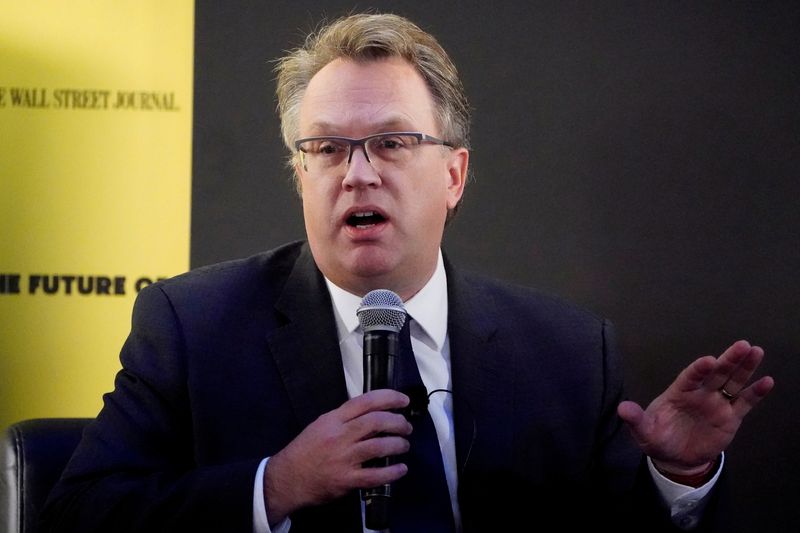
- Historical Valuation Pressure: The S&P 500's Shiller P/E Ratio reached 42.84 in June, just 3.5% shy of the all-time high of 44.19 from 1999, indicating that such high valuations could lead to declines of over 20% in the future, posing significant risks for investors.
- Trumpflation Impact: The ongoing Iran conflict has pushed U.S. inflation to a three-year high of 4.2% in May, which may compel the Federal Reserve to raise interest rates before the end of 2026, increasing borrowing costs and potentially stifling the AI infrastructure build-out that has driven the market rally.
- Midterm Election Uncertainty: The upcoming midterm elections could disrupt the composition of Congress, with historical data showing an average peak-to-trough drawdown of 17.5% for the S&P 500 during midterm years, which could exacerbate market volatility and affect investor confidence.
- Investor Sentiment Shift: As the election season heats up, investor appetite for high-valued AI stocks and defense companies may wane, negatively impacting the stock market, particularly in sectors that have benefited from a unified government over the past year and a half.
See More
Analysis of Stock Market Performance During Trump's Presidency
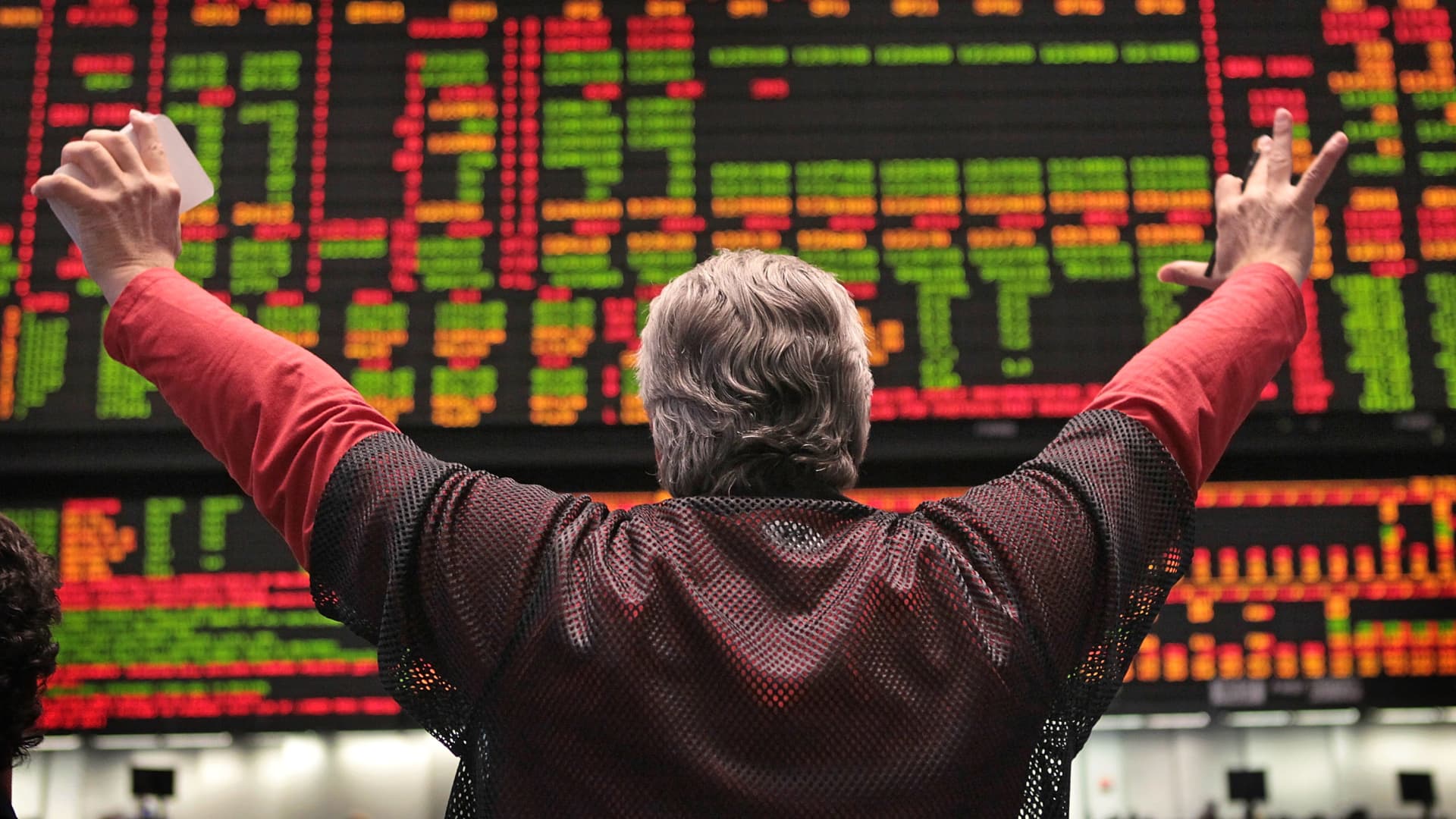
- Market Return Trends: During Trump's presidency, the S&P 500 and Nasdaq Composite surged by 70% and 142% respectively, indicating strong market performance; however, short-term challenges may arise.
- Valuation Pressure: The S&P 500's Shiller P/E Ratio reached 42.84 in June, nearing the historical peak of 44.19, suggesting that current market valuations may be unsustainable and could lead to future corrections.
- Inflation Impact: The Trump-led Iran conflict has pushed U.S. inflation to a three-year high of 4.2% in May, which may prompt the Federal Reserve to raise interest rates, increasing borrowing costs and potentially dampening market activity.
- Midterm Election Risks: Midterm elections typically induce market volatility, with historical data showing an average drawdown of 17.5% for the S&P 500 during election years, necessitating cautious investor strategies in light of potential market uncertainties.
See More
CME Group Reports Q2 Average Daily Volume of 29.8M Contracts
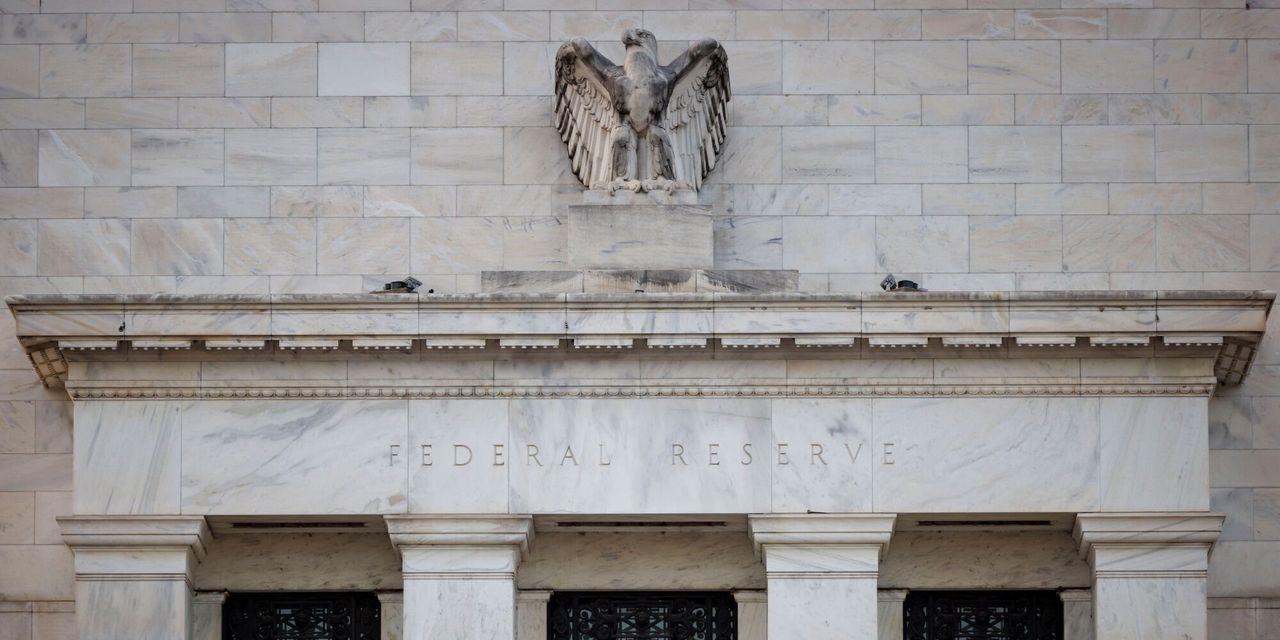
- Volume Performance: CME Group's average daily volume for Q2 reached 29.8 million contracts, a 1% year-over-year decline, yet remains the second highest in the history of the derivatives market, indicating sustained market activity.
- Interest Rate Contract Dynamics: The average daily volume for interest rate contracts was 14.5 million, down 6% year-over-year, reflecting a cautious market sentiment regarding interest rate fluctuations, which may impact future rate policy expectations.
- Equity Index Growth: Equity index contracts saw an average daily volume of 8.6 million, up 13% year-over-year, suggesting increased investor confidence in the stock market, potentially driving demand for related financial products.
- Energy and Agricultural Contract Volatility: Energy contracts averaged 2.7 million contracts daily, down 13% year-over-year, while agricultural contracts averaged 2.1 million, up 6%, highlighting varying market volatility and diverse investor strategies.
See More

Gold Price Fluctuations and Investment Outlook
- Gold Price Review: Gold prices surged by 64% last year as investors flocked to safe-haven assets amid rising economic and political uncertainties; however, the price has since dropped by 27% from its all-time high, currently trading below $4,000 per ounce, indicating a shift in market sentiment.
- Inflation and Interest Rate Impact: The U.S. budget deficit reached $1.8 trillion in fiscal 2025, with another trillion-dollar deficit projected for fiscal 2026, pushing national debt towards $40 trillion, which has weakened demand for gold as investors react to the Federal Reserve's hawkish stance, reflecting uncertainty in future economic policies.
- Investment Strategy Adjustment: While gold is considered a good long-term investment, experts recommend that investors limit their gold allocation to 5% to 15% of total assets to ensure some protection during periods of high demand for safe-haven assets.
- ETF Investment Convenience: Many investors opt for exchange-traded funds (ETFs) like SPDR Gold Trust for gold investment, which offers convenience and low annual fees of just 0.4%, allowing investors to adjust their portfolios more flexibly amid gold market fluctuations.
See More

U.S. Economy Adds 57,000 Jobs in June, Unemployment Rate at 4.2%
- Job Growth Slowdown: The U.S. added 57,000 nonfarm jobs in June, significantly lower than the revised 129,000 in May and below the 115,000 forecast, indicating a cooling economy that could dampen consumer confidence and spending.
- Unemployment Rate Shift: While the unemployment rate fell to 4.2%, the labor force participation rate dropped by 0.3 percentage points to 61.5%, the lowest since March 2021, reflecting underlying weaknesses in the labor market that may prompt policymakers to reassess economic outlooks.
- Stable Wage Growth: Average hourly earnings rose by 0.3% for the month and 3.5% year-over-year, aligning with consensus forecasts, suggesting that despite slower job growth, wage levels remain stable, which could support household consumption.
- Mixed Industry Performance: Professional and business services added 36,000 jobs, while leisure and hospitality lost 61,000, highlighting significant disparities across sectors that may affect the overall balance of economic recovery.
See More
Fed's Rate Hike Expectations and Policy Direction
- Rate Hike Expectations: Federal Reserve officials indicated a potential interest rate hike within 2026, yet historical patterns suggest the Fed typically engages in multiple adjustments to meet economic goals, which may create market tension regarding future policy directions.
- Inflation Challenges: With inflation rates consistently above the 2% target, some officials believe easing tensions in the Middle East and declining oil prices could help alleviate price increases, but significant disagreement on future inflation trends may complicate policy decisions.
- Decreased Policy Transparency: Incoming Chairman Kevin Warsh is expected to reduce the transparency of FOMC meeting minutes, leading to a more opaque understanding of internal discussions, which could affect investor decisions and market reactions.
- Market Reactions: While markets generally anticipate a rate hike as early as September, some analysts argue that the Fed may need to adopt more aggressive measures before the end of the year to combat inflation pressures, particularly against the backdrop of political risks ahead of the elections.
See More
Market Volatility and Challenges During Trump's Presidency
- Historical Valuation Pressure: The S&P 500's Shiller P/E Ratio reached 42.84 in June, just 3.5% shy of the all-time high of 44.19 from 1999, indicating that such high valuations could lead to declines of over 20% in the future, posing significant risks for investors.
- Trumpflation Impact: The ongoing Iran conflict has pushed U.S. inflation to a three-year high of 4.2% in May, which may compel the Federal Reserve to raise interest rates before the end of 2026, increasing borrowing costs and potentially stifling the AI infrastructure build-out that has driven the market rally.
- Midterm Election Uncertainty: The upcoming midterm elections could disrupt the composition of Congress, with historical data showing an average peak-to-trough drawdown of 17.5% for the S&P 500 during midterm years, which could exacerbate market volatility and affect investor confidence.
- Investor Sentiment Shift: As the election season heats up, investor appetite for high-valued AI stocks and defense companies may wane, negatively impacting the stock market, particularly in sectors that have benefited from a unified government over the past year and a half.
See More
Analysis of Stock Market Performance During Trump's Presidency
- Market Return Trends: During Trump's presidency, the S&P 500 and Nasdaq Composite surged by 70% and 142% respectively, indicating strong market performance; however, short-term challenges may arise.
- Valuation Pressure: The S&P 500's Shiller P/E Ratio reached 42.84 in June, nearing the historical peak of 44.19, suggesting that current market valuations may be unsustainable and could lead to future corrections.
- Inflation Impact: The Trump-led Iran conflict has pushed U.S. inflation to a three-year high of 4.2% in May, which may prompt the Federal Reserve to raise interest rates, increasing borrowing costs and potentially dampening market activity.
- Midterm Election Risks: Midterm elections typically induce market volatility, with historical data showing an average drawdown of 17.5% for the S&P 500 during election years, necessitating cautious investor strategies in light of potential market uncertainties.
See More
CME Group Reports Q2 Average Daily Volume of 29.8M Contracts
- Volume Performance: CME Group's average daily volume for Q2 reached 29.8 million contracts, a 1% year-over-year decline, yet remains the second highest in the history of the derivatives market, indicating sustained market activity.
- Interest Rate Contract Dynamics: The average daily volume for interest rate contracts was 14.5 million, down 6% year-over-year, reflecting a cautious market sentiment regarding interest rate fluctuations, which may impact future rate policy expectations.
- Equity Index Growth: Equity index contracts saw an average daily volume of 8.6 million, up 13% year-over-year, suggesting increased investor confidence in the stock market, potentially driving demand for related financial products.
- Energy and Agricultural Contract Volatility: Energy contracts averaged 2.7 million contracts daily, down 13% year-over-year, while agricultural contracts averaged 2.1 million, up 6%, highlighting varying market volatility and diverse investor strategies.
See More
Gold Price Fluctuations and Investment Outlook
- Gold Price Review: Gold prices surged by 64% last year as investors flocked to safe-haven assets amid rising economic and political uncertainties; however, the price has since dropped by 27% from its all-time high, currently trading below $4,000 per ounce, indicating a shift in market sentiment.
- Inflation and Interest Rate Impact: The U.S. budget deficit reached $1.8 trillion in fiscal 2025, with another trillion-dollar deficit projected for fiscal 2026, pushing national debt towards $40 trillion, which has weakened demand for gold as investors react to the Federal Reserve's hawkish stance, reflecting uncertainty in future economic policies.
- Investment Strategy Adjustment: While gold is considered a good long-term investment, experts recommend that investors limit their gold allocation to 5% to 15% of total assets to ensure some protection during periods of high demand for safe-haven assets.
- ETF Investment Convenience: Many investors opt for exchange-traded funds (ETFs) like SPDR Gold Trust for gold investment, which offers convenience and low annual fees of just 0.4%, allowing investors to adjust their portfolios more flexibly amid gold market fluctuations.
See More
U.S. Economy Adds 57,000 Jobs in June, Unemployment Rate at 4.2%
- Job Growth Slowdown: The U.S. added 57,000 nonfarm jobs in June, significantly lower than the revised 129,000 in May and below the 115,000 forecast, indicating a cooling economy that could dampen consumer confidence and spending.
- Unemployment Rate Shift: While the unemployment rate fell to 4.2%, the labor force participation rate dropped by 0.3 percentage points to 61.5%, the lowest since March 2021, reflecting underlying weaknesses in the labor market that may prompt policymakers to reassess economic outlooks.
- Stable Wage Growth: Average hourly earnings rose by 0.3% for the month and 3.5% year-over-year, aligning with consensus forecasts, suggesting that despite slower job growth, wage levels remain stable, which could support household consumption.
- Mixed Industry Performance: Professional and business services added 36,000 jobs, while leisure and hospitality lost 61,000, highlighting significant disparities across sectors that may affect the overall balance of economic recovery.
See More