CME Group Launches 24/7 Trading for Cryptocurrency Futures and Options
CME Group announced it launched 24/7 trading for Cryptocurrency futures and options. The expanded trading hours, which went live on Friday, May 29, mark a "significant milestone" in providing global market participants with always-on access to regulated digital asset risk management tools, the company said. Over its inaugural weekend, more than 7,200 Cryptocurrency futures and options contracts were traded, demonstrating immediate liquidity and clear demand for transparent, trusted markets. Volume was supported by a healthy ecosystem of retail and institutional firms. "By offering continuous liquidity over the weekend, we are meeting client demand and bridging the gap between traditional regulated venues and the 24/7 nature of crypto assets," said Tim McCourt, Global Head of Equities, FX and Alternative Products at CME Group. "Since we introduced our first Bitcoin futures contract in 2017, the ecosystem has evolved in so many ways. Shifting to an always-on model represents the next natural evolution for the marketplace, ensuring CME Group continues to provide the continuous price discovery and trading confidence global investors require." Also starting Monday, Bitcoin Volatility futures are now available to trade 24/7. These first-of-their kind regulated products are designed to help investors manage risk and trade their view on the 30-day implied volatility of bitcoin, without taking a directional price position.
Trade with 70% Backtested Accuracy
Analyst Views on CME

About CME
About the author


Rising Oil Prices Trigger Inflation Concerns

- Inflation Surge: The Consumer Price Index (CPI) for April registered an annualized rate of 3.8%, nearly double the Federal Reserve's 2% target, indicating heightened inflationary pressures that could compel the Fed to raise interest rates, thereby impacting household budgets and corporate earnings.
- Producer Price Index Rise: The Producer Price Index (PPI) for April showed an annualized rate of 6%, with the energy component soaring by 22.7%, suggesting that businesses may pass these cost increases onto consumers, further exacerbating inflationary pressures in the coming months.
- Market Valuation Risks: The S&P 500 index currently trades at a price-to-earnings ratio of 39.5, making it the second-most expensive market in history, which poses significant downside risks for investors, as any external shock could trigger a sharp market correction.
- Interest Rate Hike Expectations: Wall Street anticipates at least one interest rate hike by January 2027, and if oil prices remain elevated, further hikes could follow, negatively affecting corporate profits and consumer spending.

US Inflation Surges, Rate Hike Likely Ahead
- Rising Inflation Data: The Consumer Price Index (CPI) for April 2026 reached an annualized rate of 3.8%, nearly double the Federal Reserve's 2% target, indicating escalating inflation pressures that may compel the Fed to raise interest rates again, thereby impacting corporate profitability.
- Surging Producer Price Index: The Producer Price Index (PPI) recorded an annualized rate of 6% in April, with the energy component soaring by 22.7%, suggesting that rising business costs could be passed on to consumers, further elevating future CPI readings.
- Oil Prices Impacting Inflation: Following Iran's closure of the Strait of Hormuz, West Texas Intermediate (WTI) crude prices surged to $120 per barrel, although currently at $89, high oil prices will continue to affect transportation costs, leading to increased consumer spending across various goods.
- Increased Market Risks: The S&P 500's current price-to-earnings ratio stands at 39.5, close to historical highs, indicating that any external shocks could trigger a sharp market correction, particularly in the context of rising interest rates, necessitating caution among investors regarding potential market volatility.

Trump Authorizes Military Strikes in Iran, Impacting Oil Supply and Inflation
- Oil Price Surge Impact: Trump's authorization of military strikes in Iran has led to a surge in global oil prices, with the International Energy Agency stating that the conflict has caused the largest oil supply disruption in history, affecting approximately 20 million barrels per day and pushing inflation to 3.8%, the highest level in three years.
- Fed Policy Shift Risks: Due to rising energy prices, Kevin Warsh may be forced to raise interest rates to combat inflation, and historical data shows that the S&P 500 and Nasdaq Composite have averaged declines of 7% and 8% respectively in the three months following the initiation of a new Fed rate hike cycle, posing significant pressure on the stock market.
- Liquidity Constraints: Warsh's plan to shrink the Fed's $6.7 trillion balance sheet could drain liquidity from the market, as banks and institutional investors would absorb excess Treasury bonds, leaving them with less cash for stocks, which could negatively impact stock prices.
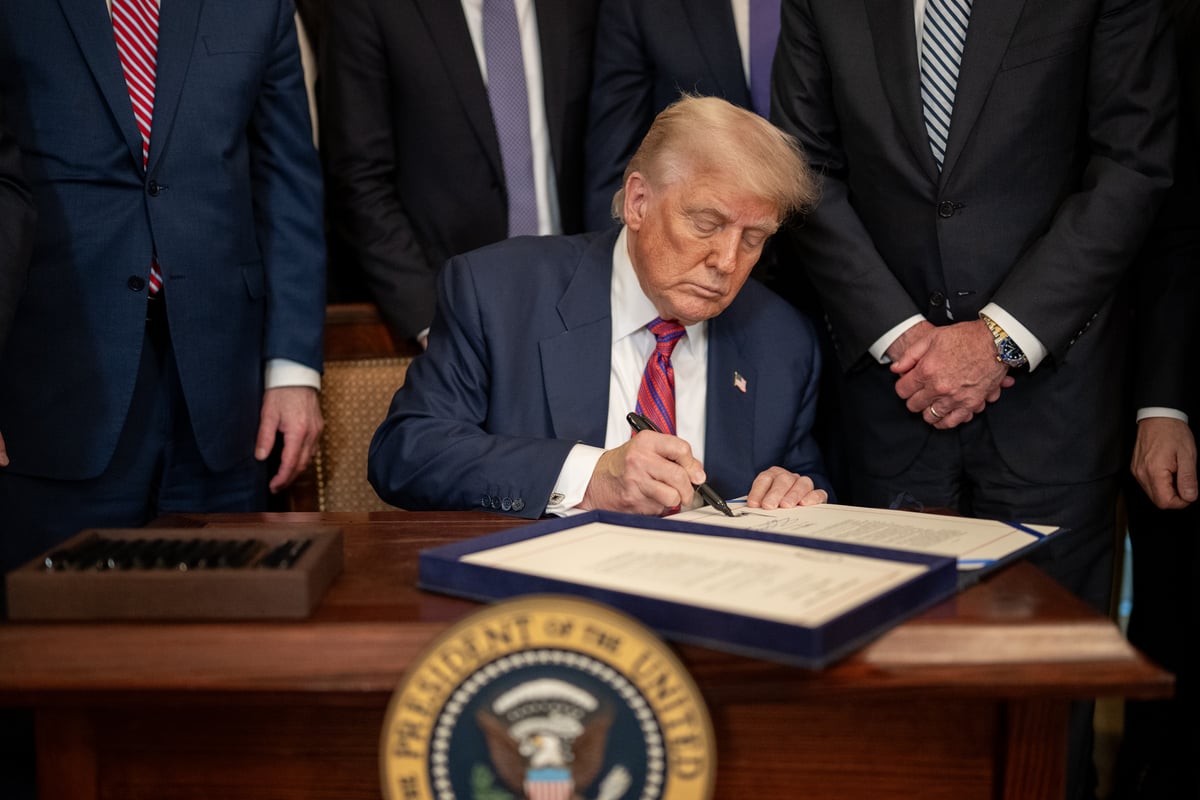
- Political Interference Consequences: Trump's influence over the Fed may lead to unnecessary interest rate cuts, potentially resulting in rising inflation; doubts about the Fed's independence could destabilize the bond market, ultimately affecting stock market performance and creating a counterproductive effect to Trump's desired lower rates.
U.S. Stock Market Faces Rate Hike Risks
- Market Performance Review: Over the past year, the S&P 500 has risen by 30% and the Nasdaq Composite by 42%, demonstrating market resilience and investor confidence despite increasing economic uncertainty.
- Rate Policy Challenges: New Fed Chair Kevin Warsh faces pressure from Trump, and while the market had anticipated rate cuts, rising oil prices and the Iran conflict make rate hikes almost inevitable, which could lead to stock market declines.
- Inflationary Pressures Intensify: The Consumer Price Index rose to 3.8% in April, the highest in three years, with forecasts suggesting acceleration to 6.5% in Q2, further impacting consumer spending and corporate earnings growth.
- Liquidity Risks: Warsh's plan to shrink the Fed's $6.7 trillion balance sheet could drain market liquidity, and if he simultaneously lowers rates, it may raise questions about the Fed's independence, potentially destabilizing both the bond and stock markets.
China Designs Futures Market for AI Tokens

- Futures Market Design: China is designing a futures market for AI tokens, with the Shanghai Futures Exchange in preliminary stages aimed at providing new financial instruments for pricing AI services, thereby enhancing domestic companies' ability to hedge against computing costs.
- Competitive Market Context: This initiative contrasts with the U.S. CME Group and Intercontinental Exchange's launch of GPU compute futures, highlighting China's strategic intent in the AI sector, which could influence global AI supply chain dynamics.
- Surge in Token Usage: Since the beginning of 2024, China's daily token usage has skyrocketed to over 140 trillion, reflecting a 1,000-fold increase, indicating strong market demand for computing power and driving the development of futures products.
- Potential for New Asset Class: BlackRock's CEO noted that the surging demand for tokens could spawn an entirely new asset class, further enhancing China's financial position in the competitive landscape of AI and semiconductor technology.
Rising Treasury Yields Signal Stock Market Risks Amid Inflation

- Bond Market Alarm: Treasury yields have surged in recent months as investors anticipate the Federal Reserve will raise rates to combat inflation linked to the Iran war, with the 1-year Treasury yield reaching 3.86%, up 38 basis points from last month, indicating growing concerns about a potential economic slowdown.
- Inflationary Pressures: Oil prices have surged to multi-year highs, causing the Consumer Price Index (CPI) to accelerate to 3.8% in April, with projections suggesting it could rise to 6.7% in the second quarter, exerting persistent inflationary pressure on manufacturing and transportation costs.
- Historical Trends Warning: Since 1999, every rate-hike cycle initiated by the Federal Reserve has led to declines in the S&P 500, with drops ranging from 1% to 17% and an average drawdown of 7%, suggesting that current rate hike expectations could pose significant risks to the stock market.
- Investor Sentiment Shift: The CME Group's FedWatch tool indicates that investors initially expected two rate cuts in 2023, but now foresee a rate hike by January 2027, reflecting a growing pessimism about future economic conditions and potential impacts on stock performance.
Rising Oil Prices Trigger Inflation Concerns
- Inflation Surge: The Consumer Price Index (CPI) for April registered an annualized rate of 3.8%, nearly double the Federal Reserve's 2% target, indicating heightened inflationary pressures that could compel the Fed to raise interest rates, thereby impacting household budgets and corporate earnings.
- Producer Price Index Rise: The Producer Price Index (PPI) for April showed an annualized rate of 6%, with the energy component soaring by 22.7%, suggesting that businesses may pass these cost increases onto consumers, further exacerbating inflationary pressures in the coming months.
- Market Valuation Risks: The S&P 500 index currently trades at a price-to-earnings ratio of 39.5, making it the second-most expensive market in history, which poses significant downside risks for investors, as any external shock could trigger a sharp market correction.
- Interest Rate Hike Expectations: Wall Street anticipates at least one interest rate hike by January 2027, and if oil prices remain elevated, further hikes could follow, negatively affecting corporate profits and consumer spending.
US Inflation Surges, Rate Hike Likely Ahead
- Rising Inflation Data: The Consumer Price Index (CPI) for April 2026 reached an annualized rate of 3.8%, nearly double the Federal Reserve's 2% target, indicating escalating inflation pressures that may compel the Fed to raise interest rates again, thereby impacting corporate profitability.
- Surging Producer Price Index: The Producer Price Index (PPI) recorded an annualized rate of 6% in April, with the energy component soaring by 22.7%, suggesting that rising business costs could be passed on to consumers, further elevating future CPI readings.
- Oil Prices Impacting Inflation: Following Iran's closure of the Strait of Hormuz, West Texas Intermediate (WTI) crude prices surged to $120 per barrel, although currently at $89, high oil prices will continue to affect transportation costs, leading to increased consumer spending across various goods.
- Increased Market Risks: The S&P 500's current price-to-earnings ratio stands at 39.5, close to historical highs, indicating that any external shocks could trigger a sharp market correction, particularly in the context of rising interest rates, necessitating caution among investors regarding potential market volatility.
Trump Authorizes Military Strikes in Iran, Impacting Oil Supply and Inflation
- Oil Price Surge Impact: Trump's authorization of military strikes in Iran has led to a surge in global oil prices, with the International Energy Agency stating that the conflict has caused the largest oil supply disruption in history, affecting approximately 20 million barrels per day and pushing inflation to 3.8%, the highest level in three years.
- Fed Policy Shift Risks: Due to rising energy prices, Kevin Warsh may be forced to raise interest rates to combat inflation, and historical data shows that the S&P 500 and Nasdaq Composite have averaged declines of 7% and 8% respectively in the three months following the initiation of a new Fed rate hike cycle, posing significant pressure on the stock market.
- Liquidity Constraints: Warsh's plan to shrink the Fed's $6.7 trillion balance sheet could drain liquidity from the market, as banks and institutional investors would absorb excess Treasury bonds, leaving them with less cash for stocks, which could negatively impact stock prices.
- Political Interference Consequences: Trump's influence over the Fed may lead to unnecessary interest rate cuts, potentially resulting in rising inflation; doubts about the Fed's independence could destabilize the bond market, ultimately affecting stock market performance and creating a counterproductive effect to Trump's desired lower rates.
U.S. Stock Market Faces Rate Hike Risks
- Market Performance Review: Over the past year, the S&P 500 has risen by 30% and the Nasdaq Composite by 42%, demonstrating market resilience and investor confidence despite increasing economic uncertainty.
- Rate Policy Challenges: New Fed Chair Kevin Warsh faces pressure from Trump, and while the market had anticipated rate cuts, rising oil prices and the Iran conflict make rate hikes almost inevitable, which could lead to stock market declines.
- Inflationary Pressures Intensify: The Consumer Price Index rose to 3.8% in April, the highest in three years, with forecasts suggesting acceleration to 6.5% in Q2, further impacting consumer spending and corporate earnings growth.
- Liquidity Risks: Warsh's plan to shrink the Fed's $6.7 trillion balance sheet could drain market liquidity, and if he simultaneously lowers rates, it may raise questions about the Fed's independence, potentially destabilizing both the bond and stock markets.
China Designs Futures Market for AI Tokens
- Futures Market Design: China is designing a futures market for AI tokens, with the Shanghai Futures Exchange in preliminary stages aimed at providing new financial instruments for pricing AI services, thereby enhancing domestic companies' ability to hedge against computing costs.
- Competitive Market Context: This initiative contrasts with the U.S. CME Group and Intercontinental Exchange's launch of GPU compute futures, highlighting China's strategic intent in the AI sector, which could influence global AI supply chain dynamics.
- Surge in Token Usage: Since the beginning of 2024, China's daily token usage has skyrocketed to over 140 trillion, reflecting a 1,000-fold increase, indicating strong market demand for computing power and driving the development of futures products.
- Potential for New Asset Class: BlackRock's CEO noted that the surging demand for tokens could spawn an entirely new asset class, further enhancing China's financial position in the competitive landscape of AI and semiconductor technology.
Rising Treasury Yields Signal Stock Market Risks Amid Inflation
- Bond Market Alarm: Treasury yields have surged in recent months as investors anticipate the Federal Reserve will raise rates to combat inflation linked to the Iran war, with the 1-year Treasury yield reaching 3.86%, up 38 basis points from last month, indicating growing concerns about a potential economic slowdown.
- Inflationary Pressures: Oil prices have surged to multi-year highs, causing the Consumer Price Index (CPI) to accelerate to 3.8% in April, with projections suggesting it could rise to 6.7% in the second quarter, exerting persistent inflationary pressure on manufacturing and transportation costs.
- Historical Trends Warning: Since 1999, every rate-hike cycle initiated by the Federal Reserve has led to declines in the S&P 500, with drops ranging from 1% to 17% and an average drawdown of 7%, suggesting that current rate hike expectations could pose significant risks to the stock market.
- Investor Sentiment Shift: The CME Group's FedWatch tool indicates that investors initially expected two rate cuts in 2023, but now foresee a rate hike by January 2027, reflecting a growing pessimism about future economic conditions and potential impacts on stock performance.