

Chip Stocks Face Sell-Off, Investment Opportunities Emerge
Written by Emily J. Thompson, Senior Investment Analyst
Updated: 1 hour ago
0mins


Source: Fool
- Market Sell-Off Impact: Chip stocks, particularly Nvidia, ON Semiconductor, and Intel, have faced significant declines this week due to increasing doubts about the returns on AI spending, putting pressure on the entire sector and requiring investors to navigate market volatility cautiously.
- Nvidia's Strong Performance: Despite an 18% drop from its 52-week high, Nvidia reported an 85% year-over-year revenue increase to $81.6 billion in Q1 2027, with data center revenue soaring 92% to $75.2 billion, highlighting its robust position in the AI market.
- ON Semiconductor Acquisition Risks: ON Semiconductor's stock plummeted 23% following its announcement of a $7 billion acquisition of Synaptics, raising concerns about shareholder dilution and integration risks, even as its Q1 revenue grew 5% year-over-year, which may impact its stock performance in the short term.
- Intel's Turnaround Challenges: Intel's stock has rebounded to around $128 from a 52-week low, with Q1 revenue up 7% to $13.6 billion, and securing Tesla as a major customer; however, it still faces profitability issues, making its turnaround uncertain and requiring investor vigilance.
Trade with 70% Backtested Accuracy
Stop guessing "Should I Buy NVDA?" and start using high-conviction signals backed by rigorous historical data.
Sign up today to access powerful investing tools and make smarter, data-driven decisions.
Analyst Views on NVDA
Wall Street analysts forecast NVDA stock price to rise
41 Analyst Rating
39 Buy
1 Hold
1 Sell
Strong Buy
Current: 195.740

Low
200.00
Averages
264.97
High
352.00
Current: 195.740
Low
200.00
Averages
264.97
High
352.00
About NVDA
NVIDIA Corporation is an artificial intelligence (AI) infrastructure company. The Company is engaged in accelerated computing to help solve the challenging computational problems. Its segments include Compute & Networking and Graphics. The Compute & Networking segment includes its Data Center accelerated computing and networking platforms and AI solutions and software, and automotive platforms and autonomous and electric vehicle solutions, including software. The Graphics segment includes GeForce GPUs for gaming and personal computers (PCs), and Quadro/NVIDIA RTX GPUs for enterprise workstation graphics. Its technology stack includes the foundational NVIDIA CUDA development platform that runs on all NVIDIA GPUs, as well as hundreds of domain-specific software libraries, frameworks, algorithms, software development kits (SDKs), and application programming interfaces (APIs). Its platforms address four markets, which include Data Center, Gaming, Professional Visualization, and Automotive.
About the author

Emily J. Thompson
Emily J. Thompson, a Chartered Financial Analyst (CFA) with 12 years in investment research, graduated with honors from the Wharton School. Specializing in industrial and technology stocks, she provides in-depth analysis for Intellectia’s earnings and market brief reports.

Nvidia's Future Growth Potential Looks Promising

- Growth Drivers Analysis: Nvidia is projected to see $650 billion in data center capital expenditures by 2026, and with the upcoming launch of the Rubin chip architecture, significant revenue and profit growth is anticipated, reflecting strong market demand and technological advantages.
- Impact of Technological Upgrade: The Rubin chip architecture offers a 10-fold reduction in AI inference costs and a 4-fold reduction in training costs, and although it costs 25% more than Blackwell, it enables AI hyperscalers to achieve substantial performance gains at the same cost, further solidifying Nvidia's market position.
- Optimistic Financial Forecast: Analysts estimate Nvidia will achieve 81% revenue growth in FY 2027 and 41% in FY 2028, indicating strong growth potential in the rapidly expanding AI market, despite the market's underestimation of future growth.
- Investment Value Assessment: Despite an obviously strong upcoming year, Nvidia's stock price has not fully reflected its future growth potential, indicating that investing in Nvidia now could be a wise choice with low opportunity costs.
See More
Nvidia's Market Share in China Drops to Zero
- Market Share Loss: Nvidia's CEO Jensen Huang revealed that due to export restrictions, the company's chip market share in China has dropped to zero, with revenue from China plummeting from nearly $20 billion last year to approximately $4.5 billion in the first fiscal quarter, indicating a continued downward trend.
- New Product Opportunities: Despite challenges, Nvidia's new Vera central processing unit (CPU) is expected to open up a $200 billion market, with nearly $20 billion in CPU revenue anticipated this year, fully compensating for last year's revenue loss in China, showcasing the company's strong potential in new markets.
- Data Center Business Growth: Nvidia's data center business nearly doubled in the first quarter, reaching $75 billion in revenue, driven by innovations in response to surging AI demand, particularly through the integration of Vera CPUs with networking and accelerated computing systems.
- Optimistic Future Outlook: Analysts expect Nvidia's full-year revenue to increase by 81% year-over-year to $391 billion, with a consensus earnings estimate of $8.96 per share; despite uncertainties in the Chinese market, the growth opportunities from Vera CPUs remain unpriced in the stock's valuation.
See More

Analysis of SpaceX's Market Performance Post-IPO


- IPO Achievement and Market Position: SpaceX completed the largest IPO in history two weeks ago, briefly reaching a market cap of $2 trillion and becoming the fifth-largest company, generating significant investor excitement about its vision for a multiplanetary future.
- Poor Financial Performance: Despite a 33% year-over-year revenue increase to $18.7 billion in 2025, SpaceX reported a net loss of $4.9 billion, a stark contrast to the $791 million net income in 2024, raising doubts about the justification of its market valuation.
- Significant Political Risk: Approximately 20% of SpaceX's revenue comes from the U.S. federal government, providing a predictable income source, but potential shifts in government priorities could adversely affect budgets for space travel, posing risks to the company, especially given CEO Elon Musk's divisive political persona.
- Alternative Investment Strategies: Given the high risks associated with SpaceX, investors might consider the Procure Space ETF or the Tema Space Innovators ETF, which offer exposure to leading companies in the space industry while mitigating the risks tied to SpaceX.
See More

Nvidia's Stock Dips but Bullish Outlook Persists

- Market Share Stability: Despite competitive pressures, Nvidia maintains a robust 94% market share in the GPU sector, indicating its strong industry dominance, while competitors like AMD struggle to gain traction, underscoring Nvidia's formidable moat.
- New Platform Launch: The upcoming Vera Rubin platform is expected to significantly outperform the previous Blackwell architecture in terms of performance and cost efficiency, which will help Nvidia mitigate the threat posed by custom AI chips and further solidify its market position.
- Sustained Customer Demand: Amazon's CEO Andy Jassy has explicitly stated that the company will continue to purchase Nvidia products for the foreseeable future, while Alphabet plans to significantly increase capital expenditures next year, indicating ongoing demand for Nvidia's offerings that is likely to drive AI infrastructure investments in the coming years.
- New Market Opportunities: Nvidia is tapping into a new opportunity with the Vera CPU, as the shift towards agentic AI is expected to increase demand for CPUs, with Nvidia estimating this market could be worth $200 billion, further enhancing its long-term growth prospects.
See More

Nvidia's Dominance in GPU Market Remains Strong
- Market Share Advantage: Nvidia commands a 94% market share in the GPU sector, and despite competition from companies like Cerebras Systems, its hardware and ecosystem lead make it difficult to displace, ensuring its continued dominance in the market.
- New Platform Launch: The upcoming Vera Rubin platform is expected to outperform the previous Blackwell architecture in terms of performance and cost efficiency, which will help Nvidia mitigate the threat posed by custom AI chips and further solidify its market position.
- Sustained Customer Demand: Amazon's CEO Andy Jassy has explicitly stated that the company will continue to purchase Nvidia's products for the foreseeable future, indicating strong reliance from hyperscalers and an anticipated significant increase in AI infrastructure spending over the coming years.
- New Market Opportunity: Nvidia is tapping into a new opportunity with the Vera CPU, as the shift towards agentic AI is expected to drive increased demand for CPUs, with Nvidia estimating this market could be worth $200 billion, enhancing its growth prospects.
See More
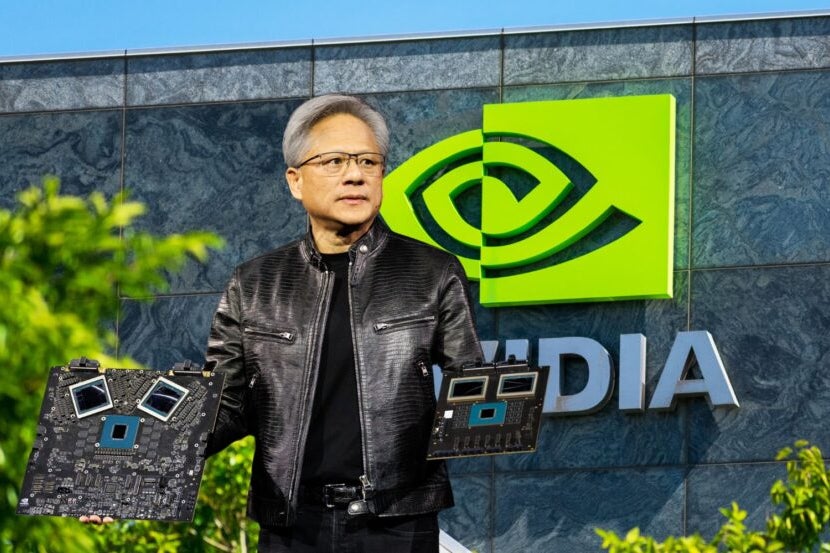
Nvidia's Market Cap Falls Below $5 Trillion: A Buying Opportunity
- Market Share Advantage: Despite increased competition, Nvidia maintains a dominant 94% market share in the GPU sector, ensuring a steady revenue stream and significant market influence moving forward.
- New Platform Launch: The upcoming Vera Rubin platform is expected to outperform the previous Blackwell architecture in terms of performance and cost efficiency, helping Nvidia mitigate threats from custom AI chips and maintain its competitive edge.
- Sustained Customer Demand: Amazon's CEO has explicitly stated the company's intention to continue its partnership with Nvidia, while Alphabet plans to significantly increase capital expenditures next year, indicating strong ongoing demand from hyperscalers that will likely drive revenue growth in the coming years.
- New Market Opportunities: Nvidia is tapping into a $200 billion CPU market, with increasing demand for CPUs driven by the rise of agentic AI, providing the company with new growth avenues and further solidifying its leadership in the tech sector.
See More
Nvidia's Future Growth Potential Looks Promising
- Growth Drivers Analysis: Nvidia is projected to see $650 billion in data center capital expenditures by 2026, and with the upcoming launch of the Rubin chip architecture, significant revenue and profit growth is anticipated, reflecting strong market demand and technological advantages.
- Impact of Technological Upgrade: The Rubin chip architecture offers a 10-fold reduction in AI inference costs and a 4-fold reduction in training costs, and although it costs 25% more than Blackwell, it enables AI hyperscalers to achieve substantial performance gains at the same cost, further solidifying Nvidia's market position.
- Optimistic Financial Forecast: Analysts estimate Nvidia will achieve 81% revenue growth in FY 2027 and 41% in FY 2028, indicating strong growth potential in the rapidly expanding AI market, despite the market's underestimation of future growth.
- Investment Value Assessment: Despite an obviously strong upcoming year, Nvidia's stock price has not fully reflected its future growth potential, indicating that investing in Nvidia now could be a wise choice with low opportunity costs.
See More
Nvidia's Market Share in China Drops to Zero
- Market Share Loss: Nvidia's CEO Jensen Huang revealed that due to export restrictions, the company's chip market share in China has dropped to zero, with revenue from China plummeting from nearly $20 billion last year to approximately $4.5 billion in the first fiscal quarter, indicating a continued downward trend.
- New Product Opportunities: Despite challenges, Nvidia's new Vera central processing unit (CPU) is expected to open up a $200 billion market, with nearly $20 billion in CPU revenue anticipated this year, fully compensating for last year's revenue loss in China, showcasing the company's strong potential in new markets.
- Data Center Business Growth: Nvidia's data center business nearly doubled in the first quarter, reaching $75 billion in revenue, driven by innovations in response to surging AI demand, particularly through the integration of Vera CPUs with networking and accelerated computing systems.
- Optimistic Future Outlook: Analysts expect Nvidia's full-year revenue to increase by 81% year-over-year to $391 billion, with a consensus earnings estimate of $8.96 per share; despite uncertainties in the Chinese market, the growth opportunities from Vera CPUs remain unpriced in the stock's valuation.
See More
Analysis of SpaceX's Market Performance Post-IPO
- IPO Achievement and Market Position: SpaceX completed the largest IPO in history two weeks ago, briefly reaching a market cap of $2 trillion and becoming the fifth-largest company, generating significant investor excitement about its vision for a multiplanetary future.
- Poor Financial Performance: Despite a 33% year-over-year revenue increase to $18.7 billion in 2025, SpaceX reported a net loss of $4.9 billion, a stark contrast to the $791 million net income in 2024, raising doubts about the justification of its market valuation.
- Significant Political Risk: Approximately 20% of SpaceX's revenue comes from the U.S. federal government, providing a predictable income source, but potential shifts in government priorities could adversely affect budgets for space travel, posing risks to the company, especially given CEO Elon Musk's divisive political persona.
- Alternative Investment Strategies: Given the high risks associated with SpaceX, investors might consider the Procure Space ETF or the Tema Space Innovators ETF, which offer exposure to leading companies in the space industry while mitigating the risks tied to SpaceX.
See More
Nvidia's Stock Dips but Bullish Outlook Persists
- Market Share Stability: Despite competitive pressures, Nvidia maintains a robust 94% market share in the GPU sector, indicating its strong industry dominance, while competitors like AMD struggle to gain traction, underscoring Nvidia's formidable moat.
- New Platform Launch: The upcoming Vera Rubin platform is expected to significantly outperform the previous Blackwell architecture in terms of performance and cost efficiency, which will help Nvidia mitigate the threat posed by custom AI chips and further solidify its market position.
- Sustained Customer Demand: Amazon's CEO Andy Jassy has explicitly stated that the company will continue to purchase Nvidia products for the foreseeable future, while Alphabet plans to significantly increase capital expenditures next year, indicating ongoing demand for Nvidia's offerings that is likely to drive AI infrastructure investments in the coming years.
- New Market Opportunities: Nvidia is tapping into a new opportunity with the Vera CPU, as the shift towards agentic AI is expected to increase demand for CPUs, with Nvidia estimating this market could be worth $200 billion, further enhancing its long-term growth prospects.
See More
Nvidia's Dominance in GPU Market Remains Strong
- Market Share Advantage: Nvidia commands a 94% market share in the GPU sector, and despite competition from companies like Cerebras Systems, its hardware and ecosystem lead make it difficult to displace, ensuring its continued dominance in the market.
- New Platform Launch: The upcoming Vera Rubin platform is expected to outperform the previous Blackwell architecture in terms of performance and cost efficiency, which will help Nvidia mitigate the threat posed by custom AI chips and further solidify its market position.
- Sustained Customer Demand: Amazon's CEO Andy Jassy has explicitly stated that the company will continue to purchase Nvidia's products for the foreseeable future, indicating strong reliance from hyperscalers and an anticipated significant increase in AI infrastructure spending over the coming years.
- New Market Opportunity: Nvidia is tapping into a new opportunity with the Vera CPU, as the shift towards agentic AI is expected to drive increased demand for CPUs, with Nvidia estimating this market could be worth $200 billion, enhancing its growth prospects.
See More
Nvidia's Market Cap Falls Below $5 Trillion: A Buying Opportunity
- Market Share Advantage: Despite increased competition, Nvidia maintains a dominant 94% market share in the GPU sector, ensuring a steady revenue stream and significant market influence moving forward.
- New Platform Launch: The upcoming Vera Rubin platform is expected to outperform the previous Blackwell architecture in terms of performance and cost efficiency, helping Nvidia mitigate threats from custom AI chips and maintain its competitive edge.
- Sustained Customer Demand: Amazon's CEO has explicitly stated the company's intention to continue its partnership with Nvidia, while Alphabet plans to significantly increase capital expenditures next year, indicating strong ongoing demand from hyperscalers that will likely drive revenue growth in the coming years.
- New Market Opportunities: Nvidia is tapping into a $200 billion CPU market, with increasing demand for CPUs driven by the rise of agentic AI, providing the company with new growth avenues and further solidifying its leadership in the tech sector.
See More



