Chinese EVs Enter Canadian Market, Raising Concerns
Written by Emily J. Thompson, Senior Investment Analyst
Updated: 57 minutes ago
0mins
Source: Fool
- Market Threat Intensifies: Chinese EV manufacturers have rapidly risen over the past decade, with Geely becoming the first to export EV crossovers to Canada, posing an existential threat to U.S. automakers like Ford and GM, who face significant price competition pressures.
- Cost Advantage Significant: Chinese manufacturers leverage government subsidies and cheap labor to produce EVs at costs far below those of U.S. manufacturers, putting Ford and GM at a competitive disadvantage that could impact their market share and profitability.
- Increased Security Risks: As software-defined vehicles proliferate, they may pose potential security threats, particularly in global conflicts where they could be used for surveillance or disabled, raising consumer concerns about Chinese EVs.
- Tariff Barriers Remain: While Canada allows the import of 49,000 China-built EVs annually, the 100% tariffs imposed by the U.S. on Chinese EVs remain effective, limiting the potential for these vehicles to enter the U.S. market and providing temporary relief to American manufacturers.
Trade with 70% Backtested Accuracy
Stop guessing "Should I Buy F?" and start using high-conviction signals backed by rigorous historical data.
Sign up today to access powerful investing tools and make smarter, data-driven decisions.
Analyst Views on F
Wall Street analysts forecast F stock price to fall
14 Analyst Rating
3 Buy
10 Hold
1 Sell
Hold
Current: 16.630

Low
11.00
Averages
13.65
High
16.00
Current: 16.630
Low
11.00
Averages
13.65
High
16.00
About F
Ford Motor Company develops and delivers Ford trucks, sport utility vehicles, commercial vans and cars, and Lincoln luxury vehicles, along with connected services, including BlueCruise (ADAS) and security. The Company's segments include Ford Blue, Ford Model e, Ford Pro, and Ford Credit. The Ford Blue segment primarily includes the sale of Ford and Lincoln internal combustion engine (ICE) and hybrid vehicles, service parts, accessories, and digital services for retail customers. The Ford Model e segment primarily includes the sale of its electric vehicles, service parts, accessories, and digital services for retail customers. The Ford Pro segment primarily includes the sale of Ford and Lincoln vehicles, service parts, accessories, and services for commercial, government, and rental customers. The Ford Credit segment consists of the Ford Credit business on a consolidated basis, which is primarily vehicle-related financing and leasing activities. Its vehicle brands are Ford and Lincoln.
About the author

Emily J. Thompson
Emily J. Thompson, a Chartered Financial Analyst (CFA) with 12 years in investment research, graduated with honors from the Wharton School. Specializing in industrial and technology stocks, she provides in-depth analysis for Intellectia’s earnings and market brief reports.
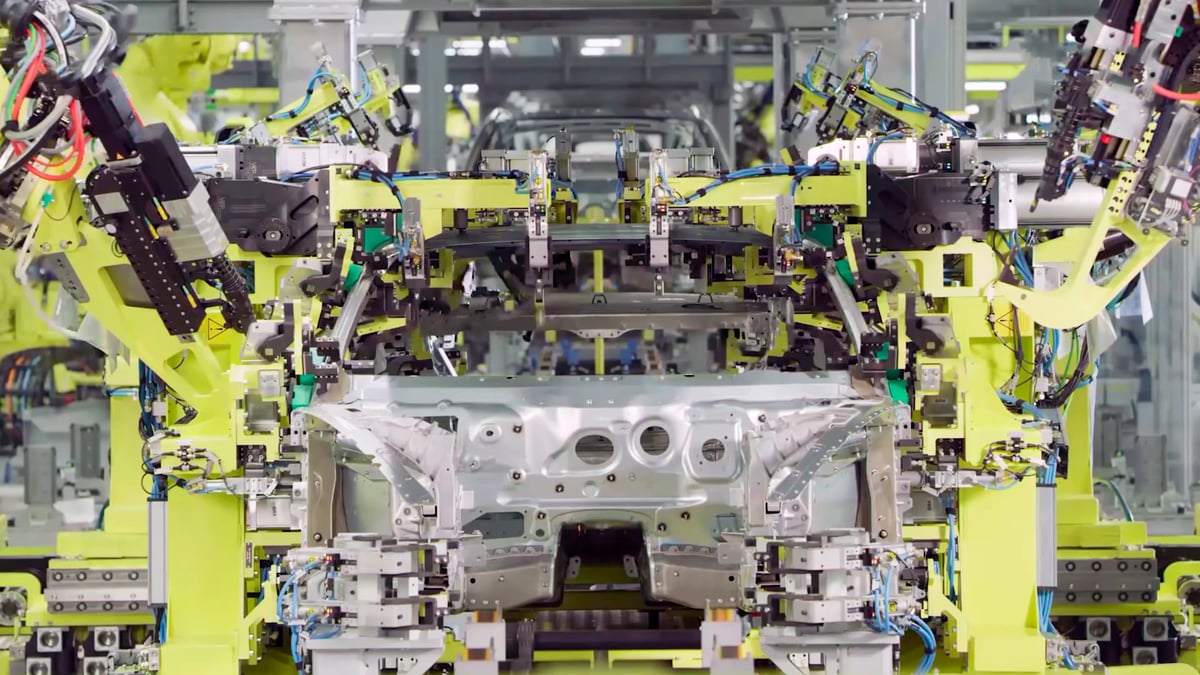
Chinese EVs Enter Canadian Market, Raising Concerns


- Market Threat Intensifies: Chinese EV manufacturers have rapidly risen over the past decade, with Geely becoming the first to export EV crossovers to Canada, posing an existential threat to U.S. automakers like Ford and GM, who face significant price competition pressures.
- Cost Advantage Significant: Chinese manufacturers leverage government subsidies and cheap labor to produce EVs at costs far below those of U.S. manufacturers, putting Ford and GM at a competitive disadvantage that could impact their market share and profitability.
- Increased Security Risks: As software-defined vehicles proliferate, they may pose potential security threats, particularly in global conflicts where they could be used for surveillance or disabled, raising consumer concerns about Chinese EVs.
- Tariff Barriers Remain: While Canada allows the import of 49,000 China-built EVs annually, the 100% tariffs imposed by the U.S. on Chinese EVs remain effective, limiting the potential for these vehicles to enter the U.S. market and providing temporary relief to American manufacturers.
See More
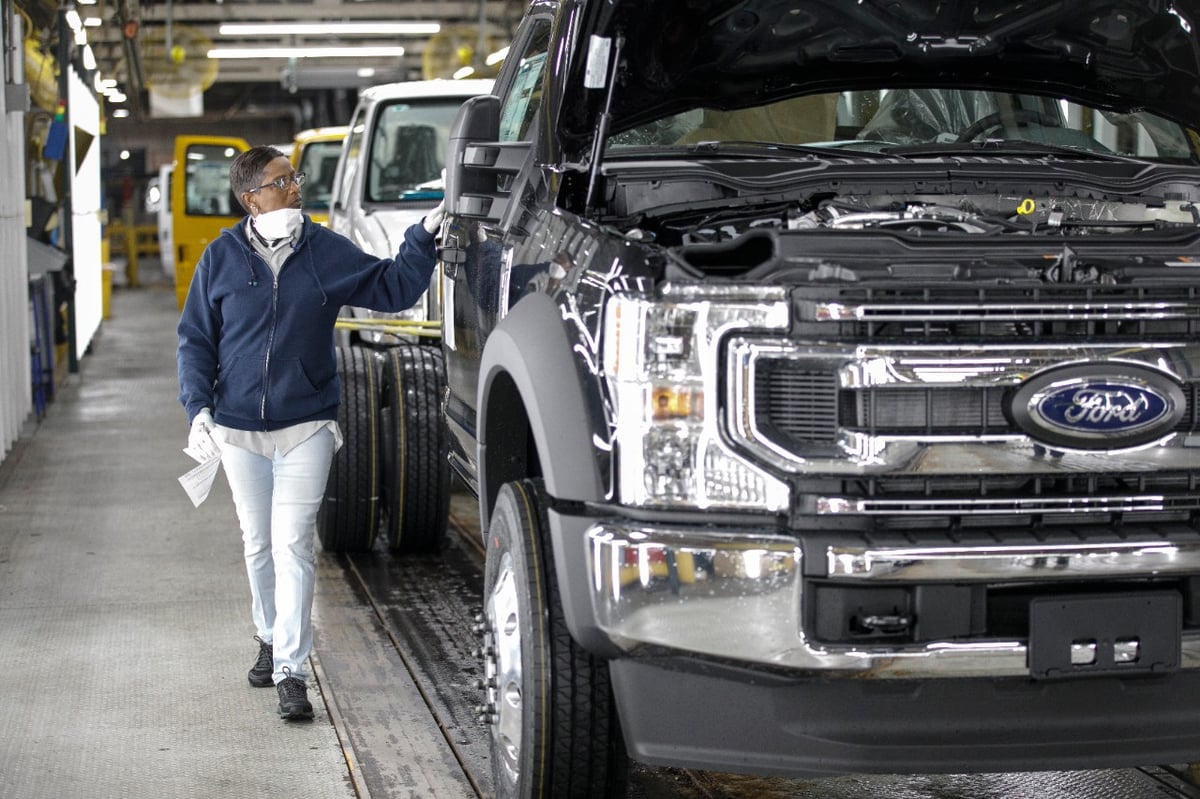
Ford's Strategic Shift to Battery Energy Storage
- EV Division Losses: Ford's electric vehicle division has incurred significant losses, leading to billions in cancellations and marking one of the costliest failures in American automotive history, which has negatively impacted investor confidence.
- Innovative Pivot: Instead of scrapping its battery infrastructure, Ford has opted for a repurposing strategy by launching Ford Energy, a wholly-owned subsidiary focused on battery energy storage systems for data centers, industrial clients, and utilities, showcasing an innovative and opportunistic business approach.
- Market Growth Potential: The battery storage market is projected to grow to $161 billion by 2034, and by retrofitting its Kentucky battery facility, Ford is seizing this rapidly expanding market opportunity, breathing new life into the factory.
- Strategic Partnership: Ford has secured a five-year agreement with EDF Power Solutions North America to provide up to 4 gigawatt hours of battery energy storage systems annually, further solidifying its position in the emerging AI infrastructure market and driving its stock price up over 25%.
See More

Chinese EVs Pose Threat to North American Market
- Tariff Protection Measures: Canada is allowing up to 49,000 China-built EVs annually at a low 6.1% tariff, which seems to provide an opportunity for Chinese automakers; however, the 100% tariffs imposed by the U.S. effectively limit their market entry and impact.
- Increased Market Competition: Geely has become the first Chinese manufacturer to export EVs to Canada, starting with just 18 Lotus Eletre crossovers, but this move could pave the way for other Chinese brands, intensifying competition against Ford and General Motors.
- Safety Concerns: The rise of software-defined vehicles raises potential security threats, as these EVs could be used for surveillance or disabled during global conflicts, presenting new challenges for U.S. automakers.
- Investor Vigilance: While Chinese EVs currently face significant barriers in the U.S. market, the proactive strategies of major Chinese manufacturers like BYD and Chery in Canada could pose a greater threat to domestic manufacturers in the future, necessitating investor caution.
See More

Ford Shifts Focus to Battery Energy Storage Systems
- Strategic Shift: Ford is pivoting to become a supplier of battery energy storage systems for data centers, industrial customers, and utilities, marking a significant departure from its electric vehicle strategy, which incurred billions in losses.
- Market Opportunity: The battery storage market is projected to grow to $161 billion by 2034, and Ford is seizing this rapidly expanding opportunity by repurposing its battery facility in Kentucky, showcasing its innovation and adaptability.
- Partnership Agreement: Ford has secured a five-year agreement with EDF Power Solutions North America to provide up to 4 gigawatt hours of battery energy storage systems annually, further solidifying Ford's position in this emerging market.
- Stock Price Surge: Ford's stock has jumped over 25% due to the new energy strategy, and despite the challenges posed by its EV failures, the prospects of Ford Energy offer renewed hope for investors, potentially generating significant returns for the company and its shareholders.
See More
Ford Recalls Nearly 420,000 Vehicles Due to Seat Belt Issues
- Large Recall Scale: Ford Motor will recall 419,967 vehicles in the U.S., specifically 2018-2022 models of the Expedition and Lincoln Navigator, due to seat belts that fail to retract or extend properly, increasing the risk of injury in a crash.
- Clear Safety Hazard: The National Highway Traffic Safety Administration (NHTSA) has indicated that the seat belt pretensioner for the driver and front passenger may inadvertently lock the belt, preventing its proper use and compromising occupant protection during collisions.
- Free Repair Commitment: As part of the remedy, NHTSA stated that dealers will inspect the seat belt retractors and replace them at no cost if necessary, ensuring the vehicles' safety performance is restored.
- Potential Legal Liability: This recall could negatively impact Ford's brand reputation and financial standing, particularly as consumer focus on automotive safety intensifies, necessitating Ford to take measures to maintain customer trust.
See More

Chinese Automakers Expand Footprint in Europe

- Market Share Growth: BYD accounted for 2.2% of car registrations in the EU, UK, and EFTA, indicating strong performance in the EV market, with plans to localize all EV production by 2028, further solidifying its market position.
- Production Base Expansion: Chery holds a 2% registration share in Europe and plans to manufacture vehicles at a former Nissan plant in Barcelona through a joint venture with EBRO, targeting production of 30,000 cars by 2027, enhancing its competitive edge in the European market.
- Strategic Partnerships: Geely, with a 2.5% market share through various brands, signed a memorandum with Volvo to become the exclusive importer of Lynk & Co EVs, further expanding its influence in Europe.
- Investment Plans: SAIC, holding a 2.4% market share in Europe, plans to establish its first EU production facility in Galicia, Spain, with an initial investment of around €200 million, demonstrating a long-term commitment to the European market.
See More
Chinese EVs Enter Canadian Market, Raising Concerns
- Market Threat Intensifies: Chinese EV manufacturers have rapidly risen over the past decade, with Geely becoming the first to export EV crossovers to Canada, posing an existential threat to U.S. automakers like Ford and GM, who face significant price competition pressures.
- Cost Advantage Significant: Chinese manufacturers leverage government subsidies and cheap labor to produce EVs at costs far below those of U.S. manufacturers, putting Ford and GM at a competitive disadvantage that could impact their market share and profitability.
- Increased Security Risks: As software-defined vehicles proliferate, they may pose potential security threats, particularly in global conflicts where they could be used for surveillance or disabled, raising consumer concerns about Chinese EVs.
- Tariff Barriers Remain: While Canada allows the import of 49,000 China-built EVs annually, the 100% tariffs imposed by the U.S. on Chinese EVs remain effective, limiting the potential for these vehicles to enter the U.S. market and providing temporary relief to American manufacturers.
See More
Ford's Strategic Shift to Battery Energy Storage
- EV Division Losses: Ford's electric vehicle division has incurred significant losses, leading to billions in cancellations and marking one of the costliest failures in American automotive history, which has negatively impacted investor confidence.
- Innovative Pivot: Instead of scrapping its battery infrastructure, Ford has opted for a repurposing strategy by launching Ford Energy, a wholly-owned subsidiary focused on battery energy storage systems for data centers, industrial clients, and utilities, showcasing an innovative and opportunistic business approach.
- Market Growth Potential: The battery storage market is projected to grow to $161 billion by 2034, and by retrofitting its Kentucky battery facility, Ford is seizing this rapidly expanding market opportunity, breathing new life into the factory.
- Strategic Partnership: Ford has secured a five-year agreement with EDF Power Solutions North America to provide up to 4 gigawatt hours of battery energy storage systems annually, further solidifying its position in the emerging AI infrastructure market and driving its stock price up over 25%.
See More
Chinese EVs Pose Threat to North American Market
- Tariff Protection Measures: Canada is allowing up to 49,000 China-built EVs annually at a low 6.1% tariff, which seems to provide an opportunity for Chinese automakers; however, the 100% tariffs imposed by the U.S. effectively limit their market entry and impact.
- Increased Market Competition: Geely has become the first Chinese manufacturer to export EVs to Canada, starting with just 18 Lotus Eletre crossovers, but this move could pave the way for other Chinese brands, intensifying competition against Ford and General Motors.
- Safety Concerns: The rise of software-defined vehicles raises potential security threats, as these EVs could be used for surveillance or disabled during global conflicts, presenting new challenges for U.S. automakers.
- Investor Vigilance: While Chinese EVs currently face significant barriers in the U.S. market, the proactive strategies of major Chinese manufacturers like BYD and Chery in Canada could pose a greater threat to domestic manufacturers in the future, necessitating investor caution.
See More
Ford Shifts Focus to Battery Energy Storage Systems
- Strategic Shift: Ford is pivoting to become a supplier of battery energy storage systems for data centers, industrial customers, and utilities, marking a significant departure from its electric vehicle strategy, which incurred billions in losses.
- Market Opportunity: The battery storage market is projected to grow to $161 billion by 2034, and Ford is seizing this rapidly expanding opportunity by repurposing its battery facility in Kentucky, showcasing its innovation and adaptability.
- Partnership Agreement: Ford has secured a five-year agreement with EDF Power Solutions North America to provide up to 4 gigawatt hours of battery energy storage systems annually, further solidifying Ford's position in this emerging market.
- Stock Price Surge: Ford's stock has jumped over 25% due to the new energy strategy, and despite the challenges posed by its EV failures, the prospects of Ford Energy offer renewed hope for investors, potentially generating significant returns for the company and its shareholders.
See More
Ford Recalls Nearly 420,000 Vehicles Due to Seat Belt Issues
- Large Recall Scale: Ford Motor will recall 419,967 vehicles in the U.S., specifically 2018-2022 models of the Expedition and Lincoln Navigator, due to seat belts that fail to retract or extend properly, increasing the risk of injury in a crash.
- Clear Safety Hazard: The National Highway Traffic Safety Administration (NHTSA) has indicated that the seat belt pretensioner for the driver and front passenger may inadvertently lock the belt, preventing its proper use and compromising occupant protection during collisions.
- Free Repair Commitment: As part of the remedy, NHTSA stated that dealers will inspect the seat belt retractors and replace them at no cost if necessary, ensuring the vehicles' safety performance is restored.
- Potential Legal Liability: This recall could negatively impact Ford's brand reputation and financial standing, particularly as consumer focus on automotive safety intensifies, necessitating Ford to take measures to maintain customer trust.
See More
Chinese Automakers Expand Footprint in Europe
- Market Share Growth: BYD accounted for 2.2% of car registrations in the EU, UK, and EFTA, indicating strong performance in the EV market, with plans to localize all EV production by 2028, further solidifying its market position.
- Production Base Expansion: Chery holds a 2% registration share in Europe and plans to manufacture vehicles at a former Nissan plant in Barcelona through a joint venture with EBRO, targeting production of 30,000 cars by 2027, enhancing its competitive edge in the European market.
- Strategic Partnerships: Geely, with a 2.5% market share through various brands, signed a memorandum with Volvo to become the exclusive importer of Lynk & Co EVs, further expanding its influence in Europe.
- Investment Plans: SAIC, holding a 2.4% market share in Europe, plans to establish its first EU production facility in Galicia, Spain, with an initial investment of around €200 million, demonstrating a long-term commitment to the European market.
See More