Chinese Airlines Face Massive Losses Amid Rising Fuel Costs
Written by Emily J. Thompson, Senior Investment Analyst
Updated: 1 day ago
0mins

Source: CNBC
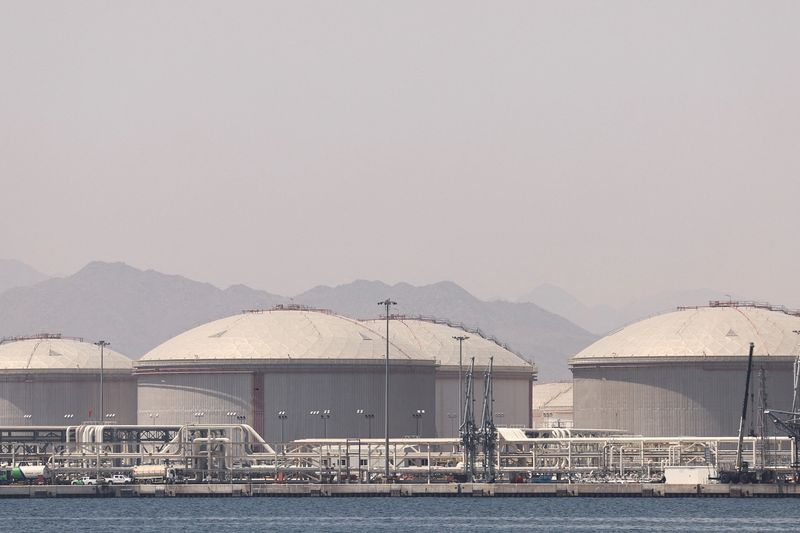
- Massive Loss Projections: HSBC analysts predict that China's Big Three airlines (Air China, China Eastern, and China Southern) will incur a combined net loss of 22 billion yuan ($3.2 billion) in 2026, indicating a significant downturn after a profitable first quarter, highlighting the severe challenges facing the industry.
- Surging Fuel Prices: Since the outbreak of the Iran war, international jet fuel prices skyrocketed from $93 per barrel to $242, and although they have moderated to $163, the pressure on the notoriously low-margin aviation industry has led to cancellation rates nearing 30%.
- Fare Increases: In response to soaring fuel costs, Chinese airlines raised domestic fuel surcharges to 60 yuan and 120 yuan starting April 5, with further adjustments on May 16 to 90 yuan and 170 yuan, yet analysts believe these fare hikes will not fully offset the fuel cost shock.
- Intensified High-Speed Rail Competition: The expansion of China's high-speed rail network poses a significant pricing challenge for domestic airlines on many key routes, with analysts warning that aggressive fuel surcharges risk demand destruction, particularly in a price-sensitive market environment.
Trade with 70% Backtested Accuracy
Stop guessing "Should I Buy ADI?" and start using high-conviction signals backed by rigorous historical data.
Sign up today to access powerful investing tools and make smarter, data-driven decisions.
Analyst Views on ADI
Wall Street analysts forecast ADI stock price to fall
23 Analyst Rating
20 Buy
3 Hold
0 Sell
Strong Buy
Current: 384.210

Low
265.00
Averages
320.55
High
400.00
Current: 384.210
Low
265.00
Averages
320.55
High
400.00
About ADI
Analog Devices, Inc. is a global semiconductor company. It combines analog, digital, artificial intelligence (AI), and software technologies into solutions that combat climate change, reliably connect humans and the world, and help drive advancements in automation and robotics, mobility, healthcare, energy and data centers. It designs, manufactures, tests and markets a portfolio of solutions, including integrated circuits (ICs), software and subsystems that leverage high-performance analog, mixed-signal and digital signal processing technologies. Its product portfolio, domain specialization and advanced manufacturing capabilities extend across high-performance precision and high-speed mixed-signal, power management and processing technologies, including data converters, amplifiers, power management, power management, radio frequency ICs, edge processors and other sensors. Its IC product portfolio includes both general-purpose products used by a range of customers and applications.
About the author

Emily J. Thompson
Emily J. Thompson, a Chartered Financial Analyst (CFA) with 12 years in investment research, graduated with honors from the Wharton School. Specializing in industrial and technology stocks, she provides in-depth analysis for Intellectia’s earnings and market brief reports.

19 Companies Report Earnings Exceeding Expectations


- Strong Earnings Reports: This week, all 19 companies reporting exceeded EPS expectations, with 15 achieving year-over-year earnings growth, indicating robust market demand and corporate resilience.
- Analog Devices Performance: Analog Devices (ADI) reported second-quarter revenue of $3.62 billion, up 37% YoY, and forecasts third-quarter revenue of $3.9 billion, reflecting strong industrial and data center demand.
- Walmart's Strong Start: Walmart (WMT) kicked off fiscal 2027 with a 7.3% revenue increase to $177.8 billion and adjusted EPS of $0.66, driven by a 26% surge in global e-commerce, while reiterating its full-year targets.
- Home Depot's Steady Performance: Home Depot (HD) reported first-quarter sales of $41.8 billion, up 4.8% YoY, with adjusted EPS of $3.43, confidently reaffirming its full-year guidance despite housing affordability pressures.
See More

US Stocks Close Higher as Market Sentiment Improves


- Market Recovery: The S&P 500 rose by 0.37% and the Nasdaq 100 by 0.42%, with the Dow Jones Industrial Average hitting an all-time high, reflecting optimism about a potential US-Iran peace deal that could boost investor confidence.
- Consumer Sentiment Decline: The University of Michigan's consumer sentiment index was revised down to a record low of 44.8, below the expected 48.2, indicating growing concerns among consumers about the economic outlook, which may impact future spending.
- Rising Inflation Expectations: The 1-year inflation expectations for May were revised upward to 4.8%, exceeding the expected 4.6%, potentially prompting the Federal Reserve to consider interest rate hikes in upcoming meetings, which could pressure the stock market.
- Tech Stocks Lead Gains: Workday's stock surged over 5% after reporting Q1 adjusted EPS of $2.66, surpassing expectations, highlighting strong performance in the software sector and potentially attracting more investor interest in tech stocks.
See More

US Stocks Rise, Nasdaq Hits Weekly High
- Strong Market Performance: The S&P 500 rose by 0.50% and the Nasdaq 100 by 0.73%, with the Dow Jones Industrial Average hitting an all-time high, reflecting optimism about a potential US-Iran peace deal that could boost investor confidence.
- Decline in Consumer Confidence: The University of Michigan's consumer sentiment index was revised down to 44.8, a record low, below the expected 48.2, indicating growing consumer concerns about the economic outlook, which may negatively impact future spending.
- Rising Inflation Expectations: The 1-year inflation expectations for May were revised up to 4.8%, a 9-month high, exceeding the expected 4.6%, which could prompt the Fed to consider interest rate hikes at the upcoming meeting, affecting market liquidity.
- Chip Stocks Lead Gains: Qualcomm's stock surged over 12%, leading the Nasdaq 100, demonstrating ongoing market enthusiasm for semiconductor and AI infrastructure, which may yield higher returns for related companies.
See More
US Stocks Rise as Market Optimism Grows
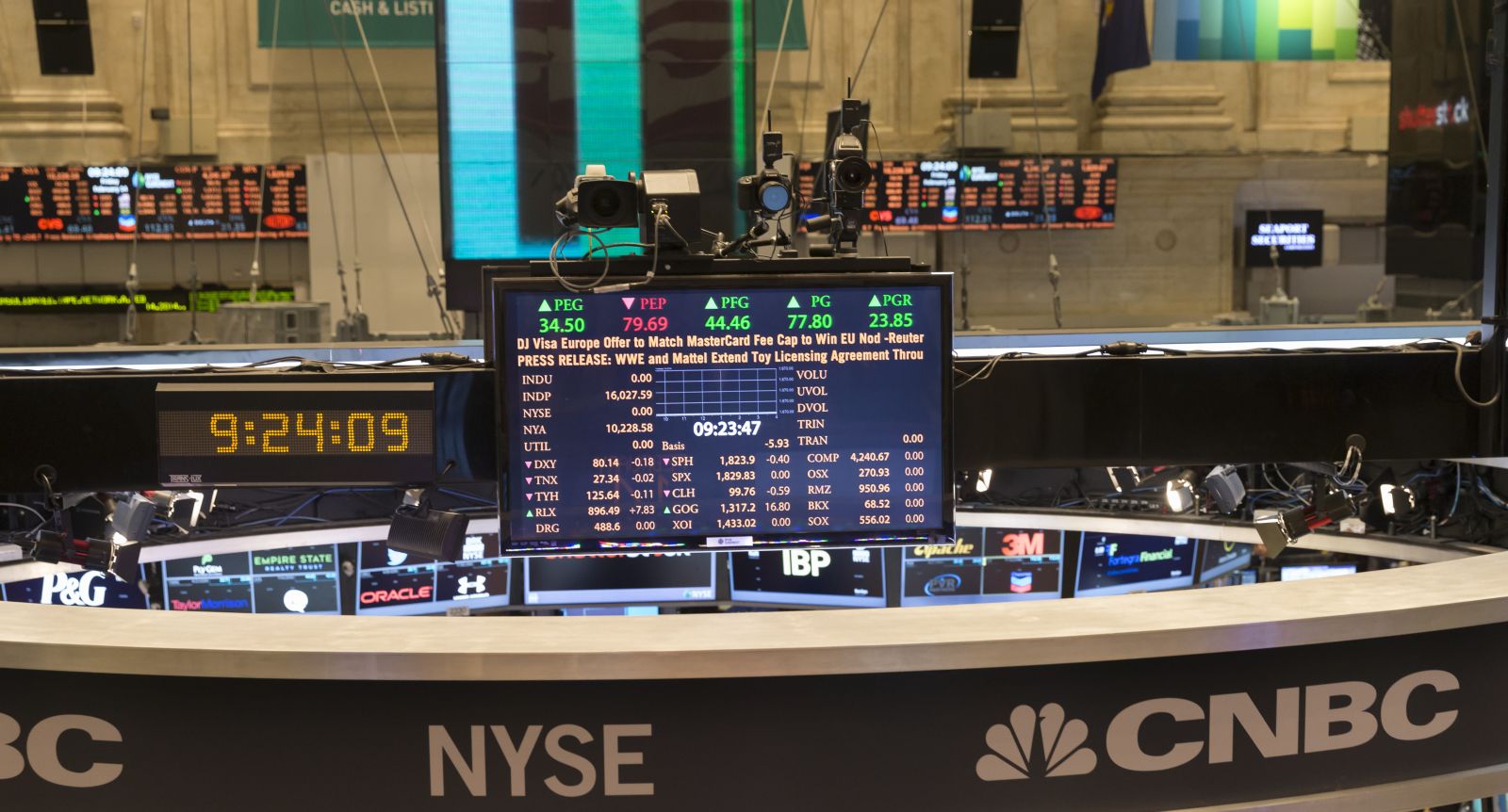
- Strong Market Performance: The S&P 500 rose by 0.54%, the Nasdaq 100 increased by 0.53%, and the Dow Jones Industrial Average reached an all-time high, reflecting market optimism regarding a potential peace deal between the US and Iran, which could boost investor confidence.
- Software Stocks Lead Gains: Workday's stock surged over 8% after reporting Q1 adjusted EPS of $2.66, exceeding the consensus of $2.51, and forecasting Q2 subscription revenue of $2.46 billion, further enhancing confidence in the software sector.
- Oil Price Volatility Affects Markets: Crude oil prices dipped slightly as Qatar coordinated with the US to send a negotiating team to Tehran, raising concerns about future supply; the IEA warned that global oil inventories will remain tight, potentially impacting overall economic growth.
- International Markets Rebound: The Euro Stoxx 50 climbed 1.23%, China's Shanghai Composite rose 0.87%, and Japan's Nikkei increased by 2.68%, indicating a global market optimism that may provide support for the US market.
See More

Chinese Airlines Face Massive Losses Amid Rising Fuel Costs

- Massive Loss Projections: HSBC analysts predict that China's Big Three airlines (Air China, China Eastern, and China Southern) will incur a combined net loss of 22 billion yuan ($3.2 billion) in 2026, indicating a significant downturn after a profitable first quarter, highlighting the severe challenges facing the industry.
- Surging Fuel Prices: Since the outbreak of the Iran war, international jet fuel prices skyrocketed from $93 per barrel to $242, and although they have moderated to $163, the pressure on the notoriously low-margin aviation industry has led to cancellation rates nearing 30%.
- Fare Increases: In response to soaring fuel costs, Chinese airlines raised domestic fuel surcharges to 60 yuan and 120 yuan starting April 5, with further adjustments on May 16 to 90 yuan and 170 yuan, yet analysts believe these fare hikes will not fully offset the fuel cost shock.
- Intensified High-Speed Rail Competition: The expansion of China's high-speed rail network poses a significant pricing challenge for domestic airlines on many key routes, with analysts warning that aggressive fuel surcharges risk demand destruction, particularly in a price-sensitive market environment.
See More

US Stocks Edge Up as IBM Receives $1 Billion Grant


- Market Recovery: On Thursday, the S&P 500 rose by 0.17%, the Dow Jones Industrial Average increased by 0.55%, and the Nasdaq 100 gained 0.20%, indicating a recovery from early losses, particularly with the Dow reaching a 3.25-month high, reflecting investor confidence in economic stability.
- IBM Government Funding: IBM's stock surged by 12% after receiving a $1 billion grant from the US government to invest in its quantum computing business, which not only strengthens the company's technological capabilities but also positions it favorably for future market competition.
- Supportive Economic Data: Initial US weekly unemployment claims fell to 209,000, close to the expected 210,000, indicating stability in the labor market, while strong performance in manufacturing and housing further bolstered market confidence, despite the Philadelphia Fed business outlook survey dropping to a 5-month low.
- Oil Price Volatility: WTI crude oil prices experienced significant volatility on Thursday, initially rising before retreating over 1% after Iran stated that the latest US proposal had
See More
19 Companies Report Earnings Exceeding Expectations
- Strong Earnings Reports: This week, all 19 companies reporting exceeded EPS expectations, with 15 achieving year-over-year earnings growth, indicating robust market demand and corporate resilience.
- Analog Devices Performance: Analog Devices (ADI) reported second-quarter revenue of $3.62 billion, up 37% YoY, and forecasts third-quarter revenue of $3.9 billion, reflecting strong industrial and data center demand.
- Walmart's Strong Start: Walmart (WMT) kicked off fiscal 2027 with a 7.3% revenue increase to $177.8 billion and adjusted EPS of $0.66, driven by a 26% surge in global e-commerce, while reiterating its full-year targets.
- Home Depot's Steady Performance: Home Depot (HD) reported first-quarter sales of $41.8 billion, up 4.8% YoY, with adjusted EPS of $3.43, confidently reaffirming its full-year guidance despite housing affordability pressures.
See More
US Stocks Close Higher as Market Sentiment Improves
- Market Recovery: The S&P 500 rose by 0.37% and the Nasdaq 100 by 0.42%, with the Dow Jones Industrial Average hitting an all-time high, reflecting optimism about a potential US-Iran peace deal that could boost investor confidence.
- Consumer Sentiment Decline: The University of Michigan's consumer sentiment index was revised down to a record low of 44.8, below the expected 48.2, indicating growing concerns among consumers about the economic outlook, which may impact future spending.
- Rising Inflation Expectations: The 1-year inflation expectations for May were revised upward to 4.8%, exceeding the expected 4.6%, potentially prompting the Federal Reserve to consider interest rate hikes in upcoming meetings, which could pressure the stock market.
- Tech Stocks Lead Gains: Workday's stock surged over 5% after reporting Q1 adjusted EPS of $2.66, surpassing expectations, highlighting strong performance in the software sector and potentially attracting more investor interest in tech stocks.
See More
US Stocks Rise, Nasdaq Hits Weekly High
- Strong Market Performance: The S&P 500 rose by 0.50% and the Nasdaq 100 by 0.73%, with the Dow Jones Industrial Average hitting an all-time high, reflecting optimism about a potential US-Iran peace deal that could boost investor confidence.
- Decline in Consumer Confidence: The University of Michigan's consumer sentiment index was revised down to 44.8, a record low, below the expected 48.2, indicating growing consumer concerns about the economic outlook, which may negatively impact future spending.
- Rising Inflation Expectations: The 1-year inflation expectations for May were revised up to 4.8%, a 9-month high, exceeding the expected 4.6%, which could prompt the Fed to consider interest rate hikes at the upcoming meeting, affecting market liquidity.
- Chip Stocks Lead Gains: Qualcomm's stock surged over 12%, leading the Nasdaq 100, demonstrating ongoing market enthusiasm for semiconductor and AI infrastructure, which may yield higher returns for related companies.
See More
US Stocks Rise as Market Optimism Grows
- Strong Market Performance: The S&P 500 rose by 0.54%, the Nasdaq 100 increased by 0.53%, and the Dow Jones Industrial Average reached an all-time high, reflecting market optimism regarding a potential peace deal between the US and Iran, which could boost investor confidence.
- Software Stocks Lead Gains: Workday's stock surged over 8% after reporting Q1 adjusted EPS of $2.66, exceeding the consensus of $2.51, and forecasting Q2 subscription revenue of $2.46 billion, further enhancing confidence in the software sector.
- Oil Price Volatility Affects Markets: Crude oil prices dipped slightly as Qatar coordinated with the US to send a negotiating team to Tehran, raising concerns about future supply; the IEA warned that global oil inventories will remain tight, potentially impacting overall economic growth.
- International Markets Rebound: The Euro Stoxx 50 climbed 1.23%, China's Shanghai Composite rose 0.87%, and Japan's Nikkei increased by 2.68%, indicating a global market optimism that may provide support for the US market.
See More
Chinese Airlines Face Massive Losses Amid Rising Fuel Costs
- Massive Loss Projections: HSBC analysts predict that China's Big Three airlines (Air China, China Eastern, and China Southern) will incur a combined net loss of 22 billion yuan ($3.2 billion) in 2026, indicating a significant downturn after a profitable first quarter, highlighting the severe challenges facing the industry.
- Surging Fuel Prices: Since the outbreak of the Iran war, international jet fuel prices skyrocketed from $93 per barrel to $242, and although they have moderated to $163, the pressure on the notoriously low-margin aviation industry has led to cancellation rates nearing 30%.
- Fare Increases: In response to soaring fuel costs, Chinese airlines raised domestic fuel surcharges to 60 yuan and 120 yuan starting April 5, with further adjustments on May 16 to 90 yuan and 170 yuan, yet analysts believe these fare hikes will not fully offset the fuel cost shock.
- Intensified High-Speed Rail Competition: The expansion of China's high-speed rail network poses a significant pricing challenge for domestic airlines on many key routes, with analysts warning that aggressive fuel surcharges risk demand destruction, particularly in a price-sensitive market environment.
See More
US Stocks Edge Up as IBM Receives $1 Billion Grant
- Market Recovery: On Thursday, the S&P 500 rose by 0.17%, the Dow Jones Industrial Average increased by 0.55%, and the Nasdaq 100 gained 0.20%, indicating a recovery from early losses, particularly with the Dow reaching a 3.25-month high, reflecting investor confidence in economic stability.
- IBM Government Funding: IBM's stock surged by 12% after receiving a $1 billion grant from the US government to invest in its quantum computing business, which not only strengthens the company's technological capabilities but also positions it favorably for future market competition.
- Supportive Economic Data: Initial US weekly unemployment claims fell to 209,000, close to the expected 210,000, indicating stability in the labor market, while strong performance in manufacturing and housing further bolstered market confidence, despite the Philadelphia Fed business outlook survey dropping to a 5-month low.
- Oil Price Volatility: WTI crude oil prices experienced significant volatility on Thursday, initially rising before retreating over 1% after Iran stated that the latest US proposal had
See More