China's Humanoid Robot School Trains Future Workforce
Written by Emily J. Thompson, Senior Investment Analyst
Updated: 39 minutes ago
0mins
Source: CNBC
- Innovative Robot Training: At the Humanoid Robot Data Training Center in Beijing, over 100 instructors like Fudi Luo are teaching robots to think independently, aiming to transition robots from entertainment to employment, aligning with China's 2030 industrial strategy goals.
- Diverse Skill Development: Robots are trained to perform various tasks, including housekeeping, massage, and metal repair, with an average of 10,000 training sessions required to master new skills, showcasing China's deep expertise in robotics technology.
- Intensifying Market Competition: Tesla CEO Elon Musk highlighted that China's advantage in scaling robot manufacturing makes it the largest competitor globally, emphasizing the rapid development and market potential in this field.
- Future of Human-Robot Collaboration: While many robots currently require human assistance, advancements in technology will enable them to take on more dangerous and repetitive tasks, driving transformation in the labor market and enhancing work efficiency.
Trade with 70% Backtested Accuracy
Stop guessing "Should I Buy TSLA?" and start using high-conviction signals backed by rigorous historical data.
Sign up today to access powerful investing tools and make smarter, data-driven decisions.
Analyst Views on TSLA
Wall Street analysts forecast TSLA stock price to fall
30 Analyst Rating
12 Buy
11 Hold
7 Sell
Hold
Current: 417.260

Low
25.28
Averages
401.93
High
600.00
Current: 417.260
Low
25.28
Averages
401.93
High
600.00
About TSLA
Tesla, Inc. designs, develops, manufactures, sells and leases high-performance fully electric vehicles and energy generation and storage systems, and offers services related to its products. Its segments include automotive, and energy generation and storage. The automotive segment includes the design, development, manufacturing, sales and leasing of high-performance fully electric vehicles, and sales of automotive regulatory credits. It also includes sales of used vehicles, non-warranty maintenance services and collisions, part sales, paid supercharging, insurance services revenue and retail merchandise sales. The energy generation and storage segment include the design, manufacture, installation, sales and leasing of solar energy generation and energy storage products and related services and sales of solar energy systems incentives. Its consumer vehicles include the Model 3, Y, S, X and Cybertruck. Its lithium-ion battery energy storage products include Powerwall and Megapack.
About the author

Emily J. Thompson
Emily J. Thompson, a Chartered Financial Analyst (CFA) with 12 years in investment research, graduated with honors from the Wharton School. Specializing in industrial and technology stocks, she provides in-depth analysis for Intellectia’s earnings and market brief reports.
SpaceX's Unique Lock-Up Structure in IPO Filing

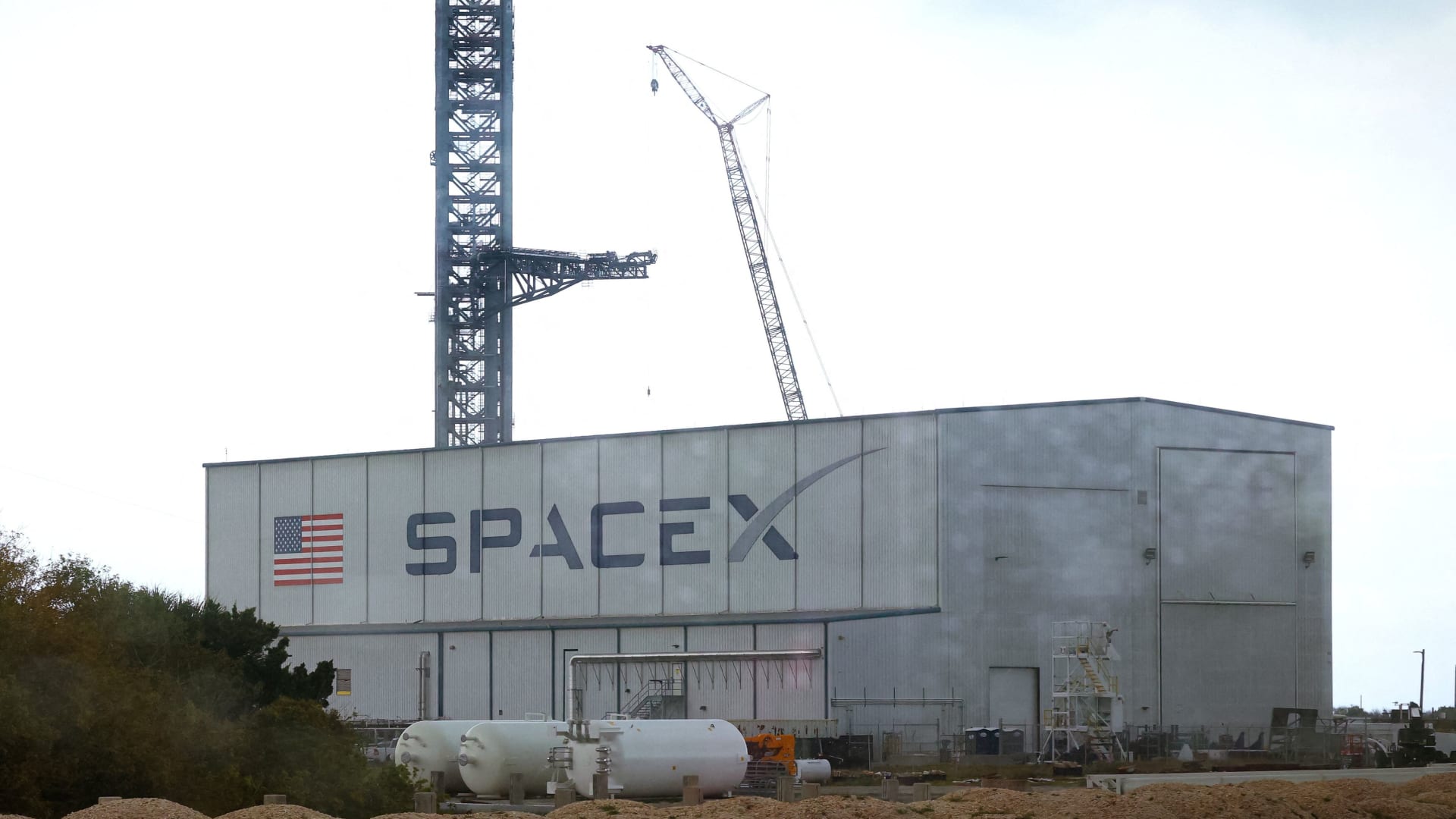
- Innovative Lock-Up Structure: SpaceX's IPO filing introduces a unique lock-up structure that allows insiders to sell shares in phases after the IPO, thereby mitigating the stock pressure typically associated with a traditional lock-up expiration while potentially increasing the float sooner.
- Phased Selling Mechanism: According to the S-1 filing, insiders can sell up to 20% of their locked shares after the first earnings report, with an additional 10% if the stock trades 30% above the IPO price, which will help enhance market liquidity.
- Nasdaq Inclusion Strategy: This lock-up structure is a response to new Nasdaq rules allowing companies with market caps above the top 40 members to be included in the Nasdaq 100 index weeks after their IPO, with SpaceX expected to qualify, thus attracting more institutional investors.
- Founder Lock-Up Clause: While insiders can gradually sell shares, founder Elon Musk will remain locked up and cannot participate in the early-release provisions, a measure aimed at maintaining market stability and boosting investor confidence.
See More

Nio's Q1 Performance Recovers, Stock Sees Modest Gain

- Significant Revenue Growth: Nio's Q1 2026 revenue more than doubled year-over-year, with gross margins continuing to rise, indicating strong performance in the EV market despite ongoing operational losses.
- Increased Delivery Guidance: The company expects Q2 deliveries to range between 110,000 and 115,000 vehicles, a significant increase from 83,500 in Q1, providing initial support for the stock price amid positive delivery forecasts.
- Surge in Trading Volume: Trading volume reached 96.1 million shares, approximately 139% above the three-month average, reflecting heightened market interest and active investor participation in Nio's performance.
- Profitability Challenge: Although adjusted profits remain positive, the company reported a $45 million operational loss, a sharp decline from the approximately $100 million profit in Q4 2025, leading investors to cautiously assess its ability to achieve consistent profitability.
See More

Nio Reports Q1 2026 Results with Revenue Surge
- Significant Revenue Growth: Nio's Q1 2026 revenue more than doubled year-over-year, indicating strong market demand, although the company continues to face ongoing net losses, suggesting important progress on the path to profitability recovery.
- Optimistic Delivery Guidance: The company expects Q2 deliveries to range between 110,000 and 115,000 vehicles, a significant increase from 83,500 in Q1, reflecting management's confidence in future market demand, which could further drive stock price increases.
- Surge in Trading Volume: Trading volume reached 96.1 million shares, about 139% above the three-month average, indicating heightened investor interest in the company's performance, which may impact short-term stock price volatility.
- Profitability Challenges: Despite positive adjusted profits, the company reported a $45 million operational loss, a significant decline from the approximately $100 million profit reported in Q4 2025, leading investors to focus on whether it can achieve sustained profitability to support stock price growth.
See More
China's Humanoid Robot School Trains Future Workforce
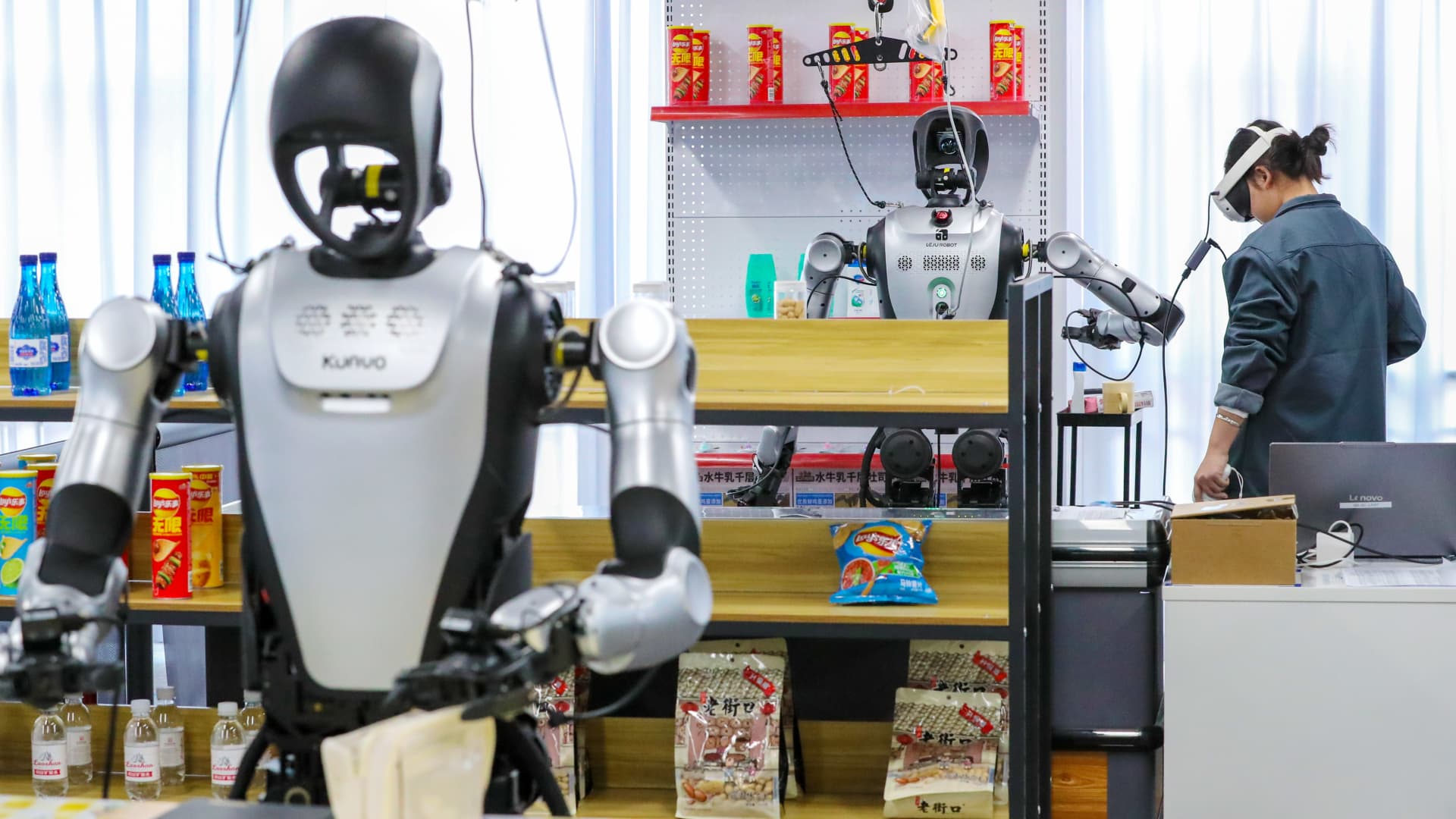
- Innovative Robot Training: At the Humanoid Robot Data Training Center in Beijing, over 100 instructors like Fudi Luo are teaching robots to think independently, aiming to transition robots from entertainment to employment, aligning with China's 2030 industrial strategy goals.
- Diverse Skill Development: Robots are trained to perform various tasks, including housekeeping, massage, and metal repair, with an average of 10,000 training sessions required to master new skills, showcasing China's deep expertise in robotics technology.
- Intensifying Market Competition: Tesla CEO Elon Musk highlighted that China's advantage in scaling robot manufacturing makes it the largest competitor globally, emphasizing the rapid development and market potential in this field.
- Future of Human-Robot Collaboration: While many robots currently require human assistance, advancements in technology will enable them to take on more dangerous and repetitive tasks, driving transformation in the labor market and enhancing work efficiency.
See More
China's Robot Training Centers Propel Industrial Upgrade
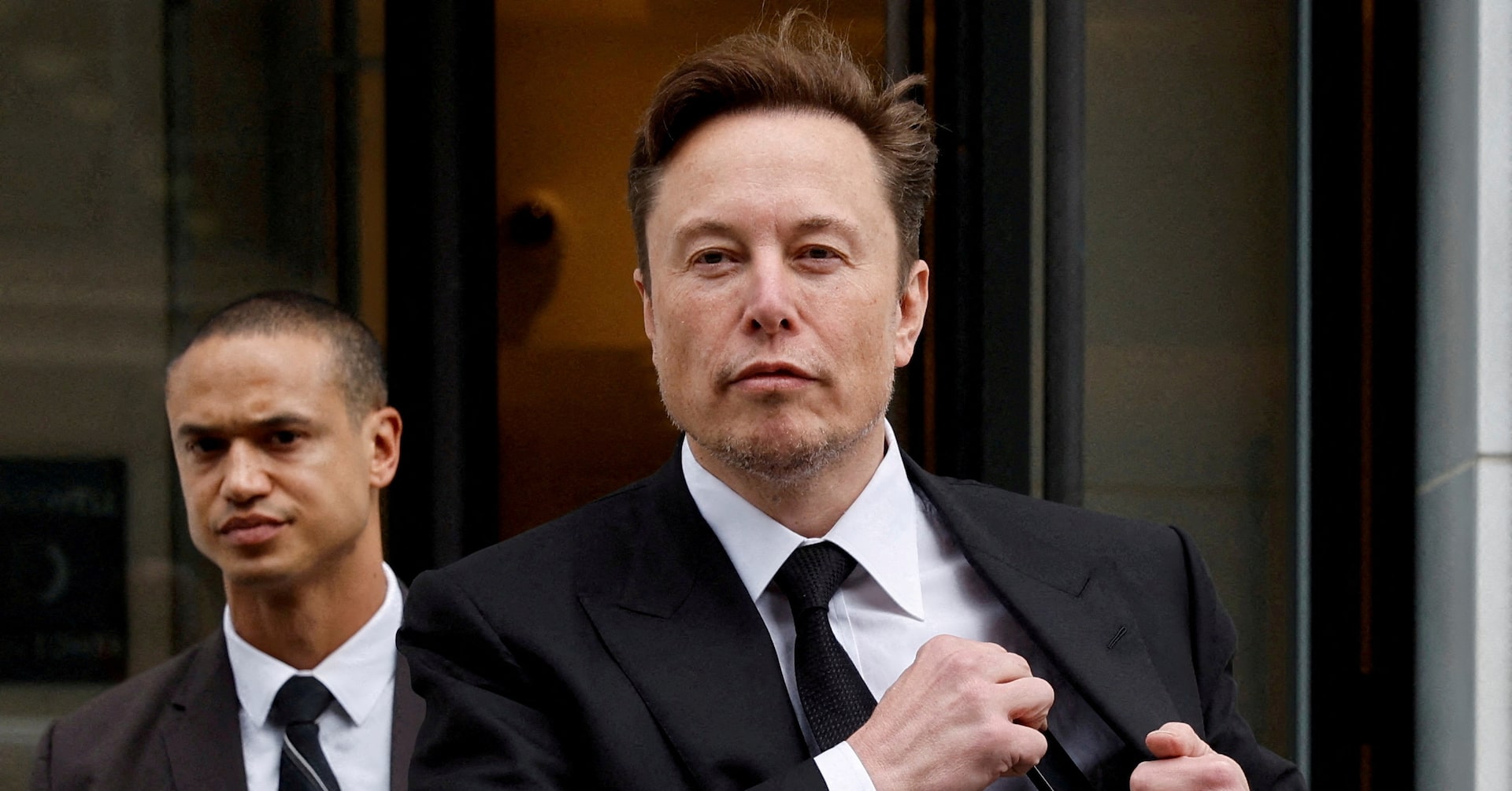
- Robot Autonomous Learning: At the Beijing robot training center, instructors help robots learn to perform tasks independently through manual control and data generation, marking a significant advancement in China's robotics technology and expected to enhance future workforce efficiency.
- Policy Support and Market Positioning: The Chinese government has included humanoid robots in a broader industrial strategy aimed at dominating global markets and supply chains by 2030, demonstrating the nation's commitment to future technologies and investments.
- Diverse Application Scenarios: Robots are being trained for various roles, such as restaurant chefs, bartenders, and traffic cops, and while they currently rely on human assistance, they are expected to operate autonomously in the future, improving efficiency and reducing human involvement in dangerous or repetitive tasks.
- Technological Competition and Innovation: Although Tesla CEO Elon Musk pointed out that his humanoid robots excel in hand design compared to Chinese products, he acknowledged China's manufacturing scalability advantage, indicating that competition between the U.S. and China in the robotics field will intensify.
See More
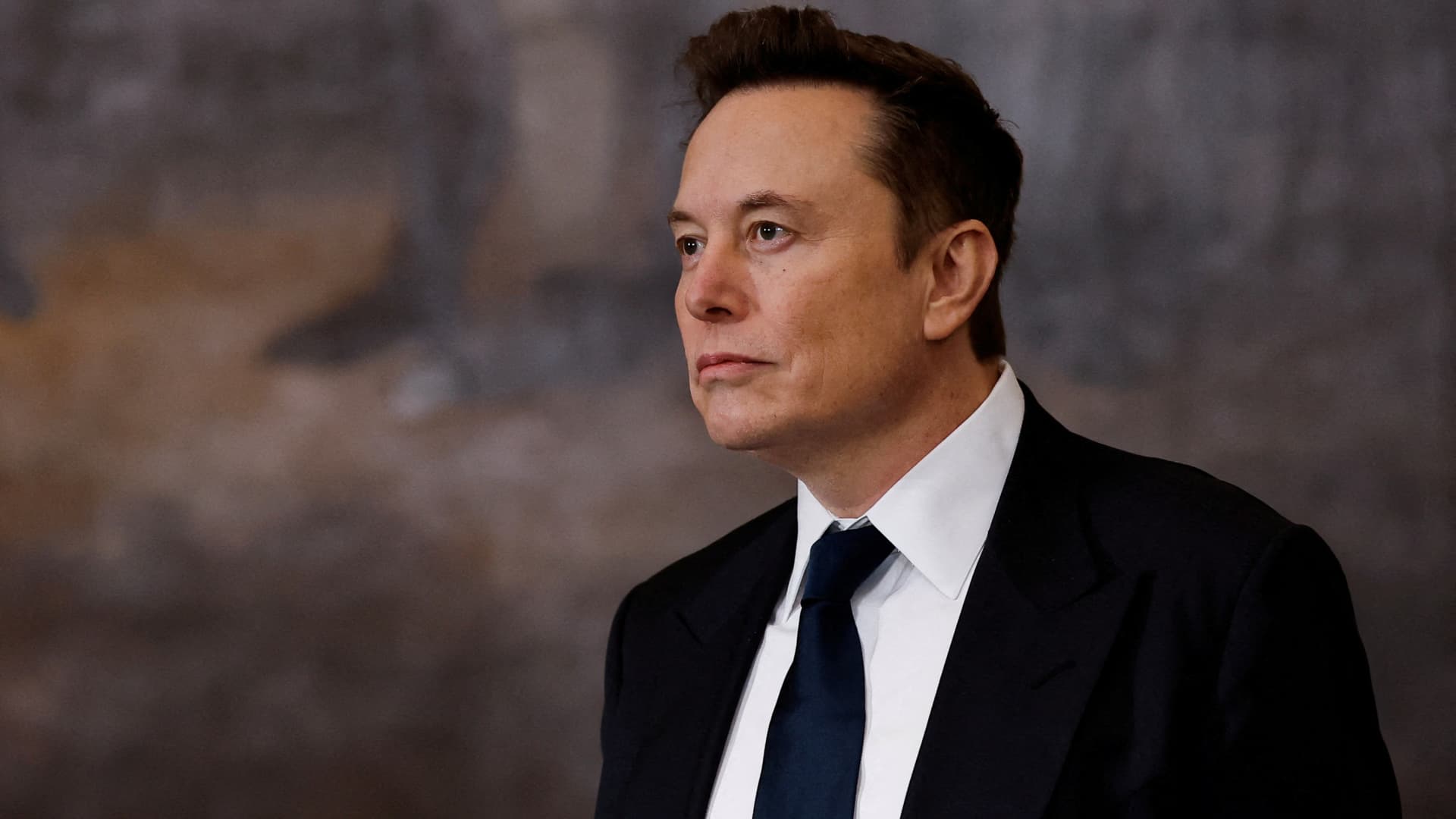
Musk May Drive Merger Between Tesla and SpaceX

- Merger Rumors Resurface: Analyst Dan Ives predicts a potential merger between Tesla and SpaceX by next year, suggesting that this could help Musk gain control over a larger AI ecosystem, facilitating technological integration and collaboration between the two companies.
- Market Expectation Fluctuations: Kalshi traders assign only a 33% probability for the merger to occur before 2027, down from nearly 77% last Friday, indicating significant uncertainty and divergence in market sentiment regarding the timing of the merger.
- Pressure in Chinese Market: Tesla has fallen behind competitors like BYD in electric vehicle sales in China, highlighting the potential urgency for a merger to enhance Tesla's competitive position in this critical market.
- Semiconductor Project Progress: Tesla and SpaceX are developing the Terafab semiconductor manufacturing plant in East Texas, with projected costs up to $119 billion, and a merger could facilitate resource integration and cost management for this ambitious project.
See More
SpaceX's Unique Lock-Up Structure in IPO Filing
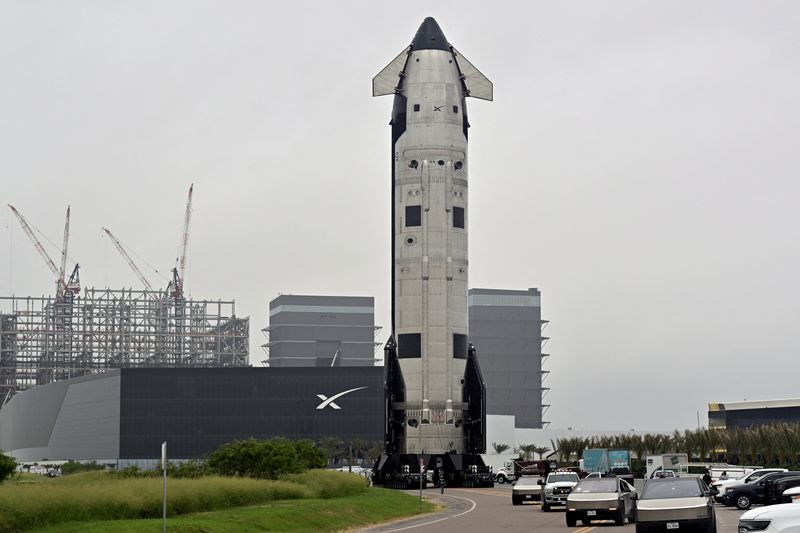
- Innovative Lock-Up Structure: SpaceX's IPO filing introduces a unique lock-up structure that allows insiders to sell shares in phases after the IPO, thereby mitigating the stock pressure typically associated with a traditional lock-up expiration while potentially increasing the float sooner.
- Phased Selling Mechanism: According to the S-1 filing, insiders can sell up to 20% of their locked shares after the first earnings report, with an additional 10% if the stock trades 30% above the IPO price, which will help enhance market liquidity.
- Nasdaq Inclusion Strategy: This lock-up structure is a response to new Nasdaq rules allowing companies with market caps above the top 40 members to be included in the Nasdaq 100 index weeks after their IPO, with SpaceX expected to qualify, thus attracting more institutional investors.
- Founder Lock-Up Clause: While insiders can gradually sell shares, founder Elon Musk will remain locked up and cannot participate in the early-release provisions, a measure aimed at maintaining market stability and boosting investor confidence.
See More
Nio's Q1 Performance Recovers, Stock Sees Modest Gain
- Significant Revenue Growth: Nio's Q1 2026 revenue more than doubled year-over-year, with gross margins continuing to rise, indicating strong performance in the EV market despite ongoing operational losses.
- Increased Delivery Guidance: The company expects Q2 deliveries to range between 110,000 and 115,000 vehicles, a significant increase from 83,500 in Q1, providing initial support for the stock price amid positive delivery forecasts.
- Surge in Trading Volume: Trading volume reached 96.1 million shares, approximately 139% above the three-month average, reflecting heightened market interest and active investor participation in Nio's performance.
- Profitability Challenge: Although adjusted profits remain positive, the company reported a $45 million operational loss, a sharp decline from the approximately $100 million profit in Q4 2025, leading investors to cautiously assess its ability to achieve consistent profitability.
See More
Nio Reports Q1 2026 Results with Revenue Surge
- Significant Revenue Growth: Nio's Q1 2026 revenue more than doubled year-over-year, indicating strong market demand, although the company continues to face ongoing net losses, suggesting important progress on the path to profitability recovery.
- Optimistic Delivery Guidance: The company expects Q2 deliveries to range between 110,000 and 115,000 vehicles, a significant increase from 83,500 in Q1, reflecting management's confidence in future market demand, which could further drive stock price increases.
- Surge in Trading Volume: Trading volume reached 96.1 million shares, about 139% above the three-month average, indicating heightened investor interest in the company's performance, which may impact short-term stock price volatility.
- Profitability Challenges: Despite positive adjusted profits, the company reported a $45 million operational loss, a significant decline from the approximately $100 million profit reported in Q4 2025, leading investors to focus on whether it can achieve sustained profitability to support stock price growth.
See More
China's Humanoid Robot School Trains Future Workforce
- Innovative Robot Training: At the Humanoid Robot Data Training Center in Beijing, over 100 instructors like Fudi Luo are teaching robots to think independently, aiming to transition robots from entertainment to employment, aligning with China's 2030 industrial strategy goals.
- Diverse Skill Development: Robots are trained to perform various tasks, including housekeeping, massage, and metal repair, with an average of 10,000 training sessions required to master new skills, showcasing China's deep expertise in robotics technology.
- Intensifying Market Competition: Tesla CEO Elon Musk highlighted that China's advantage in scaling robot manufacturing makes it the largest competitor globally, emphasizing the rapid development and market potential in this field.
- Future of Human-Robot Collaboration: While many robots currently require human assistance, advancements in technology will enable them to take on more dangerous and repetitive tasks, driving transformation in the labor market and enhancing work efficiency.
See More
China's Robot Training Centers Propel Industrial Upgrade
- Robot Autonomous Learning: At the Beijing robot training center, instructors help robots learn to perform tasks independently through manual control and data generation, marking a significant advancement in China's robotics technology and expected to enhance future workforce efficiency.
- Policy Support and Market Positioning: The Chinese government has included humanoid robots in a broader industrial strategy aimed at dominating global markets and supply chains by 2030, demonstrating the nation's commitment to future technologies and investments.
- Diverse Application Scenarios: Robots are being trained for various roles, such as restaurant chefs, bartenders, and traffic cops, and while they currently rely on human assistance, they are expected to operate autonomously in the future, improving efficiency and reducing human involvement in dangerous or repetitive tasks.
- Technological Competition and Innovation: Although Tesla CEO Elon Musk pointed out that his humanoid robots excel in hand design compared to Chinese products, he acknowledged China's manufacturing scalability advantage, indicating that competition between the U.S. and China in the robotics field will intensify.
See More
Musk May Drive Merger Between Tesla and SpaceX
- Merger Rumors Resurface: Analyst Dan Ives predicts a potential merger between Tesla and SpaceX by next year, suggesting that this could help Musk gain control over a larger AI ecosystem, facilitating technological integration and collaboration between the two companies.
- Market Expectation Fluctuations: Kalshi traders assign only a 33% probability for the merger to occur before 2027, down from nearly 77% last Friday, indicating significant uncertainty and divergence in market sentiment regarding the timing of the merger.
- Pressure in Chinese Market: Tesla has fallen behind competitors like BYD in electric vehicle sales in China, highlighting the potential urgency for a merger to enhance Tesla's competitive position in this critical market.
- Semiconductor Project Progress: Tesla and SpaceX are developing the Terafab semiconductor manufacturing plant in East Texas, with projected costs up to $119 billion, and a merger could facilitate resource integration and cost management for this ambitious project.
See More