Chevron Stock Soars Amid Surge in Global Oil Prices
Written by Emily J. Thompson, Senior Investment Analyst
Updated: Apr 07 2026
0mins

Source: Fool
- Oil Price Surge: The war with Iran caused Brent crude prices to skyrocket by 43% in March, closing at nearly $104 per barrel, marking the largest monthly gain since 2020, which directly contributed to Chevron's 10.8% stock increase.
- Earnings Outlook Boost: Every $1 increase in Brent oil price translates to an additional $600 million in annualized earnings for Chevron, making the prospect of higher earnings a significant driver for the stock's surge, highlighting the company's profitability in a high oil price environment.
- Venezuela Production Deal: Chevron is nearing a deal with Venezuela to secure production rights in the Ayacucho 8 area, which would significantly enhance its output in the country and further strengthen its growth prospects.
- Collaboration with Microsoft: Chevron and Engine No. 1 have entered into an exclusive agreement to develop a 2.5-gigawatt gas-fired power plant in partnership with Microsoft, with an estimated cost of $7 billion, which will utilize Chevron's natural gas production for power generation, thereby reducing overall earnings volatility.
Trade with 70% Backtested Accuracy
Stop guessing "Should I Buy CVX?" and start using high-conviction signals backed by rigorous historical data.
Sign up today to access powerful investing tools and make smarter, data-driven decisions.
Analyst Views on CVX
Wall Street analysts forecast CVX stock price to fall
19 Analyst Rating
15 Buy
4 Hold
0 Sell
Strong Buy
Current: 185.830

Low
158.00
Averages
176.95
High
206.00
Current: 185.830
Low
158.00
Averages
176.95
High
206.00
About CVX
Chevron Corporation is an integrated energy company. The Company produces crude oil and natural gas; manufactures transportation fuels, lubricants, petrochemicals and additives; and develops technologies that enhance its business and industry. The Company’s segments include Upstream and Downstream. Upstream operations consist primarily of exploring for, developing, producing and transporting crude oil and natural gas; liquefaction, transportation and regasification associated with LNG; transporting crude oil by major international oil export pipelines; processing, transporting, storage and marketing of natural gas; carbon capture and storage; and a gas-to-liquids plant. Downstream operations consist primarily of the refining of crude oil into petroleum products; marketing crude oil, refined products, and lubricants; manufacturing and marketing of renewable fuels, and transporting of crude oil and refined products by pipeline, marine vessel, motor equipment and rail car.
About the author

Emily J. Thompson
Emily J. Thompson, a Chartered Financial Analyst (CFA) with 12 years in investment research, graduated with honors from the Wharton School. Specializing in industrial and technology stocks, she provides in-depth analysis for Intellectia’s earnings and market brief reports.

Chevron Reports Q1 2026 Earnings Decline Amid Production Growth

- Earnings Decline: Chevron reported adjusted earnings of $1.41 per share for Q1 2026, significantly down from $2.18 in the same period last year, indicating pressure on profitability amid challenging market conditions.
- Hedging Impact: The company's hedging activities negatively impacted earnings by $2.9 billion in the first quarter, although this effect is expected to reverse in future quarters, leading to a distorted view of current performance.
- Production Growth: Despite geopolitical tensions in the Middle East, Chevron achieved a 15% year-over-year increase in global production and a 24% rise in the U.S. market, with the Permian Basin exceeding one million barrels per day for the fifth consecutive quarter, showcasing resilience in a complex environment.
- Long-Term Strategy: Chevron's management is focused on generating robust cash flow from the Permian Basin, with potential for further production increases despite the ongoing integration of Hess, reflecting a commitment to pursuing long-term growth amid uncertainty.
See More

Oil Prices Plummet, Market Outlook Analysis

- Significant Price Drop: Brent crude prices fell nearly 20% in May, closing at $92.05 per barrel, marking the largest monthly decline since 2020, driven by market optimism regarding a potential peace deal between the U.S. and Iran.
- Tight Inventory Levels: Global oil consumption is nearly 9 million barrels per day above current supply, causing inventory levels to drop about 2% below the five-year average, prompting executives at ExxonMobil and Chevron to warn of potential price surges in the coming weeks.
- Risks and Opportunities: While optimism was dampened in early June with Iran halting peace talks, oil prices could continue to rise if no agreement is reached, especially with the risk of attacks on energy infrastructure in the Persian Gulf.
- Investment Timing: With oil prices expected to remain high for the rest of the year and potentially surge in the coming weeks, now is the time to buy oil stocks, with ExxonMobil and Chevron being strong candidates due to their growth potential even if prices decline.
See More

Energy Stocks Rise with NYSE Energy Sector Index Up 1.8%

- Strong Energy Stock Performance: Late Monday afternoon, energy stocks broadly rose, with the NYSE Energy Sector Index increasing by 1.8%, reflecting market optimism regarding a recovery in energy demand, which could drive profitability for related companies.
- Market Sentiment Improvement: As signs of global economic recovery strengthen, investor confidence in the energy sector has increased, leading to capital inflows into energy stocks, thereby enhancing overall market performance and indicating a positive outlook for future energy demand.
- Optimistic Industry Outlook: Analysts note that as economic activities resume, energy demand is expected to continue growing, which will bring higher revenues and profits to energy companies, further solidifying their positions in the capital markets.
- Investor Focus Shift: The rise in energy stocks has attracted more investor attention, potentially leading to short-term capital inflows that could drive up related stock prices and enhance market activity.
See More
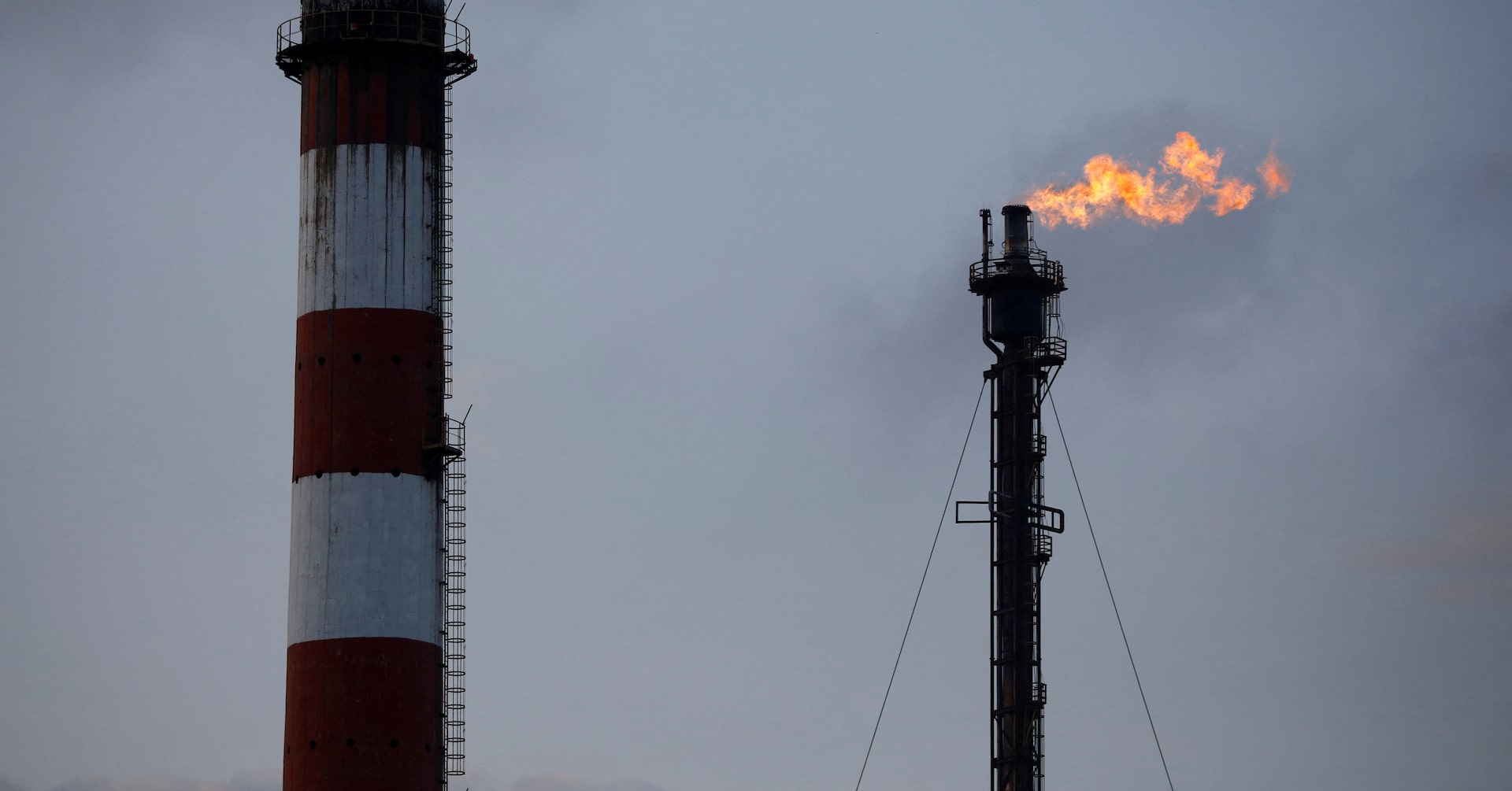
Venezuela's Oil Exports Continue to Rise
- Export Volume Increase: Venezuela's oil exports rose slightly to 1.25 million barrels per day in May, marking the third consecutive month of growth, primarily driven by increased shipments to the U.S., India, and Europe, indicating a recovery in international demand for its heavy crude.
- Production Recovery: Under the U.S.-backed interim President Delcy Rodriguez, Venezuelan crude production and exports have rebounded this year, with forecasts suggesting an output of 1.37 million bpd by year-end, representing a 22% increase from 1.12 million bpd in late 2025, the highest level since U.S. energy sanctions were imposed in 2019.
- Market Diversification: The volume of crude and refined products exported in May was 0.7% higher than in April and 61% above the same month last year, demonstrating Venezuela's ability to resume sales to countries it had not exported to for years, further diversifying its market.
- Major Buyers: The U.S. remained the largest destination for Venezuelan oil, with imports of 558,000 bpd in May, followed by India at 427,000 bpd and Europe at 169,000 bpd, indicating sustained demand for Venezuela's heavy crude from these regions.
See More
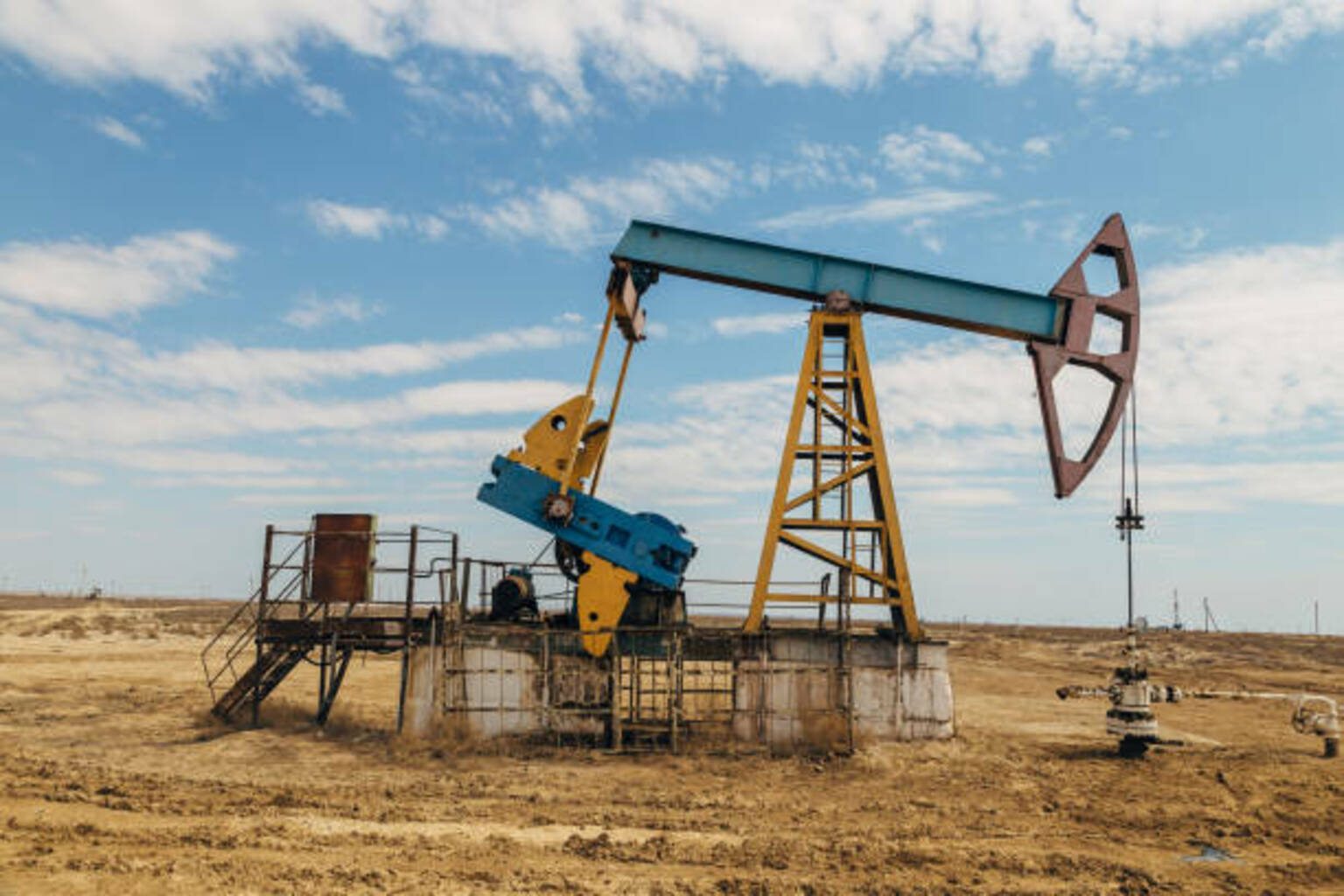
Kazakhstan Restores Oil Production to Normal Levels
- Production Recovery: Kazakhstan's largest oil field, Tengiz, has restored its production from 310K bbl/day on May 28 to approximately 900K bbl/day by May 31 after an unspecified accident, demonstrating a rapid recovery that positively impacts the national economy.
- Shareholder Structure: The Tengizchevroil joint venture is led by Chevron (CVX) with a 50% stake, followed by Exxon Mobil (XOM) at 25%, Kazakhstan's state-run KazMunayGaz at 20%, and Russia's Lukoil at 5%, ensuring project stability and ongoing investment.
- Maintenance Delay at Kashagan: The second-largest oil field, Kashagan, has postponed routine maintenance until 2027 due to surging crude prices from the Iran war, expected to maintain a production level of around 400K bbl/day, which is crucial for global oil market balance.
- Global Supply Impact: Kazakhstan produces about 2% of the world's daily crude oil supply and plays a key role in the European market, especially as the Iran war has nearly halted shipping through the Strait of Hormuz, making Kazakhstan's oil supply increasingly vital.
See More

Top Companies in AI Adoption Revealed


- AI Adoption Scores: A new study from the AI-Driven Enterprise Institute reveals that Nvidia, Meta, and Schlumberger lead S&P 500 companies with perfect scores of 100, showcasing their exceptional performance in AI technology implementation and solidifying their market leadership in their respective industries.
- Industry Impact: Nvidia, as the world's largest chipmaker, drives technological advancements across the industry through its pivotal role in AI model and service development, while Meta and Amazon demonstrate strong AI application capabilities in communication services and consumer goods, enhancing customer experience and operational efficiency.
- Data-Driven Assessment: The study employs publicly available data such as earnings calls, job openings, and patent applications to objectively evaluate executives' understanding and prioritization of AI, aiding companies in better risk management and investment decisions to enhance overall competitiveness.
- Room for Improvement: Despite the strong performance of leading companies, AIDE's CEO Paul Cheek emphasizes that there is significant room for improvement in AI literacy among board members and executives, highlighting the importance of understanding AI's role in creating value for informed strategic investments in the future.
See More
Chevron Reports Q1 2026 Earnings Decline Amid Production Growth
- Earnings Decline: Chevron reported adjusted earnings of $1.41 per share for Q1 2026, significantly down from $2.18 in the same period last year, indicating pressure on profitability amid challenging market conditions.
- Hedging Impact: The company's hedging activities negatively impacted earnings by $2.9 billion in the first quarter, although this effect is expected to reverse in future quarters, leading to a distorted view of current performance.
- Production Growth: Despite geopolitical tensions in the Middle East, Chevron achieved a 15% year-over-year increase in global production and a 24% rise in the U.S. market, with the Permian Basin exceeding one million barrels per day for the fifth consecutive quarter, showcasing resilience in a complex environment.
- Long-Term Strategy: Chevron's management is focused on generating robust cash flow from the Permian Basin, with potential for further production increases despite the ongoing integration of Hess, reflecting a commitment to pursuing long-term growth amid uncertainty.
See More
Oil Prices Plummet, Market Outlook Analysis
- Significant Price Drop: Brent crude prices fell nearly 20% in May, closing at $92.05 per barrel, marking the largest monthly decline since 2020, driven by market optimism regarding a potential peace deal between the U.S. and Iran.
- Tight Inventory Levels: Global oil consumption is nearly 9 million barrels per day above current supply, causing inventory levels to drop about 2% below the five-year average, prompting executives at ExxonMobil and Chevron to warn of potential price surges in the coming weeks.
- Risks and Opportunities: While optimism was dampened in early June with Iran halting peace talks, oil prices could continue to rise if no agreement is reached, especially with the risk of attacks on energy infrastructure in the Persian Gulf.
- Investment Timing: With oil prices expected to remain high for the rest of the year and potentially surge in the coming weeks, now is the time to buy oil stocks, with ExxonMobil and Chevron being strong candidates due to their growth potential even if prices decline.
See More
Energy Stocks Rise with NYSE Energy Sector Index Up 1.8%
- Strong Energy Stock Performance: Late Monday afternoon, energy stocks broadly rose, with the NYSE Energy Sector Index increasing by 1.8%, reflecting market optimism regarding a recovery in energy demand, which could drive profitability for related companies.
- Market Sentiment Improvement: As signs of global economic recovery strengthen, investor confidence in the energy sector has increased, leading to capital inflows into energy stocks, thereby enhancing overall market performance and indicating a positive outlook for future energy demand.
- Optimistic Industry Outlook: Analysts note that as economic activities resume, energy demand is expected to continue growing, which will bring higher revenues and profits to energy companies, further solidifying their positions in the capital markets.
- Investor Focus Shift: The rise in energy stocks has attracted more investor attention, potentially leading to short-term capital inflows that could drive up related stock prices and enhance market activity.
See More
Venezuela's Oil Exports Continue to Rise
- Export Volume Increase: Venezuela's oil exports rose slightly to 1.25 million barrels per day in May, marking the third consecutive month of growth, primarily driven by increased shipments to the U.S., India, and Europe, indicating a recovery in international demand for its heavy crude.
- Production Recovery: Under the U.S.-backed interim President Delcy Rodriguez, Venezuelan crude production and exports have rebounded this year, with forecasts suggesting an output of 1.37 million bpd by year-end, representing a 22% increase from 1.12 million bpd in late 2025, the highest level since U.S. energy sanctions were imposed in 2019.
- Market Diversification: The volume of crude and refined products exported in May was 0.7% higher than in April and 61% above the same month last year, demonstrating Venezuela's ability to resume sales to countries it had not exported to for years, further diversifying its market.
- Major Buyers: The U.S. remained the largest destination for Venezuelan oil, with imports of 558,000 bpd in May, followed by India at 427,000 bpd and Europe at 169,000 bpd, indicating sustained demand for Venezuela's heavy crude from these regions.
See More
Kazakhstan Restores Oil Production to Normal Levels
- Production Recovery: Kazakhstan's largest oil field, Tengiz, has restored its production from 310K bbl/day on May 28 to approximately 900K bbl/day by May 31 after an unspecified accident, demonstrating a rapid recovery that positively impacts the national economy.
- Shareholder Structure: The Tengizchevroil joint venture is led by Chevron (CVX) with a 50% stake, followed by Exxon Mobil (XOM) at 25%, Kazakhstan's state-run KazMunayGaz at 20%, and Russia's Lukoil at 5%, ensuring project stability and ongoing investment.
- Maintenance Delay at Kashagan: The second-largest oil field, Kashagan, has postponed routine maintenance until 2027 due to surging crude prices from the Iran war, expected to maintain a production level of around 400K bbl/day, which is crucial for global oil market balance.
- Global Supply Impact: Kazakhstan produces about 2% of the world's daily crude oil supply and plays a key role in the European market, especially as the Iran war has nearly halted shipping through the Strait of Hormuz, making Kazakhstan's oil supply increasingly vital.
See More
Top Companies in AI Adoption Revealed
- AI Adoption Scores: A new study from the AI-Driven Enterprise Institute reveals that Nvidia, Meta, and Schlumberger lead S&P 500 companies with perfect scores of 100, showcasing their exceptional performance in AI technology implementation and solidifying their market leadership in their respective industries.
- Industry Impact: Nvidia, as the world's largest chipmaker, drives technological advancements across the industry through its pivotal role in AI model and service development, while Meta and Amazon demonstrate strong AI application capabilities in communication services and consumer goods, enhancing customer experience and operational efficiency.
- Data-Driven Assessment: The study employs publicly available data such as earnings calls, job openings, and patent applications to objectively evaluate executives' understanding and prioritization of AI, aiding companies in better risk management and investment decisions to enhance overall competitiveness.
- Room for Improvement: Despite the strong performance of leading companies, AIDE's CEO Paul Cheek emphasizes that there is significant room for improvement in AI literacy among board members and executives, highlighting the importance of understanding AI's role in creating value for informed strategic investments in the future.
See More