Chevron Applies for Argentina's Investment Incentive Program for $13.8B Oil Project
Written by Emily J. Thompson, Senior Investment Analyst
Updated: 1 hour ago
0mins
Source: seekingalpha
- Major Investment Initiative: Chevron has applied to join Argentina's investment incentive program, planning a $13.8 billion investment in the Vaca Muerta shale play, marking a significant bet on one of the world's largest shale oil and gas reserves, which is expected to provide crucial support for Argentina's economic revival.
- Policy Support Acknowledgment: Chevron commended the Argentine government for meaningful progress in unlocking world-class energy resources, emphasizing the importance of the RIGI framework in providing regulatory predictability and incentivizing long-term investment decisions, reflecting confidence in Argentina's energy sector.
- Foreign Investment Strategy: President Milei's investment incentive regime is viewed as a key tool to attract foreign capital into strategic sectors such as energy, mining, and infrastructure, which is expected to stimulate national economic growth and enhance investor confidence.
- Optimistic Industry Outlook: Chevron's investment is poised to not only drive local economic development but also potentially yield long-term returns for the company, especially against the backdrop of sustained global energy demand, further solidifying its position in the international market.
Trade with 70% Backtested Accuracy
Stop guessing "Should I Buy CVX?" and start using high-conviction signals backed by rigorous historical data.
Sign up today to access powerful investing tools and make smarter, data-driven decisions.
Analyst Views on CVX
Wall Street analysts forecast CVX stock price to fall
19 Analyst Rating
15 Buy
4 Hold
0 Sell
Strong Buy
Current: 185.830

Low
158.00
Averages
176.95
High
206.00
Current: 185.830
Low
158.00
Averages
176.95
High
206.00
About CVX
Chevron Corporation is an integrated energy company. The Company produces crude oil and natural gas; manufactures transportation fuels, lubricants, petrochemicals and additives; and develops technologies that enhance its business and industry. The Company’s segments include Upstream and Downstream. Upstream operations consist primarily of exploring for, developing, producing and transporting crude oil and natural gas; liquefaction, transportation and regasification associated with LNG; transporting crude oil by major international oil export pipelines; processing, transporting, storage and marketing of natural gas; carbon capture and storage; and a gas-to-liquids plant. Downstream operations consist primarily of the refining of crude oil into petroleum products; marketing crude oil, refined products, and lubricants; manufacturing and marketing of renewable fuels, and transporting of crude oil and refined products by pipeline, marine vessel, motor equipment and rail car.
About the author

Emily J. Thompson
Emily J. Thompson, a Chartered Financial Analyst (CFA) with 12 years in investment research, graduated with honors from the Wharton School. Specializing in industrial and technology stocks, she provides in-depth analysis for Intellectia’s earnings and market brief reports.
Chevron Applies for Argentina's Investment Incentive Program for $13.8B Oil Project

- Major Investment Initiative: Chevron has applied to join Argentina's investment incentive program, planning a $13.8 billion investment in the Vaca Muerta shale play, marking a significant bet on one of the world's largest shale oil and gas reserves, which is expected to provide crucial support for Argentina's economic revival.
- Policy Support Acknowledgment: Chevron commended the Argentine government for meaningful progress in unlocking world-class energy resources, emphasizing the importance of the RIGI framework in providing regulatory predictability and incentivizing long-term investment decisions, reflecting confidence in Argentina's energy sector.
- Foreign Investment Strategy: President Milei's investment incentive regime is viewed as a key tool to attract foreign capital into strategic sectors such as energy, mining, and infrastructure, which is expected to stimulate national economic growth and enhance investor confidence.
- Optimistic Industry Outlook: Chevron's investment is poised to not only drive local economic development but also potentially yield long-term returns for the company, especially against the backdrop of sustained global energy demand, further solidifying its position in the international market.
See More

New Fed Chair Appoints Conservative Advisors
- New Chair Appointments: Federal Reserve Chair Kevin Warsh has appointed conservative economic policy researchers Paul Winfree and Daniel Heil as temporary advisors, aiming to bolster his policy analysis and planning, indicating a conservative shift in economic policy.
- Policy Analysis Focus: Winfree, who previously worked on the Domestic Policy Council under Trump, authored a chapter in the conservative blueprint 'Project 2025' proposing various reforms for the Fed, which could significantly influence future monetary policy directions.
- Advisory Network Scrutiny: Warsh's advisory network includes prominent figures like former Secretary of State Condoleezza Rice and investor Stanley Druckenmiller, but his relatively few advisors with Fed experience may impact the effectiveness of policy implementation.
- Dual Mandate Controversy: While Warsh expressed support for the Fed's dual mandate during his swearing-in, Winfree's suggestion to end this mandate in favor of focusing solely on dollar protection and inflation control reveals potential internal policy disagreements.
See More

Oil Prices Plummet, Market Outlook Analysis

- Significant Price Drop: Brent crude prices fell nearly 20% in May, closing at $92.05 per barrel, marking the largest monthly decline since 2020, driven by market optimism regarding a potential peace deal between the U.S. and Iran.
- Tight Inventory Levels: Global oil consumption is nearly 9 million barrels per day above current supply, causing inventory levels to drop about 2% below the five-year average, prompting executives at ExxonMobil and Chevron to warn of potential price surges in the coming weeks.
- Risks and Opportunities: While optimism was dampened in early June with Iran halting peace talks, oil prices could continue to rise if no agreement is reached, especially with the risk of attacks on energy infrastructure in the Persian Gulf.
- Investment Timing: With oil prices expected to remain high for the rest of the year and potentially surge in the coming weeks, now is the time to buy oil stocks, with ExxonMobil and Chevron being strong candidates due to their growth potential even if prices decline.
See More

Energy Stocks Rise with NYSE Energy Sector Index Up 1.8%

- Strong Energy Stock Performance: Late Monday afternoon, energy stocks broadly rose, with the NYSE Energy Sector Index increasing by 1.8%, reflecting market optimism regarding a recovery in energy demand, which could drive profitability for related companies.
- Market Sentiment Improvement: As signs of global economic recovery strengthen, investor confidence in the energy sector has increased, leading to capital inflows into energy stocks, thereby enhancing overall market performance and indicating a positive outlook for future energy demand.
- Optimistic Industry Outlook: Analysts note that as economic activities resume, energy demand is expected to continue growing, which will bring higher revenues and profits to energy companies, further solidifying their positions in the capital markets.
- Investor Focus Shift: The rise in energy stocks has attracted more investor attention, potentially leading to short-term capital inflows that could drive up related stock prices and enhance market activity.
See More
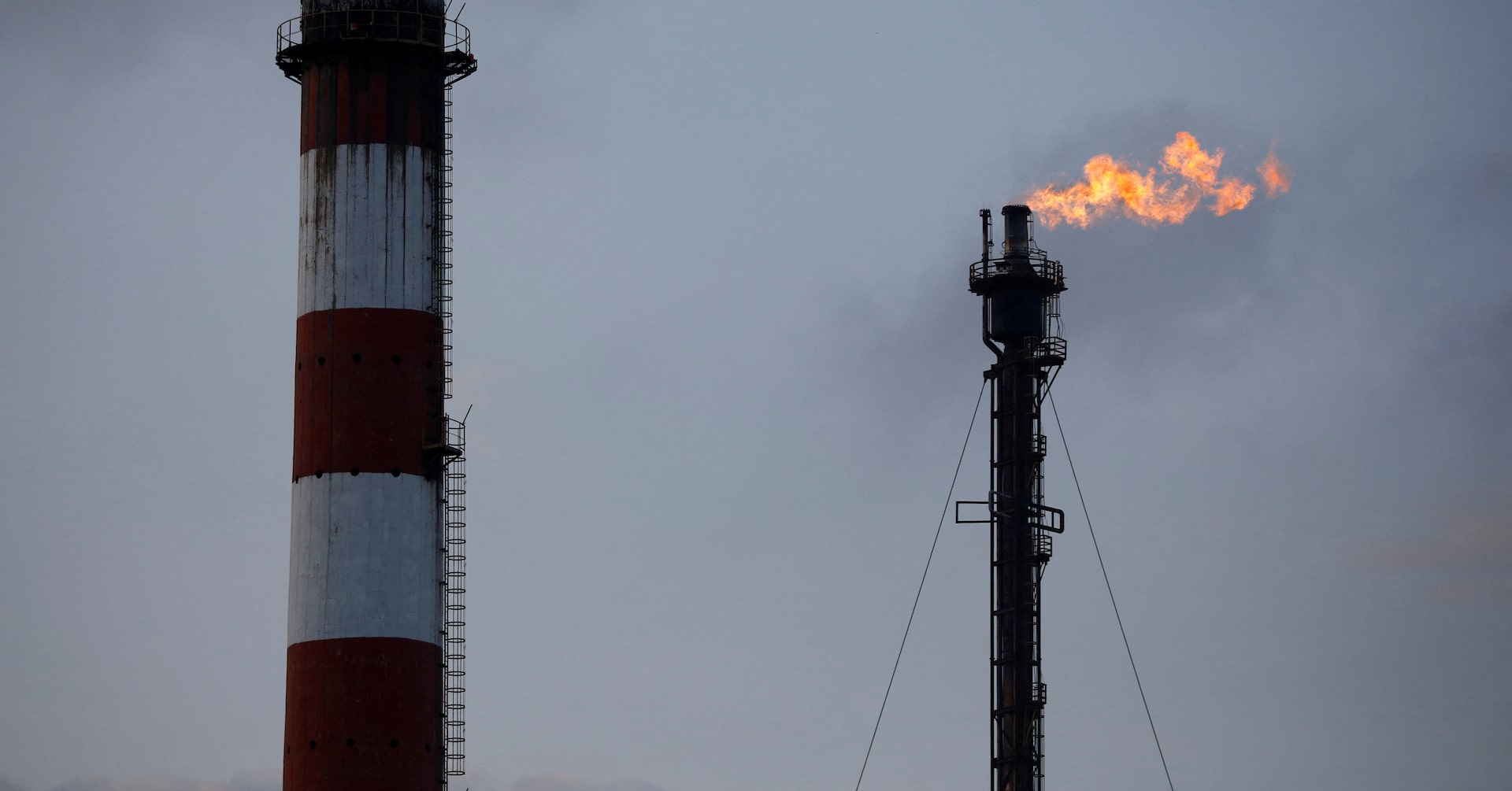
Venezuela's Oil Exports Continue to Rise
- Export Volume Increase: Venezuela's oil exports rose slightly to 1.25 million barrels per day in May, marking the third consecutive month of growth, primarily driven by increased shipments to the U.S., India, and Europe, indicating a recovery in international demand for its heavy crude.
- Production Recovery: Under the U.S.-backed interim President Delcy Rodriguez, Venezuelan crude production and exports have rebounded this year, with forecasts suggesting an output of 1.37 million bpd by year-end, representing a 22% increase from 1.12 million bpd in late 2025, the highest level since U.S. energy sanctions were imposed in 2019.
- Market Diversification: The volume of crude and refined products exported in May was 0.7% higher than in April and 61% above the same month last year, demonstrating Venezuela's ability to resume sales to countries it had not exported to for years, further diversifying its market.
- Major Buyers: The U.S. remained the largest destination for Venezuelan oil, with imports of 558,000 bpd in May, followed by India at 427,000 bpd and Europe at 169,000 bpd, indicating sustained demand for Venezuela's heavy crude from these regions.
See More
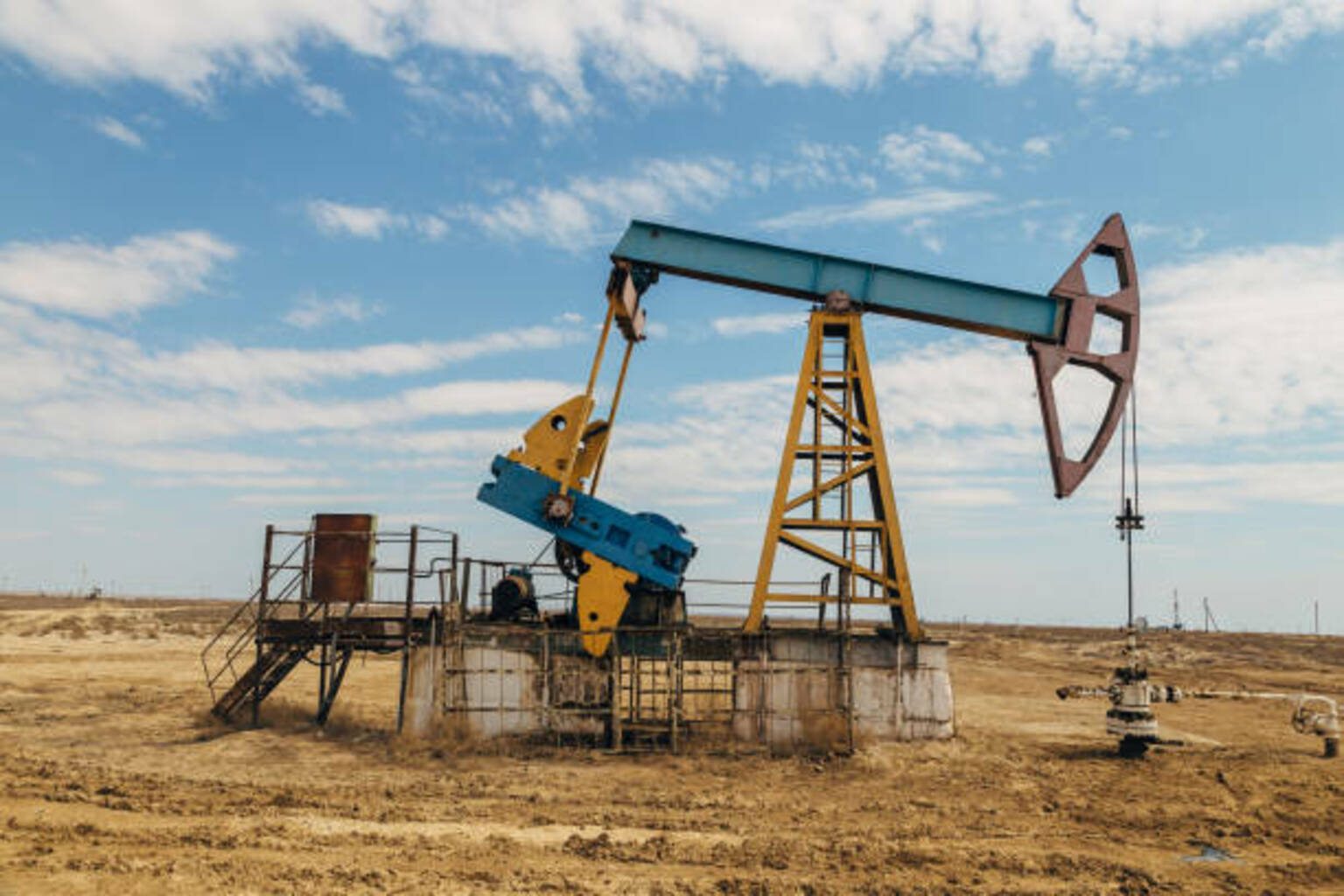
Kazakhstan Restores Oil Production to Normal Levels
- Production Recovery: Kazakhstan's largest oil field, Tengiz, has restored its production from 310K bbl/day on May 28 to approximately 900K bbl/day by May 31 after an unspecified accident, demonstrating a rapid recovery that positively impacts the national economy.
- Shareholder Structure: The Tengizchevroil joint venture is led by Chevron (CVX) with a 50% stake, followed by Exxon Mobil (XOM) at 25%, Kazakhstan's state-run KazMunayGaz at 20%, and Russia's Lukoil at 5%, ensuring project stability and ongoing investment.
- Maintenance Delay at Kashagan: The second-largest oil field, Kashagan, has postponed routine maintenance until 2027 due to surging crude prices from the Iran war, expected to maintain a production level of around 400K bbl/day, which is crucial for global oil market balance.
- Global Supply Impact: Kazakhstan produces about 2% of the world's daily crude oil supply and plays a key role in the European market, especially as the Iran war has nearly halted shipping through the Strait of Hormuz, making Kazakhstan's oil supply increasingly vital.
See More
Chevron Applies for Argentina's Investment Incentive Program for $13.8B Oil Project
- Major Investment Initiative: Chevron has applied to join Argentina's investment incentive program, planning a $13.8 billion investment in the Vaca Muerta shale play, marking a significant bet on one of the world's largest shale oil and gas reserves, which is expected to provide crucial support for Argentina's economic revival.
- Policy Support Acknowledgment: Chevron commended the Argentine government for meaningful progress in unlocking world-class energy resources, emphasizing the importance of the RIGI framework in providing regulatory predictability and incentivizing long-term investment decisions, reflecting confidence in Argentina's energy sector.
- Foreign Investment Strategy: President Milei's investment incentive regime is viewed as a key tool to attract foreign capital into strategic sectors such as energy, mining, and infrastructure, which is expected to stimulate national economic growth and enhance investor confidence.
- Optimistic Industry Outlook: Chevron's investment is poised to not only drive local economic development but also potentially yield long-term returns for the company, especially against the backdrop of sustained global energy demand, further solidifying its position in the international market.
See More
New Fed Chair Appoints Conservative Advisors
- New Chair Appointments: Federal Reserve Chair Kevin Warsh has appointed conservative economic policy researchers Paul Winfree and Daniel Heil as temporary advisors, aiming to bolster his policy analysis and planning, indicating a conservative shift in economic policy.
- Policy Analysis Focus: Winfree, who previously worked on the Domestic Policy Council under Trump, authored a chapter in the conservative blueprint 'Project 2025' proposing various reforms for the Fed, which could significantly influence future monetary policy directions.
- Advisory Network Scrutiny: Warsh's advisory network includes prominent figures like former Secretary of State Condoleezza Rice and investor Stanley Druckenmiller, but his relatively few advisors with Fed experience may impact the effectiveness of policy implementation.
- Dual Mandate Controversy: While Warsh expressed support for the Fed's dual mandate during his swearing-in, Winfree's suggestion to end this mandate in favor of focusing solely on dollar protection and inflation control reveals potential internal policy disagreements.
See More
Oil Prices Plummet, Market Outlook Analysis
- Significant Price Drop: Brent crude prices fell nearly 20% in May, closing at $92.05 per barrel, marking the largest monthly decline since 2020, driven by market optimism regarding a potential peace deal between the U.S. and Iran.
- Tight Inventory Levels: Global oil consumption is nearly 9 million barrels per day above current supply, causing inventory levels to drop about 2% below the five-year average, prompting executives at ExxonMobil and Chevron to warn of potential price surges in the coming weeks.
- Risks and Opportunities: While optimism was dampened in early June with Iran halting peace talks, oil prices could continue to rise if no agreement is reached, especially with the risk of attacks on energy infrastructure in the Persian Gulf.
- Investment Timing: With oil prices expected to remain high for the rest of the year and potentially surge in the coming weeks, now is the time to buy oil stocks, with ExxonMobil and Chevron being strong candidates due to their growth potential even if prices decline.
See More
Energy Stocks Rise with NYSE Energy Sector Index Up 1.8%
- Strong Energy Stock Performance: Late Monday afternoon, energy stocks broadly rose, with the NYSE Energy Sector Index increasing by 1.8%, reflecting market optimism regarding a recovery in energy demand, which could drive profitability for related companies.
- Market Sentiment Improvement: As signs of global economic recovery strengthen, investor confidence in the energy sector has increased, leading to capital inflows into energy stocks, thereby enhancing overall market performance and indicating a positive outlook for future energy demand.
- Optimistic Industry Outlook: Analysts note that as economic activities resume, energy demand is expected to continue growing, which will bring higher revenues and profits to energy companies, further solidifying their positions in the capital markets.
- Investor Focus Shift: The rise in energy stocks has attracted more investor attention, potentially leading to short-term capital inflows that could drive up related stock prices and enhance market activity.
See More
Venezuela's Oil Exports Continue to Rise
- Export Volume Increase: Venezuela's oil exports rose slightly to 1.25 million barrels per day in May, marking the third consecutive month of growth, primarily driven by increased shipments to the U.S., India, and Europe, indicating a recovery in international demand for its heavy crude.
- Production Recovery: Under the U.S.-backed interim President Delcy Rodriguez, Venezuelan crude production and exports have rebounded this year, with forecasts suggesting an output of 1.37 million bpd by year-end, representing a 22% increase from 1.12 million bpd in late 2025, the highest level since U.S. energy sanctions were imposed in 2019.
- Market Diversification: The volume of crude and refined products exported in May was 0.7% higher than in April and 61% above the same month last year, demonstrating Venezuela's ability to resume sales to countries it had not exported to for years, further diversifying its market.
- Major Buyers: The U.S. remained the largest destination for Venezuelan oil, with imports of 558,000 bpd in May, followed by India at 427,000 bpd and Europe at 169,000 bpd, indicating sustained demand for Venezuela's heavy crude from these regions.
See More
Kazakhstan Restores Oil Production to Normal Levels
- Production Recovery: Kazakhstan's largest oil field, Tengiz, has restored its production from 310K bbl/day on May 28 to approximately 900K bbl/day by May 31 after an unspecified accident, demonstrating a rapid recovery that positively impacts the national economy.
- Shareholder Structure: The Tengizchevroil joint venture is led by Chevron (CVX) with a 50% stake, followed by Exxon Mobil (XOM) at 25%, Kazakhstan's state-run KazMunayGaz at 20%, and Russia's Lukoil at 5%, ensuring project stability and ongoing investment.
- Maintenance Delay at Kashagan: The second-largest oil field, Kashagan, has postponed routine maintenance until 2027 due to surging crude prices from the Iran war, expected to maintain a production level of around 400K bbl/day, which is crucial for global oil market balance.
- Global Supply Impact: Kazakhstan produces about 2% of the world's daily crude oil supply and plays a key role in the European market, especially as the Iran war has nearly halted shipping through the Strait of Hormuz, making Kazakhstan's oil supply increasingly vital.
See More