Chevron Acquires Over 70% Stake in Greece's Helleniq Energy
Written by Emily J. Thompson, Senior Investment Analyst
Updated: 3 days ago
0mins
Chevron (CVX) filed a request to take an over 70% stake from Greece's Helleniq Energy (HLPMF) in an offshore block southwest of Greece, Reuters reports. The deal, which will further expand the United States' presence in the Mediterranean, will see Chevron becoming the operator and lead the search for gas in Block 2, with Helleniq retaining a 30% stake in the endeavor.
Trade with 70% Backtested Accuracy
Stop guessing "Should I Buy CVX?" and start using high-conviction signals backed by rigorous historical data.
Sign up today to access powerful investing tools and make smarter, data-driven decisions.
Analyst Views on CVX
Wall Street analysts forecast CVX stock price to fall
19 Analyst Rating
15 Buy
4 Hold
0 Sell
Strong Buy
Current: 183.030

Low
158.00
Averages
176.95
High
206.00
Current: 183.030
Low
158.00
Averages
176.95
High
206.00
About CVX
Chevron Corporation is an integrated energy company. The Company produces crude oil and natural gas; manufactures transportation fuels, lubricants, petrochemicals and additives; and develops technologies that enhance its business and industry. The Company’s segments include Upstream and Downstream. Upstream operations consist primarily of exploring for, developing, producing and transporting crude oil and natural gas; liquefaction, transportation and regasification associated with LNG; transporting crude oil by major international oil export pipelines; processing, transporting, storage and marketing of natural gas; carbon capture and storage; and a gas-to-liquids plant. Downstream operations consist primarily of the refining of crude oil into petroleum products; marketing crude oil, refined products, and lubricants; manufacturing and marketing of renewable fuels, and transporting of crude oil and refined products by pipeline, marine vessel, motor equipment and rail car.
About the author

Emily J. Thompson
Emily J. Thompson, a Chartered Financial Analyst (CFA) with 12 years in investment research, graduated with honors from the Wharton School. Specializing in industrial and technology stocks, she provides in-depth analysis for Intellectia’s earnings and market brief reports.

Chevron Reports Q1 2026 Earnings Decline Amid Production Growth

- Earnings Decline: Chevron reported adjusted earnings of $1.41 per share for Q1 2026, significantly down from $2.18 in the same period last year, indicating pressure on profitability amid challenging market conditions.
- Hedging Impact: The company's hedging activities negatively impacted earnings by $2.9 billion in the first quarter, although this effect is expected to reverse in future quarters, leading to a distorted view of current performance.
- Production Growth: Despite geopolitical tensions in the Middle East, Chevron achieved a 15% year-over-year increase in global production and a 24% rise in the U.S. market, with the Permian Basin exceeding one million barrels per day for the fifth consecutive quarter, showcasing resilience in a complex environment.
- Long-Term Strategy: Chevron's management is focused on generating robust cash flow from the Permian Basin, with potential for further production increases despite the ongoing integration of Hess, reflecting a commitment to pursuing long-term growth amid uncertainty.
See More

Global Oil Inventories Dwindling Fast, Prices May Spike

- Inventory Decline Warning: Global oil inventories are depleting at a record rate of 8.7 million barrels per day, leading to unprecedented supply disruptions, with prices potentially spiking to $150 to $160 per barrel if the Strait of Hormuz does not reopen soon, which could trigger a global economic slowdown.
- Supply Chain Pressure Intensifies: The closure of the Strait of Hormuz has caused oil production in the Gulf to plummet by over 50%, forcing the global economy to tap into national strategic petroleum reserves, with current U.S. commercial crude inventories at 441.7 million barrels, about 2% below the five-year average.
- Market Reaction Expectations: Executives from ExxonMobil and Chevron have warned that as inventories continue to drain, oil prices are likely to face increased upward pressure in the coming weeks, potentially leading to demand destruction that could impact global economic growth.
- Potential Agreement Impact: Although the U.S. and Iran are reportedly close to a deal that could fully reopen the Strait of Hormuz within 30 days, investors need to remain vigilant regarding oil market dynamics to avoid the risk of rising oil prices triggering a recession and stock market downturn.
See More

Analysis of Dividend Growth Potential in Energy Stocks

- Chevron's Dividend Advantage: Chevron has increased its dividend for 39 consecutive years and expects earnings per share and free cash flow to grow by at least 10% annually, making its 3.9% forward dividend yield sustainable and attractive to income investors.
- Energy Transfer's High Yield Distribution: Energy Transfer offers a distribution yield of 6.9%, which was reduced during the pandemic but has since recovered and surpassed pre-pandemic levels, demonstrating the company's strong distribution capacity amid rising natural gas demand.
- Enterprise Products Partners' Solid Finances: Enterprise Products Partners has increased its distribution for 27 consecutive years, with a distribution yield exceeding 5.7%, and its robust balance sheet with $3.3 billion in liquidity ensures continued dividend sustainability, appealing to income investors.
- Natural Gas Demand Drivers: With the increasing demand for natural gas from AI data centers, Chevron, Energy Transfer, and Enterprise Products Partners are all well-positioned to benefit and drive future dividend growth.
See More
Oil Prices Cool but Risks Intensify Amid Supply Concerns
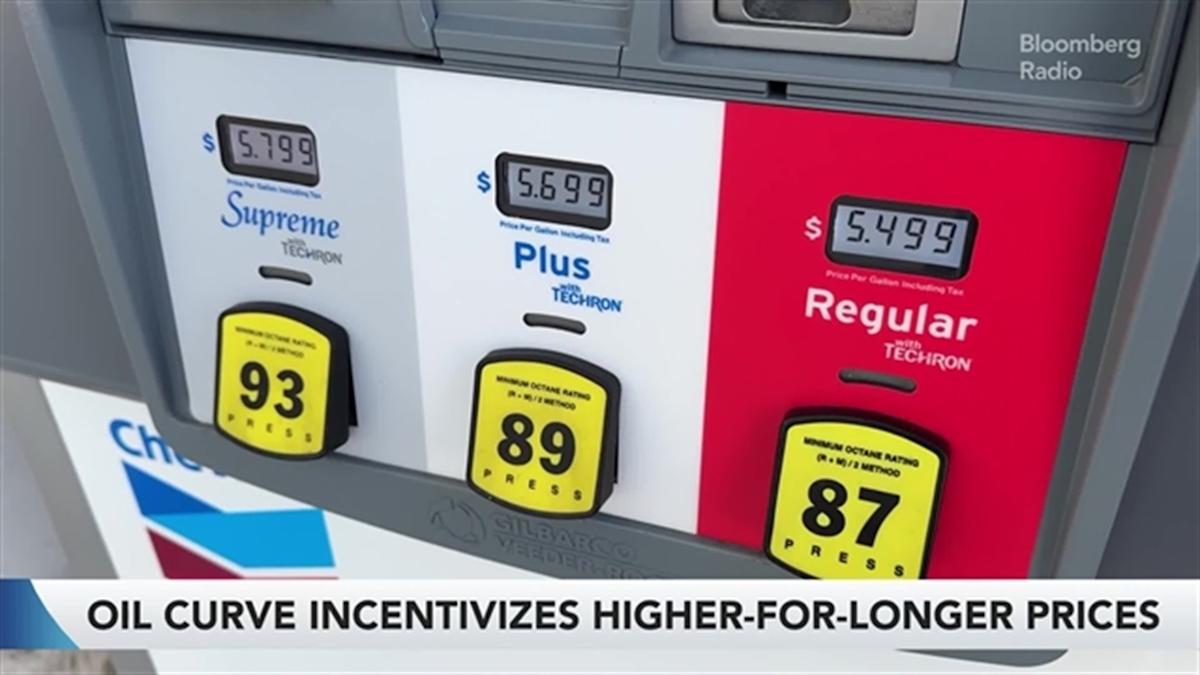
- Price Decline: Brent crude oil prices have recently fallen to around $90 per barrel from over $110 in mid-May, reflecting market optimism about a potential U.S.-Iran peace deal, although this respite may not last long.
- Inventory Depletion: The closure of the Strait of Hormuz has led to a more than 50% drop in oil production in the Persian Gulf, forcing the global economy to draw down oil reserves at a record rate of 8.7 million barrels per day, with the U.S. Strategic Petroleum Reserve now at 365.1 million barrels, significantly below its 714 million barrel capacity.
- Inventory Crisis: ExxonMobil executives warn that global oil inventories are nearing critical levels, with predictions that once stocks hit historical lows, Brent prices could soar to between $150 and $160 per barrel, surpassing previous all-time highs.
- Rising Market Risks: If the Strait of Hormuz does not reopen soon, skyrocketing oil prices could lead to demand destruction, potentially slowing down the global economy, prompting investors to closely monitor oil market developments to mitigate risks of recession and stock market downturns.
See More

Top High-Yield Energy Stocks to Buy Now
- Chevron's Steady Growth: Chevron (CVX), the world's third-largest energy company, has increased its dividend for 39 consecutive years, with a current yield of approximately 3.9%, and is expected to grow earnings per share and free cash flow by at least 10% annually, which will further drive dividend increases and enhance investor confidence.
- Energy Transfer's High Yield: Energy Transfer (ET) operates over 144,000 miles of pipelines, currently offering a distribution yield of 6.9%, and despite a temporary reduction during the pandemic, it has now surpassed pre-pandemic levels, positioning itself to benefit from the growing demand for natural gas, particularly from AI data centers.
- Enterprise Products Partners' Financial Strength: Enterprise Products Partners (EPD) has increased its distribution for 27 consecutive years, with a yield exceeding 5.7%, and its strong balance sheet with around $3.3 billion in liquidity gives it the highest credit rating in the midstream energy sector, allowing it to capitalize on rising natural gas demand.
- Driving Natural Gas Demand: As AI data centers increase their electricity needs, natural gas emerges as the ideal fuel, with Chevron, Energy Transfer, and Enterprise Products Partners actively signing supply agreements to secure competitive advantages in the future market.
See More

Chevron's Q1 Earnings Decline Amid Production Growth
- Earnings Decline: Chevron reported adjusted earnings of $1.41 per share for Q1, down significantly from $2.18 in the same quarter of 2025, primarily impacted by hedging losses totaling $2.9 billion, which masked the positives from production growth.
- Production Growth: Despite challenges, Chevron's global production rose 15% year-over-year, with a 24% increase in the U.S. market, driven by the acquisition of Hess and consistent production exceeding one million barrels per day in the Permian Basin, showcasing resilience in a complex environment.
- Hedging Strategy Impact: The company's hedging activities misaligned with quarterly earnings, leading to a poor short-term performance; however, a reversal is expected in upcoming quarters, reflecting management's confidence in long-term growth.
- Geopolitical Risks: The geopolitical conflict in the Middle East has had a short-term impact on oil prices, yet Chevron's management remains focused on long-term strategies, indicating the company's commitment to seeking stable growth amid turmoil.
See More
Chevron Reports Q1 2026 Earnings Decline Amid Production Growth
- Earnings Decline: Chevron reported adjusted earnings of $1.41 per share for Q1 2026, significantly down from $2.18 in the same period last year, indicating pressure on profitability amid challenging market conditions.
- Hedging Impact: The company's hedging activities negatively impacted earnings by $2.9 billion in the first quarter, although this effect is expected to reverse in future quarters, leading to a distorted view of current performance.
- Production Growth: Despite geopolitical tensions in the Middle East, Chevron achieved a 15% year-over-year increase in global production and a 24% rise in the U.S. market, with the Permian Basin exceeding one million barrels per day for the fifth consecutive quarter, showcasing resilience in a complex environment.
- Long-Term Strategy: Chevron's management is focused on generating robust cash flow from the Permian Basin, with potential for further production increases despite the ongoing integration of Hess, reflecting a commitment to pursuing long-term growth amid uncertainty.
See More
Global Oil Inventories Dwindling Fast, Prices May Spike
- Inventory Decline Warning: Global oil inventories are depleting at a record rate of 8.7 million barrels per day, leading to unprecedented supply disruptions, with prices potentially spiking to $150 to $160 per barrel if the Strait of Hormuz does not reopen soon, which could trigger a global economic slowdown.
- Supply Chain Pressure Intensifies: The closure of the Strait of Hormuz has caused oil production in the Gulf to plummet by over 50%, forcing the global economy to tap into national strategic petroleum reserves, with current U.S. commercial crude inventories at 441.7 million barrels, about 2% below the five-year average.
- Market Reaction Expectations: Executives from ExxonMobil and Chevron have warned that as inventories continue to drain, oil prices are likely to face increased upward pressure in the coming weeks, potentially leading to demand destruction that could impact global economic growth.
- Potential Agreement Impact: Although the U.S. and Iran are reportedly close to a deal that could fully reopen the Strait of Hormuz within 30 days, investors need to remain vigilant regarding oil market dynamics to avoid the risk of rising oil prices triggering a recession and stock market downturn.
See More
Analysis of Dividend Growth Potential in Energy Stocks
- Chevron's Dividend Advantage: Chevron has increased its dividend for 39 consecutive years and expects earnings per share and free cash flow to grow by at least 10% annually, making its 3.9% forward dividend yield sustainable and attractive to income investors.
- Energy Transfer's High Yield Distribution: Energy Transfer offers a distribution yield of 6.9%, which was reduced during the pandemic but has since recovered and surpassed pre-pandemic levels, demonstrating the company's strong distribution capacity amid rising natural gas demand.
- Enterprise Products Partners' Solid Finances: Enterprise Products Partners has increased its distribution for 27 consecutive years, with a distribution yield exceeding 5.7%, and its robust balance sheet with $3.3 billion in liquidity ensures continued dividend sustainability, appealing to income investors.
- Natural Gas Demand Drivers: With the increasing demand for natural gas from AI data centers, Chevron, Energy Transfer, and Enterprise Products Partners are all well-positioned to benefit and drive future dividend growth.
See More
Oil Prices Cool but Risks Intensify Amid Supply Concerns
- Price Decline: Brent crude oil prices have recently fallen to around $90 per barrel from over $110 in mid-May, reflecting market optimism about a potential U.S.-Iran peace deal, although this respite may not last long.
- Inventory Depletion: The closure of the Strait of Hormuz has led to a more than 50% drop in oil production in the Persian Gulf, forcing the global economy to draw down oil reserves at a record rate of 8.7 million barrels per day, with the U.S. Strategic Petroleum Reserve now at 365.1 million barrels, significantly below its 714 million barrel capacity.
- Inventory Crisis: ExxonMobil executives warn that global oil inventories are nearing critical levels, with predictions that once stocks hit historical lows, Brent prices could soar to between $150 and $160 per barrel, surpassing previous all-time highs.
- Rising Market Risks: If the Strait of Hormuz does not reopen soon, skyrocketing oil prices could lead to demand destruction, potentially slowing down the global economy, prompting investors to closely monitor oil market developments to mitigate risks of recession and stock market downturns.
See More
Top High-Yield Energy Stocks to Buy Now
- Chevron's Steady Growth: Chevron (CVX), the world's third-largest energy company, has increased its dividend for 39 consecutive years, with a current yield of approximately 3.9%, and is expected to grow earnings per share and free cash flow by at least 10% annually, which will further drive dividend increases and enhance investor confidence.
- Energy Transfer's High Yield: Energy Transfer (ET) operates over 144,000 miles of pipelines, currently offering a distribution yield of 6.9%, and despite a temporary reduction during the pandemic, it has now surpassed pre-pandemic levels, positioning itself to benefit from the growing demand for natural gas, particularly from AI data centers.
- Enterprise Products Partners' Financial Strength: Enterprise Products Partners (EPD) has increased its distribution for 27 consecutive years, with a yield exceeding 5.7%, and its strong balance sheet with around $3.3 billion in liquidity gives it the highest credit rating in the midstream energy sector, allowing it to capitalize on rising natural gas demand.
- Driving Natural Gas Demand: As AI data centers increase their electricity needs, natural gas emerges as the ideal fuel, with Chevron, Energy Transfer, and Enterprise Products Partners actively signing supply agreements to secure competitive advantages in the future market.
See More
Chevron's Q1 Earnings Decline Amid Production Growth
- Earnings Decline: Chevron reported adjusted earnings of $1.41 per share for Q1, down significantly from $2.18 in the same quarter of 2025, primarily impacted by hedging losses totaling $2.9 billion, which masked the positives from production growth.
- Production Growth: Despite challenges, Chevron's global production rose 15% year-over-year, with a 24% increase in the U.S. market, driven by the acquisition of Hess and consistent production exceeding one million barrels per day in the Permian Basin, showcasing resilience in a complex environment.
- Hedging Strategy Impact: The company's hedging activities misaligned with quarterly earnings, leading to a poor short-term performance; however, a reversal is expected in upcoming quarters, reflecting management's confidence in long-term growth.
- Geopolitical Risks: The geopolitical conflict in the Middle East has had a short-term impact on oil prices, yet Chevron's management remains focused on long-term strategies, indicating the company's commitment to seeking stable growth amid turmoil.
See More