Challenges and Opportunities of SpaceX Acquiring T-Mobile
Written by Emily J. Thompson, Senior Investment Analyst
Updated: 1 day ago
0mins

Source: Yahoo Finance
- Collaboration Potential: The partnership between T-Mobile and SpaceX's Starlink offers seamless wireless internet access for customers, particularly in areas underserved by mainstream providers, which could enhance the competitive positioning of both companies.
- High Acquisition Costs: The estimated cost of acquiring T-Mobile is around $180 billion, and with Deutsche Telekom holding over half of T-Mobile's shares, the complexity and costs associated with this transaction will significantly increase.
- Market Competition Risks: If SpaceX acquires T-Mobile, it may create direct competition with existing players like AT&T and Verizon, limiting future partnership opportunities with these carriers and potentially impacting market share.
- Regulatory Hurdles: Although the legal barriers to merging are not particularly strong, regulators may take a cautious stance due to SpaceX's dominant market position, which could lead to delays or obstacles in the transaction.
Trade with 70% Backtested Accuracy
Stop guessing "Should I Buy TMUS?" and start using high-conviction signals backed by rigorous historical data.
Sign up today to access powerful investing tools and make smarter, data-driven decisions.
Analyst Views on TMUS
Wall Street analysts forecast TMUS stock price to rise
21 Analyst Rating
15 Buy
6 Hold
0 Sell
Moderate Buy
Current: 173.060

Low
220.00
Averages
265.42
High
310.00
Current: 173.060
Low
220.00
Averages
265.42
High
310.00
About TMUS
T-Mobile US, Inc. is a provider of wireless communications services, including voice, messaging and data, under its flagship brands, T-Mobile and Metro by T-Mobile, and Mint Mobile, in the United States, Puerto Rico and the United States Virgin Islands. It provides wireless communications services primarily using its 4G Long Term Evolution network and its 5G technology network. It also offers a selection of wireless devices, including handsets, tablets and other mobile communication devices, and accessories for sale, as well as financing through equipment installment plans. Its primary service plan offering is Go5G Plus, which includes unlimited talk, text and data on its network, 5G access at no extra cost, scam protection features and more. In addition to its wireless communications services, the Company also offers high speed Internet, which includes a fixed wireless product that utilizes the excess capacity of its nationwide 5G network. It also provides advertising solutions.
About the author

Emily J. Thompson
Emily J. Thompson, a Chartered Financial Analyst (CFA) with 12 years in investment research, graduated with honors from the Wharton School. Specializing in industrial and technology stocks, she provides in-depth analysis for Intellectia’s earnings and market brief reports.

Market Update: Semiconductor and Airline Sector Outlook


- Semiconductor Market Recovery: Chip stocks are rebounding this morning after last week's severe sell-off, with Apple and Broadcom agreeing to an expanded partnership that is expected to drive long-term growth in the semiconductor sector.
- SK Hynix IPO Plans: South Korean memory giant SK Hynix is looking to raise $28 billion through a Nasdaq listing, which, while maintaining its primary listing in South Korea, will enhance its capital access and broaden its investor base.
- Acquisition Impact: Solstice Advanced Materials is acquiring Element Solutions for $14.5 billion, creating a specialty chemicals powerhouse focused on the semiconductor industry, which will enhance its competitive position and industry consolidation capabilities.
- Airline Sector Benefits from Oil Price Drop: With traffic through the Strait of Hormuz resuming and U.S.-Iran peace talks underway, oil prices are nearing pre-war levels, which could benefit airlines significantly and help combat inflation.
See More

Key Wall Street Rating Updates on Monday


- Wise Rating Upgrade: JPMorgan upgraded Wise to overweight, expecting net revenue growth in Q1 and Q2 to exceed mid-term guidance, indicating significant positive momentum in user activity and transaction volumes, which could drive stock price appreciation.
- AMD Price Target Increase: Goldman Sachs raised AMD's price target from $450 to $640, believing strong performance in server CPUs will drive quarterly results, despite potential headwinds in the PC segment, maintaining an overall bullish outlook.
- Netflix Price Target Downgrade: Goldman lowered Netflix's price target from $120 to $110 while maintaining a buy rating, anticipating upcoming earnings to face challenges in user growth and engagement due to seasonal factors and content scheduling impacts.
- IBM Price Target Increase: Bank of America raised IBM's price target from $315 to $330, noting the company's shift towards higher-margin software and M&A activities driving strong free cash flow, indicating potential for future growth.
See More
Semiconductor Stocks Rebound, ASML Price Target Raised


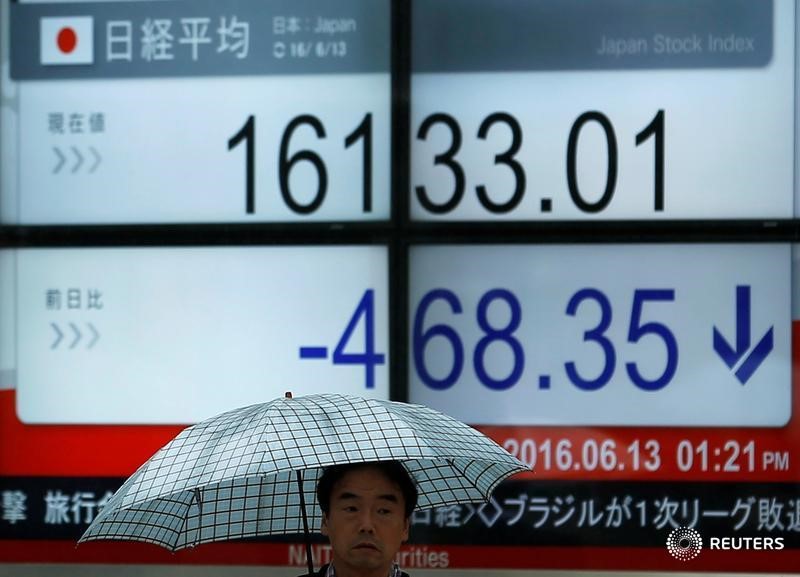
- Semiconductor ETF Rebound: The iShares Semiconductor ETF (SOXX) rose over 2.5% in premarket trading on Monday, recovering from a two-day slide last week that saw an 11% drop, indicating renewed market confidence in the semiconductor sector.
- Intel and AMD Gains: Intel and Advanced Micro Devices (AMD) saw their shares increase by 2.5% and 3% respectively, reflecting investor optimism about a recovery in the semiconductor market, particularly driven by rising demand from artificial intelligence.
- ASML Price Target Increase: ASML's stock rose by 4% after Bernstein raised its price target by over 30% to $2,300, with analysts citing unprecedented expansion in both logic and DRAM capacity as a key driver.
- Telecom Stock Recovery: T-Mobile U.S. shares increased by more than 1.5% after Bank of America upgraded its rating from neutral to buy, with analysts suggesting that peak bearishness in the telecommunications sector has been reached, noting the stock's more than 20% decline from its 2026 highs is overdone.
See More

SpaceX IPO: Potential in AI and Wireless Markets

- Significant Contract Value: SpaceX's contracts with AI companies like Anthropic and Alphabet are valued at approximately $28 billion, showcasing its strong competitive position in the rapidly growing AI market while laying the groundwork for future revenue growth.
- Broad Market Opportunities: In its IPO registration statement, SpaceX highlighted a total addressable market of $26.5 trillion for its AI business, including a $2.4 trillion infrastructure market, indicating potential for business diversification through expansion into solar-powered orbital data centers.
- Starlink Business Growth: Despite a net loss of $5 billion in 2025, SpaceX's Starlink connectivity business generated $4.4 billion in operating income, demonstrating a doubling of both subscribers and profits while lowering prices, thereby strengthening the company's market position.
- Wireless Service Expansion Plans: SpaceX is reportedly planning to launch mobile services in the U.S., potentially partnering with Charter Communications to leverage its internet infrastructure and mobile virtual network agreement with Verizon, further expanding its market share and enhancing profitability.
See More

Analysis of SpaceX's AI and Connectivity Business Prospects

- AI Market Potential: SpaceX's IPO filing indicates a total addressable market of $26.5 trillion for its AI business, including a $2.4 trillion infrastructure market, suggesting significant growth potential as the company aims to expand into solar-powered orbital data centers.
- Starlink Business Performance: Despite reporting a net loss of $5 billion in 2025, SpaceX's Starlink connectivity business generated $4.4 billion in operating income, demonstrating the effectiveness of its pricing strategy as both subscribers and profits more than doubled.
- Wireless Service Expansion Plans: SpaceX plans to launch mobile services soon, targeting the $1.6 trillion wireless phone market, potentially enhancing its competitive edge through a partnership with Charter Communications to leverage its network infrastructure.
- Investor Focus: While the profitability of SpaceX's AI segment remains uncertain, investors should pay attention to the connectivity business's potential, with projections suggesting that Starlink could generate $120 billion in revenue at a 60% operating margin by 2036, indicating a stronger growth outlook.
See More
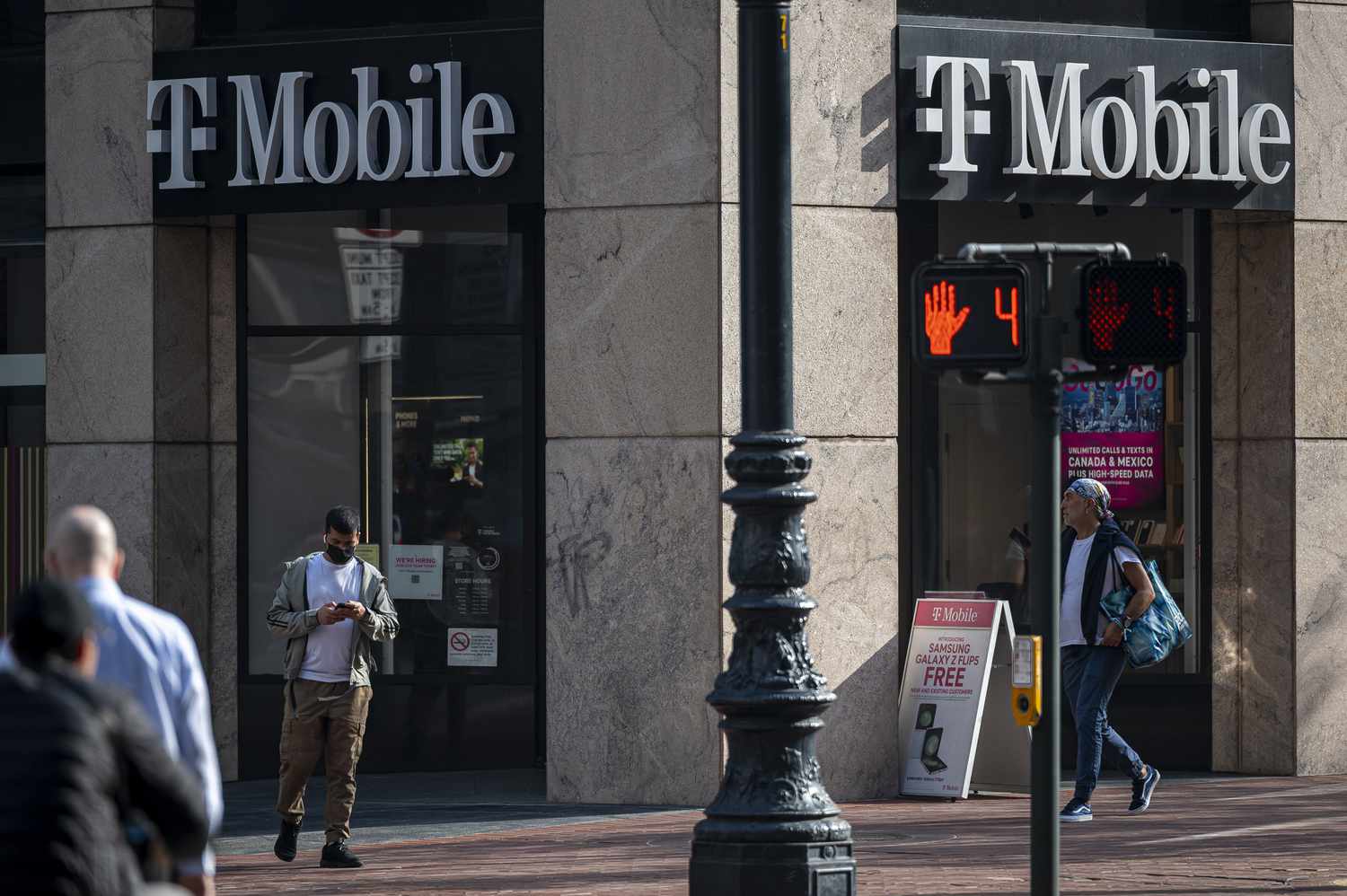
Challenges of SpaceX and T-Mobile Merger

- Technological Complementarity: The technological capabilities of SpaceX and T-Mobile complement each other, and while their services may not necessarily need to merge, such collaboration could enhance user network access, particularly in remote areas.
- High Acquisition Costs: The estimated cost of acquiring T-Mobile is around $180 billion, which would impose significant financial pressure on SpaceX, especially as it already faces a complex business structure and market competition.
- Market Competition Risks: If SpaceX becomes a direct competitor to T-Mobile, it could jeopardize its partnership opportunities with AT&T and Verizon, thereby limiting its share in the U.S. mobile broadband market, where T-Mobile currently holds about one-third.
- Regulatory Barriers: Although the legal arguments for the merger are not particularly strong, regulators may take a cautious stance due to SpaceX's market dominance, potentially leading to wasted time and resources during the merger process.
See More
Market Update: Semiconductor and Airline Sector Outlook
- Semiconductor Market Recovery: Chip stocks are rebounding this morning after last week's severe sell-off, with Apple and Broadcom agreeing to an expanded partnership that is expected to drive long-term growth in the semiconductor sector.
- SK Hynix IPO Plans: South Korean memory giant SK Hynix is looking to raise $28 billion through a Nasdaq listing, which, while maintaining its primary listing in South Korea, will enhance its capital access and broaden its investor base.
- Acquisition Impact: Solstice Advanced Materials is acquiring Element Solutions for $14.5 billion, creating a specialty chemicals powerhouse focused on the semiconductor industry, which will enhance its competitive position and industry consolidation capabilities.
- Airline Sector Benefits from Oil Price Drop: With traffic through the Strait of Hormuz resuming and U.S.-Iran peace talks underway, oil prices are nearing pre-war levels, which could benefit airlines significantly and help combat inflation.
See More
Key Wall Street Rating Updates on Monday
- Wise Rating Upgrade: JPMorgan upgraded Wise to overweight, expecting net revenue growth in Q1 and Q2 to exceed mid-term guidance, indicating significant positive momentum in user activity and transaction volumes, which could drive stock price appreciation.
- AMD Price Target Increase: Goldman Sachs raised AMD's price target from $450 to $640, believing strong performance in server CPUs will drive quarterly results, despite potential headwinds in the PC segment, maintaining an overall bullish outlook.
- Netflix Price Target Downgrade: Goldman lowered Netflix's price target from $120 to $110 while maintaining a buy rating, anticipating upcoming earnings to face challenges in user growth and engagement due to seasonal factors and content scheduling impacts.
- IBM Price Target Increase: Bank of America raised IBM's price target from $315 to $330, noting the company's shift towards higher-margin software and M&A activities driving strong free cash flow, indicating potential for future growth.
See More
Semiconductor Stocks Rebound, ASML Price Target Raised
- Semiconductor ETF Rebound: The iShares Semiconductor ETF (SOXX) rose over 2.5% in premarket trading on Monday, recovering from a two-day slide last week that saw an 11% drop, indicating renewed market confidence in the semiconductor sector.
- Intel and AMD Gains: Intel and Advanced Micro Devices (AMD) saw their shares increase by 2.5% and 3% respectively, reflecting investor optimism about a recovery in the semiconductor market, particularly driven by rising demand from artificial intelligence.
- ASML Price Target Increase: ASML's stock rose by 4% after Bernstein raised its price target by over 30% to $2,300, with analysts citing unprecedented expansion in both logic and DRAM capacity as a key driver.
- Telecom Stock Recovery: T-Mobile U.S. shares increased by more than 1.5% after Bank of America upgraded its rating from neutral to buy, with analysts suggesting that peak bearishness in the telecommunications sector has been reached, noting the stock's more than 20% decline from its 2026 highs is overdone.
See More
SpaceX IPO: Potential in AI and Wireless Markets
- Significant Contract Value: SpaceX's contracts with AI companies like Anthropic and Alphabet are valued at approximately $28 billion, showcasing its strong competitive position in the rapidly growing AI market while laying the groundwork for future revenue growth.
- Broad Market Opportunities: In its IPO registration statement, SpaceX highlighted a total addressable market of $26.5 trillion for its AI business, including a $2.4 trillion infrastructure market, indicating potential for business diversification through expansion into solar-powered orbital data centers.
- Starlink Business Growth: Despite a net loss of $5 billion in 2025, SpaceX's Starlink connectivity business generated $4.4 billion in operating income, demonstrating a doubling of both subscribers and profits while lowering prices, thereby strengthening the company's market position.
- Wireless Service Expansion Plans: SpaceX is reportedly planning to launch mobile services in the U.S., potentially partnering with Charter Communications to leverage its internet infrastructure and mobile virtual network agreement with Verizon, further expanding its market share and enhancing profitability.
See More
Analysis of SpaceX's AI and Connectivity Business Prospects
- AI Market Potential: SpaceX's IPO filing indicates a total addressable market of $26.5 trillion for its AI business, including a $2.4 trillion infrastructure market, suggesting significant growth potential as the company aims to expand into solar-powered orbital data centers.
- Starlink Business Performance: Despite reporting a net loss of $5 billion in 2025, SpaceX's Starlink connectivity business generated $4.4 billion in operating income, demonstrating the effectiveness of its pricing strategy as both subscribers and profits more than doubled.
- Wireless Service Expansion Plans: SpaceX plans to launch mobile services soon, targeting the $1.6 trillion wireless phone market, potentially enhancing its competitive edge through a partnership with Charter Communications to leverage its network infrastructure.
- Investor Focus: While the profitability of SpaceX's AI segment remains uncertain, investors should pay attention to the connectivity business's potential, with projections suggesting that Starlink could generate $120 billion in revenue at a 60% operating margin by 2036, indicating a stronger growth outlook.
See More
Challenges of SpaceX and T-Mobile Merger
- Technological Complementarity: The technological capabilities of SpaceX and T-Mobile complement each other, and while their services may not necessarily need to merge, such collaboration could enhance user network access, particularly in remote areas.
- High Acquisition Costs: The estimated cost of acquiring T-Mobile is around $180 billion, which would impose significant financial pressure on SpaceX, especially as it already faces a complex business structure and market competition.
- Market Competition Risks: If SpaceX becomes a direct competitor to T-Mobile, it could jeopardize its partnership opportunities with AT&T and Verizon, thereby limiting its share in the U.S. mobile broadband market, where T-Mobile currently holds about one-third.
- Regulatory Barriers: Although the legal arguments for the merger are not particularly strong, regulators may take a cautious stance due to SpaceX's market dominance, potentially leading to wasted time and resources during the merger process.
See More