Can Tesla ETFs Maintain New-Found Winning Momentum?
Written by Emily J. Thompson, Senior Investment Analyst
Updated: Jul 09 2024
0mins


Source: NASDAQ.COM
- Tesla Stock Performance: Tesla's stock has surged 44.7% in the past month, reaching a six-month high, despite a 6.7% fall over the past year.
- Q2 Deliveries: Tesla announced better-than-expected deliveries for Q2 of 2024, indicating improved demand and easing concerns about excess inventory.
- Focus on AI and Autonomous Driving: Tesla is transitioning to a technology and robotics company driven by AI and autonomous driving technology, aiming to introduce "robotaxis" soon.
- Expected Growth: Analysts predict improved profit margins for Tesla, expecting a return to profit growth next year with higher growth rates compared to the industry.
- EV Market Outlook: The electric car sales market remains robust, with China leading in growth, and IEA forecasts a 20% increase in EV sales in 2024.
Trade with 70% Backtested Accuracy
Stop guessing "Should I Buy TSLA?" and start using high-conviction signals backed by rigorous historical data.
Sign up today to access powerful investing tools and make smarter, data-driven decisions.
Analyst Views on TSLA
Wall Street analysts forecast TSLA stock price to fall
30 Analyst Rating
12 Buy
11 Hold
7 Sell
Hold
Current: 433.450

Low
25.28
Averages
401.93
High
600.00
Current: 433.450
Low
25.28
Averages
401.93
High
600.00
About TSLA
Tesla, Inc. designs, develops, manufactures, sells and leases high-performance fully electric vehicles and energy generation and storage systems, and offers services related to its products. Its segments include automotive, and energy generation and storage. The automotive segment includes the design, development, manufacturing, sales and leasing of high-performance fully electric vehicles, and sales of automotive regulatory credits. It also includes sales of used vehicles, non-warranty maintenance services and collisions, part sales, paid supercharging, insurance services revenue and retail merchandise sales. The energy generation and storage segment include the design, manufacture, installation, sales and leasing of solar energy generation and energy storage products and related services and sales of solar energy systems incentives. Its consumer vehicles include the Model 3, Y, S, X and Cybertruck. Its lithium-ion battery energy storage products include Powerwall and Megapack.
About the author

Emily J. Thompson
Emily J. Thompson, a Chartered Financial Analyst (CFA) with 12 years in investment research, graduated with honors from the Wharton School. Specializing in industrial and technology stocks, she provides in-depth analysis for Intellectia’s earnings and market brief reports.
SpaceX IPO Valuation Could Reach $2 Trillion

- IPO Valuation Insight: SpaceX is expected to launch its IPO with a valuation of up to $2 trillion, yet its rapid transition into a speculative AI company poses an 84% risk of valuation collapse, prompting investors to carefully assess potential returns.
- AI Strategy Risks: The $250 million acquisition of Musk's xAI company, while beneficial for the X.com platform, raises concerns among analysts about the AI business's ability to create shareholder value, potentially detracting from the overall valuation instead.
- Market Competition Challenges: With Amazon committing $200 billion to AI data centers, SpaceX's plan for space-based data centers faces significant hurdles, as experts express skepticism regarding feasibility due to issues like space debris and radiation.
- Legacy Business Review: SpaceX's traditional aerospace business is projected to generate around $8 billion in profit by 2025, but with a P/E ratio of 40, its valuation could drop to $320 billion, reflecting a pessimistic outlook on its future prospects.
See More
Tesla Invests $250M to Expand Battery Production in Berlin
- Investment Expansion: Tesla announced a $250 million investment at its Berlin Gigafactory to enhance electric vehicle battery cell production, achieving an annual output of 18GWh for 4680 cells and creating over 1,500 new jobs, signaling positive news amid challenges in the German industry.
- Production Capacity Boost: Since its opening in March 2022, the Berlin facility has achieved a record output of over 61,000 units in Q1, with plans to increase Model Y production by 20% starting in July 2026, further solidifying Tesla's leadership in the European market.
- Human Resource Strategy: To support the production expansion, Tesla plans to hire around 1,000 new employees and convert several hundred temporary workers into permanent staff, which not only enhances employee stability but also improves production efficiency.
- Export Hub Functionality: The Berlin factory serves as a major export hub for Model Y vehicles, supplying markets such as Belgium, Denmark, France, Italy, Norway, Spain, Sweden, and the UK, while also manufacturing vehicles for shipment to India, further expanding Tesla's global market footprint.
See More
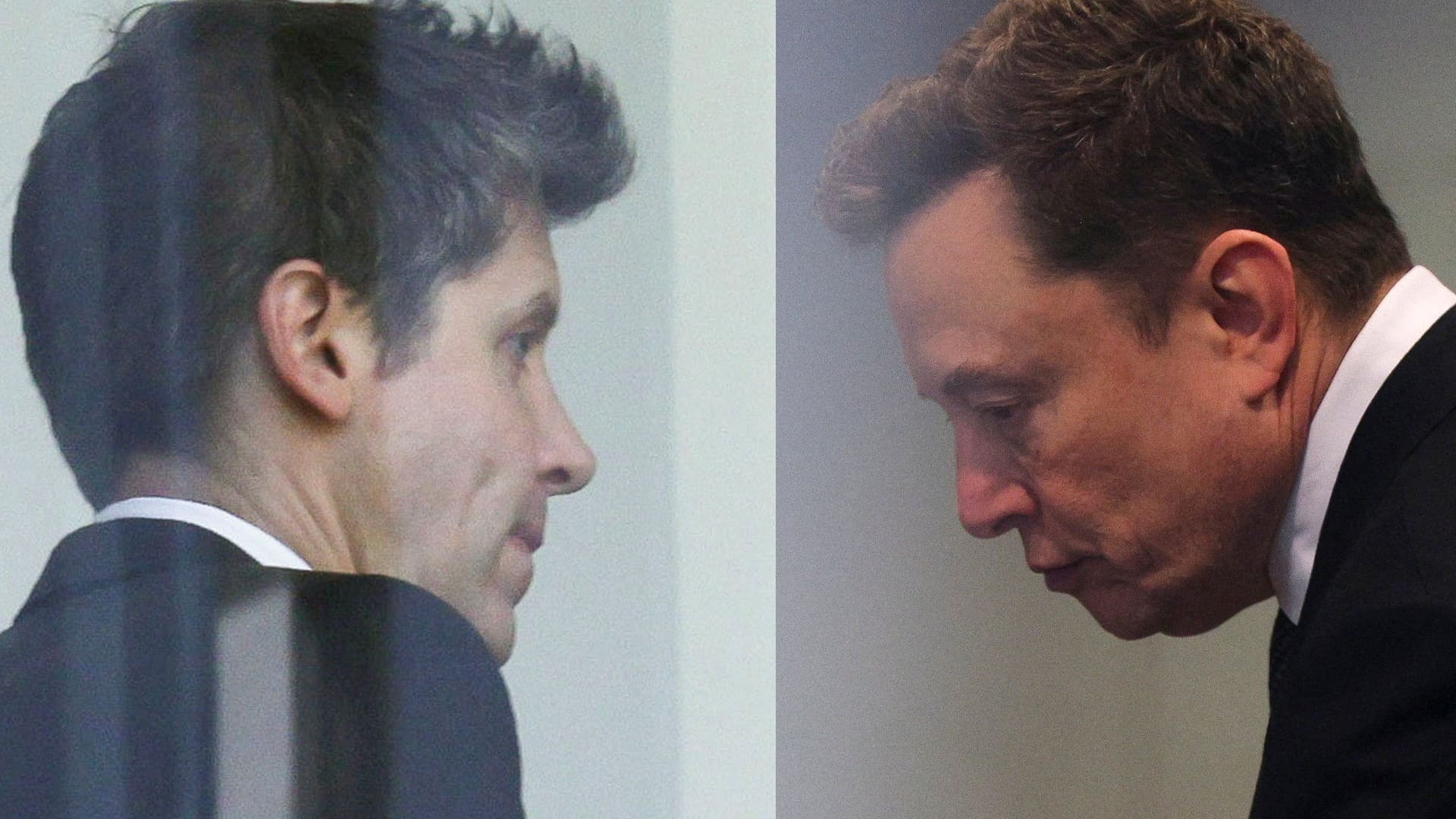
OpenAI Lawsuit: Altman and Musk Face Off
- Lawsuit Context: OpenAI CEO Sam Altman testified in Elon Musk's lawsuit, asserting that Musk failed to fulfill his commitments, leaving OpenAI in a precarious position, which negatively impacts the company's reputation and future funding capabilities.
- Funding Dispute: Musk accused OpenAI of using his $38 million donation for unauthorized commercial purposes, while Altman denied making any commitments regarding the company's structure, highlighting the urgency and complexity of fundraising efforts.
- Management Style Impact: Altman noted that Musk's departure raised employee concerns about funding but also boosted morale, indicating that Musk's management style had detrimental effects on the team's dynamics, potentially affecting the company's innovation capacity.
- Future Outlook: As the trial nears its conclusion, the jury's decision will influence OpenAI's future direction, particularly in balancing its for-profit subsidiary with its nonprofit mission, which could have profound implications for investor confidence and market positioning.
See More

Altman Testifies in Musk v. Altman Trial
- Trial Context: OpenAI CEO Sam Altman testified in the Musk lawsuit, addressing Musk's accusations of attempting to 'steal a charity' and emphasizing the negative impact of Musk's absence during the company's formative years on its development.
- Funding Dispute: Musk alleges that Altman and other OpenAI executives failed to uphold their commitment to keep the company a nonprofit, claiming that his $38 million donation was used for unauthorized commercial purposes, which has affected the company's reputation and trustworthiness.
- Management Discrepancies: Altman confirmed that Musk's departure raised concerns among employees about the company's funding sources, although it also somewhat boosted morale among certain researchers, highlighting the profound impact of management style on team dynamics.
- Future Outlook: The trial's conclusion will be deliberated by the jury next week, with the final outcome resting with Judge Yvonne Gonzalez Rogers, a process that could significantly influence OpenAI's future structure and operational direction.
See More
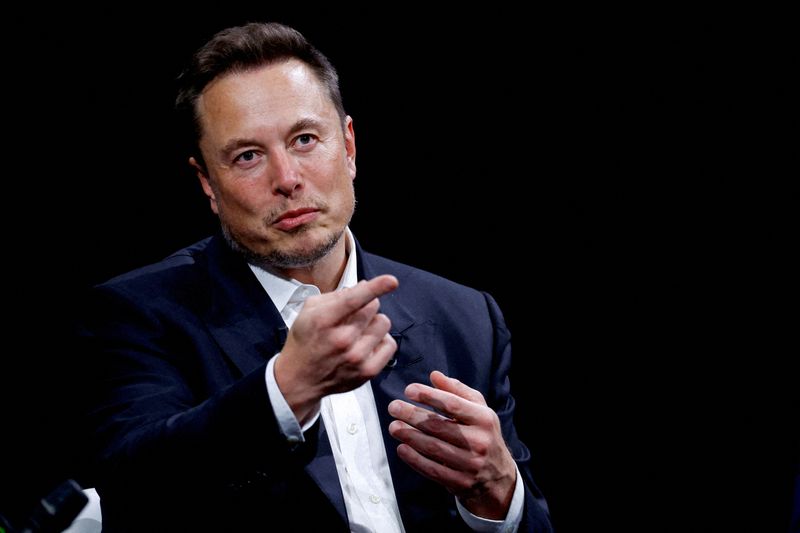
Tesla Authorized to Test Self-Driving Software in Belgium
- Testing Authorization: Tesla has been authorized to test its supervised self-driving software on one car in the Belgian region of Flanders, marking a significant step in the company's expansion into the European market.
- Regulatory Progress: This authorization is part of the general authorization process by the Belgian government, indicating a gradual acceptance of autonomous driving technology by regulators, which may pave the way for broader testing in the future.
- Market Potential: By conducting tests in Belgium, Tesla can gather valuable data to optimize its software while enhancing its competitiveness in the European market, particularly in the autonomous driving sector.
- Strategic Implications: The success of this testing could provide crucial support for Tesla's expansion in Europe, further solidifying its leadership position in the global electric vehicle market and potentially influencing regulatory policies in other countries.
See More
Rivian's Future Potential: Robotaxi Market

- Stock Decline: Rivian's stock has fallen approximately 25% since the beginning of 2026, indicating market concerns about its short-term performance, yet the long-term potential remains evident.
- Robotaxi Market Outlook: According to a survey by McKinsey, experts expect robotaxis to be rolled out on a large scale by 2030, presenting a significant growth opportunity for Rivian.
- Strategic Shift: Rivian recently disclosed plans to increase R&D spending, leading to an expectation of not achieving adjusted EBITDA positivity by 2027, which underscores its commitment to self-driving vehicles and robotaxis.
- Order Validation: Rivian secured a $1.25 billion order from Uber for up to 50,000 vehicles to support its robotaxi operations, indicating strong market recognition of its offerings.
See More
SpaceX IPO Valuation Could Reach $2 Trillion
- IPO Valuation Insight: SpaceX is expected to launch its IPO with a valuation of up to $2 trillion, yet its rapid transition into a speculative AI company poses an 84% risk of valuation collapse, prompting investors to carefully assess potential returns.
- AI Strategy Risks: The $250 million acquisition of Musk's xAI company, while beneficial for the X.com platform, raises concerns among analysts about the AI business's ability to create shareholder value, potentially detracting from the overall valuation instead.
- Market Competition Challenges: With Amazon committing $200 billion to AI data centers, SpaceX's plan for space-based data centers faces significant hurdles, as experts express skepticism regarding feasibility due to issues like space debris and radiation.
- Legacy Business Review: SpaceX's traditional aerospace business is projected to generate around $8 billion in profit by 2025, but with a P/E ratio of 40, its valuation could drop to $320 billion, reflecting a pessimistic outlook on its future prospects.
See More
Tesla Invests $250M to Expand Battery Production in Berlin
- Investment Expansion: Tesla announced a $250 million investment at its Berlin Gigafactory to enhance electric vehicle battery cell production, achieving an annual output of 18GWh for 4680 cells and creating over 1,500 new jobs, signaling positive news amid challenges in the German industry.
- Production Capacity Boost: Since its opening in March 2022, the Berlin facility has achieved a record output of over 61,000 units in Q1, with plans to increase Model Y production by 20% starting in July 2026, further solidifying Tesla's leadership in the European market.
- Human Resource Strategy: To support the production expansion, Tesla plans to hire around 1,000 new employees and convert several hundred temporary workers into permanent staff, which not only enhances employee stability but also improves production efficiency.
- Export Hub Functionality: The Berlin factory serves as a major export hub for Model Y vehicles, supplying markets such as Belgium, Denmark, France, Italy, Norway, Spain, Sweden, and the UK, while also manufacturing vehicles for shipment to India, further expanding Tesla's global market footprint.
See More
OpenAI Lawsuit: Altman and Musk Face Off
- Lawsuit Context: OpenAI CEO Sam Altman testified in Elon Musk's lawsuit, asserting that Musk failed to fulfill his commitments, leaving OpenAI in a precarious position, which negatively impacts the company's reputation and future funding capabilities.
- Funding Dispute: Musk accused OpenAI of using his $38 million donation for unauthorized commercial purposes, while Altman denied making any commitments regarding the company's structure, highlighting the urgency and complexity of fundraising efforts.
- Management Style Impact: Altman noted that Musk's departure raised employee concerns about funding but also boosted morale, indicating that Musk's management style had detrimental effects on the team's dynamics, potentially affecting the company's innovation capacity.
- Future Outlook: As the trial nears its conclusion, the jury's decision will influence OpenAI's future direction, particularly in balancing its for-profit subsidiary with its nonprofit mission, which could have profound implications for investor confidence and market positioning.
See More
Altman Testifies in Musk v. Altman Trial
- Trial Context: OpenAI CEO Sam Altman testified in the Musk lawsuit, addressing Musk's accusations of attempting to 'steal a charity' and emphasizing the negative impact of Musk's absence during the company's formative years on its development.
- Funding Dispute: Musk alleges that Altman and other OpenAI executives failed to uphold their commitment to keep the company a nonprofit, claiming that his $38 million donation was used for unauthorized commercial purposes, which has affected the company's reputation and trustworthiness.
- Management Discrepancies: Altman confirmed that Musk's departure raised concerns among employees about the company's funding sources, although it also somewhat boosted morale among certain researchers, highlighting the profound impact of management style on team dynamics.
- Future Outlook: The trial's conclusion will be deliberated by the jury next week, with the final outcome resting with Judge Yvonne Gonzalez Rogers, a process that could significantly influence OpenAI's future structure and operational direction.
See More
Tesla Authorized to Test Self-Driving Software in Belgium
- Testing Authorization: Tesla has been authorized to test its supervised self-driving software on one car in the Belgian region of Flanders, marking a significant step in the company's expansion into the European market.
- Regulatory Progress: This authorization is part of the general authorization process by the Belgian government, indicating a gradual acceptance of autonomous driving technology by regulators, which may pave the way for broader testing in the future.
- Market Potential: By conducting tests in Belgium, Tesla can gather valuable data to optimize its software while enhancing its competitiveness in the European market, particularly in the autonomous driving sector.
- Strategic Implications: The success of this testing could provide crucial support for Tesla's expansion in Europe, further solidifying its leadership position in the global electric vehicle market and potentially influencing regulatory policies in other countries.
See More
Rivian's Future Potential: Robotaxi Market
- Stock Decline: Rivian's stock has fallen approximately 25% since the beginning of 2026, indicating market concerns about its short-term performance, yet the long-term potential remains evident.
- Robotaxi Market Outlook: According to a survey by McKinsey, experts expect robotaxis to be rolled out on a large scale by 2030, presenting a significant growth opportunity for Rivian.
- Strategic Shift: Rivian recently disclosed plans to increase R&D spending, leading to an expectation of not achieving adjusted EBITDA positivity by 2027, which underscores its commitment to self-driving vehicles and robotaxis.
- Order Validation: Rivian secured a $1.25 billion order from Uber for up to 50,000 vehicles to support its robotaxi operations, indicating strong market recognition of its offerings.
See More