Campbell's Q3 Revenue Declines 4% Amid Inflation Pressures
Written by Emily J. Thompson, Senior Investment Analyst
Updated: 3 days ago
0mins
Source: stocktwits
- Financial Performance: Campbell's reported a 4% year-over-year decline in Q3 revenue to approximately $2.4 billion, slightly exceeding analysts' expectations of $2.38 billion, while adjusted EPS fell to $0.50, indicating pressure from persistent inflation and soft consumer demand.
- Earnings Forecast Cut: Bank of America lowered its fiscal 2027 EPS forecast for Campbell's from $1.95 to $1.77, citing rising costs and a weaker profit outlook, suggesting that profitability may be challenged in the coming years.
- Market Sentiment Shift: Retail sentiment on Stocktwits shifted from 'bearish' to 'neutral' within 24 hours, with a 5,000% surge in message volume, reflecting investor concerns about internal issues within the company.
- Stock Performance: Campbell's stock has declined over 22% year-to-date, although some investors believe it offers an 8% dividend yield and has about $1 billion in free cash flow, potentially allowing for share buybacks to enhance shareholder value.
Trade with 70% Backtested Accuracy
Stop guessing "Should I Buy CPB?" and start using high-conviction signals backed by rigorous historical data.
Sign up today to access powerful investing tools and make smarter, data-driven decisions.
Analyst Views on CPB
Wall Street analysts forecast CPB stock price to rise
15 Analyst Rating
2 Buy
10 Hold
3 Sell
Hold
Current: 22.730

Low
27.00
Averages
31.07
High
38.00
Current: 22.730
Low
27.00
Averages
31.07
High
38.00
About CPB
The Campbell's Company provides affordable food and beverages. The Company is focused on brand powerhouse, across two divisions: Meals & Beverages and Snacks. The Company's portfolio of approximately 16 brands includes Campbell's, Cape Cod, Chunky, Goldfish, Kettle Brand, Lance, Late July, Pace, Pacific Foods, Pepperidge Farm, Prego, Rao's, Snack Factory pretzel crisps, Snyder's of Hanover, Swanson and V8. It offers nutritious, convenient food for Canadian families. Its North American Foodservice division offers food, recipes, and tailored solutions for a range of segments, including healthcare facilities, restaurants and specialty coffee shops, schools, vending and micro-markets, and lodging throughout North America. Pacific Foods is a producer of organic broth and soup offering a range of organic and plant-based options, soups include Creamy Roasted Red Pepper & Tomato and new ready-to-serve canned soups.
About the author

Emily J. Thompson
Emily J. Thompson, a Chartered Financial Analyst (CFA) with 12 years in investment research, graduated with honors from the Wharton School. Specializing in industrial and technology stocks, she provides in-depth analysis for Intellectia’s earnings and market brief reports.
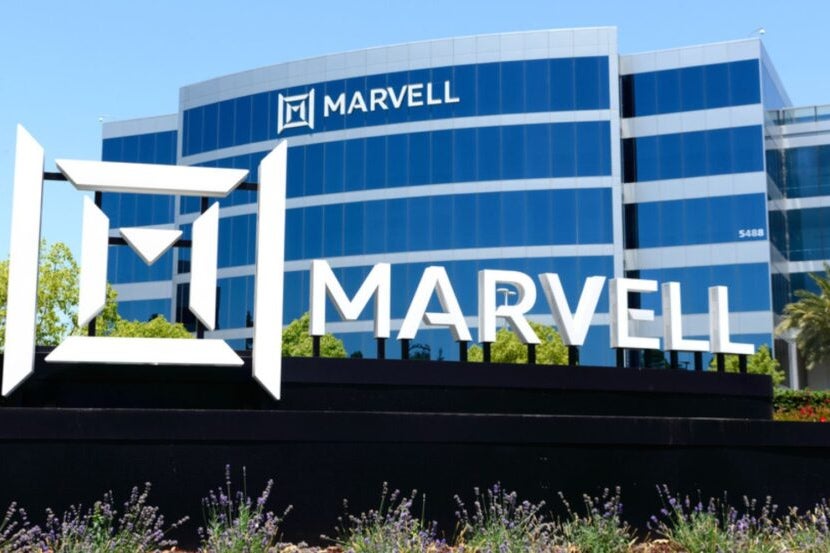
Marvell Set to Join S&P 500, Boosting Market Position

- Optical Interconnect Opportunity: Marvell's leadership in optical interconnects positions it favorably to meet the growing demand for high-speed connections in data centers, with interconnect revenue projected to increase by 70% this year, significantly enhancing its market share and competitiveness.
- S&P 500 Inclusion Impact: Marvell's upcoming inclusion in the S&P 500 index not only validates the company's success but is also likely to attract passive investment funds, potentially driving up the stock price and boosting investor confidence.
- Custom Chip Business Challenges: While Marvell shows strong performance in the ASIC market, its leading position with Amazon's Trainium chips is threatened by Taiwanese AI chip companies, which could impact its future market share and profitability.
- Valuation Risks: With a forward P/E ratio of 64, Marvell's stock appears overvalued, prompting analysts to recommend waiting for a price pullback before considering investment, thereby reducing risk and enhancing potential returns.
See More

Marvell Technology Set to Join S&P 500 Index
- S&P 500 Inclusion Impact: Marvell Technology is set to join the S&P 500, a move that not only validates the company's success but also attracts passive investment funds, likely boosting its stock price and enhancing market recognition.
- Strong Stock Performance: Marvell's stock has tripled this year, and despite some pullbacks, it surged over 32% in a single day after Nvidia's CEO labeled it as the next trillion-dollar company, reflecting strong market confidence in its growth potential.
- Leader in Optical Interconnects: As a leader in optical interconnects, Marvell is well-positioned to capitalize on the growing demand for high-speed data transfer in AI chip clusters, with interconnect revenue projected to increase by 70% this year due to the limitations of traditional copper wiring.
- ASIC Market Competition: While Marvell holds a significant position in the ASIC market and supplies IP for Amazon's Trainium chips, it faces competitive pressure from Taiwanese firms, which could impact its market leadership, necessitating close monitoring of its future performance.
See More

Marvell Technology Set to Join S&P 500 Index
- S&P 500 Inclusion: Marvell Technology is set to join the S&P 500 index, which is expected to attract significant passive investment funds, boosting its stock price and validating the company's success.
- Stock Surge: Following Nvidia CEO Jensen Huang's endorsement of Marvell as the next trillion-dollar company, its shares surged over 32% in a single day, reflecting strong market interest in its optical interconnect business.
- Leader in Optical Interconnects: Marvell leads in optical DSPs, with interconnect revenue projected to grow by 70% this year, indicating its strategic importance in the rapidly expanding AI market.
- ASIC Market Competition: While Marvell is experiencing rapid growth in the ASIC market, it faces competition from Taiwanese firms, particularly regarding Amazon's Trainium chips, which may impact its market leadership.
See More
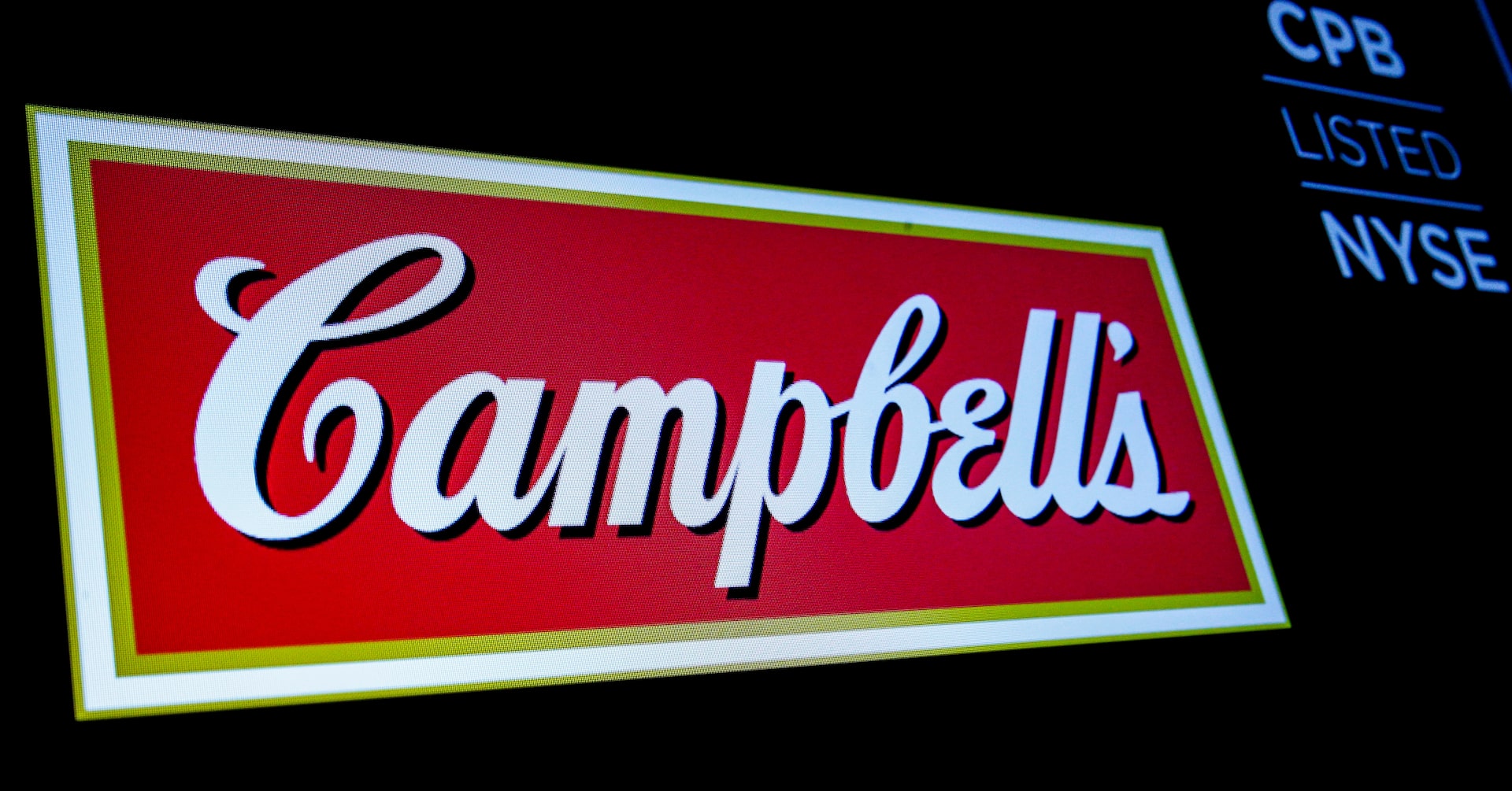
Analysis of Risks in High-Yield Stock Investments

- Yield Comparison: Campbell Soup Company (CPB) and General Mills (GIS) currently offer dividend yields of 7.05% and 7.24%, respectively, significantly higher than the S&P 500's 1%, yet market hesitance indicates underlying risks associated with high-yield stocks.
- Earnings Report Performance: Campbell's latest earnings report showed a 4% year-over-year sales decline, with earnings per share at $0.41, slightly above the $0.39 quarterly dividend, suggesting short-term sustainability of the dividend amidst inflationary pressures.
- General Mills' Struggles: General Mills reported an 8% revenue drop to $4.4 billion and a 52% plunge in net earnings, with diluted earnings per share at $0.56, falling short of the $0.61 dividend, raising concerns about potential dividend cuts despite no immediate necessity.
- Market Discount Phenomenon: Both companies are trading at a forward price-to-earnings ratio of 10, reflecting investor concerns over future uncertainties; while they may appear cheap, they could represent value traps, necessitating careful risk assessment by investors.
See More
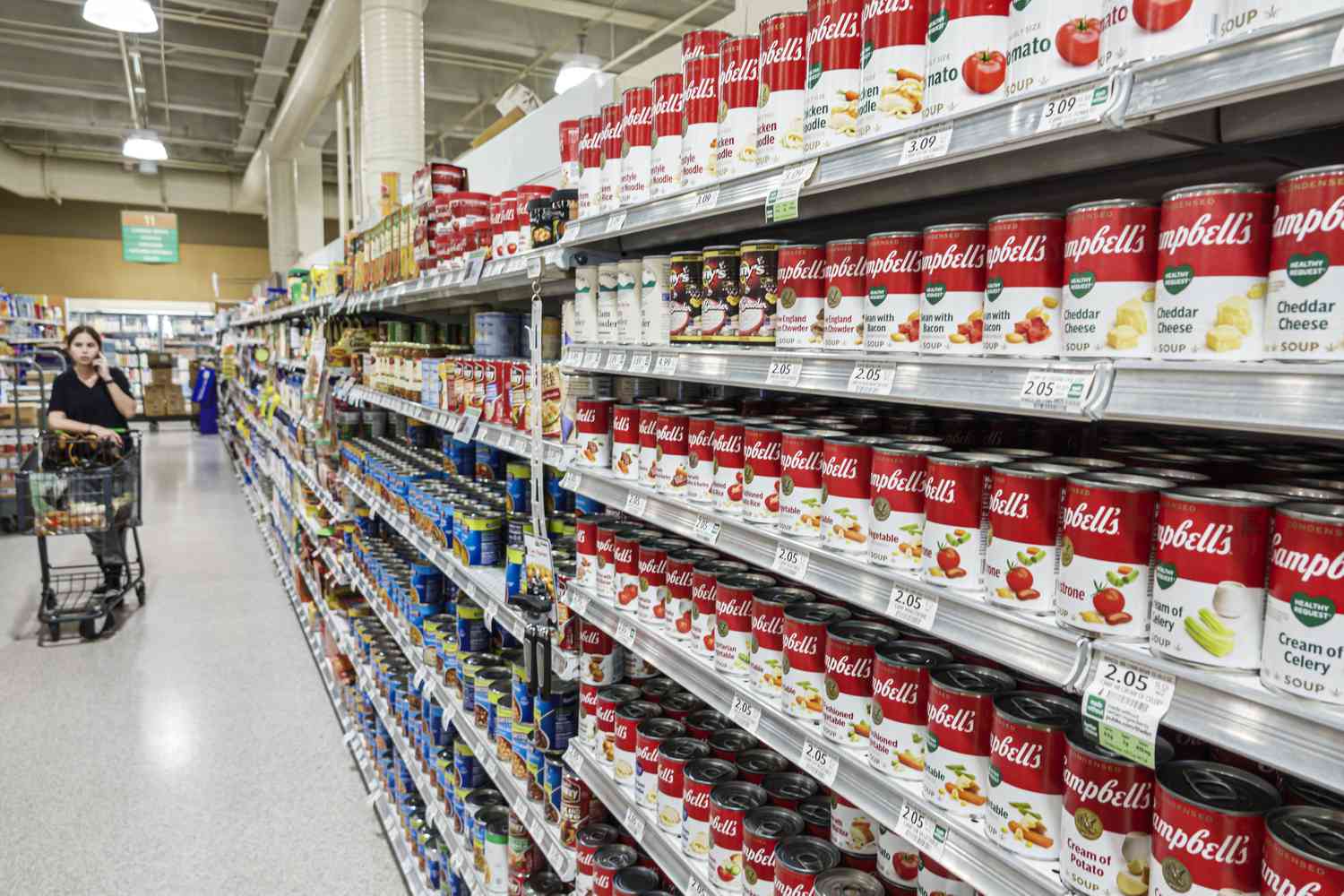
Food Companies Face Sales Decline and Dividend Risks
- Sales Performance Decline: Campbell's recently reported a 4% year-over-year sales decline, with management stating results met expectations; however, the company faces inflation-driven margin pressures, indicating vulnerability in the current economic climate.
- Profitability Risks: General Mills experienced an 8% revenue drop to $4.4 billion, with net earnings plummeting 52%, resulting in a diluted profit of $0.56 per share, falling short of the $0.61 quarterly dividend, raising concerns about dividend sustainability.
- Market Discount Phenomenon: Both Campbell's and General Mills stocks have fallen by 17% and 26%, respectively, with forward price-to-earnings multiples at 10, reflecting investor anxiety over future uncertainties and potentially leading to value traps.
- Investor Focus: While Campbell's dividend appears sustainable, its limited earnings buffer necessitates close monitoring of future financial performance to avoid potential investment risks.
See More
J.M. Smucker Forecasts Annual Profit Above Expectations
- Profit Forecast Increase: J.M. Smucker anticipates full-year adjusted earnings between $9.75 and $10.25 per share, surpassing analysts' average estimate of $9.79, indicating growth driven by resilient demand and price increases.
- Coffee Sales Surge: The company's U.S. retail coffee segment saw a 12% year-over-year sales increase, fueled by a 21 percentage point rise in pricing, reflecting its advantage in the home consumption trend as consumers opt to prepare more meals at home.
- Dynamic Net Sales: Overall quarterly net sales benefited from a 10 percentage point increase in pricing, although a 4 percentage point decline in volume highlights the complexity of market demand and shifting consumer behavior.
- Market Challenges: Smucker expects annual net sales to decline by 3% to 4%, contrasting sharply with analysts' expectations of a 1% increase, indicating the company's challenges in navigating a dynamic external environment and evolving consumer preferences.
See More
Marvell Set to Join S&P 500, Boosting Market Position
- Optical Interconnect Opportunity: Marvell's leadership in optical interconnects positions it favorably to meet the growing demand for high-speed connections in data centers, with interconnect revenue projected to increase by 70% this year, significantly enhancing its market share and competitiveness.
- S&P 500 Inclusion Impact: Marvell's upcoming inclusion in the S&P 500 index not only validates the company's success but is also likely to attract passive investment funds, potentially driving up the stock price and boosting investor confidence.
- Custom Chip Business Challenges: While Marvell shows strong performance in the ASIC market, its leading position with Amazon's Trainium chips is threatened by Taiwanese AI chip companies, which could impact its future market share and profitability.
- Valuation Risks: With a forward P/E ratio of 64, Marvell's stock appears overvalued, prompting analysts to recommend waiting for a price pullback before considering investment, thereby reducing risk and enhancing potential returns.
See More
Marvell Technology Set to Join S&P 500 Index
- S&P 500 Inclusion Impact: Marvell Technology is set to join the S&P 500, a move that not only validates the company's success but also attracts passive investment funds, likely boosting its stock price and enhancing market recognition.
- Strong Stock Performance: Marvell's stock has tripled this year, and despite some pullbacks, it surged over 32% in a single day after Nvidia's CEO labeled it as the next trillion-dollar company, reflecting strong market confidence in its growth potential.
- Leader in Optical Interconnects: As a leader in optical interconnects, Marvell is well-positioned to capitalize on the growing demand for high-speed data transfer in AI chip clusters, with interconnect revenue projected to increase by 70% this year due to the limitations of traditional copper wiring.
- ASIC Market Competition: While Marvell holds a significant position in the ASIC market and supplies IP for Amazon's Trainium chips, it faces competitive pressure from Taiwanese firms, which could impact its market leadership, necessitating close monitoring of its future performance.
See More
Marvell Technology Set to Join S&P 500 Index
- S&P 500 Inclusion: Marvell Technology is set to join the S&P 500 index, which is expected to attract significant passive investment funds, boosting its stock price and validating the company's success.
- Stock Surge: Following Nvidia CEO Jensen Huang's endorsement of Marvell as the next trillion-dollar company, its shares surged over 32% in a single day, reflecting strong market interest in its optical interconnect business.
- Leader in Optical Interconnects: Marvell leads in optical DSPs, with interconnect revenue projected to grow by 70% this year, indicating its strategic importance in the rapidly expanding AI market.
- ASIC Market Competition: While Marvell is experiencing rapid growth in the ASIC market, it faces competition from Taiwanese firms, particularly regarding Amazon's Trainium chips, which may impact its market leadership.
See More
Analysis of Risks in High-Yield Stock Investments
- Yield Comparison: Campbell Soup Company (CPB) and General Mills (GIS) currently offer dividend yields of 7.05% and 7.24%, respectively, significantly higher than the S&P 500's 1%, yet market hesitance indicates underlying risks associated with high-yield stocks.
- Earnings Report Performance: Campbell's latest earnings report showed a 4% year-over-year sales decline, with earnings per share at $0.41, slightly above the $0.39 quarterly dividend, suggesting short-term sustainability of the dividend amidst inflationary pressures.
- General Mills' Struggles: General Mills reported an 8% revenue drop to $4.4 billion and a 52% plunge in net earnings, with diluted earnings per share at $0.56, falling short of the $0.61 dividend, raising concerns about potential dividend cuts despite no immediate necessity.
- Market Discount Phenomenon: Both companies are trading at a forward price-to-earnings ratio of 10, reflecting investor concerns over future uncertainties; while they may appear cheap, they could represent value traps, necessitating careful risk assessment by investors.
See More
Food Companies Face Sales Decline and Dividend Risks
- Sales Performance Decline: Campbell's recently reported a 4% year-over-year sales decline, with management stating results met expectations; however, the company faces inflation-driven margin pressures, indicating vulnerability in the current economic climate.
- Profitability Risks: General Mills experienced an 8% revenue drop to $4.4 billion, with net earnings plummeting 52%, resulting in a diluted profit of $0.56 per share, falling short of the $0.61 quarterly dividend, raising concerns about dividend sustainability.
- Market Discount Phenomenon: Both Campbell's and General Mills stocks have fallen by 17% and 26%, respectively, with forward price-to-earnings multiples at 10, reflecting investor anxiety over future uncertainties and potentially leading to value traps.
- Investor Focus: While Campbell's dividend appears sustainable, its limited earnings buffer necessitates close monitoring of future financial performance to avoid potential investment risks.
See More
J.M. Smucker Forecasts Annual Profit Above Expectations
- Profit Forecast Increase: J.M. Smucker anticipates full-year adjusted earnings between $9.75 and $10.25 per share, surpassing analysts' average estimate of $9.79, indicating growth driven by resilient demand and price increases.
- Coffee Sales Surge: The company's U.S. retail coffee segment saw a 12% year-over-year sales increase, fueled by a 21 percentage point rise in pricing, reflecting its advantage in the home consumption trend as consumers opt to prepare more meals at home.
- Dynamic Net Sales: Overall quarterly net sales benefited from a 10 percentage point increase in pricing, although a 4 percentage point decline in volume highlights the complexity of market demand and shifting consumer behavior.
- Market Challenges: Smucker expects annual net sales to decline by 3% to 4%, contrasting sharply with analysts' expectations of a 1% increase, indicating the company's challenges in navigating a dynamic external environment and evolving consumer preferences.
See More