ByteDance Develops Proprietary CPUs to Address Shortages
Written by Emily J. Thompson, Senior Investment Analyst
Updated: 49 minutes ago
0mins

Source: Yahoo Finance
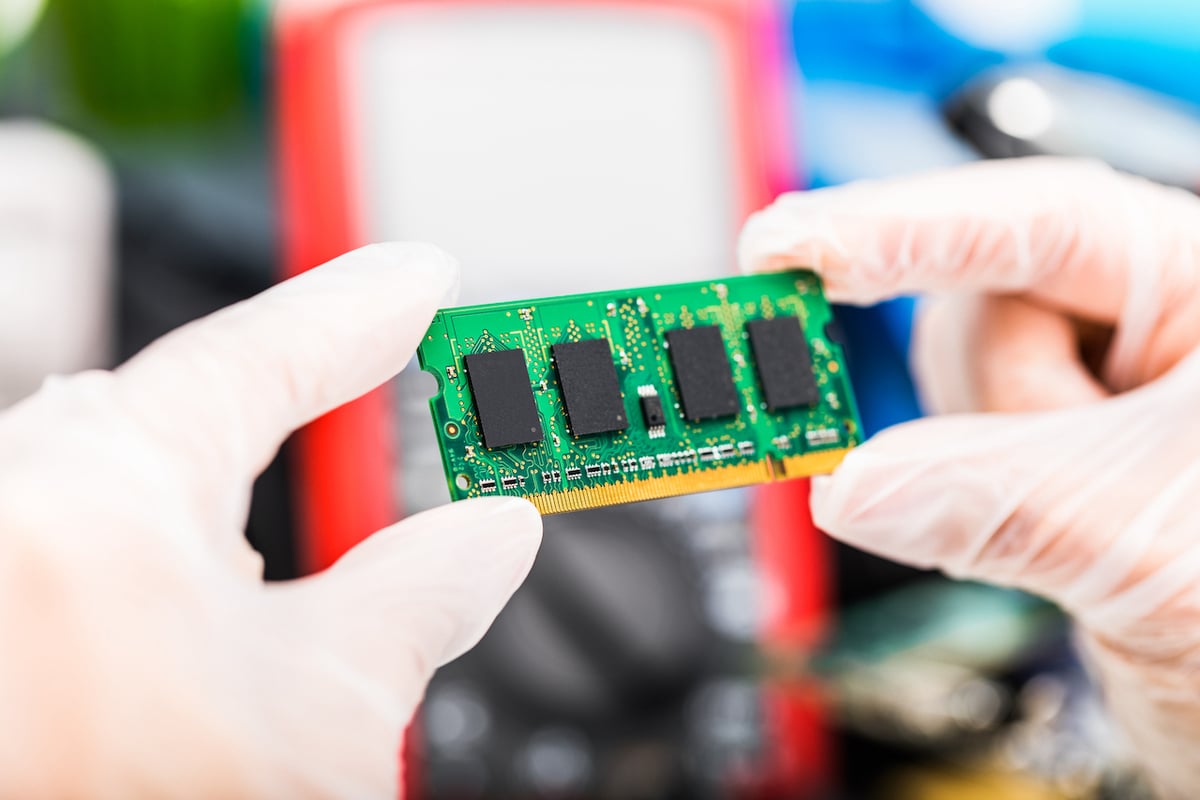
- Proprietary CPU Development: ByteDance is developing its own central processing units (CPUs) to support its growing AI infrastructure needs, aiming to mitigate reliance on external suppliers amid soaring chip prices and supply shortages.
- Intensifying Market Competition: As global hyperscalers like Google, Amazon, and Microsoft also develop custom CPUs, ByteDance's initiative signifies a rapid industry shift towards inference computing, which could impact its competitive position in the AI sector.
- Dual Architecture Strategy: ByteDance is pursuing two chip architecture tracks based on Arm and the open-source RISC-V instruction set architecture, allowing it to evaluate which design best suits its long-term data center requirements and maintain flexibility in technology choices.
- Supply Chain Challenges: With CPU prices from Intel and AMD rising by 10% to 35% in recent months, ByteDance is accelerating the development of in-house alternatives to reduce costs and ensure operational efficiency for future growth.
Trade with 70% Backtested Accuracy
Stop guessing "Should I Buy NVDA?" and start using high-conviction signals backed by rigorous historical data.
Sign up today to access powerful investing tools and make smarter, data-driven decisions.
Analyst Views on NVDA
Wall Street analysts forecast NVDA stock price to rise
41 Analyst Rating
39 Buy
1 Hold
1 Sell
Strong Buy
Current: 214.860

Low
200.00
Averages
264.97
High
352.00
Current: 214.860
Low
200.00
Averages
264.97
High
352.00
About NVDA
NVIDIA Corporation is an artificial intelligence (AI) infrastructure company. The Company is engaged in accelerated computing to help solve the challenging computational problems. Its segments include Compute & Networking and Graphics. The Compute & Networking segment includes its Data Center accelerated computing and networking platforms and AI solutions and software, and automotive platforms and autonomous and electric vehicle solutions, including software. The Graphics segment includes GeForce GPUs for gaming and personal computers (PCs), and Quadro/NVIDIA RTX GPUs for enterprise workstation graphics. Its technology stack includes the foundational NVIDIA CUDA development platform that runs on all NVIDIA GPUs, as well as hundreds of domain-specific software libraries, frameworks, algorithms, software development kits (SDKs), and application programming interfaces (APIs). Its platforms address four markets, which include Data Center, Gaming, Professional Visualization, and Automotive.
About the author

Emily J. Thompson
Emily J. Thompson, a Chartered Financial Analyst (CFA) with 12 years in investment research, graduated with honors from the Wharton School. Specializing in industrial and technology stocks, she provides in-depth analysis for Intellectia’s earnings and market brief reports.
Nvidia Reports Strong Earnings but Stock Declines

- Strong Earnings Report: Nvidia's fiscal Q1 2027 revenue surged 85% year-over-year to $81.6 billion, with data center revenue climbing 92% to $75.2 billion, reflecting robust market demand and significant growth potential.
- Dividend and Buyback: Management raised the quarterly dividend from $0.01 to $0.25 per share and authorized an additional $80 billion in share repurchases, indicating strong confidence in future growth and commitment to shareholder returns.
- Customer Concentration Risk: The top three customers accounted for 64% of accounts receivable, up from 56% in the previous quarter, which raises concerns about potential risks if demand from these key clients fluctuates.
- Stagnation in China: Nvidia recorded no data center compute revenue from China this quarter, compared to $4.6 billion in the same period last year, highlighting the impact of international market uncertainties on the company's performance.
See More
Nvidia's Vera Rubin Platform Set to Transform AI Market Dynamics
- Accelerating Revenue Growth: Nvidia reported a record $81.6 billion in total revenue for Q1 FY2027, marking an 85% year-over-year increase, with the data center segment alone generating $75.2 billion, reflecting a remarkable 92% growth rate, underscoring the robust sales momentum for GPUs and AI hardware.
- Promising New Platform: The upcoming Vera Rubin platform is expected to surpass the Blackwell architecture, enabling AI model training with 75% fewer GPUs and reducing inference costs by 90%, which could catalyze broader AI adoption among businesses and consumers.
- Attractive Market Valuation: Nvidia's current P/E ratio stands at 33, nearly 50% below its 10-year average of 61.7, indicating potential undervaluation; however, the stock would need to rise by 37% over the next 12 months to maintain this P/E ratio.
- Emerging Risk Factors: While Vera Rubin is poised to lower inference costs, AI companies are raising prices due to increased capital expenditures, which may blunt the platform's market impact, prompting investors to remain cautious about the uncertainties in the AI landscape.
See More

ByteDance Develops Custom CPUs to Meet AI Infrastructure Needs

- Custom CPU Development: ByteDance is developing its own central processing units (CPUs) to meet the growing demands of its AI infrastructure, aiming to enhance internal operational efficiency by reducing reliance on external suppliers.
- Intensifying Market Competition: As AI models increasingly demand higher CPU performance, ByteDance's initiative aligns it with tech giants like Google, Amazon, and Microsoft, who are also developing custom CPUs to cut costs and optimize performance.
- Dual Architecture Strategy: ByteDance is exploring two chip architectures based on Arm and the open-source RISC-V instruction set to determine which design best suits its long-term data center needs, thereby mitigating future manufacturing risks.
- Price Pressure: With CPU prices from Intel and AMD rising by 10% to 35% in recent months, ByteDance is accelerating its in-house chip development to address challenges posed by supply shortages and escalating costs.
See More
ByteDance Develops Proprietary CPUs to Address Shortages

- Proprietary CPU Development: ByteDance is developing its own central processing units (CPUs) to support its growing AI infrastructure needs, aiming to mitigate reliance on external suppliers amid soaring chip prices and supply shortages.
- Intensifying Market Competition: As global hyperscalers like Google, Amazon, and Microsoft also develop custom CPUs, ByteDance's initiative signifies a rapid industry shift towards inference computing, which could impact its competitive position in the AI sector.
- Dual Architecture Strategy: ByteDance is pursuing two chip architecture tracks based on Arm and the open-source RISC-V instruction set architecture, allowing it to evaluate which design best suits its long-term data center requirements and maintain flexibility in technology choices.
- Supply Chain Challenges: With CPU prices from Intel and AMD rising by 10% to 35% in recent months, ByteDance is accelerating the development of in-house alternatives to reduce costs and ensure operational efficiency for future growth.
See More

Escalating Middle East Conflict Impacts Markets

- Market Volatility: The escalation of U.S. military strikes against Iran has led to significant volatility in Asian stocks and oil prices, reflecting the market's heightened sensitivity to Middle Eastern tensions, which could destabilize investor sentiment and impact global economic recovery.
- Rising Oil Prices: U.S. military actions have driven oil prices higher, raising concerns over the safety of commercial shipping through the Strait of Hormuz, which may further increase global energy costs and affect national economies.
- Fed Officials' Insights: Federal Reserve officials have indicated that while the labor market remains strong, the energy inflation stemming from the Middle East conflict could create a
See More

Foreign Investors Buy Japanese Stocks for Eighth Straight Week
- Sustained Foreign Investment: As of May 23, foreign investors net purchased 1.08 trillion yen ($6.77 billion) in Japanese stocks, marking a nearly 14% increase from the previous week's 948.4 billion yen, reflecting strong confidence in the Japanese market.
- Tech Sector Surge: Benefiting from Nvidia's optimistic demand forecast for its AI chips, SoftBank Group (9984.T) saw its stock price soar 17.62% last week, while chip designer Socionext (6526.T) rallied 12.26%, further attracting foreign capital inflows.
- Year-to-Date Investment Trends: Year-to-date, foreign investors have pumped nearly 11.7 trillion yen into Japanese stocks, compared to only 742.1 billion yen in net purchases during the same period last year, indicating sustained interest and investment enthusiasm in the Japanese market.
- Bond Market Dynamics: Japanese long-term bonds experienced a net purchase of 1.35 trillion yen, rebounding from the prior week's outflow of 1.03 trillion yen, suggesting that higher yields attracted investors, although short-term instruments saw a divestment of 2.22 trillion yen, indicating market divergence.
See More
Nvidia Reports Strong Earnings but Stock Declines
- Strong Earnings Report: Nvidia's fiscal Q1 2027 revenue surged 85% year-over-year to $81.6 billion, with data center revenue climbing 92% to $75.2 billion, reflecting robust market demand and significant growth potential.
- Dividend and Buyback: Management raised the quarterly dividend from $0.01 to $0.25 per share and authorized an additional $80 billion in share repurchases, indicating strong confidence in future growth and commitment to shareholder returns.
- Customer Concentration Risk: The top three customers accounted for 64% of accounts receivable, up from 56% in the previous quarter, which raises concerns about potential risks if demand from these key clients fluctuates.
- Stagnation in China: Nvidia recorded no data center compute revenue from China this quarter, compared to $4.6 billion in the same period last year, highlighting the impact of international market uncertainties on the company's performance.
See More
Nvidia's Vera Rubin Platform Set to Transform AI Market Dynamics
- Accelerating Revenue Growth: Nvidia reported a record $81.6 billion in total revenue for Q1 FY2027, marking an 85% year-over-year increase, with the data center segment alone generating $75.2 billion, reflecting a remarkable 92% growth rate, underscoring the robust sales momentum for GPUs and AI hardware.
- Promising New Platform: The upcoming Vera Rubin platform is expected to surpass the Blackwell architecture, enabling AI model training with 75% fewer GPUs and reducing inference costs by 90%, which could catalyze broader AI adoption among businesses and consumers.
- Attractive Market Valuation: Nvidia's current P/E ratio stands at 33, nearly 50% below its 10-year average of 61.7, indicating potential undervaluation; however, the stock would need to rise by 37% over the next 12 months to maintain this P/E ratio.
- Emerging Risk Factors: While Vera Rubin is poised to lower inference costs, AI companies are raising prices due to increased capital expenditures, which may blunt the platform's market impact, prompting investors to remain cautious about the uncertainties in the AI landscape.
See More
ByteDance Develops Custom CPUs to Meet AI Infrastructure Needs
- Custom CPU Development: ByteDance is developing its own central processing units (CPUs) to meet the growing demands of its AI infrastructure, aiming to enhance internal operational efficiency by reducing reliance on external suppliers.
- Intensifying Market Competition: As AI models increasingly demand higher CPU performance, ByteDance's initiative aligns it with tech giants like Google, Amazon, and Microsoft, who are also developing custom CPUs to cut costs and optimize performance.
- Dual Architecture Strategy: ByteDance is exploring two chip architectures based on Arm and the open-source RISC-V instruction set to determine which design best suits its long-term data center needs, thereby mitigating future manufacturing risks.
- Price Pressure: With CPU prices from Intel and AMD rising by 10% to 35% in recent months, ByteDance is accelerating its in-house chip development to address challenges posed by supply shortages and escalating costs.
See More
ByteDance Develops Proprietary CPUs to Address Shortages
- Proprietary CPU Development: ByteDance is developing its own central processing units (CPUs) to support its growing AI infrastructure needs, aiming to mitigate reliance on external suppliers amid soaring chip prices and supply shortages.
- Intensifying Market Competition: As global hyperscalers like Google, Amazon, and Microsoft also develop custom CPUs, ByteDance's initiative signifies a rapid industry shift towards inference computing, which could impact its competitive position in the AI sector.
- Dual Architecture Strategy: ByteDance is pursuing two chip architecture tracks based on Arm and the open-source RISC-V instruction set architecture, allowing it to evaluate which design best suits its long-term data center requirements and maintain flexibility in technology choices.
- Supply Chain Challenges: With CPU prices from Intel and AMD rising by 10% to 35% in recent months, ByteDance is accelerating the development of in-house alternatives to reduce costs and ensure operational efficiency for future growth.
See More
Escalating Middle East Conflict Impacts Markets
- Market Volatility: The escalation of U.S. military strikes against Iran has led to significant volatility in Asian stocks and oil prices, reflecting the market's heightened sensitivity to Middle Eastern tensions, which could destabilize investor sentiment and impact global economic recovery.
- Rising Oil Prices: U.S. military actions have driven oil prices higher, raising concerns over the safety of commercial shipping through the Strait of Hormuz, which may further increase global energy costs and affect national economies.
- Fed Officials' Insights: Federal Reserve officials have indicated that while the labor market remains strong, the energy inflation stemming from the Middle East conflict could create a
See More
Foreign Investors Buy Japanese Stocks for Eighth Straight Week
- Sustained Foreign Investment: As of May 23, foreign investors net purchased 1.08 trillion yen ($6.77 billion) in Japanese stocks, marking a nearly 14% increase from the previous week's 948.4 billion yen, reflecting strong confidence in the Japanese market.
- Tech Sector Surge: Benefiting from Nvidia's optimistic demand forecast for its AI chips, SoftBank Group (9984.T) saw its stock price soar 17.62% last week, while chip designer Socionext (6526.T) rallied 12.26%, further attracting foreign capital inflows.
- Year-to-Date Investment Trends: Year-to-date, foreign investors have pumped nearly 11.7 trillion yen into Japanese stocks, compared to only 742.1 billion yen in net purchases during the same period last year, indicating sustained interest and investment enthusiasm in the Japanese market.
- Bond Market Dynamics: Japanese long-term bonds experienced a net purchase of 1.35 trillion yen, rebounding from the prior week's outflow of 1.03 trillion yen, suggesting that higher yields attracted investors, although short-term instruments saw a divestment of 2.22 trillion yen, indicating market divergence.
See More