Buffett's Japan Play: Why Investors Shouldn't Sleep On These Stocks, ETFs

Buffett's Investment in Japan: Warren Buffett's Berkshire Hathaway is increasing its stakes in Japan's largest trading houses, which have seen significant stock price increases following his endorsement. The company previously acquired 5% stakes in these firms for $6 billion, now valued at $23.5 billion.
Market Impact and Future Outlook: Buffett's backing has positively influenced the Japanese market, with notable gains in various ETFs and stocks, including Sony and Mitsubishi UFJ Financial Group. Analysts suggest that this could signal the beginning of a long-term bull run in Japan, reminiscent of missed opportunities like Apple in 2003.
Trade with 70% Backtested Accuracy
Analyst Views on BRK.B


No data
About BRK.B
About the author

CHARLIE SHAMIEH EXPECTED TO TAKE OVER FOR JAIN AT BERKSHIRE WHEN HE CHOOSES TO RETIRE - WSJ

- Retirement Announcement: Charlie Munger has indicated that he will succeed Jain when he is ready to retire from Berkshire Hathaway.
- Future Leadership: The transition in leadership at Berkshire Hathaway is anticipated to occur when Munger feels prepared to step down.
Berkshire Appoints Gen Re Chairman as Successor to Insurance Leader Ajit Jain - WSJ
Berkshire Picks New Chairman: Berkshire Hathaway has appointed Ajit Jain as the new chairman of its insurance operations, succeeding the previous chairman.
Jain's Successor: The decision highlights Jain's significant role and success within the company, particularly in the insurance sector.
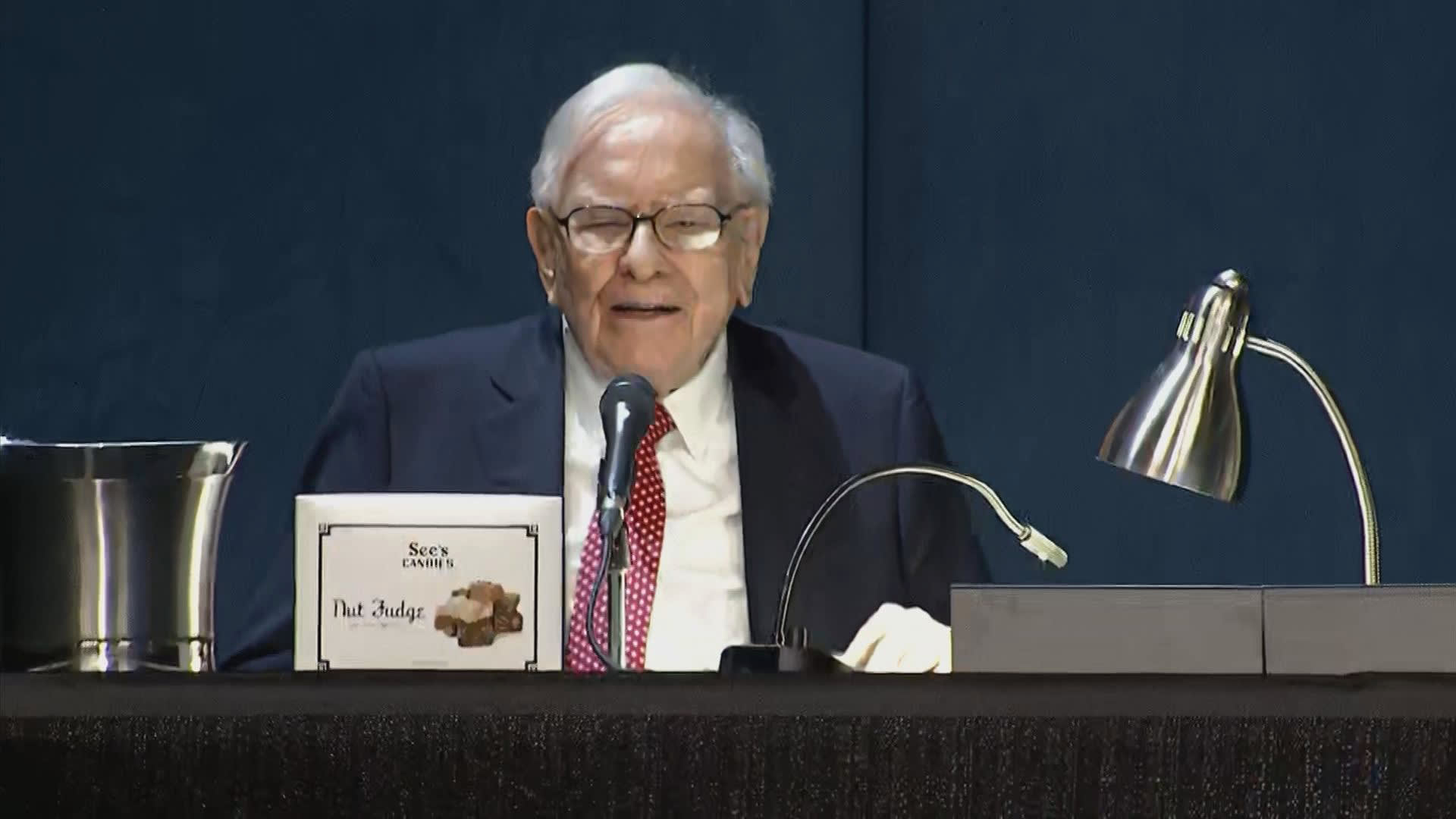
Berkshire Hathaway Shareholders Dismiss Proposal for Workforce Oversight Report and Endorse Say-on-Pay Measures
- Shareholders' Decision: Berkshire Hathaway shareholders have rejected a proposal for a report on workforce oversight.
- Approval of Pay Proposals: The shareholders approved say-on-pay proposals, allowing for shareholder input on executive compensation.
Berkshire Hathaway Shareholder Q&A Session Concludes
Event Overview: The Berkshire Hathaway shareholder question-and-answer session has concluded, providing insights into the company's performance and future strategies.
Key Highlights: Notable discussions included investment strategies, market trends, and the company's approach to current economic challenges.
Leadership Insights: Warren Buffett and Charlie Munger shared their perspectives on various topics, emphasizing long-term value and prudent investment practices.
Shareholder Engagement: The session fostered interaction between shareholders and company leadership, reinforcing the importance of transparency and communication in corporate governance.
BERKSHIRE CEO ABEL OPEN TO NEW TECHNOLOGY INVESTMENTS BASED ON FUNDAMENTALS
Berkshire CEO's Stance: The CEO of Berkshire Hathaway, Abel, has stated that the company does not rule out investments in new technology.
Focus on Fundamentals: Any potential investments in technology will depend on the fundamental aspects of the companies being considered.
Berkshire CEO Abel Affirms Effective Conglomerate Operations, Expects No Divestitures of Subsidiaries
Berkshire CEO's Perspective: The CEO of Berkshire Hathaway, Abel, emphasizes that the company operates effectively as a conglomerate.
No Plans for Divestment: Abel does not foresee Berkshire Hathaway divesting its subsidiaries, indicating a commitment to maintaining its diverse portfolio.
CHARLIE SHAMIEH EXPECTED TO TAKE OVER FOR JAIN AT BERKSHIRE WHEN HE CHOOSES TO RETIRE - WSJ
- Retirement Announcement: Charlie Munger has indicated that he will succeed Jain when he is ready to retire from Berkshire Hathaway.
- Future Leadership: The transition in leadership at Berkshire Hathaway is anticipated to occur when Munger feels prepared to step down.
Berkshire Appoints Gen Re Chairman as Successor to Insurance Leader Ajit Jain - WSJ
Berkshire Picks New Chairman: Berkshire Hathaway has appointed Ajit Jain as the new chairman of its insurance operations, succeeding the previous chairman.
Jain's Successor: The decision highlights Jain's significant role and success within the company, particularly in the insurance sector.
Berkshire Hathaway Shareholders Dismiss Proposal for Workforce Oversight Report and Endorse Say-on-Pay Measures
- Shareholders' Decision: Berkshire Hathaway shareholders have rejected a proposal for a report on workforce oversight.
- Approval of Pay Proposals: The shareholders approved say-on-pay proposals, allowing for shareholder input on executive compensation.
Berkshire Hathaway Shareholder Q&A Session Concludes
Event Overview: The Berkshire Hathaway shareholder question-and-answer session has concluded, providing insights into the company's performance and future strategies.
Key Highlights: Notable discussions included investment strategies, market trends, and the company's approach to current economic challenges.
Leadership Insights: Warren Buffett and Charlie Munger shared their perspectives on various topics, emphasizing long-term value and prudent investment practices.
Shareholder Engagement: The session fostered interaction between shareholders and company leadership, reinforcing the importance of transparency and communication in corporate governance.
BERKSHIRE CEO ABEL OPEN TO NEW TECHNOLOGY INVESTMENTS BASED ON FUNDAMENTALS
Berkshire CEO's Stance: The CEO of Berkshire Hathaway, Abel, has stated that the company does not rule out investments in new technology.
Focus on Fundamentals: Any potential investments in technology will depend on the fundamental aspects of the companies being considered.
Berkshire CEO Abel Affirms Effective Conglomerate Operations, Expects No Divestitures of Subsidiaries
Berkshire CEO's Perspective: The CEO of Berkshire Hathaway, Abel, emphasizes that the company operates effectively as a conglomerate.
No Plans for Divestment: Abel does not foresee Berkshire Hathaway divesting its subsidiaries, indicating a commitment to maintaining its diverse portfolio.