BP Expects 2026 Capital Expenditure of $13-13.5 Billion
The company said, "BP now expects reported upstream production to be lower due to effects of disruption in the Middle East and underlying upstream production to be broadly flat compared with 2025. Within this, bp expects underlying production from oil production & operations to be broadly flat and production from gas & low carbon energy to be lower. In its customers business, bp continues to expect to make continued progress growing cash flows, supported by lower underlying operating expenditure driven by structural cost reductions*. These benefits will be partly offset by the earnings impact of completed and announced divestments. Reported earnings will benefit from lower depreciation as a result of the assets held for sale accounting treatment of Castrol following the planned divestment. Fuel margins are expected to remain sensitive to movements in the cost of supply. In products, bp continues to expect significantly lower level of turnaround activity. Refining margins are expected to remain sensitive to the cost of supply and conditions in the Middle East. BP continues to expect other businesses & corporate underlying annual charge to be around $1.0 billion for 2026. The charge may vary quarter to quarter. BP continues to expect the depreciation, depletion and amortization to be broadly flat compared with 2025. BP continues to expect the underlying ETR for 2026 to be around 40% but it is sensitive to a range of factors, including the volatility of the price environment and its impact on the geographical mix of the group's profits and losses. BP continues to expect capital expenditure to be $13-13.5 billion and now evenly weighted through the year. BP continues to expect divestment and other proceeds to be $9-10 billion in 2026, including approximately $6 billion from the announced Castrol transaction, all significantly weighted to the second half. BP continues to expect Gulf of America settlement payments for the year to be around $1.6 billion pre-tax including $0.4 billion pre tax paid during the first quarter and $1.1 billion pre-tax paid during the second quarter."
Trade with 70% Backtested Accuracy
Analyst Views on BP

About BP
About the author

BP Acquires 40% Stake in Uzbekistan Oil and Gas Blocks
- Stake Acquisition: BP has acquired a 40% participating interest in six oil and gas exploration blocks in Uzbekistan's Ustyurt region, including Boyterak, Terengquduq, Birqori, Kharoy, Qoraqalpoq, and Qulboy, marking an expansion of its upstream operations in Central Asia.
- Exploratory Activities: The agreement will involve seismic surveys and exploratory drilling, which are expected to provide BP with new resource discovery opportunities, thereby enhancing its competitive position in the region.
- Market Potential: This move not only strengthens BP's operational footprint in Central Asia but also aligns with its long-term strategic goals by potentially driving future revenue growth through the development of new resources.
- Risks and Opportunities: Analysts suggest that BP's market performance is still underestimated, and this acquisition could provide the company with a 'second chance' to improve its market image and boost investor confidence.
BP Considers Selling Natural Gas Assets in Egypt Amid Restructuring
- Restructuring Strategy: BP's new CEO Meg O'Neill is considering the sale of some natural gas assets in Egypt as part of a strategy to cut debt and refocus on more profitable projects, indicating the company's adaptive approach to market challenges.
- Investment Background: BP has invested over $35 billion in Egypt over six decades, producing about 60% of the country's natural gas through joint ventures, highlighting its deep-rooted presence and market influence in the region.
- Production Decline: Last year, BP produced 518 million cubic feet of natural gas per day in Egypt, down approximately 40% from 2024 and nearly 60% from 2023, reflecting pressures on the company in resource management and market competition.
- Project Overview: The West Nile Delta development includes five gas fields across the North Alexandria and West Mediterranean deepwater blocks, and despite challenges, BP is striving to maintain its production capacity in the region.
U.S.-China Summit Sparks Market Optimism


- Strong Market Performance: U.S. stocks surged on the first day of the Trump-Xi summit, with the S&P 500 closing above 7,500 for the first time and the Dow Jones Industrial Average jumping 370 points back to 50,000, reflecting investor optimism about improved bilateral relations.
- Strategic Stability Agreement: Trump and Xi agreed to foster a 'constructive China-U.S. relationship of strategic stability', laying the groundwork for future trade and tech cooperation, which could enhance economic integration between the two nations.
- Major Commercial Deal: Trump announced that China will order 200 Boeing jets, seen as a significant win for the U.S. planemaker, which is expected to positively impact Boeing's performance and potentially boost the related supply chain.
- Tech Stocks Shine: AI chipmaker Cerebras saw its shares skyrocket 68% in its Nasdaq debut, reaching a market cap of $95 billion, highlighting the strong demand for high-growth AI companies and further driving up tech stock valuations.

Trump's Visit to China Sparks Market Attention
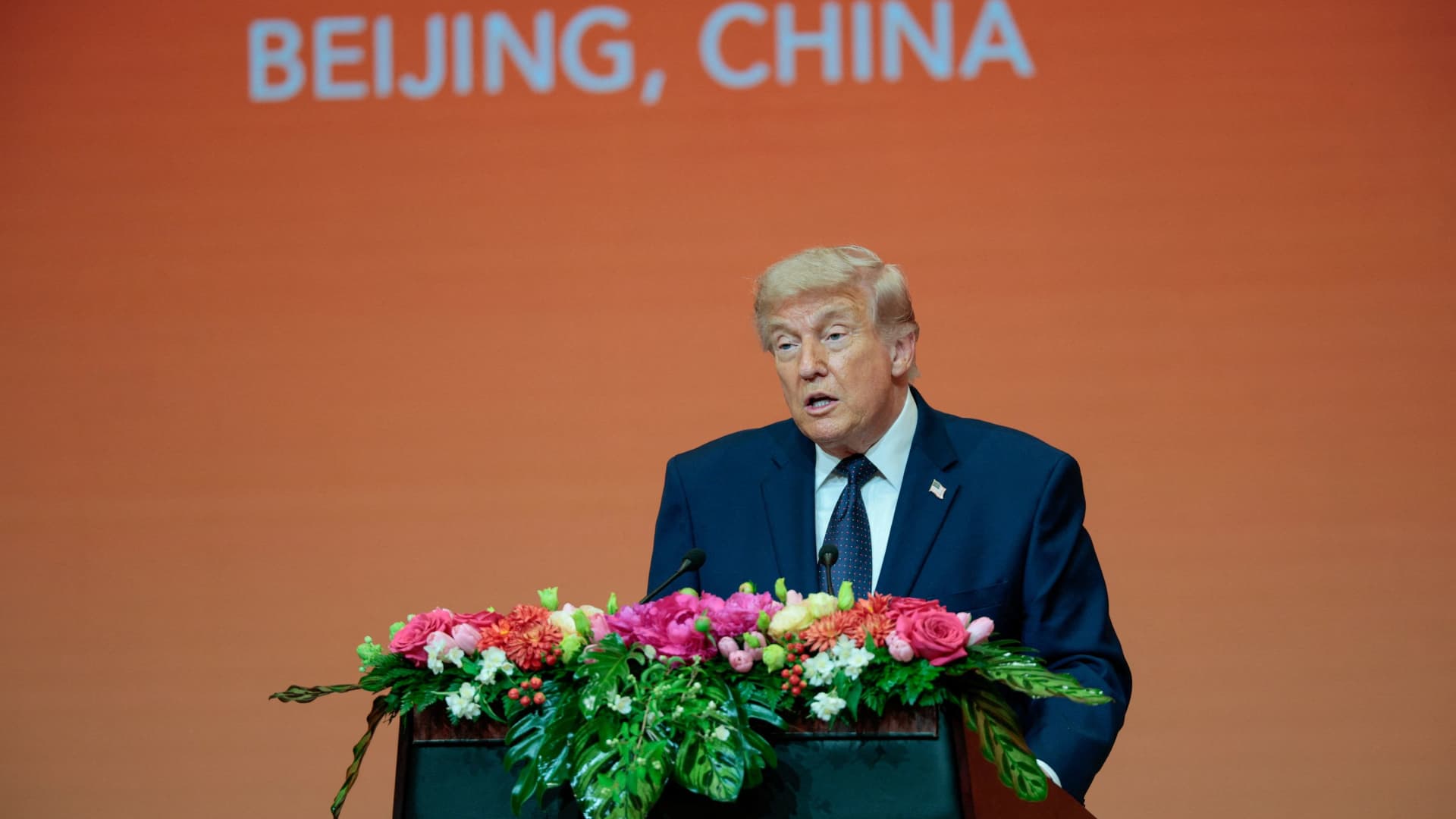
- High-Level Meeting Context: President Trump arrived in Beijing on May 13, 2026, accompanied by top executives including Tesla's Elon Musk and Nvidia's Jensen Huang, aiming to engage in crucial discussions with President Xi Jinping on trade, technology, and regional security issues.
- Market Reaction: Asian markets showed mixed performance ahead of Trump's visit, while U.S. futures remained relatively unchanged; notably, the S&P 500 reached an all-time high on Wall Street, reflecting traders' enthusiasm for technology stocks despite pressures from the latest inflation report.
- Inflation Data Impact: U.S. wholesale inflation surged to 6% year-over-year in April, marking the highest increase since 2022, which intensifies pressure on Federal Reserve policy and complicates the economic backdrop for Trump's high-level diplomacy.
- Global Oil Flow Constraints: The closure of the Strait of Hormuz due to the Iran war has severely impacted global oil flows, with OPEC reporting a 30% reduction in supply since the conflict began, posing significant risks to demand growth this year.
BP Resumes Negotiations with Union Leaders to Resolve Lockout Issues
- Negotiation Resumption: BP is set to meet with union leaders on Monday to resume contract negotiations for its Whiting, Indiana oil refinery, which has been locked out since March 19, affecting 800 workers; a successful negotiation could restore production and stabilize employee morale.
- Lockout Impact: The Whiting refinery, the largest in the U.S. Midwest with a capacity of 440,000 barrels per day, faces production disruptions due to the lockout, potentially impacting BP's market share and profitability, compelling the company to maintain competitiveness under various economic conditions.
- Union Demands: The union is demanding BP lift the lockout and retract its requests to cut over 100 local jobs, implement sweeping pay cuts, and relinquish bargaining and seniority rights; failure to meet these demands could lead to a stalemate in negotiations, further eroding worker confidence.
- Long-term Strategy: BP expressed its desire to reach an agreement that preserves strong job opportunities while keeping the site competitive in a range of economic conditions, which not only helps maintain the company's image but may also lay the groundwork for future business growth.

Plug Power Reports Significant Improvement in Q1 Performance


- Accelerated Revenue Growth: Plug Power reported $163.5 million in revenue for Q1, a 22% year-over-year increase that significantly exceeded analysts' expectations of $140 million, indicating strong demand in its materials handling business, particularly with Walmart and Amazon.
- Margin Improvement: The company achieved a 71% improvement in margins during the quarter, driven by sales growth, cost optimization, and fuel sourcing efficiencies, although it still reported an operating loss of approximately $109 million, a substantial reduction from the $178 million loss in the same period last year.
- Future Growth Catalysts: Plug Power has deployed over 320 megawatts of electrolyzer solutions globally and has more than $8 billion in additional projects in the pipeline, highlighting its strong growth potential in industrial and energy applications.
- Clear Profitability Goals: The company aims to achieve positive EBITDA by Q4 this year and positive operating income by the end of next year, with a long-term goal of full profitability by the end of 2028, demonstrating a strategic focus on improving its financial health.
BP Acquires 40% Stake in Uzbekistan Oil and Gas Blocks
- Stake Acquisition: BP has acquired a 40% participating interest in six oil and gas exploration blocks in Uzbekistan's Ustyurt region, including Boyterak, Terengquduq, Birqori, Kharoy, Qoraqalpoq, and Qulboy, marking an expansion of its upstream operations in Central Asia.
- Exploratory Activities: The agreement will involve seismic surveys and exploratory drilling, which are expected to provide BP with new resource discovery opportunities, thereby enhancing its competitive position in the region.
- Market Potential: This move not only strengthens BP's operational footprint in Central Asia but also aligns with its long-term strategic goals by potentially driving future revenue growth through the development of new resources.
- Risks and Opportunities: Analysts suggest that BP's market performance is still underestimated, and this acquisition could provide the company with a 'second chance' to improve its market image and boost investor confidence.
BP Considers Selling Natural Gas Assets in Egypt Amid Restructuring
- Restructuring Strategy: BP's new CEO Meg O'Neill is considering the sale of some natural gas assets in Egypt as part of a strategy to cut debt and refocus on more profitable projects, indicating the company's adaptive approach to market challenges.
- Investment Background: BP has invested over $35 billion in Egypt over six decades, producing about 60% of the country's natural gas through joint ventures, highlighting its deep-rooted presence and market influence in the region.
- Production Decline: Last year, BP produced 518 million cubic feet of natural gas per day in Egypt, down approximately 40% from 2024 and nearly 60% from 2023, reflecting pressures on the company in resource management and market competition.
- Project Overview: The West Nile Delta development includes five gas fields across the North Alexandria and West Mediterranean deepwater blocks, and despite challenges, BP is striving to maintain its production capacity in the region.
U.S.-China Summit Sparks Market Optimism
- Strong Market Performance: U.S. stocks surged on the first day of the Trump-Xi summit, with the S&P 500 closing above 7,500 for the first time and the Dow Jones Industrial Average jumping 370 points back to 50,000, reflecting investor optimism about improved bilateral relations.
- Strategic Stability Agreement: Trump and Xi agreed to foster a 'constructive China-U.S. relationship of strategic stability', laying the groundwork for future trade and tech cooperation, which could enhance economic integration between the two nations.
- Major Commercial Deal: Trump announced that China will order 200 Boeing jets, seen as a significant win for the U.S. planemaker, which is expected to positively impact Boeing's performance and potentially boost the related supply chain.
- Tech Stocks Shine: AI chipmaker Cerebras saw its shares skyrocket 68% in its Nasdaq debut, reaching a market cap of $95 billion, highlighting the strong demand for high-growth AI companies and further driving up tech stock valuations.
Trump's Visit to China Sparks Market Attention
- High-Level Meeting Context: President Trump arrived in Beijing on May 13, 2026, accompanied by top executives including Tesla's Elon Musk and Nvidia's Jensen Huang, aiming to engage in crucial discussions with President Xi Jinping on trade, technology, and regional security issues.
- Market Reaction: Asian markets showed mixed performance ahead of Trump's visit, while U.S. futures remained relatively unchanged; notably, the S&P 500 reached an all-time high on Wall Street, reflecting traders' enthusiasm for technology stocks despite pressures from the latest inflation report.
- Inflation Data Impact: U.S. wholesale inflation surged to 6% year-over-year in April, marking the highest increase since 2022, which intensifies pressure on Federal Reserve policy and complicates the economic backdrop for Trump's high-level diplomacy.
- Global Oil Flow Constraints: The closure of the Strait of Hormuz due to the Iran war has severely impacted global oil flows, with OPEC reporting a 30% reduction in supply since the conflict began, posing significant risks to demand growth this year.
BP Resumes Negotiations with Union Leaders to Resolve Lockout Issues
- Negotiation Resumption: BP is set to meet with union leaders on Monday to resume contract negotiations for its Whiting, Indiana oil refinery, which has been locked out since March 19, affecting 800 workers; a successful negotiation could restore production and stabilize employee morale.
- Lockout Impact: The Whiting refinery, the largest in the U.S. Midwest with a capacity of 440,000 barrels per day, faces production disruptions due to the lockout, potentially impacting BP's market share and profitability, compelling the company to maintain competitiveness under various economic conditions.
- Union Demands: The union is demanding BP lift the lockout and retract its requests to cut over 100 local jobs, implement sweeping pay cuts, and relinquish bargaining and seniority rights; failure to meet these demands could lead to a stalemate in negotiations, further eroding worker confidence.
- Long-term Strategy: BP expressed its desire to reach an agreement that preserves strong job opportunities while keeping the site competitive in a range of economic conditions, which not only helps maintain the company's image but may also lay the groundwork for future business growth.
Plug Power Reports Significant Improvement in Q1 Performance
- Accelerated Revenue Growth: Plug Power reported $163.5 million in revenue for Q1, a 22% year-over-year increase that significantly exceeded analysts' expectations of $140 million, indicating strong demand in its materials handling business, particularly with Walmart and Amazon.
- Margin Improvement: The company achieved a 71% improvement in margins during the quarter, driven by sales growth, cost optimization, and fuel sourcing efficiencies, although it still reported an operating loss of approximately $109 million, a substantial reduction from the $178 million loss in the same period last year.
- Future Growth Catalysts: Plug Power has deployed over 320 megawatts of electrolyzer solutions globally and has more than $8 billion in additional projects in the pipeline, highlighting its strong growth potential in industrial and energy applications.
- Clear Profitability Goals: The company aims to achieve positive EBITDA by Q4 this year and positive operating income by the end of next year, with a long-term goal of full profitability by the end of 2028, demonstrating a strategic focus on improving its financial health.