Blue Owl Capital Faces Class Action Lawsuit
Written by Emily J. Thompson, Senior Investment Analyst
Updated: Jan 30 2026
0mins
Should l Buy OWL?
Source: Globenewswire
- Poor Financial Performance: Blue Owl Capital reported fee-related earnings of only $376.2 million for Q3 2025, missing market expectations, which led to a 4.23% drop in share price on October 30, 2025, indicating significant profitability pressures.
- Merger Agreement Impact: The announcement of a merger agreement with its subsidiaries was met with skepticism, resulting in a 4.72% decline in share price on November 6, 2025, reflecting investor concerns about the merger's prospects.
- Investor Confidence Eroded: An article in the Financial Times revealed that OBDC II investors could face a 20% loss due to the merger, exacerbating market fears regarding Blue Owl's liquidity issues, leading to a 5.8% drop in share price on November 17, 2025.
- Class Action Lawsuit Initiated: Investors have filed a class action lawsuit due to the company's failure to disclose liquidity pressures and asset base issues, with a deadline to file a lead plaintiff motion by February 2, 2026, highlighting significant dissatisfaction with corporate governance and transparency.
Trade with 70% Backtested Accuracy
Stop guessing "Should I Buy OWL?" and start using high-conviction signals backed by rigorous historical data.
Sign up today to access powerful investing tools and make smarter, data-driven decisions.
Analyst Views on OWL
Wall Street analysts forecast OWL stock price to rise
15 Analyst Rating
12 Buy
3 Hold
0 Sell
Strong Buy
Current: 8.710

Low
18.00
Averages
21.13
High
28.00
Current: 8.710
Low
18.00
Averages
21.13
High
28.00
About OWL
Blue Owl Capital Inc. is an alternative asset management company. The Company deploys private capital across Credit, GP Strategic Capital and Real Estate platforms on behalf of institutional and private wealth clients. Its product platforms include Credit, GP Strategic Capital and Real Estate. Its credit products offer private financing solutions primarily to upper-middle-market companies. Its credit products are offered through a mix of business development companies, long-dated private funds, managed accounts and collateralized loan obligations. It is focused on acquiring equity stakes in or providing debt financing to private capital firms. Its Real Estate products are focused on acquiring triple net lease real estate occupied by investment-grade or creditworthy tenants. Its Real Estate products are offered through Permanent Capital vehicles, including its real estate investment trusts, and long-dated private funds. It offers asset management services to the insurance industry.
About the author

Emily J. Thompson
Emily J. Thompson, a Chartered Financial Analyst (CFA) with 12 years in investment research, graduated with honors from the Wharton School. Specializing in industrial and technology stocks, she provides in-depth analysis for Intellectia’s earnings and market brief reports.

Blue Owl Capital Stock Drops 5% Amid Withdrawal Restrictions

- Surge in Redemption Requests: Blue Owl Capital faced redemption requests of up to 21.9% of outstanding shares in Q1, significantly exceeding its quarterly liquidity limit of 5%, resulting in a 4.48% drop in pre-market trading to $8.32, indicating investor concerns over liquidity management.
- Outflow Analysis: The Blue Owl Credit Income fund experienced $116 million in outflows, representing less than 1% of its net asset value, while the Blue Owl Technology Income fund saw $52 million in outflows, less than 2% of its approximately $3 billion net asset value, suggesting stability despite the withdrawals.
- Redemption Fulfillment Plans: Blue Owl Credit Income will fulfill its 5% redemption requests on a pro-rata basis, expected to meet about 23% of total tender requests, demonstrating its capacity to manage current market pressures and liquidity obligations effectively.
- Market Reaction and Regulatory Scrutiny: The redemption restrictions at Blue Owl Capital have raised market concerns, especially following similar actions by KKR, potentially leading to increased scrutiny of private credit management practices, which could impact industry confidence.
See More

Liquidity Tightens in Private Credit Markets

- Liquidity Pressure Intensifies: Oaktree Capital's co-CEO Armen Panossian highlights a widening gap between public and non-traded vehicles in private credit as liquidity tightens, particularly in software lending, which may lead to changes in investor behavior.
- Surge in Redemption Requests: Blue Owl Capital recently capped redemptions at 5% for two of its private credit funds after facing an unusually large wave of withdrawal requests, indicating that retail capital is reacting more swiftly than the typically stable institutional base.
- Investor Behavior Shift: In the $36 billion Blue Owl Credit Income Corp., investors sought to redeem nearly 22% of shares in Q1, while Blue Owl Technology Income Corp. saw requests exceeding 40%, suggesting an increasing liquidity demand from retail investors.
- Market Risk Assessment: Moody's estimates that lending to non-depository financial institutions, including BDCs, will reach about $1.4 trillion by 2025; while BDC performance may not trigger significant selling pressure, increased caution from banks and other leverage providers could further pressure credit markets.
See More

Blue Owl Capital Shares Drop Amid Redemption Limits Announcement

- Redemption Limit Announcement: Blue Owl Credit Income Corp. informed shareholders that redemptions in its private credit and technology-focused funds will be capped at 5%, following withdrawal requests totaling 21.9% and 40.7%, respectively.
- Stock Price Reaction: Shares of Blue Owl Capital fell 7%, or 59 cents, to $8.13 in morning trading, indicating a negative market response and concerns over liquidity risks associated with the redemption limits.
- Industry Impact: Other alternative asset management stocks, including Ares Management, KKR, Apollo Global, and Blackstone, also experienced declines, reflecting a broader loss of confidence in the sector following Blue Owl's announcement.
- Market Sentiment: This situation has raised investor concerns regarding the liquidity status of Blue Owl Capital and its funds, potentially leading to a decrease in investor trust and adversely affecting its market performance.
See More

Blue Owl Capital Limits Fund Withdrawals Amid Market Concerns

- Redemption Restrictions: Blue Owl Capital has announced a 5% cap on redemptions for two of its funds due to a surge in withdrawal requests, reflecting growing market concerns about private credit risks that could further erode investor confidence.
- Surge in Trading Volume: The company's stock trading volume reached 62.4 million shares, exceeding the three-month average by 116%, indicating heightened market attention on Blue Owl's current situation, which may impact its future liquidity and market performance.
- Stock Price Decline: Blue Owl's stock closed at $8.57, down 1.61% from the previous day, marking a 20% decline since its IPO in 2020, suggesting a lack of market confidence in its long-term prospects, which could affect its ability to raise capital.
- Industry Impact: The redemption restrictions by Blue Owl align with similar moves from private credit firms like Apollo Global Management and Ares Management, highlighting the pressure faced by the entire sector, prompting investors to monitor for potential further restrictions and their broader implications for the financial markets.
See More
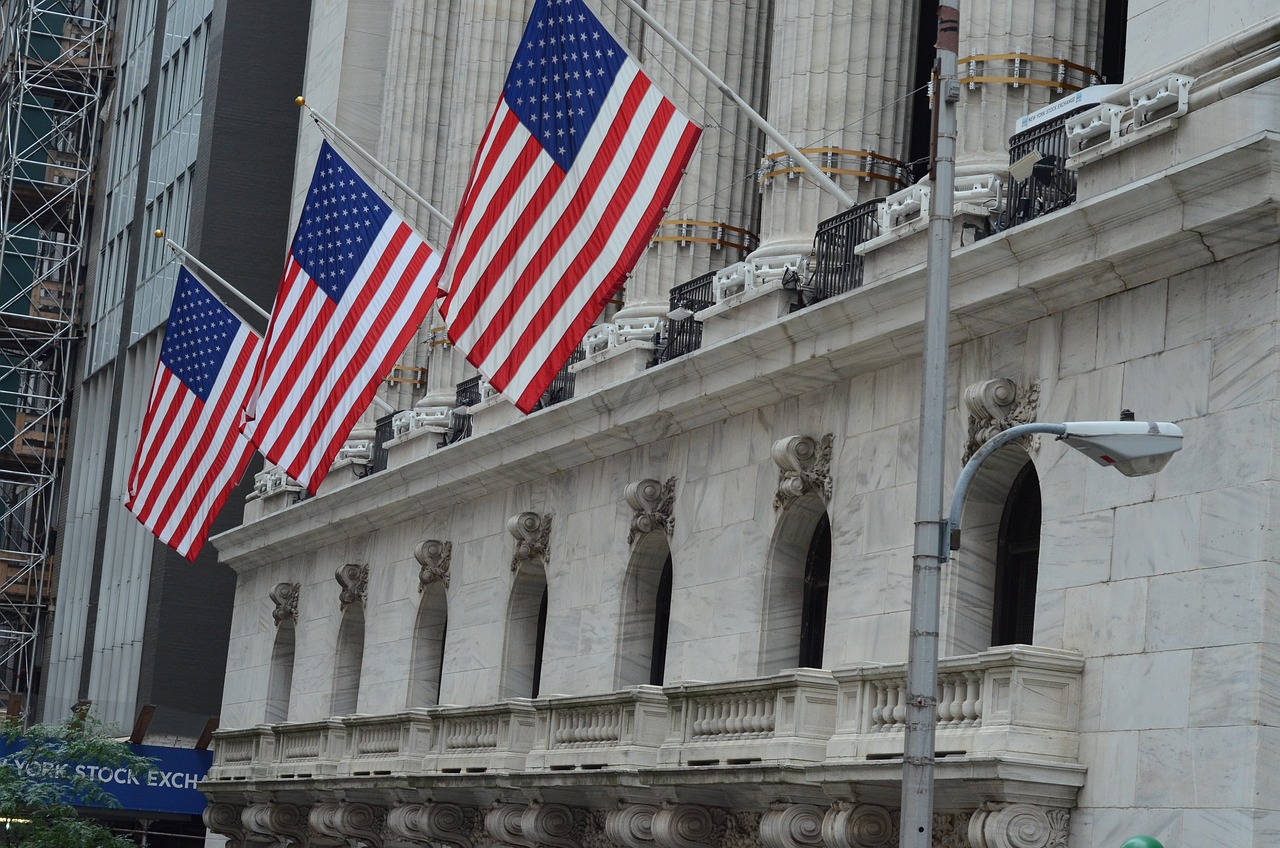
US Stocks Close Mixed Amid Oil Surge and Economic Data

- Market Fluctuations: The S&P 500 Index closed up 0.11%, while the Dow Jones Industrial Average fell 0.13%, and the Nasdaq 100 Index rose 0.11%, reflecting volatility influenced by surging oil prices and economic data.
- Positive Economic Data: Weekly initial unemployment claims unexpectedly fell by 9,000 to 202,000, indicating a stronger labor market than the anticipated increase to 212,000, which could impact the Fed's interest rate policy.
- Impact of Oil Surge: Crude oil prices soared over 11% due to President Trump's tougher stance on Iran, leading to sharp declines in airline and cruise line stocks, with United Airlines and Carnival both down more than 3%.
- Corporate Developments: SBA Communications surged over 18% as it explores potential acquisition options, while Globalstar rose over 13% amid reports of Amazon's interest in acquiring the company, highlighting market focus on M&A activity.
See More

Blue Owl Capital Limits Fund Withdrawals Amid Market Concerns
- Withdrawal Restrictions: Blue Owl Capital has announced a 5% cap on redemptions for two of its funds due to a surge in withdrawal requests, reflecting market concerns about private credit risks that could undermine investor confidence.
- Stock Price Decline: The stock closed at $8.57 on Thursday, down 1.61%, marking a 20% decline since its IPO in 2020, indicating a cautious market outlook on its future performance.
- Surge in Trading Volume: Trading volume reached 62.4 million shares, which is 116% above the three-month average of 28.9 million shares, suggesting heightened market interest in Blue Owl Capital, likely linked to the news of withdrawal restrictions.
- Industry Impact: Blue Owl's actions align with similar moves from private credit peers like Apollo Global Management and Ares Management, highlighting the pressures faced by the entire sector, prompting investors to watch for potential further restrictions.
See More
Blue Owl Capital Stock Drops 5% Amid Withdrawal Restrictions
- Surge in Redemption Requests: Blue Owl Capital faced redemption requests of up to 21.9% of outstanding shares in Q1, significantly exceeding its quarterly liquidity limit of 5%, resulting in a 4.48% drop in pre-market trading to $8.32, indicating investor concerns over liquidity management.
- Outflow Analysis: The Blue Owl Credit Income fund experienced $116 million in outflows, representing less than 1% of its net asset value, while the Blue Owl Technology Income fund saw $52 million in outflows, less than 2% of its approximately $3 billion net asset value, suggesting stability despite the withdrawals.
- Redemption Fulfillment Plans: Blue Owl Credit Income will fulfill its 5% redemption requests on a pro-rata basis, expected to meet about 23% of total tender requests, demonstrating its capacity to manage current market pressures and liquidity obligations effectively.
- Market Reaction and Regulatory Scrutiny: The redemption restrictions at Blue Owl Capital have raised market concerns, especially following similar actions by KKR, potentially leading to increased scrutiny of private credit management practices, which could impact industry confidence.
See More
Liquidity Tightens in Private Credit Markets
- Liquidity Pressure Intensifies: Oaktree Capital's co-CEO Armen Panossian highlights a widening gap between public and non-traded vehicles in private credit as liquidity tightens, particularly in software lending, which may lead to changes in investor behavior.
- Surge in Redemption Requests: Blue Owl Capital recently capped redemptions at 5% for two of its private credit funds after facing an unusually large wave of withdrawal requests, indicating that retail capital is reacting more swiftly than the typically stable institutional base.
- Investor Behavior Shift: In the $36 billion Blue Owl Credit Income Corp., investors sought to redeem nearly 22% of shares in Q1, while Blue Owl Technology Income Corp. saw requests exceeding 40%, suggesting an increasing liquidity demand from retail investors.
- Market Risk Assessment: Moody's estimates that lending to non-depository financial institutions, including BDCs, will reach about $1.4 trillion by 2025; while BDC performance may not trigger significant selling pressure, increased caution from banks and other leverage providers could further pressure credit markets.
See More
Blue Owl Capital Shares Drop Amid Redemption Limits Announcement
- Redemption Limit Announcement: Blue Owl Credit Income Corp. informed shareholders that redemptions in its private credit and technology-focused funds will be capped at 5%, following withdrawal requests totaling 21.9% and 40.7%, respectively.
- Stock Price Reaction: Shares of Blue Owl Capital fell 7%, or 59 cents, to $8.13 in morning trading, indicating a negative market response and concerns over liquidity risks associated with the redemption limits.
- Industry Impact: Other alternative asset management stocks, including Ares Management, KKR, Apollo Global, and Blackstone, also experienced declines, reflecting a broader loss of confidence in the sector following Blue Owl's announcement.
- Market Sentiment: This situation has raised investor concerns regarding the liquidity status of Blue Owl Capital and its funds, potentially leading to a decrease in investor trust and adversely affecting its market performance.
See More
Blue Owl Capital Limits Fund Withdrawals Amid Market Concerns
- Redemption Restrictions: Blue Owl Capital has announced a 5% cap on redemptions for two of its funds due to a surge in withdrawal requests, reflecting growing market concerns about private credit risks that could further erode investor confidence.
- Surge in Trading Volume: The company's stock trading volume reached 62.4 million shares, exceeding the three-month average by 116%, indicating heightened market attention on Blue Owl's current situation, which may impact its future liquidity and market performance.
- Stock Price Decline: Blue Owl's stock closed at $8.57, down 1.61% from the previous day, marking a 20% decline since its IPO in 2020, suggesting a lack of market confidence in its long-term prospects, which could affect its ability to raise capital.
- Industry Impact: The redemption restrictions by Blue Owl align with similar moves from private credit firms like Apollo Global Management and Ares Management, highlighting the pressure faced by the entire sector, prompting investors to monitor for potential further restrictions and their broader implications for the financial markets.
See More
US Stocks Close Mixed Amid Oil Surge and Economic Data
- Market Fluctuations: The S&P 500 Index closed up 0.11%, while the Dow Jones Industrial Average fell 0.13%, and the Nasdaq 100 Index rose 0.11%, reflecting volatility influenced by surging oil prices and economic data.
- Positive Economic Data: Weekly initial unemployment claims unexpectedly fell by 9,000 to 202,000, indicating a stronger labor market than the anticipated increase to 212,000, which could impact the Fed's interest rate policy.
- Impact of Oil Surge: Crude oil prices soared over 11% due to President Trump's tougher stance on Iran, leading to sharp declines in airline and cruise line stocks, with United Airlines and Carnival both down more than 3%.
- Corporate Developments: SBA Communications surged over 18% as it explores potential acquisition options, while Globalstar rose over 13% amid reports of Amazon's interest in acquiring the company, highlighting market focus on M&A activity.
See More
Blue Owl Capital Limits Fund Withdrawals Amid Market Concerns
- Withdrawal Restrictions: Blue Owl Capital has announced a 5% cap on redemptions for two of its funds due to a surge in withdrawal requests, reflecting market concerns about private credit risks that could undermine investor confidence.
- Stock Price Decline: The stock closed at $8.57 on Thursday, down 1.61%, marking a 20% decline since its IPO in 2020, indicating a cautious market outlook on its future performance.
- Surge in Trading Volume: Trading volume reached 62.4 million shares, which is 116% above the three-month average of 28.9 million shares, suggesting heightened market interest in Blue Owl Capital, likely linked to the news of withdrawal restrictions.
- Industry Impact: Blue Owl's actions align with similar moves from private credit peers like Apollo Global Management and Ares Management, highlighting the pressures faced by the entire sector, prompting investors to watch for potential further restrictions.
See More