Biopharma M&A Surges to $106 Billion Amid Patent Cliffs
Written by Emily J. Thompson, Senior Investment Analyst
Updated: 1 hour ago
0mins
Source: Newsfilter
- Surge in M&A Activity: In 2026, biopharma M&A has reached $106 billion across 201 deals, indicating a robust recovery despite a deteriorating interest rate environment, with projections suggesting total deal value could exceed $250 billion, marking the strongest year since 2019.
- Strategic Acquisition Focus: Pharmaceutical companies are primarily targeting bolt-on acquisitions in the $1 billion to $5 billion range, exemplified by GSK's $2.2 billion acquisition of RAPT Therapeutics, which allows for easier integration of specific products and reduces anti-competitive concerns.
- Improved Market Sentiment: The biotech index has risen by 50% over the past year, with several successful IPOs indicating that the financing window for biotech is open, attracting more generalist investors into the sector, particularly in light of impending patent cliffs.
- Attraction of Chinese Market: Despite U.S. regulatory changes limiting the use of Chinese clinical data, Western pharma's interest in acquiring Chinese biotech assets remains strong, as many Chinese firms seek international partnerships to advance their products globally.
Trade with 70% Backtested Accuracy
Stop guessing "Should I Buy GSK?" and start using high-conviction signals backed by rigorous historical data.
Sign up today to access powerful investing tools and make smarter, data-driven decisions.
Analyst Views on GSK
Wall Street analysts forecast GSK stock price to fall
6 Analyst Rating
1 Buy
2 Hold
3 Sell
Moderate Sell
Current: 49.000

Low
20.15
Averages
38.72
High
55.60
Current: 49.000
Low
20.15
Averages
38.72
High
55.60
About GSK
GSK plc is a United Kingdom-based biopharma company. The Company’s segments include Commercial Operations and Research and Development. The Company is focused on the science of the immune system and advanced technologies, investing in four core therapeutic areas-respiratory, immunology and inflammation; oncology; human immunodeficiency virus (HIV), and infectious diseases. Its specialty medicines prevent and treat diseases, from asthma, cancer and HIV to autoimmune diseases like lupus. General medicines include inhalers for asthma and chronic obstructive pulmonary disease (COPD) with antibiotics. Its portfolio also includes Efimosfermin, a fibroblast growth factor 21 (FGF21) analog therapeutic in clinical development. The Company also engaged in ozureprubart, a long-acting anti-immunoglobulin E (IgE) monoclonal antibody. The Company also owns HS235, a potential molecule for the treatment of pulmonary hypertension (PH).
About the author

Emily J. Thompson
Emily J. Thompson, a Chartered Financial Analyst (CFA) with 12 years in investment research, graduated with honors from the Wharton School. Specializing in industrial and technology stocks, she provides in-depth analysis for Intellectia’s earnings and market brief reports.
Biopharma M&A Surges to $106 Billion Amid Patent Cliffs

- Surge in M&A Activity: In 2026, biopharma M&A has reached $106 billion across 201 deals, indicating a robust recovery despite a deteriorating interest rate environment, with projections suggesting total deal value could exceed $250 billion, marking the strongest year since 2019.
- Strategic Acquisition Focus: Pharmaceutical companies are primarily targeting bolt-on acquisitions in the $1 billion to $5 billion range, exemplified by GSK's $2.2 billion acquisition of RAPT Therapeutics, which allows for easier integration of specific products and reduces anti-competitive concerns.
- Improved Market Sentiment: The biotech index has risen by 50% over the past year, with several successful IPOs indicating that the financing window for biotech is open, attracting more generalist investors into the sector, particularly in light of impending patent cliffs.
- Attraction of Chinese Market: Despite U.S. regulatory changes limiting the use of Chinese clinical data, Western pharma's interest in acquiring Chinese biotech assets remains strong, as many Chinese firms seek international partnerships to advance their products globally.
See More
Surge in Biopharma M&A Activity
- Surge in Deal Value: In 2026, biopharma M&A has reached $106 billion across 201 deals, with projections suggesting it could exceed $250 billion for the year, marking the strongest performance since 2019 and indicating robust industry recovery.
- Strategic Acquisition Focus: The majority of capital is directed towards strategic acquisitions in the $1 billion to $5 billion range, exemplified by GSK's $2.2 billion acquisition of RAPT Therapeutics, indicating a preference for integrating specific products rather than entire franchises, thus reducing anti-competitive concerns.
- Rising Average Deal Size: The average deal value in 2026 has surged to $527.3 million, up from $365 million in 2025, reflecting strong demand for biopharma products and a resurgence of investor confidence in the sector.
- Attraction of Chinese Assets: Despite U.S. regulatory shifts limiting the use of Chinese clinical data, Western pharma's interest in acquiring Chinese biotech assets remains strong, fostering a cross-border acquisition model that supports the establishment of new companies in Europe and the U.S.
See More
Regulatory Approvals and Collaborations in Biotech Sector


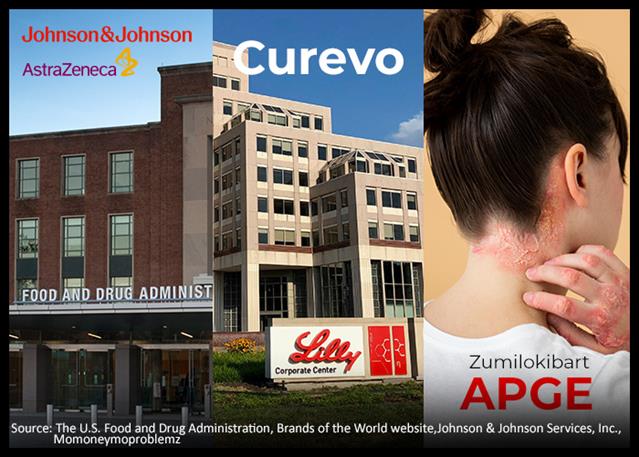
- FDA Approval for AZN: AstraZeneca (AZN) secured FDA approval for the IMFINZI + BCG combination in high-risk non-muscle-invasive bladder cancer, supported by Phase 3 POTOMAC data showing a 32% reduction in recurrence or death, enhancing its competitive edge in oncology.
- JNJ TREMFYA Label Expansion: Johnson & Johnson (JNJ) received FDA approval to add structural joint-damage inhibition data to the TREMFYA label for active psoriatic arthritis, confirming its unique position in first-line treatment with no new safety signals, reinforcing its market leadership.
- LINZESS Approved for Children: Ironwood Pharmaceuticals (IRWD) gained FDA approval for LINZESS to treat functional constipation in children aged 2-5, based on a 12-week Phase 3 trial showing significant improvement in spontaneous bowel movements, expanding its pediatric market influence.
- AbbVie's DECNUPAZ Approval: AbbVie (ABBV) received FDA approval for DECNUPAZ to treat ultra-rare blood cancer BPDCN, supported by Phase 1 data showing a 69.7% composite complete response rate and a median duration of 9.7 months, marking a significant innovation in hematologic oncology.
See More

GSK Reports Positive Phase III Results for Hepatitis B Treatment Bepirovirsen
- Successful Clinical Trials: GSK's hepatitis B treatment bepirovirsen demonstrated positive results in Phase III B-Well 1 and B-Well 2 trials, with 19% of patients achieving a functional cure compared to 0% in the placebo group, indicating a potential breakthrough in hepatitis B treatment.
- Outstanding Performance in Low Viral Load Patients: Among patients with lower baseline viral activity, the functional cure rate increased to 26%, showcasing the drug's significant efficacy in specific patient populations and potentially changing the landscape of hepatitis B therapy.
- Sustained Viral Suppression Rate: After stopping therapy for 72 weeks, 23% of bepirovirsen-treated patients achieved sustained viral suppression, while none in the placebo group did, highlighting the drug's potential for long-term efficacy.
- Regulatory Review Progress: Bepirovirsen is currently under priority review by the U.S. FDA and undergoing regulatory assessments in Europe, Japan, and China, with GSK expecting the first regulatory decisions in Q3 2026, indicating a promising market outlook.
See More
GSK's Antisense Drug Shows Promise in Hepatitis B Trials
- Clinical Trial Success: GSK's antisense drug bepirovirsen, developed with Ionis Pharma, achieved a 19% functional cure rate in two late-stage trials, significantly surpassing the current standard treatment's less than 1% cure rate, marking a new hope for chronic hepatitis B treatment.
- Significant Treatment Effects: In the B-Well 1 and B-Well 2 Phase 3 trials, six months of bepirovirsen therapy resulted in undetectable hepatitis B virus DNA and surface antigens for at least six months post-therapy, demonstrating clinically meaningful efficacy.
- Good Safety Profile: Conducted across 29 countries with chronic hepatitis patients, the studies indicated that bepirovirsen has an acceptable safety and tolerability profile consistent with previous trials, laying a solid foundation for its future market application.
- Long-term Impact Potential: GSK's science chief Tony Wood emphasized that bepirovirsen not only offers the potential for significantly improved functional cure rates but also may reduce the risk of long-term liver complications, including cancer, indicating a major advancement in chronic hepatitis B treatment.
See More

Eli Lilly Returns to Vaccine Market with $4 Billion Acquisition of Three Companies
- Return to Vaccine Market: Eli Lilly announced the acquisition of three vaccine manufacturers for nearly $4 billion, including $1.5 billion for Curevo, which is developing a shingles vaccine, marking its return to the vaccine and infectious disease sector despite regulatory uncertainties.
- Vaccine Development Potential: Curevo's shingles vaccine demonstrated a lower incidence of side effects in phase 2 trials (7.3% compared to GSK's 33%), which could enhance patient uptake and completion rates, thereby strengthening Lilly's competitive position in the vaccine market.
- Strategic Acquisitions: By acquiring Vaccine Company, Lilly aims to potentially launch the first-ever vaccine for the common virus EBV, which is linked to various serious diseases, presenting significant market potential given that around 95% of adults are infected with the virus.
- Market Opportunity Analysis: Although Lilly did not provide revenue estimates for the new vaccines, considering GSK's Shingrix vaccine generated $4.8 billion in sales in 2025, Lilly's new vaccine products could capture a share of the market, particularly with the shingles vaccine's competitive potential.
See More
Biopharma M&A Surges to $106 Billion Amid Patent Cliffs
- Surge in M&A Activity: In 2026, biopharma M&A has reached $106 billion across 201 deals, indicating a robust recovery despite a deteriorating interest rate environment, with projections suggesting total deal value could exceed $250 billion, marking the strongest year since 2019.
- Strategic Acquisition Focus: Pharmaceutical companies are primarily targeting bolt-on acquisitions in the $1 billion to $5 billion range, exemplified by GSK's $2.2 billion acquisition of RAPT Therapeutics, which allows for easier integration of specific products and reduces anti-competitive concerns.
- Improved Market Sentiment: The biotech index has risen by 50% over the past year, with several successful IPOs indicating that the financing window for biotech is open, attracting more generalist investors into the sector, particularly in light of impending patent cliffs.
- Attraction of Chinese Market: Despite U.S. regulatory changes limiting the use of Chinese clinical data, Western pharma's interest in acquiring Chinese biotech assets remains strong, as many Chinese firms seek international partnerships to advance their products globally.
See More
Surge in Biopharma M&A Activity
- Surge in Deal Value: In 2026, biopharma M&A has reached $106 billion across 201 deals, with projections suggesting it could exceed $250 billion for the year, marking the strongest performance since 2019 and indicating robust industry recovery.
- Strategic Acquisition Focus: The majority of capital is directed towards strategic acquisitions in the $1 billion to $5 billion range, exemplified by GSK's $2.2 billion acquisition of RAPT Therapeutics, indicating a preference for integrating specific products rather than entire franchises, thus reducing anti-competitive concerns.
- Rising Average Deal Size: The average deal value in 2026 has surged to $527.3 million, up from $365 million in 2025, reflecting strong demand for biopharma products and a resurgence of investor confidence in the sector.
- Attraction of Chinese Assets: Despite U.S. regulatory shifts limiting the use of Chinese clinical data, Western pharma's interest in acquiring Chinese biotech assets remains strong, fostering a cross-border acquisition model that supports the establishment of new companies in Europe and the U.S.
See More
Regulatory Approvals and Collaborations in Biotech Sector
- FDA Approval for AZN: AstraZeneca (AZN) secured FDA approval for the IMFINZI + BCG combination in high-risk non-muscle-invasive bladder cancer, supported by Phase 3 POTOMAC data showing a 32% reduction in recurrence or death, enhancing its competitive edge in oncology.
- JNJ TREMFYA Label Expansion: Johnson & Johnson (JNJ) received FDA approval to add structural joint-damage inhibition data to the TREMFYA label for active psoriatic arthritis, confirming its unique position in first-line treatment with no new safety signals, reinforcing its market leadership.
- LINZESS Approved for Children: Ironwood Pharmaceuticals (IRWD) gained FDA approval for LINZESS to treat functional constipation in children aged 2-5, based on a 12-week Phase 3 trial showing significant improvement in spontaneous bowel movements, expanding its pediatric market influence.
- AbbVie's DECNUPAZ Approval: AbbVie (ABBV) received FDA approval for DECNUPAZ to treat ultra-rare blood cancer BPDCN, supported by Phase 1 data showing a 69.7% composite complete response rate and a median duration of 9.7 months, marking a significant innovation in hematologic oncology.
See More
GSK Reports Positive Phase III Results for Hepatitis B Treatment Bepirovirsen
- Successful Clinical Trials: GSK's hepatitis B treatment bepirovirsen demonstrated positive results in Phase III B-Well 1 and B-Well 2 trials, with 19% of patients achieving a functional cure compared to 0% in the placebo group, indicating a potential breakthrough in hepatitis B treatment.
- Outstanding Performance in Low Viral Load Patients: Among patients with lower baseline viral activity, the functional cure rate increased to 26%, showcasing the drug's significant efficacy in specific patient populations and potentially changing the landscape of hepatitis B therapy.
- Sustained Viral Suppression Rate: After stopping therapy for 72 weeks, 23% of bepirovirsen-treated patients achieved sustained viral suppression, while none in the placebo group did, highlighting the drug's potential for long-term efficacy.
- Regulatory Review Progress: Bepirovirsen is currently under priority review by the U.S. FDA and undergoing regulatory assessments in Europe, Japan, and China, with GSK expecting the first regulatory decisions in Q3 2026, indicating a promising market outlook.
See More
GSK's Antisense Drug Shows Promise in Hepatitis B Trials
- Clinical Trial Success: GSK's antisense drug bepirovirsen, developed with Ionis Pharma, achieved a 19% functional cure rate in two late-stage trials, significantly surpassing the current standard treatment's less than 1% cure rate, marking a new hope for chronic hepatitis B treatment.
- Significant Treatment Effects: In the B-Well 1 and B-Well 2 Phase 3 trials, six months of bepirovirsen therapy resulted in undetectable hepatitis B virus DNA and surface antigens for at least six months post-therapy, demonstrating clinically meaningful efficacy.
- Good Safety Profile: Conducted across 29 countries with chronic hepatitis patients, the studies indicated that bepirovirsen has an acceptable safety and tolerability profile consistent with previous trials, laying a solid foundation for its future market application.
- Long-term Impact Potential: GSK's science chief Tony Wood emphasized that bepirovirsen not only offers the potential for significantly improved functional cure rates but also may reduce the risk of long-term liver complications, including cancer, indicating a major advancement in chronic hepatitis B treatment.
See More
Eli Lilly Returns to Vaccine Market with $4 Billion Acquisition of Three Companies
- Return to Vaccine Market: Eli Lilly announced the acquisition of three vaccine manufacturers for nearly $4 billion, including $1.5 billion for Curevo, which is developing a shingles vaccine, marking its return to the vaccine and infectious disease sector despite regulatory uncertainties.
- Vaccine Development Potential: Curevo's shingles vaccine demonstrated a lower incidence of side effects in phase 2 trials (7.3% compared to GSK's 33%), which could enhance patient uptake and completion rates, thereby strengthening Lilly's competitive position in the vaccine market.
- Strategic Acquisitions: By acquiring Vaccine Company, Lilly aims to potentially launch the first-ever vaccine for the common virus EBV, which is linked to various serious diseases, presenting significant market potential given that around 95% of adults are infected with the virus.
- Market Opportunity Analysis: Although Lilly did not provide revenue estimates for the new vaccines, considering GSK's Shingrix vaccine generated $4.8 billion in sales in 2025, Lilly's new vaccine products could capture a share of the market, particularly with the shingles vaccine's competitive potential.
See More